How to Keep Camper from Rocking
Camper rocking can ruin your camping comfort, but it’s fixable with the right tools and techniques. From using wheel chocks and stabilizer jacks to proper leveling and weight distribution, this guide covers everything you need to keep your camper steady and secure.
In This Article
- 1 Key Takeaways
- 2 📑 Table of Contents
- 3 Why Camper Rocking Happens and Why It Matters
- 4 Step 1: Choose the Right Campsite and Level Your Camper
- 5 Step 2: Use Wheel Chocks to Prevent Rolling
- 6 Step 3: Deploy and Adjust Stabilizer Jacks Properly
- 7 Step 4: Distribute Weight Evenly Inside the Camper
- 8 Step 5: Upgrade to Advanced Stabilization Gear
- 9 Step 6: Maintain Your Camper and Stabilization Equipment
- 10 Conclusion: Enjoy a Rock-Solid Camper Experience
- 11 Frequently Asked Questions
Key Takeaways
- Use wheel chocks: Prevent rolling by placing chocks on both sides of the tires, especially on inclines or soft ground.
- Deploy stabilizer jacks: Fully extend and level all four jacks to minimize side-to-side and front-to-back movement.
- Level your camper first: Always use a bubble level and adjust with leveling blocks or ramps before setting up stabilizers.
- Distribute weight evenly: Keep heavy items centered and low to reduce sway and improve balance.
- Upgrade to scissor jacks or hydraulic stabilizers: These offer better support and faster setup than basic screw jacks.
- Check tire pressure and ground conditions: Soft or uneven terrain increases rocking—opt for solid, level surfaces when parking.
- Consider anti-sway bars for travel trailers: These reduce movement while driving and can help with stability when parked.
📑 Table of Contents
- Why Camper Rocking Happens and Why It Matters
- Step 1: Choose the Right Campsite and Level Your Camper
- Step 2: Use Wheel Chocks to Prevent Rolling
- Step 3: Deploy and Adjust Stabilizer Jacks Properly
- Step 4: Distribute Weight Evenly Inside the Camper
- Step 5: Upgrade to Advanced Stabilization Gear
- Step 6: Maintain Your Camper and Stabilization Equipment
- Conclusion: Enjoy a Rock-Solid Camper Experience
Why Camper Rocking Happens and Why It Matters
Nothing kills the camping vibe faster than a camper that rocks every time you walk across the floor or open a cabinet. It’s annoying, unsettling, and can even feel unsafe—especially for kids, pets, or anyone with balance issues. But why does it happen in the first place?
Camper rocking usually stems from poor setup, uneven terrain, or inadequate stabilization. Most RVs and travel trailers aren’t built like houses—they’re designed to move, not stand still. Without proper support, even small shifts in weight can cause the entire unit to sway. This movement is often amplified by lightweight construction materials, high centers of gravity, and the fact that many campers rest on just four small jacks or tires.
The good news? You don’t have to live with a wobbly camper. With a few smart tools and techniques, you can dramatically reduce—or even eliminate—rocking. Whether you’re a weekend warrior or a full-time RVer, keeping your camper stable means better sleep, safer movement inside, and more peace of mind. In this guide, we’ll walk you through every step to keep your camper from rocking, from basic setup tips to advanced stabilization gear.
Step 1: Choose the Right Campsite and Level Your Camper
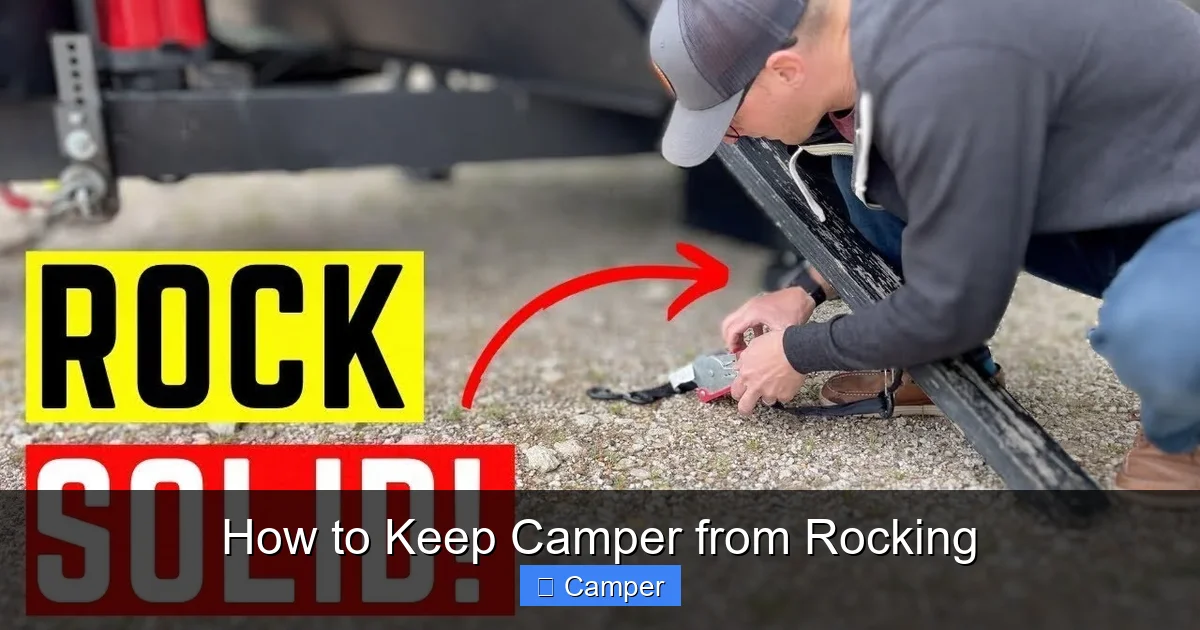
The foundation of a stable camper starts with where you park it. No amount of fancy gear can fix a camper sitting on a slope or soft dirt. That’s why your first step should always be selecting a level, solid campsite.
Visual guide about How to Keep Camper from Rocking
Image source: i.ytimg.com
Look for Level, Solid Ground
When scouting a spot, avoid areas with obvious slopes, mud, sand, or loose gravel. These surfaces can shift under weight, causing your camper to tilt or sink—leading to rocking and potential damage. Instead, aim for packed dirt, asphalt, or concrete pads. If you’re boondocking, use a long carpenter’s level or a smartphone app to check the ground in both directions.
Use Leveling Blocks or Ramps
Even on seemingly flat ground, slight inclines are common. That’s where leveling blocks come in. These interlocking plastic ramps help you raise one side of the camper to achieve a level position. For example, if the front of your camper is lower than the back, drive the tires onto the blocks until the bubble level shows even. Most RVers carry a set of 4–6 blocks, but you may need more depending on the slope.
Check Level in Both Directions
Don’t just level side-to-side—also check front-to-back. Many campers have built-in levels near the tongue or rear, but a handheld level placed on the floor or countertop works too. A truly level camper distributes weight evenly, reducing stress on stabilizers and minimizing rocking. If your camper is off by even a few degrees, you’ll feel it every time you move.
Tip: Use a Digital Level for Precision
While bubble levels are fine for basic use, digital levels offer greater accuracy. They display exact angles and can help you fine-tune your setup. Some even connect to your phone via Bluetooth, making leveling faster and easier—especially in low light.
Step 2: Use Wheel Chocks to Prevent Rolling
Even when your camper is level, it can still rock if the tires aren’t secured. That’s where wheel chocks come in. These simple devices wedge against the tires to prevent rolling—especially important on inclines or windy days.
Visual guide about How to Keep Camper from Rocking
Image source: i.pinimg.com
Place Chocks on Both Sides of the Tires
For maximum stability, use two chocks per tire—one on each side. This prevents movement in both directions. If you’re on a slope, place the chock on the downhill side first, then add the second on the uphill side. This creates a “sandwich” effect that locks the tire in place.
Choose the Right Type of Chock
Not all chocks are created equal. Plastic chocks are lightweight and affordable but can crack in cold weather. Rubber chocks are more durable and grip better on smooth surfaces. For heavy trailers or rough terrain, consider aluminum or composite chocks with built-in handles for easy removal.
Don’t Forget the Spare Tire
If your camper has a spare tire mounted on the back, make sure it’s not touching the ground. A spare tire resting on the pavement can act like a pivot point, causing the camper to rock when you walk near the rear. Use a spare tire carrier or lift kit to keep it elevated.
Pro Tip: Use Chocks with Built-In Handles
Some chocks come with ergonomic handles or pull straps, making them easier to remove—especially when they’re wedged tightly. This is a small upgrade that saves frustration, particularly in muddy or icy conditions.
Step 3: Deploy and Adjust Stabilizer Jacks Properly
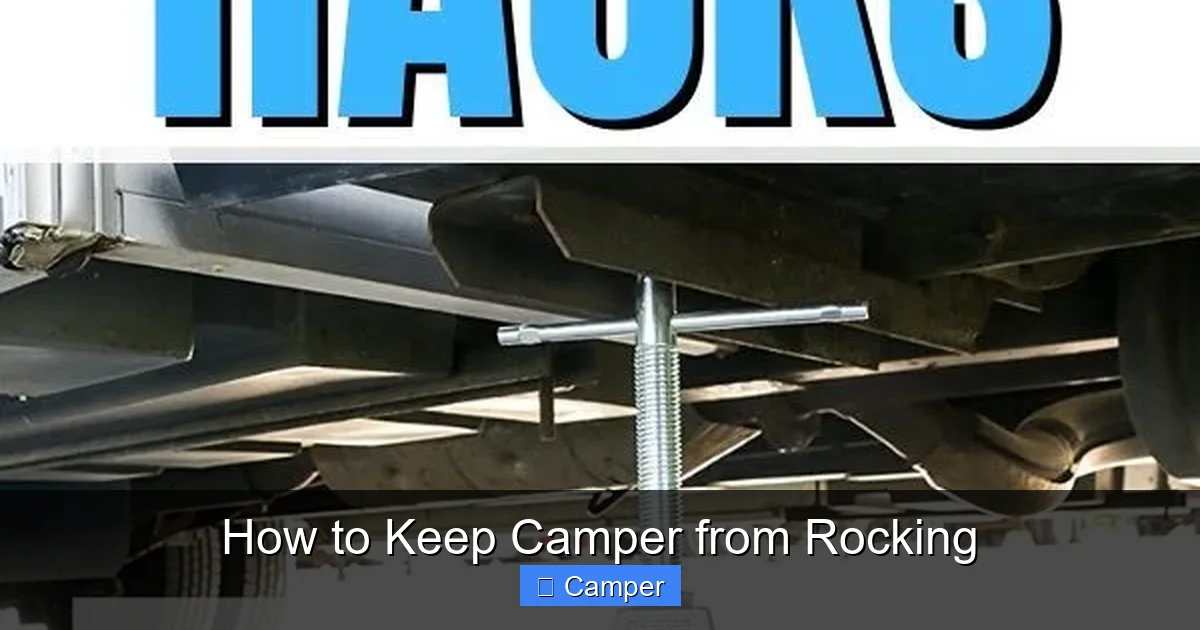
Stabilizer jacks are your camper’s first line of defense against rocking. But many RVers don’t use them correctly. Simply lowering them until they touch the ground isn’t enough—you need to apply firm pressure to truly stabilize the unit.
Visual guide about How to Keep Camper from Rocking
Image source: gocarlife.com
Extend All Four Jacks Fully
Most campers have four stabilizer jacks—one at each corner. Always deploy all four, even if you think one side feels solid. Skipping a jack creates an imbalance that can lead to rocking. Use the built-in crank or an electric drill adapter to lower each jack until it makes contact with the ground.
Apply Downward Pressure
Once the jack touches the ground, continue cranking to apply pressure. You should feel the camper settle slightly as the jack takes weight. This is key—without pressure, the jack is just resting there, doing nothing. A good rule of thumb: crank until you see the frame flex slightly or hear a soft “thud” as the jack firms up.
Use Jack Pads for Soft Ground
On dirt, grass, or gravel, stabilizer jacks can sink over time—especially in rainy weather. To prevent this, place jack pads (also called stabilizer pads) under each jack. These flat, durable plates distribute the weight over a larger area, reducing sinkage and keeping your camper level longer.
Check for Level After Jacking
After deploying the jacks, recheck your level. Sometimes, adjusting one jack can throw off the balance elsewhere. Make small tweaks as needed until the camper is perfectly level and stable.
Upgrade to Better Stabilizers
If you’re still experiencing rocking, consider upgrading your stabilizers. Basic screw jacks are functional but slow and limited in strength. Scissor jacks offer more lift and stability, while hydraulic or electric stabilizers provide smooth, powerful support with minimal effort. Some models even come with built-in leveling systems.
Step 4: Distribute Weight Evenly Inside the Camper
How you load your camper has a big impact on stability. Heavy items placed off-center or high up can create a top-heavy feel, making the camper more prone to rocking—especially in wind or when people move around.
Keep Heavy Items Low and Centered
Store heavy gear—like water tanks, batteries, and canned goods—in lower cabinets or near the floor. Avoid placing them near the walls or in overhead compartments. The goal is to keep the center of gravity as low and central as possible.
Balance Side-to-Side Weight
If one side of your camper is consistently heavier (e.g., because of a full fridge on the left and empty cabinets on the right), it can cause a slight tilt that leads to rocking. Try to distribute weight evenly. For example, if you have a water tank on one side, balance it with a storage bin or toolbox on the other.
Secure Loose Items
Loose items inside the camper can shift during travel or when you walk around, creating uneven weight distribution. Use bungee cords, non-slip mats, or storage bins to keep everything in place. This not only reduces rocking but also prevents damage and noise.
Monitor Water and Waste Tank Levels
Full freshwater, gray, and black tanks add significant weight—and where that weight sits matters. Most tanks are located under the floor, but their placement varies by model. Try to keep tanks balanced and avoid letting one side get much fuller than the other. Also, dumping tanks before setup can reduce overall weight and improve stability.
Tip: Use a Weight Distribution Hitch for Travel Trailers
If you tow a travel trailer, a weight distribution hitch helps balance the load between your tow vehicle and the trailer. This improves towing stability and can reduce rocking when parked, especially if the trailer is heavy or long.
Step 5: Upgrade to Advanced Stabilization Gear
For RVers who want maximum stability, basic stabilizers and chocks may not be enough. Fortunately, there are several advanced tools designed to eliminate rocking for good.
Install Scissor Jacks or Hydraulic Stabilizers
Scissor jacks offer more lift and rigidity than standard screw jacks. They’re often used on fifth wheels and larger travel trailers. Hydraulic stabilizers take it a step further, using fluid pressure to extend and lock in place with minimal effort. Some models even include remote controls or automatic leveling.
Add an Anti-Sway Bar
Anti-sway bars are typically used while driving to reduce trailer sway, but some models can also help when parked. They connect the trailer frame to the hitch and limit side-to-side movement. While not a replacement for stabilizers, they add an extra layer of stability—especially in windy conditions.
Use Automatic Leveling Systems
High-end RVs often come with automatic leveling systems that use hydraulic or electric legs to level the entire unit at the push of a button. These systems are fast, precise, and eliminate the guesswork of manual jacking. While expensive, they’re worth considering for full-time RVers or those with mobility issues.
Try Stabilizer Jack Upgrades
Even if you keep your existing jacks, you can improve their performance with upgrades. Jack extensions add height for uneven terrain, while motorized drill adapters speed up deployment. Some RVers also install spring-loaded jacks that automatically adjust to ground shifts.
Consider a Camper Stabilizer Mat
For extreme stability, some RVers use large stabilizer mats made of composite or rubber. These thick pads go under all four jacks and tires, creating a solid, level base even on soft ground. They’re especially useful for long-term stays or in rainy climates.
Step 6: Maintain Your Camper and Stabilization Equipment
Even the best setup won’t work if your equipment is worn out or damaged. Regular maintenance ensures your stabilizers, jacks, and tires are ready when you need them.
Inspect Jacks and Chocks Before Each Trip
Check for cracks, rust, or loose bolts on your stabilizer jacks and wheel chocks. Make sure the cranks turn smoothly and the pads are intact. Replace any damaged parts before hitting the road.
Lubricate Moving Parts
Stabilizer jacks have moving parts that can seize up over time. Apply a light coat of lithium grease to the threads and pivot points every few months. This keeps them operating smoothly and extends their lifespan.
Check Tire Pressure and Condition
Underinflated or worn tires can contribute to rocking by allowing the camper to shift slightly. Check tire pressure before each trip and inspect for cracks, bulges, or uneven wear. Replace tires as needed—especially if they’re more than 5–7 years old.
Store Equipment Properly
Keep chocks, leveling blocks, and jack pads in a dry, accessible location. Use a storage bin or bag to prevent loss and protect from the elements. Label everything so you can find it quickly at the campsite.
Test Your Setup Regularly
Even if you’ve used the same campsite before, ground conditions can change. Always test your setup by walking around the camper and checking for movement. If you feel rocking, adjust the jacks or reposition the chocks.
Conclusion: Enjoy a Rock-Solid Camper Experience
Keeping your camper from rocking isn’t just about comfort—it’s about safety, peace of mind, and getting the most out of your outdoor adventures. By choosing the right campsite, leveling properly, using wheel chocks, deploying stabilizer jacks correctly, distributing weight evenly, and upgrading your gear when needed, you can eliminate unwanted movement and enjoy a truly stable home on wheels.
Remember, every camper is different, and what works for one RVer might not work for another. Experiment with different tools and techniques to find your ideal setup. And don’t be afraid to invest in quality equipment—your back (and your sleep) will thank you. With these tips, you’ll spend less time worrying about rocking and more time enjoying the great outdoors.
Frequently Asked Questions
Why does my camper rock when I walk inside?
Camper rocking when walking is usually caused by inadequate stabilization or uneven weight distribution. If your stabilizer jacks aren’t fully extended or your camper isn’t level, even small movements can create sway. Check your jacks, chocks, and leveling setup to reduce movement.
Do I need to use all four stabilizer jacks?
Yes, always use all four stabilizer jacks. Skipping one creates an imbalance that can lead to rocking. Even if one side feels solid, all four jacks help distribute weight and stabilize the entire unit.
Can I use wood blocks instead of leveling blocks?
While wood blocks can work in a pinch, they’re not recommended. They can split, rot, or shift under weight. Plastic or composite leveling blocks are safer, more durable, and designed specifically for RVs.
How tight should stabilizer jacks be?
Stabilizer jacks should be tightened until they apply firm downward pressure—enough to make the camper settle slightly. Over-tightening can damage the frame, so stop once you feel resistance and see the unit stabilize.
Do anti-sway bars help when parked?
Anti-sway bars are mainly for reducing trailer sway while driving, but some models can help limit side-to-side movement when parked. They’re not a replacement for stabilizers but can add extra stability in windy conditions.
What’s the best surface to park my camper on?
The best surfaces are level, solid, and non-porous—like asphalt, concrete, or packed gravel. Avoid mud, sand, or soft dirt, as these can cause sinking and increase rocking over time.