How to Jump a Car with Battery Pack
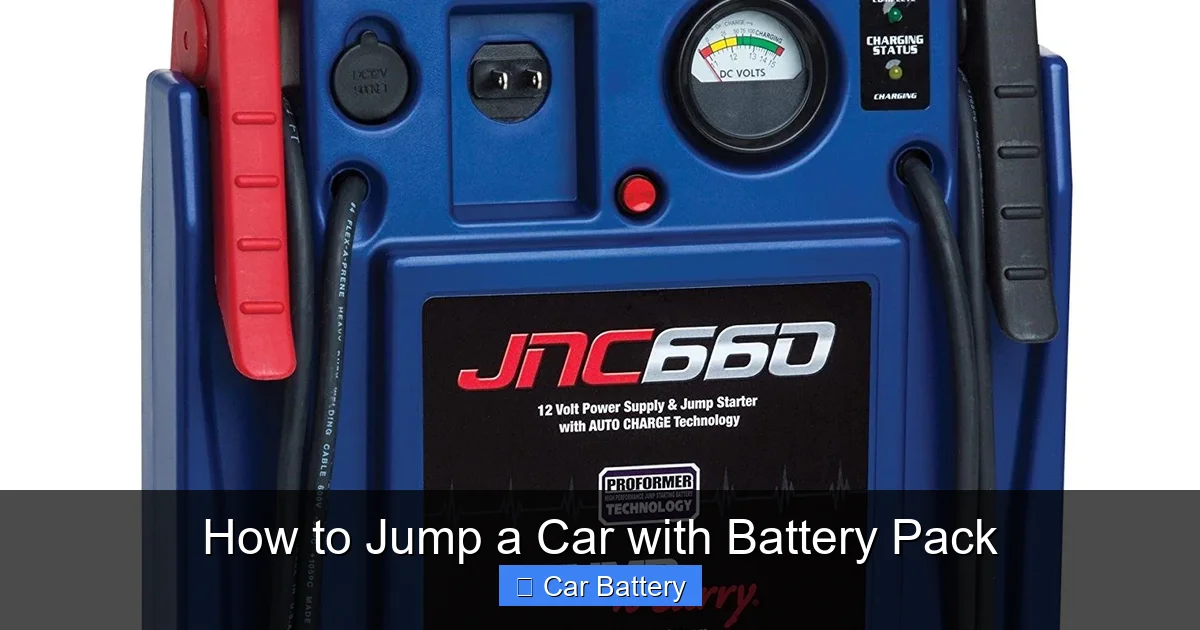
Jump-starting a car with a battery pack is a fast, safe, and reliable way to get back on the road when your battery dies. Unlike traditional jumper cables, portable jump starters eliminate the need for another vehicle and reduce risks like sparks or incorrect connections.
This is a comprehensive guide about how to jump a car with battery pack.
In This Article
- 1 Key Takeaways
- 2 How to Jump a Car with Battery Pack: A Complete Guide
- 3 What Is a Jump Starter Battery Pack?
- 4 Why Use a Jump Pack Instead of Jumper Cables?
- 5 Choosing the Right Jump Starter for Your Car
- 6 Step-by-Step: How to Jump a Car with Battery Pack
- 7 Safety Tips and Common Mistakes to Avoid
- 8 When to Call a Professional
- 9 Maintaining Your Jump Starter Battery Pack
- 10 Conclusion
- 11 Frequently Asked Questions
Key Takeaways
- Portable jump starters are safer than jumper cables: No need for another car, reducing exposure to traffic and electrical risks.
- Always check compatibility: Ensure your battery pack supports your vehicle’s engine size and voltage (typically 12V for most cars).
- Follow the correct connection order: Connect red to positive, black to ground—never reverse the cables to avoid damage or injury.
- Charge your jump pack regularly: A dead jump starter won’t help you when you need it most—keep it charged and stored properly.
- Know when to call a professional: If your car won’t start after multiple attempts, the issue may not be the battery.
- Store safely in your vehicle: Keep the jump pack in a cool, dry place, away from extreme temperatures.
- Read the manual: Every jump starter is different—follow manufacturer instructions for best results.
[FEATURED_IMAGE_PLACEHOLDER]
How to Jump a Car with Battery Pack: A Complete Guide
Picture this: It’s early morning, you’re running late for work, and you turn the key—only to hear a weak, clicking sound. Your car won’t start. The battery is dead. Now what?
You could call a tow truck, wait for roadside assistance, or try to flag down a stranger with jumper cables. But there’s a smarter, faster, and safer option: using a portable jump starter, also known as a jump pack. These compact devices are designed to jump-start your car without needing another vehicle. They’re easy to use, increasingly affordable, and perfect for emergencies.
In this guide, we’ll walk you through everything you need to know about how to jump a car with battery pack—from choosing the right device to safely connecting it and troubleshooting common issues. Whether you’re a seasoned driver or a first-time car owner, this step-by-step breakdown will give you the confidence to handle a dead battery like a pro.
What Is a Jump Starter Battery Pack?
A jump starter battery pack is a portable power source that stores electrical energy and delivers it to your car’s dead battery to restart the engine. Think of it as a mini backup battery you can carry in your trunk. Unlike traditional jumper cables, which require a second vehicle to provide power, a jump pack works independently.
How Does It Work?
Inside the jump pack is a rechargeable lithium-ion or lead-acid battery. When your car battery dies, the jump pack sends a burst of electricity through its cables to your car’s battery terminals. This jump-starts the engine, allowing it to recharge the battery as you drive.
Most modern jump packs also include safety features like reverse polarity protection, short-circuit prevention, and overload protection. These reduce the risk of sparks, fires, or damage to your vehicle’s electronics.
Types of Jump Starter Packs
There are three main types of jump starters:
- Lithium-ion jump starters: Lightweight, compact, and ideal for most passenger vehicles. They charge quickly and often include USB ports for charging phones or tablets.
- Lead-acid jump starters: Heavier and bulkier, but often more powerful. Best for trucks, SUVs, or diesel engines.
- Ultra-capacitor jump starters: Less common, but excellent in extreme cold. They don’t store energy long-term but can deliver high power instantly.
For most drivers, a lithium-ion jump pack is the best choice—it’s portable, reliable, and packed with useful extras like LED flashlights and digital displays.
Why Use a Jump Pack Instead of Jumper Cables?
You might be wondering: Why not just use jumper cables and ask a friendly driver for help? It’s a valid question. But jump packs offer several advantages that make them a superior choice in many situations.
No Need for Another Vehicle
The biggest benefit? You don’t need another car. Whether you’re stranded in a parking lot, on a remote road, or in a busy city, a jump pack lets you get going on your own. No waiting, no awkward conversations, no risk of traffic accidents while connecting cables between two moving vehicles.
Safer and Easier to Use
Jumper cables can be tricky, especially for beginners. Connecting them in the wrong order can cause sparks, damage electronics, or even injure you. Jump packs are designed with safety in mind. Most have color-coded clamps, built-in warnings, and automatic shutoff if connected incorrectly.
Compact and Portable
Modern jump packs are small enough to fit in a glove compartment or under a seat. Many weigh less than 2 pounds. Compare that to a bulky set of jumper cables and a second car—jump packs win on convenience.
Multi-Functionality
Many jump starters double as power banks. Need to charge your phone during a road trip? Plug it into the USB port. Stuck in the dark? Use the built-in flashlight. Some even include air compressors for inflating tires.
Better for Modern Vehicles
Newer cars have sensitive electronics that can be damaged by power surges from traditional jump-starting. Jump packs deliver a controlled, steady current, reducing the risk of frying your car’s computer system.
In short, a jump pack is like having a roadside mechanic in a box—always ready, always reliable.
Choosing the Right Jump Starter for Your Car
Not all jump packs are created equal. Picking the right one depends on your vehicle type, driving habits, and budget. Here’s what to look for when shopping for a jump starter.
Check the Peak Amps and Cranking Amps
Amps measure the power a jump pack can deliver. Two key numbers matter:
- Cranking Amps (CA): The amount of power the pack can deliver at 32°F (0°C). This is what you need to start your engine in normal conditions.
- Peak Amps: The maximum power the pack can deliver for a short burst. Higher peak amps help with stubborn starts.
For most compact cars, a jump pack with 400–600 peak amps is sufficient. SUVs and trucks may need 800–1000+ peak amps. Diesel engines often require even more power.
Match the Voltage
Almost all passenger vehicles use a 12-volt battery. Make sure your jump pack is compatible with 12V systems. Some heavy-duty packs support 24V for commercial vehicles, but these are overkill for everyday drivers.
Consider Battery Capacity (mAh)
Battery capacity, measured in milliamp hours (mAh), tells you how much energy the pack can store. A higher mAh means more jump-starts per charge. For example:
- 10,000 mAh: Enough for 3–5 jumps on a small car
- 20,000 mAh: Ideal for larger vehicles or frequent use
If you live in a cold climate, opt for a higher capacity—cold weather reduces battery efficiency.
Look for Safety Features
Safety should be a top priority. Look for jump packs with:
- Reverse polarity protection (prevents damage if clamps are swapped)
- Spark-proof technology
- Overcharge and over-discharge protection
- Short-circuit protection
- Temperature control
These features protect both you and your vehicle.
Check for Extra Features
Many jump packs come with bonus tools:
- LED flashlight: Great for nighttime emergencies
- USB ports: Charge phones, tablets, or GPS devices
- Digital display: Shows battery level and error messages
- Air compressor: Inflate tires without a separate pump
- Jump-start button: Some packs require you to press a button to activate power
These extras can turn a simple jump starter into a full emergency kit.
Battery Type and Charging Time
Lithium-ion packs charge faster (usually 2–4 hours) and hold a charge longer than lead-acid. They also perform better in cold weather. If you choose a lithium-ion model, check how long it takes to recharge and whether it comes with a wall charger, car charger, or USB-C input.
Budget and Brand Reputation
Jump packs range from $50 to $200+. While cheaper models may work, they often lack safety features or durability. Stick with reputable brands like NOCO, Jump-N-Carry, or Tacklife. Read reviews and check warranties—most quality packs come with a 1–2 year warranty.
Investing in a reliable jump starter is like buying insurance for your car. It’s a small price to pay for peace of mind.
Step-by-Step: How to Jump a Car with Battery Pack
Now that you’ve got your jump pack, it’s time to use it. Follow these steps carefully to jump-start your car safely and effectively.
Step 1: Prepare Your Vehicle
Park your car on a flat, stable surface away from traffic. Turn off the engine, headlights, radio, and any other electrical accessories. Put the car in “Park” (automatic) or “Neutral” (manual) and engage the parking brake.
Open the hood and locate the battery. Most car batteries are under the hood, but some are in the trunk or under the rear seat. Refer to your owner’s manual if you’re unsure.
Step 2: Inspect the Battery and Jump Pack
Check your car battery for visible damage—cracks, leaks, or bulging. If you see any, do not attempt to jump-start. Call a professional.
Next, check your jump pack. Make sure it’s charged (most have an LED indicator). If the battery level is low, charge it before proceeding.
Step 3: Connect the Jump Pack
Follow this order exactly:
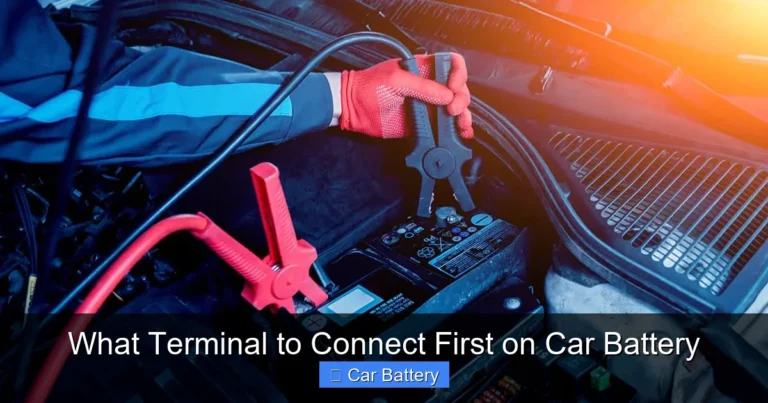
- Attach the red (positive) clamp to the positive terminal of your car battery. The terminal is usually marked with a “+” sign and may have a red cover.
- Attach the black (negative) clamp to a grounded metal surface on the engine block or frame—not the negative battery terminal. This reduces the risk of sparks near the battery, which can emit flammable gas.
Pro Tip: Use a clean, unpainted metal part like a bolt or bracket. Avoid plastic, rubber, or moving parts.
Step 4: Power On the Jump Pack
Turn on the jump pack. Some models have a power button; others activate automatically when connected. Wait a few seconds for the pack to stabilize.
If your jump pack has a “jump-start” button, press it now. This sends power to the clamps.
Step 5: Start the Engine
Turn the key in the ignition and try to start the car. If it doesn’t start right away, wait 30–60 seconds and try again. Most cars will start within 1–3 attempts.
Important: Do not crank the engine for more than 5 seconds at a time. If it doesn’t start after 3 tries, stop and check for other issues.
Step 6: Disconnect the Jump Pack
Once the engine is running, disconnect the jump pack in reverse order:
- Remove the black (negative) clamp from the ground.
- Remove the red (positive) clamp from the battery terminal.
- Turn off the jump pack.
Close the hood and let the engine run for at least 15–20 minutes to recharge the battery. Avoid turning off the engine immediately—your battery needs time to regain charge.
Step 7: Recharge the Jump Pack
After use, plug your jump pack into a wall outlet or car charger to recharge it. Most packs take 2–4 hours to fully charge. Keeping it charged ensures it’s ready for the next emergency.
Safety Reminder: Never leave the jump pack connected after the engine starts. Always disconnect promptly to avoid overcharging or damage.
Safety Tips and Common Mistakes to Avoid
Jump-starting a car is generally safe when done correctly, but mistakes can lead to injury or vehicle damage. Here’s how to stay safe and avoid common pitfalls.
Never Reverse the Clamps
Connecting red to negative and black to positive can cause a short circuit, sparks, or even an explosion. Always double-check the terminals before attaching the clamps.
Don’t Connect to a Swollen or Leaking Battery
A damaged battery can release toxic gases or leak acid. If the battery case is cracked, bulging, or wet, do not attempt to jump-start. Call a tow truck or mechanic.
Keep the Jump Pack Away from Heat and Moisture
Store your jump pack in a cool, dry place. Extreme heat (like inside a hot car) can damage the battery. Moisture can cause corrosion or electrical shorts.
Don’t Use a Damaged Jump Pack
If the cables are frayed, the casing is cracked, or the pack won’t hold a charge, replace it. Using a faulty device increases the risk of failure or fire.
Don’t Jump-Start in the Rain
Water and electricity don’t mix. Avoid jump-starting your car in heavy rain or wet conditions. If you must, use a waterproof cover and stand on a dry surface.
Don’t Overuse the Jump Pack
Most jump packs can handle 3–5 starts per charge. If your car won’t start after several attempts, the problem may not be the battery. It could be a bad starter, alternator, or fuel issue. Continuing to jump-start can drain the pack and damage your car.
Keep Children and Pets Away
Batteries and electrical currents can be dangerous. Keep kids and animals at a safe distance during the jump-start process.
By following these tips, you’ll protect yourself, your vehicle, and your jump pack.
When to Call a Professional
While jump-starting is usually straightforward, there are times when it’s best to call for help.
Your Car Won’t Start After Multiple Attempts
If your engine still won’t turn over after 3–4 tries, the issue may not be the battery. It could be a faulty starter motor, bad alternator, or fuel system problem. A mechanic can diagnose the real cause.
The Battery Keeps Dying
If your battery dies frequently, it may be old or failing. Car batteries typically last 3–5 years. If yours is nearing that age, consider replacing it.
You Smell Burning or See Smoke
Stop immediately. This could indicate an electrical short or overheating. Disconnect the jump pack and move to a safe distance.
You’re Uncomfortable or Unsure
If you’re nervous about jump-starting, don’t risk it. Call roadside assistance or a trusted mechanic. It’s better to wait than to make a mistake.
Remember: A jump pack is a tool, not a cure-all. Know your limits and seek help when needed.
Maintaining Your Jump Starter Battery Pack
To keep your jump pack ready for action, follow these maintenance tips.
Charge It Regularly
Even when not in use, recharge your jump pack every 3–6 months. Lithium-ion batteries lose charge over time. A fully charged pack ensures maximum power when you need it.
Store It Properly
Keep the jump pack in your car’s trunk or a storage compartment. Avoid extreme temperatures—don’t leave it in a hot car in summer or a freezing garage in winter.
Clean the Clamps and Ports
Wipe the clamps with a dry cloth to remove dirt and corrosion. Use a cotton swab and isopropyl alcohol to clean USB ports and charging inputs.
Check the Manual
Every jump pack is different. Read the user manual for specific care instructions, charging times, and safety warnings.
With proper care, your jump pack can last for years and provide dozens of reliable jump-starts.
Conclusion
Learning how to jump a car with battery pack is a valuable skill every driver should have. It’s faster, safer, and more convenient than relying on jumper cables and a second vehicle. With the right jump starter, a little preparation, and careful attention to safety, you can get back on the road in minutes—no matter where you are.
Invest in a quality jump pack, keep it charged, and store it in your car. Practice the steps so you’re ready when the unexpected happens. And remember: if something feels off, don’t hesitate to call a professional.
A dead battery doesn’t have to ruin your day. With a jump pack in your trunk, you’re always prepared.
Frequently Asked Questions
Can I use a jump pack on a diesel engine?
Yes, but you’ll need a high-powered jump pack with at least 1000 peak amps. Diesel engines require more cranking power than gasoline engines. Check the manufacturer’s recommendations before use.
How long does a jump pack take to charge?
Most lithium-ion jump packs take 2–4 hours to fully charge using a wall outlet. Some models support fast charging via USB-C, which can reduce charging time.
Can I leave the jump pack connected while driving?
No. Always disconnect the jump pack once the engine starts. Leaving it connected can overcharge the battery or damage the jump pack’s electronics.
What if my jump pack won’t turn on?
First, check if it’s charged. If the battery is dead, plug it in and wait. If it still won’t turn on, the internal battery may be faulty. Contact the manufacturer for warranty support.
Can I use a jump pack in cold weather?
Yes, but cold reduces battery efficiency. Lithium-ion packs perform better than lead-acid in low temperatures. Keep the jump pack insulated or in the cabin during winter.
How many times can I use a jump pack on one charge?
It depends on the capacity and your vehicle. A 10,000 mAh pack can typically jump a compact car 3–5 times. Larger vehicles may only get 1–2 jumps per charge.