How to Insulate Camper Windows

Insulating camper windows is essential for staying comfortable in extreme temperatures and reducing energy use. With the right materials and techniques, you can keep your RV cozy in winter and cool in summer—without breaking the bank.
In This Article
- 1 Key Takeaways
- 2 📑 Table of Contents
- 3 Why Insulating Camper Windows Matters
- 4 Understanding Camper Window Heat Loss
- 5 Top Materials for Insulating Camper Windows
- 6 Step-by-Step Guide to Insulating Your Camper Windows
- 7 Tips for Maximizing Efficiency
- 8 Common Mistakes to Avoid
- 9 Conclusion
- 10 Frequently Asked Questions
- 10.1 Can I insulate camper windows without making permanent changes?
- 10.2 Will insulating windows reduce condensation?
- 10.3 Are reflective window films safe for nighttime use?
- 10.4 How much does it cost to insulate camper windows?
- 10.5 Can I use regular home insulation in my camper?
- 10.6 Do insulated windows affect Wi-Fi or cell signal?
Key Takeaways
- Insulating camper windows improves temperature control: Proper insulation reduces heat loss in winter and heat gain in summer, making your camper more comfortable year-round.
- DIY solutions are affordable and effective: Many insulation methods cost under $50 and can be completed in a few hours using common tools and materials.
- Window insulation reduces condensation: Sealing gaps and adding barriers minimizes moisture buildup, which can lead to mold and mildew inside your camper.
- Reflective films and thermal curtains work well: These options are easy to install, removable, and help reflect sunlight or retain warmth depending on the season.
- Sealing air leaks is just as important as adding insulation: Use weatherstripping or caulk to close gaps around window frames for maximum efficiency.
- Choose materials based on your climate and travel style: Full-time RVers may need more durable solutions, while weekend campers can opt for temporary fixes.
- Proper ventilation prevents overheating: Even with insulation, ensure airflow to avoid trapping humidity and damaging your camper’s interior.
📑 Table of Contents
Why Insulating Camper Windows Matters
If you’ve ever woken up in your camper to frost on the inside of the windows or felt like you’re baking under the midday sun, you know how important window insulation can be. Camper windows are often single-pane and poorly sealed, making them major weak points when it comes to temperature control. Whether you’re camping in the snowy mountains of Colorado or the scorching deserts of Arizona, uninsulated windows can turn your cozy retreat into an uncomfortable ordeal.
Insulating your camper windows isn’t just about comfort—it’s also about efficiency. When heat escapes through poorly insulated windows, your furnace or heater has to work harder to maintain a comfortable temperature. This means higher energy consumption, more frequent refills of propane, and added strain on your camper’s systems. In summer, the opposite happens: sunlight streaming through thin glass can quickly raise the interior temperature, forcing your air conditioner to run nonstop. By insulating your windows, you reduce the workload on your HVAC systems, save money, and extend the life of your equipment.
But the benefits go beyond temperature and energy savings. Insulated windows also help prevent condensation, which is a common issue in campers. When warm, moist air meets a cold window surface, water droplets form. Over time, this moisture can lead to mold, mildew, and even structural damage. Proper insulation creates a thermal barrier that reduces the temperature difference between the inside and outside of the window, minimizing condensation and protecting your camper’s interior.
Understanding Camper Window Heat Loss

Visual guide about How to Insulate Camper Windows
Image source: i.redd.it
Before diving into insulation methods, it’s helpful to understand how heat moves through camper windows. There are three main ways heat is transferred: conduction, convection, and radiation. In the context of windows, conduction is the biggest culprit. This is when heat flows directly through the glass and frame from the warm interior to the cold exterior. Single-pane windows, which are standard in most campers, conduct heat very easily—meaning they lose warmth quickly in winter and let in unwanted heat in summer.
Convection also plays a role, especially around the edges of windows. Cold air sinks near the glass, creating drafts that make the space feel colder than it actually is. This is why you might feel a chill even if the thermostat reads 70°F. Radiation refers to heat transfer via infrared waves—like the warmth you feel from sunlight through a window. In summer, solar radiation can significantly increase indoor temperatures, turning your camper into a greenhouse.
Another factor is air leakage. Even small gaps around window frames can allow cold air to sneak in and warm air to escape. These leaks are often overlooked but can account for up to 25% of heat loss in a poorly sealed camper. That’s why sealing gaps is a critical first step before adding any insulation layers.
Understanding these heat transfer mechanisms helps you choose the right insulation strategy. For example, if conduction is your main issue, you’ll want materials with high R-values (a measure of thermal resistance). If air leakage is the problem, weatherstripping or caulk might be your best bet. And if solar radiation is making your camper too hot, reflective films or shades can block those rays before they enter.
Top Materials for Insulating Camper Windows
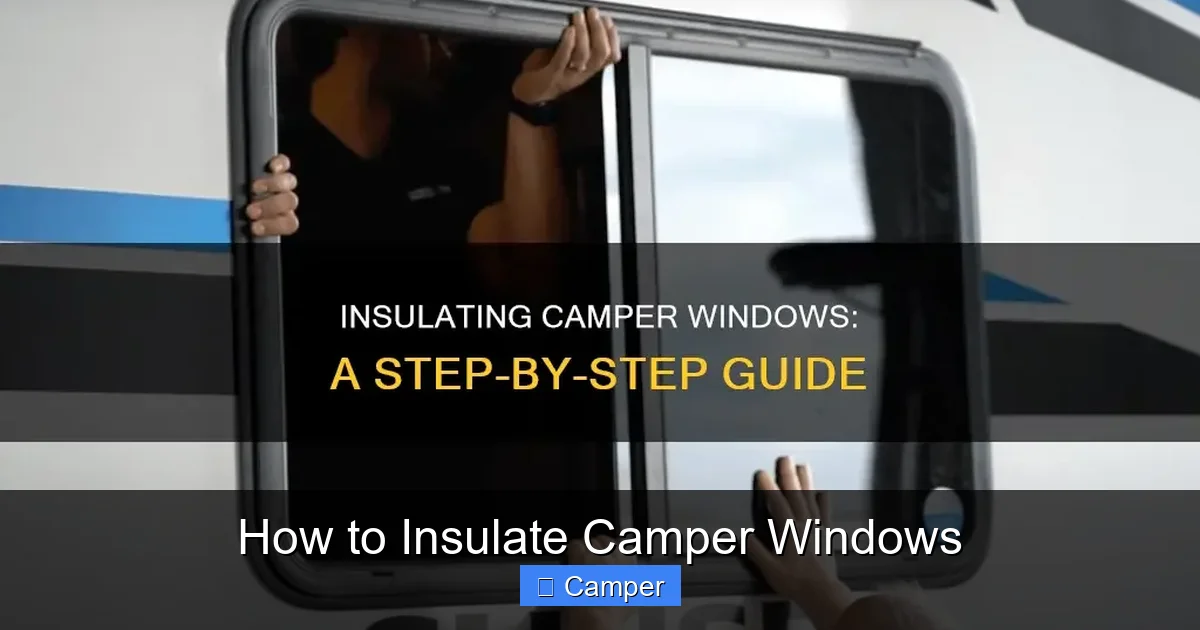
Visual guide about How to Insulate Camper Windows
Image source: shunauto.com
When it comes to insulating camper windows, you have several material options—each with its own pros and cons. The best choice depends on your budget, climate, and how permanent you want the solution to be. Here are some of the most effective and popular materials used by RVers.
Reflective Window Films
Reflective films, also known as solar films, are thin, metallic-coated sheets that stick directly to the glass. They work by reflecting sunlight and infrared radiation, keeping your camper cooler in summer. Some films are designed to also retain heat in winter by reflecting interior warmth back into the room. These are great for full-time travelers who face both extreme heat and cold.
Installation is simple: clean the window, spray it with soapy water, and apply the film using a squeegee to remove air bubbles. Most films are removable and won’t damage the glass. However, they can reduce visibility at night and may not be allowed in certain campgrounds due to their mirrored appearance. Look for low-emissivity (Low-E) films, which offer better insulation without being overly reflective.
Thermal Curtains and Insulated Blinds
Thermal curtains are heavy, layered drapes designed to trap air and create a barrier between the window and the room. They’re especially effective in winter, where they can reduce heat loss by up to 25%. Many thermal curtains have a reflective backing that also helps in summer by blocking solar heat.
Insulated blinds work similarly but offer more flexibility. You can adjust the slats to control light and airflow while still maintaining insulation. Some models even have foam cores for added thermal resistance. The downside? They take up space and may not fit perfectly in smaller camper windows. Measure carefully before buying, and consider custom-made options if needed.
Foam Board Insulation
Rigid foam board, such as extruded polystyrene (XPS) or polyisocyanurate (polyiso), is a highly effective insulator with high R-values. You can cut it to fit inside your window frames and secure it with removable adhesive or Velcro. This method is ideal for winter camping or full-time living, as it provides excellent thermal protection.
One popular approach is to create removable insulation panels. Cut the foam board to size, wrap it in fabric for a finished look, and attach Velcro strips to the window frame. This allows you to easily remove the panels during the day for natural light and reinstall them at night. Just be sure the panels don’t block emergency exits or egress windows.
Window Insulation Kits
If you’re looking for a quick and easy solution, pre-made window insulation kits are a great option. These typically include shrink film that you attach to the window frame with double-sided tape and then shrink with a hair dryer to create a tight, transparent barrier. The film traps a layer of air between the glass and the film, which acts as insulation.
These kits are inexpensive, reusable, and nearly invisible once installed. They’re perfect for weekend campers or those who don’t want permanent modifications. However, they’re not as effective as foam board or thermal curtains and may need to be replaced after a few seasons.
Weatherstripping and Caulk
Sometimes the simplest solution is the best. Sealing air leaks around your windows with weatherstripping or silicone caulk can make a big difference in comfort and efficiency. Self-adhesive foam tape is easy to apply and comes in various thicknesses to fit different gaps. For larger cracks, use a paintable silicone caulk that remains flexible over time.
Focus on the edges of the window frame, where the glass meets the frame, and any moving parts like latches or hinges. Even a small gap can let in drafts and reduce the effectiveness of other insulation methods. This step should be done before adding any other insulation layers.
Step-by-Step Guide to Insulating Your Camper Windows
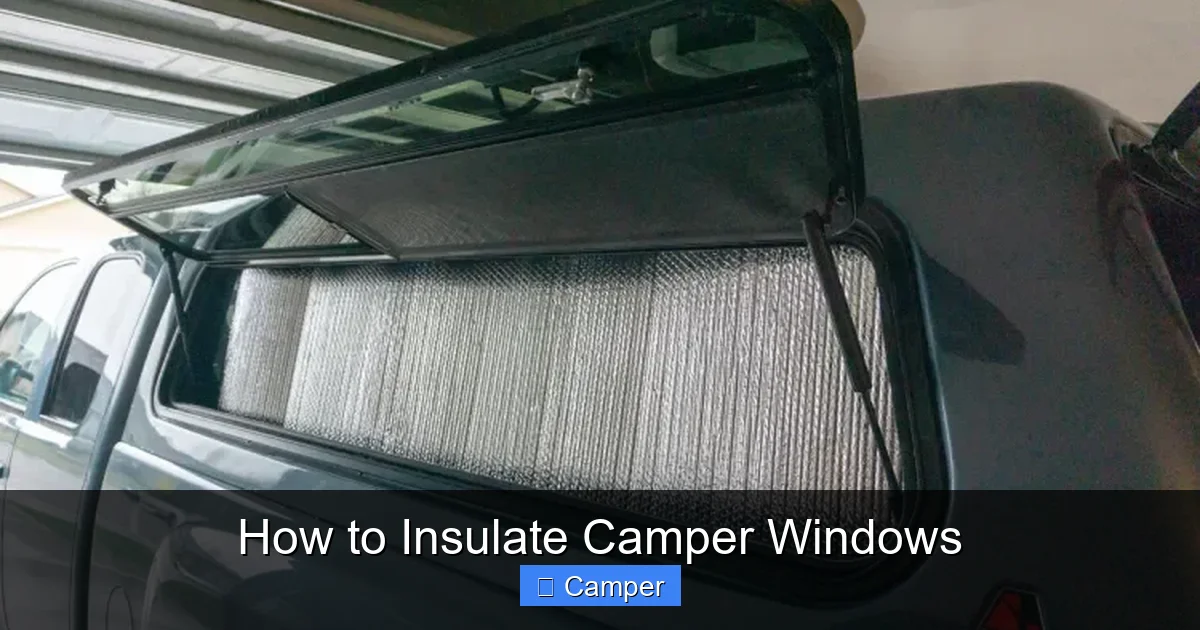
Visual guide about How to Insulate Camper Windows
Image source: i0.wp.com
Now that you know the materials, let’s walk through a practical, step-by-step process to insulate your camper windows. This guide assumes you’re starting with standard single-pane windows and want a balance of effectiveness, affordability, and ease of use.
Step 1: Assess Your Windows
Begin by inspecting each window. Note the size, type (fixed, sliding, awning), and condition of the frame and glass. Look for cracks, gaps, or loose seals. Take measurements so you can purchase the right amount of materials. If you have curved or oddly shaped windows, consider flexible options like foam tape or custom-cut foam board.
Step 2: Clean the Windows Thoroughly
Before applying any insulation, clean the glass and frame with glass cleaner and a lint-free cloth. Remove dust, grease, and old adhesive residue. A clean surface ensures better adhesion for films, tapes, and curtains.
Step 3: Seal Air Leaks
Use weatherstripping or caulk to seal any gaps around the window frame. Apply foam tape to the edges where the window meets the wall, and use silicone caulk for stationary parts. This step is crucial—even the best insulation won’t work if cold air is sneaking in through cracks.
Step 4: Apply Reflective Film (Optional)
If you’re using reflective film, follow the manufacturer’s instructions. Spray the window with a mixture of water and a few drops of dish soap, then apply the film. Use a squeegee to smooth out bubbles and trim excess material with a utility knife. Let it dry completely before moving on.
Step 5: Install Thermal Curtains or Blinds
Mount curtain rods or blind brackets above the window. Hang thermal curtains or install insulated blinds, making sure they cover the entire window when closed. For maximum effect, choose curtains with a tight seal at the sides and bottom.
Step 6: Add Removable Foam Panels (Optional)
For extra insulation, create custom foam panels. Cut rigid foam board to fit inside the window frame, leaving a small gap for easy removal. Wrap the panels in fabric and attach Velcro strips to the frame and panel edges. Install at night or during cold weather, and remove during the day for light and views.
Step 7: Test and Adjust
After installation, spend a night in your camper to test the results. Check for drafts, condensation, and temperature changes. Make adjustments as needed—maybe add thicker curtains, reinforce seals, or add a second layer of film.
Tips for Maximizing Efficiency
Insulating your camper windows is just the beginning. To get the most out of your efforts, follow these practical tips to enhance comfort and energy efficiency.
Use Window Coverings Strategically
Open curtains and blinds during sunny winter days to let in free solar heat, then close them at night to trap warmth. In summer, keep them closed during peak sun hours to block heat. Consider using light-colored or reflective coverings to maximize solar gain in winter and minimize it in summer.
Ventilate Properly
Even with insulation, you need airflow to prevent moisture buildup. Use roof vents or crack a window slightly to allow humid air to escape. This is especially important after cooking, showering, or drying clothes inside. Consider installing a vent fan with a rain sensor for automatic operation.
Combine Multiple Methods
For the best results, layer your insulation. For example, use weatherstripping to seal gaps, add reflective film to the glass, hang thermal curtains, and install removable foam panels. Each layer adds protection and improves overall performance.
Maintain Your Insulation
Check your insulation regularly for damage, wear, or mold. Clean curtains and films as needed, and replace weatherstripping if it becomes brittle or loses adhesion. Store removable panels in a dry place when not in use.
Consider Your Travel Style
Weekend campers may only need temporary solutions like shrink film or curtains, while full-time RVers might invest in permanent upgrades like foam panels or upgraded windows. Match your insulation strategy to how often and where you travel.
Common Mistakes to Avoid
Even with the best intentions, it’s easy to make mistakes when insulating camper windows. Here are some common pitfalls and how to avoid them.
Blocking Emergency Exits
Never install permanent insulation over egress windows—those required for emergency escape. Always ensure you can open and exit through these windows quickly. Use removable panels or curtains that can be opened in seconds.
Over-Insulating Without Ventilation
While insulation is important, trapping too much moisture can lead to mold and mildew. Always maintain proper ventilation, especially in humid climates or during activities that generate moisture.
Ignoring Window Frames
Don’t focus only on the glass. The frame and surrounding wall area can also lose heat. Seal gaps and consider insulating the wall cavity near the window if accessible.
Using the Wrong Materials
Avoid materials that degrade in sunlight, absorb moisture, or emit fumes. Stick to RV-safe, non-toxic options designed for enclosed spaces.
Skipping the Basics
Don’t jump straight to high-tech solutions without first sealing air leaks. A well-sealed window with basic insulation will outperform a leaky one with fancy films.
Conclusion
Insulating your camper windows is one of the most impactful upgrades you can make for comfort, efficiency, and durability. Whether you’re braving winter storms or summer heatwaves, proper insulation keeps your interior climate stable and reduces strain on your systems. With a range of affordable, DIY-friendly options—from reflective films to thermal curtains to foam panels—there’s a solution for every budget and travel style.
Start by assessing your windows, sealing air leaks, and choosing the right materials for your needs. Combine methods for maximum effect, and don’t forget the importance of ventilation. With a little effort, you can transform your camper into a cozy, energy-efficient home on wheels—no matter where the road takes you.
Frequently Asked Questions
Can I insulate camper windows without making permanent changes?
Yes! Many insulation methods, like thermal curtains, shrink film kits, and removable foam panels, are completely reversible. These are ideal if you rent your camper or prefer not to modify it permanently.
Will insulating windows reduce condensation?
Absolutely. Insulation reduces the temperature difference between the inside and outside of the window, which minimizes condensation. Sealing air leaks also helps prevent moisture from entering the space.
Are reflective window films safe for nighttime use?
Most reflective films reduce visibility at night, which can be a safety concern. Consider using them only on windows you don’t need to see out of after dark, or choose low-reflectivity options.
How much does it cost to insulate camper windows?
Basic solutions like weatherstripping and shrink film cost under $20 per window. Thermal curtains and foam panels range from $30 to $100 per window, depending on size and quality.
Can I use regular home insulation in my camper?
It’s not recommended. Home insulation materials may contain fiberglass or chemicals that aren’t safe in enclosed spaces. Always use RV-specific or non-toxic materials designed for small, ventilated areas.
Do insulated windows affect Wi-Fi or cell signal?
Some reflective films and metallic coatings can slightly reduce signal strength. If you rely on strong connectivity, test your signal after installation or choose non-metallic insulation options.