
How to Get Throw Up Smell Out of Car Seat Fabrics and Leather

Few things ruin a morning commute faster than opening your car door to the lingering, sharp scent of car sickness. Whether a child, a pet, or an unlucky passenger fell ill, stomach contents seep quickly into seat foam, fibers, and crevices. If you are wondering how to get throw up smell out of car seat materials, you are likely dealing with an odor that seems immune to standard air fresheners.
Ignoring this problem will only make it worse, especially as heat trapped inside a parked vehicle bakes organic residue deeper into the upholstery. Moisture combined with organic waste creates a breeding ground for bacteria, turning a temporary mess into a permanent nose-wrinkle.
Tackling this effectively requires acting fast, neutralizing stomach acids, and breaking down protein-based residues rather than just masking them. This guide will walk you through safe, step-by-step cleaning methods, necessary supplies, and when it is time to call a professional detailing service.
Quick Answer
To get throw up smell out of a car seat, remove solid debris immediately, blot excess moisture, and apply a 50/50 mixture of white vinegar and water to neutralize acid. Follow up by scrubbing gently with dish soap and warm water, or use an enzymatic cleaner to break down organic proteins completely.
Why Standard Air Fresheners Fail Against Organic Odors
Hanging a pine-scented tree or spraying aerosol perfume over a stained car seat never solves the root problem. Vomit contains stomach acid, partially digested food, and bacteria. When these elements soak into foam cushions, masking the smell with fragrance only creates a confusing, sickening hybrid odor.
According to consumer health and safety guidelines from regulatory agencies like the U.S. Environmental Protection Agency, managing indoor air quality and vehicle hygiene requires eliminating biological sources rather than covering them up with chemical masking agents.
To achieve permanent removal, you must target the chemical composition of the mess:
- Stomach Acids: Must be neutralized to stop chemical breakdown of fabric fibers.
- Proteins and Fats: Require enzymatic action to dissolve completely.
- Moisture: Must be extracted fully from deep within the seat foam to prevent mold.
Essential Supplies You Will Need
Before starting your interior cleanup, gather the right tools. Using improper household cleaners can bleach upholstery, ruin leather grain, or push moisture further down into the seat frame.
- Heavy-duty rubber gloves and a protective mask
- Paper towels or old microfiber cloths for blotting
- White vinegar and distilled water
- Baking soda (a natural odor absorber)
- Dish soap (mild, clear formula)
- Enzymatic pet cleaner or an automotive interior upholstery shampoo
- A soft-bristled scrub brush
- A wet/dry shop vacuum (optional, but highly effective for foam extraction)
Step-by-Step Cleaning Guide for Fabric Car Seats
Fabric seats absorb liquids like a sponge. If the incident happened recently, your priority is extracting as much liquid as possible before applying cleaning solutions.
Step 1: Remove Solid Debris and Blot Liquid
Put on your gloves and use paper towels to scoop up any solid material carefully. Do not rub or smear the mess deeper into the weave. Instead, gently press down to lift away moisture.
Step 2: Neutralize the Acid with Vinegar
Mix equal parts white vinegar and warm water in a spray bottle. Mist the affected area lightly—do not soak the seat completely. Vinegar neutralizes the sour stomach acids responsible for the sharp, lingering odor. Let it sit for five to ten minutes, then blot dry with a clean microfiber cloth.
Step 3: Apply an Enzymatic Cleaner or Soap Solution
For deep-seated smells, spray an enzymatic cleaner designed to break down organic waste. Alternatively, mix a few drops of dish soap with warm water. Work the solution into a light lather using a soft-bristled brush, moving in circular motions to lift trapped particles from the fibers.
Step 4: Extract and Rinse
Dampen a clean cloth with plain water and wipe away the soapy residue. If you have a wet/dry vacuum, use the upholstery attachment to suck out the dirty moisture from deep inside the foam cushion.
Step 5: Deodorize with Baking Soda
Once the seat is completely dry to the touch, sprinkle a generous layer of baking soda across the entire cushion. Let it sit overnight (or for at least six hours) to draw out any remaining microscopic odor molecules. Vacuum thoroughly the next day.
Adjusting Your Approach for Leather and Vinyl Seats
Leather requires a gentler touch than cloth. The protein structure of genuine leather can dry out, crack, or stain if treated with harsh chemical solvents or left saturated with moisture.
- Skip the vinegar soak: Acidic solutions can strip natural leather finishes. Use a specialized leather cleaner instead.
- Wipe gently: Use a soft microfiber cloth rather than a stiff brush to avoid scratching the surface grain.
- Condition afterward: Once the area is clean and completely dry, apply a quality leather conditioner to restore lost oils and protect the material from future staining.
Common Mistakes Car Owners Should Avoid
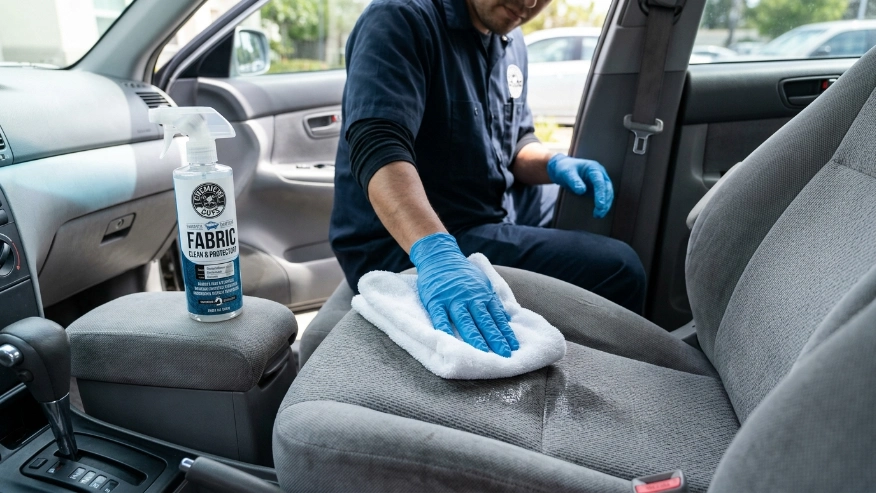
When trying to fix a foul car interior in a rush, it is easy to make mistakes that permanent damage upholstery or lock odors in place. Avoid these common pitfalls:
- Using hot water: Heat cooks protein-based stains (like dairy or stomach contents) directly into fabric fibers, making the odor nearly impossible to remove. Always use cool or lukewarm water.
- Soaking the seat completely: Pouring gallons of water onto a seat pushes liquid down into electronic seat sensors, heating elements, and thick foam that cannot dry naturally, leading to mold.
- Skipping the drying phase: Rolling up the windows on a damp car creates a greenhouse effect that accelerates bacterial growth and mold spores.
- Using chlorine bleach: Bleach destroys fabric colors, weakens stitching, and creates toxic fumes when mixed with leftover cleaning residues.
When to Call a Professional Mechanic or Detailer
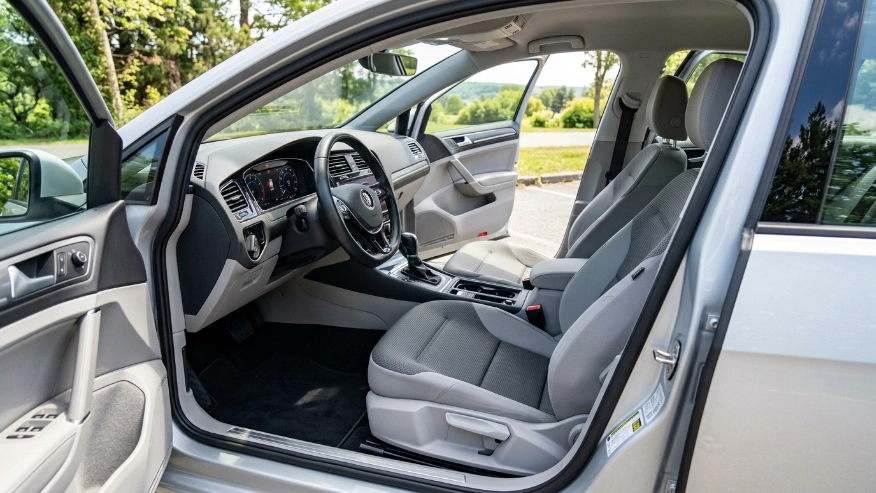
Sometimes a DIY approach is simply not enough. If the vomit soaked past the seat cover directly into the electronic wiring harness, seat belt mechanism, or deep-density floor foam, surface cleaning will fail.
Consider hiring a professional auto detailer or visiting a service shop if:
- The odor persists strongly after two complete deep-cleaning attempts.
- The vomit entered the mechanical track mechanism of power-adjustable seats.
- Mold has begun to grow due to trapped moisture in the under-padding.
- The vehicle lease is ending, and professional certification of odor removal is required.
Professional detailers utilize commercial ozone generators and hot-water extraction steam machines that penetrate deeper than consumer tools. For guidance on vehicle safety systems and interior component maintenance, reference consumer resources provided by the National Highway Traffic Safety Administration.
Expert Tip
Expert Tip: Always keep a portable emergency kit in your trunk containing a roll of paper towels, a small pack of enzymatic wipes, a trash bag, and a small shaker bottle of baking soda. Acting within the first ten minutes prevents stomach acids from penetrating deep seat foam and cuts cleaning time in half.
FAQs
Can I use laundry detergent to clean throw up out of my car seat?
Yes, you can use a small amount of liquid laundry detergent mixed with warm water, but use it sparingly. Too much soap creates heavy suds that are difficult to rinse out of fabric, leaving a sticky residue that attracts dirt over time.
Why does the smell come back when the car gets hot?
If odor returns on warm days, it means organic residue and moisture are still trapped deep inside the seat foam cushion. Surface cleaning only cleared the top layer, requiring an enzymatic cleaner or hot-water extractor to fix the root cause.
Will Febreze completely get rid of vomit smell?
No. Febreze temporarily traps and masks odor molecules with perfume, but it does not kill bacteria or dissolve stomach acids. Without cleaning the organic matter away first, the smell will return once the fragrance wears off.
Is vinegar safe to use on all car seat materials?
White vinegar is safe and effective for synthetic and cloth upholstery. However, you should avoid using vinegar or acidic DIY mixtures on genuine leather seats, as it can degrade the protective top coat and dry out the hide.
How long does it take for a car seat to dry completely after deep cleaning?
Depending on humidity and airflow, a car seat can take anywhere from 4 to 12 hours to dry completely. Leaving your windows cracked slightly (weather permitting) or pointing a household fan into the vehicle speeds up evaporation significantly.
Conclusion
Dealing with car sickness is unpleasant, but knowing how to get throw up smell out of car seat materials saves you from long-term driving discomfort and expensive professional bills. By prioritizing immediate blotting, neutralizing stomach acids with vinegar, and breaking down proteins with enzymatic solutions, you can restore a fresh, clean cabin environment.
Take action quickly, avoid the temptation to just mask the odor with air fresheners, and make sure your seats dry completely to prevent mold. Equip your car with a small clean-up kit today so you are always prepared for unexpected road surprises.
