
How to Get Pee Smell Out of Leather Car Seat: Complete Guide

Few things are more stressful than dealing with an unexpected accident in your vehicle, especially when it involves your car’s expensive interior. Whether it was a nervous pet on the way to the vet or a toddler’s potty-training mishap, figuring out how to get pee smell out of leather car seat material can feel overwhelming. Leather is porous, meaning it quickly absorbs liquids and traps unpleasant odors deep beneath the surface.
Ignoring the spill or using the wrong household cleaners can permanently strip the dye, crack the material, or leave a lingering smell every time your car gets warm. The good news is that you do not have to live with the odor or immediately spend hundreds of dollars on a professional detailer. With the right enzyme-based cleaners and a bit of patience, you can safely neutralize the stain and protect your investment. This guide will walk you through the exact process to permanently remove urine odors while keeping your car seats in pristine condition.
Quick Answer
To get pee smell out of a leather car seat, immediately blot the area with paper towels to absorb excess liquid. Next, spray an enzyme-based odor remover directly onto the stain. Let the enzymes sit for 10 to 15 minutes to break down the uric acid crystals. Wipe the seat clean with a damp microfiber cloth, dry the area, and apply a quality leather conditioner to restore the material’s moisture.
Why Urine Odors Are So Hard to Remove from Leather
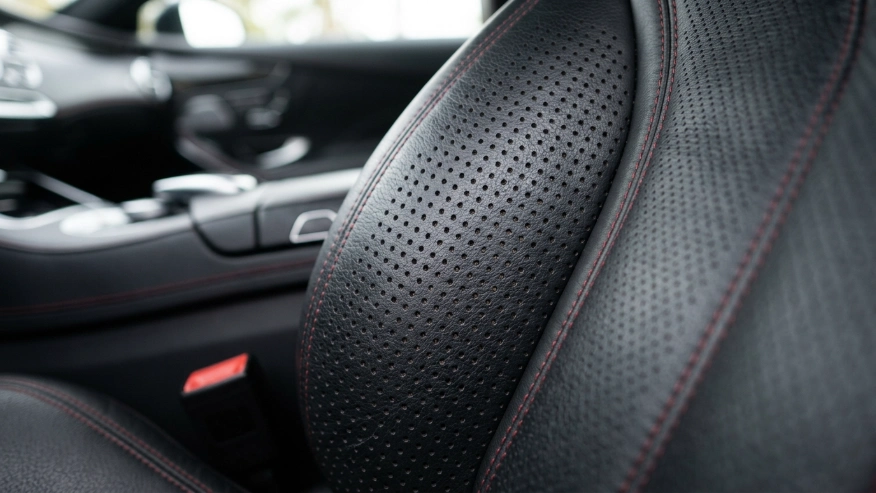
Understanding why urine smells so bad is the first step to eliminating it. Urine contains uric acid, a chemical compound that does not easily break down with traditional soap and water.
When liquid hits a leather car seat, it seeps into the microscopic pores of the hide and the stitching. As the moisture evaporates, the uric acid crystallizes and remains trapped inside the seat cushion. Every time the interior of your car heats up in the sun, these crystals release that distinct, sharp ammonia smell. Because standard multi-purpose cleaners only mask the odor temporarily, the smell will always return unless you use a product specifically designed to break down uric acid chemically.
Step-by-Step Guide to Removing the Smell
If you act quickly and use the right tools, you can save your seat from permanent damage. Follow these steps carefully to neutralize the odor.
Step 1: Blot the Spill Immediately
If the accident just happened, your first priority is removing as much liquid as possible before it soaks deeply into the seat foam.
- Grab a stack of dry paper towels or a clean, highly absorbent microfiber cloth.
- Press down firmly on the wet spot to soak up the moisture.
- Do not rub or scrub the area. Rubbing pushes the liquid deeper into the leather pores and spreads the stain wider.
If the spill started in a child’s booster seat, be sure to clean that separately. According to the NHTSA child passenger safety guidelines, you should never soak car seat harness straps in harsh chemicals, as this can severely weaken the safety webbing.
Step 2: Apply an Enzyme-Based Cleaner
You must use an enzymatic cleaner to permanently destroy the smell. Enzymes are biological molecules that literally eat the proteins and uric acid crystals left behind by urine.
Spray a generous amount of an automotive-safe enzyme cleaner over the affected area. Make sure to spray the seams and stitching, as liquid tends to pool in these crevices. Let the cleaner sit on the leather for 10 to 15 minutes. This dwell time is critical; the enzymes need time to break down the odor-causing bacteria.
To ensure you are using products that are safe for your family and the environment, you can check the EPA’s Safer Choice program database for certified, non-toxic enzymatic cleaning formulas.
Step 3: Wipe Down and Dry the Area
After the enzymes have done their job, take a clean, slightly damp microfiber cloth and wipe away the cleaner residue.
Once the seat is wiped down, use a dry towel to remove any remaining surface moisture. Leave your car doors or windows open for a few hours. Good airflow allows the seat to dry completely and helps carry the neutralized odors out of the cabin.
Step 4: Apply a High-Quality Leather Conditioner
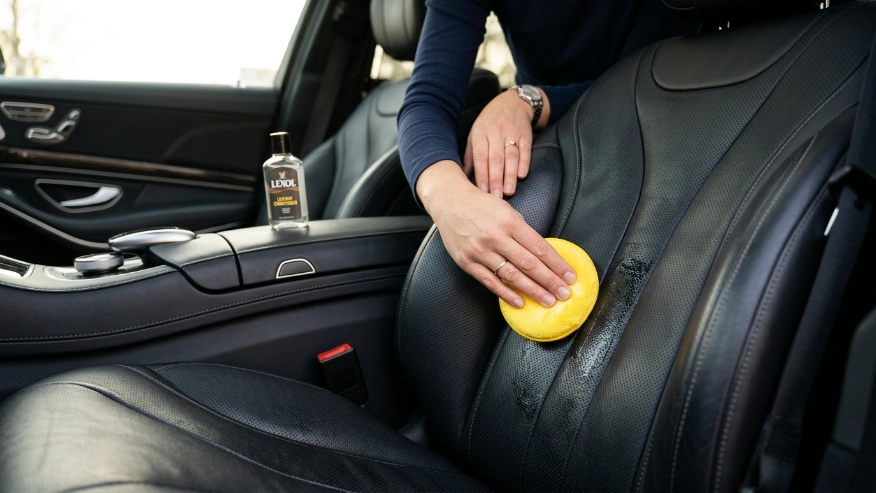
Cleaning leather strips away its natural oils. If you skip this final step, your car seat will eventually dry out, become brittle, and crack.
Apply a premium automotive leather conditioner to a clean microfiber pad. Gently massage the conditioner into the seat using circular motions. Let it absorb for a few minutes, then buff away any excess with a dry cloth. This restores the leather’s soft texture and adds a protective barrier against future spills.
Common Mistakes Car Owners Should Avoid
When trying to get rid of a foul smell quickly, many car owners panic and reach for the wrong household products. Avoid these common mistakes:
- Using Bleach or Ammonia: These harsh chemicals will permanently strip the color from your leather and dry it out instantly. Urine already contains ammonia, so adding more will only make the smell worse.
- Using a Hairdryer to Dry the Seat: Heat bakes the urine smell permanently into the leather and can cause the material to shrink or crack. Always let the seat air dry naturally.
- Scrubbing with Hard Brushes: Stiff bristles will scratch the clear protective coating on modern automotive leather.
- Using Too Much Water: Soaking the seat with water will push the uric acid deeper into the internal foam cushion, making the odor impossible to reach without dismantling the seat.
Expert Tip:
Always test any new leather cleaner or conditioner on a small, hidden area of the car seat first (like the lower side panel facing the center console). Wait 24 hours to ensure the product does not discolor or damage the leather before applying it to the center of the seat.
When to Call a Professional Mechanic or Detailer
While the DIY approach works for most surface-level accidents, there are times when the problem requires professional intervention.
If the liquid has soaked entirely through the leather and into the deep foam padding, surface cleaners will not reach the source of the odor. In this case, an auto upholstery shop or professional detailer may need to remove the seat cover and replace the contaminated foam.
Additionally, use extreme caution if your car features heated or ventilated seats. These seats contain delicate wiring, heating elements, and fans directly beneath the leather surface. Flooding a ventilated seat with liquid cleaners can short out the electrical components, leading to expensive repairs. If your heated seats stop working after a spill, you should have the system inspected to prevent electrical hazards.
DIY Cleaning vs. Professional Detailing
| Feature | DIY Enzyme Cleaning | Professional Interior Detailing |
|---|---|---|
| Average Cost | $15 – $30 | $150 – $300+ |
| Time Required | 30 – 60 minutes | 3 – 5 hours |
| Best For | Fresh spills, surface-level odors | Deep stains, odors trapped in seat foam |
| Risk to Electronics | Low (if lightly sprayed) | Low (professionals use specialized steam/extractors) |
| Convenience | Immediate action at home | Requires booking an appointment |
FAQs
Can I use baking soda to get urine smell out of leather?
Baking soda is a decent natural odor absorber, but it is highly abrasive. If you sprinkle it on leather and rub it in, it can scratch the finish. It also will not break down uric acid crystals as effectively as an enzyme cleaner.
Will white vinegar ruin my leather car seats?
A diluted mixture of white vinegar and water can help neutralize odors in a pinch, but vinegar is highly acidic. Frequent use will break down the protective coating on your leather seats and dry them out. If you use vinegar, you must follow up with a heavy leather conditioner.
How long does the enzyme cleaner take to work?
Most enzyme cleaners need at least 10 to 15 minutes of wet dwell time to successfully break down the odor-causing proteins. Some severe, older stains may require you to apply the cleaner, cover it with a damp towel to prevent it from drying out, and let it sit for a few hours.
Can a steam cleaner remove the pee smell?
Steam cleaning can sanitize the surface of the leather, but extreme heat can damage the material if not done carefully. Furthermore, steam alone does not destroy uric acid crystals. You still need an enzyme cleaner to permanently eliminate the source of the smell.
What if the smell keeps coming back when the car gets hot?
If the smell returns on hot days, it means the urine soaked completely through the leather and into the foam cushion underneath. In this scenario, surface cleaning is no longer effective. You will likely need to have a professional extract the foam or replace the affected cushion entirely.
Conclusion
Figuring out how to get pee smell out of leather car seat material doesn’t have to end in a ruined interior or an expensive trip to the detailing shop. By acting quickly, avoiding harsh household chemicals, and trusting a high-quality enzymatic cleaner, you can permanently neutralize the uric acid and eliminate the odor for good. Always remember to follow up with a rich leather conditioner to keep your seats soft, protected, and looking brand new. If you keep these simple automotive supplies on hand, you will be prepared to handle any accidental spill with confidence.
