
How to Get Grease Stain Out of Car Seat

Dealing with a stubborn grease stain on your vehicle’s interior can turn your day upside down in an instant. Whether it is a drop of fast food, a smudge from a mechanical tool, or motor oil tracked inside by clothing, learning how to get grease stain out of car seat fabric or leather is an essential DIY skill for every vehicle owner. Untreated grease spots not only ruin your interior’s aesthetic appeal, but they can also attract dirt, create lingering odors, and lower your vehicle’s resale value over time.
Fortunately, you do not need an expensive professional detailing service to tackle most common upholstery mishaps. By using the right household supplies, acting quickly, and choosing the correct cleaning technique for your specific seat material, you can lift tough oily residue safely. This comprehensive guide covers everything you need to know about breaking down greasy polymers, protecting your car’s interior finishes, and restoring your seats to a clean condition without damaging the fabric or leather.
Quick Answer
To get a grease stain out of a car seat, blot up excess oil with a clean microfiber towel, then cover the spot with baking soda or cornstarch to absorb remaining oils. Let it sit for 15 to 30 minutes before vacuuming it away. Apply a drop of grease-cutting dish soap, gently scrub with a soft-bristled brush, and wipe clean with a damp cloth.
Understanding Car Seat Materials Before You Clean
Before grabbing any cleaning product, it is critical to identify whether your car seats are made of cloth, vinyl, synthetic leather, or genuine leather. Using harsh solvents or excessive moisture on delicate materials can cause permanent fading, cracking, or water spots.
According to general consumer material guidelines outlined by the Federal Trade Commission consumer protection division, understanding the composition of your interior fabrics helps prevent accidental damage during routine maintenance.
Cloth Upholstery
Cloth seats absorb grease deeply into the foam and fibers. These require surfactant-based cleaners that can break the bond between oil and fabric without pushing the stain deeper.
Leather and Vinyl Upholstery
Leather and synthetic vinyl sit on top of the foam, meaning grease stays mostly on the surface. However, aggressive scrubbing or harsh chemical solvents can strip away factory protective coatings and dry out natural hide.
Step-by-Step Guide: How to Get Grease Stain Out of Cloth Car Seats
Cloth seats demand a methodical approach to lift oil out of woven threads. Gather a microfiber towel, cornstarch or baking soda, liquid dish soap, warm water, and a soft-bristled brush.
[Cloth Seat Cleaning Flow]
Blot Excess Oil ──> Apply Absorbent Powder ──> Vacuum ──> Apply Dish Soap Solution ──> Blot and Dry
Step 1: Blot Excess Grease
Never rub a fresh grease stain, as rubbing forces the oil deeper into the weave. Instead, press a clean, dry microfiber cloth firmly against the spot to absorb as much surface grease as possible.
Step 2: Apply an Absorbent Powder
Sprinkle a generous layer of cornstarch, baking soda, or talcum powder directly over the stain. Let the powder sit undisturbed for at least 20 to 30 minutes. The powder acts like a sponge, drawing oily residues up and away from the seat foam.
Step 3: Vacuum or Brush Away the Powder
Use a handheld car vacuum with a brush attachment to gently vacuum up the powder. You will often notice the powder has turned slightly gray or clumpy as it absorbs the grease.
Step 4: Apply Grease-Cutting Dish Soap
Mix a few drops of concentrated dish soap with a small bowl of warm water. Dip a soft-bristled brush into the soapy solution and gently agitate the stain using small circular motions. Dish soap is chemically engineered to break down grease molecules effectively.
Step 5: Blot and Rinse
Press a clean damp towel against the area to lift out the soapy residue and dissolved grease. Repeat with a dry towel and allow the seat to air dry completely before using it.
Step-by-Step Guide: How to Get Grease Stain Out of Leather Car Seats
Leather requires a gentler touch. Because leather is porous, heavy moisture or harsh alcohol-based cleaners can damage the finish.
- Wipe Surface Dirt: Gently wipe the area with a dry microfiber cloth to remove loose dust.
- Apply Cornstarch: Just like with cloth, dust the grease spot with cornstarch to absorb surface oil for 15 minutes, then wipe it off softly.
- Use Leather Cleaner or Mild Soap: Apply a specialized leather cleaner or a mild solution of warm water and saddle soap to a soft cloth. Avoid soaking the leather.
- Buff Gently: Work in gentle circles over the stain. Avoid aggressive scrubbing.
- Condition the Area: Once clean and dry, apply a quality leather conditioner to restore natural oils and prevent cracking.
Choosing the Right Cleaning Products
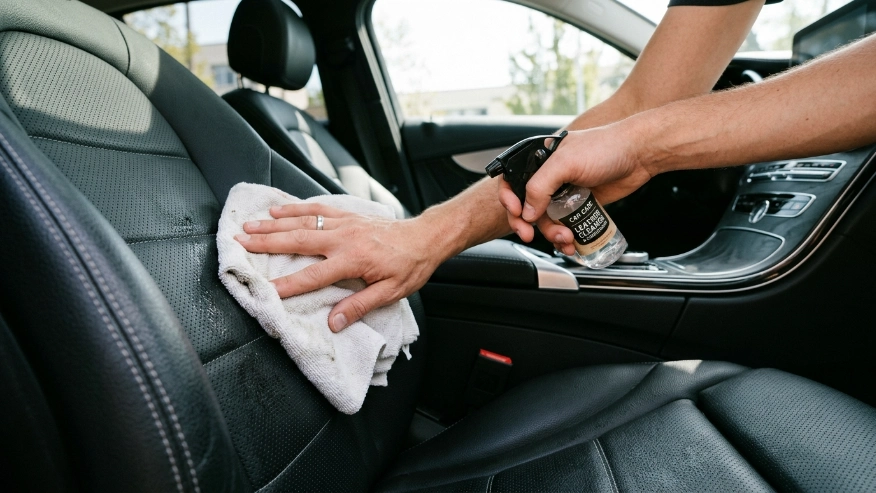
When shopping for interior cleaning supplies, balancing cost, safety, and effectiveness is key. Using household items often yields better results than harsh commercial chemicals that can degrade your car’s interior materials.
| Cleaning Method | Best Used For | Safety Level | Estimated Cost |
|---|---|---|---|
| Baking Soda / Cornstarch | Fresh oil and grease spots | High (Safe for all materials) | Under $2 |
| Dish Soap & Water | Stubborn cloth stains | High (Use sparingly on leather) | Under $3 |
| Commercial Upholstery Foam | General fabric deep cleaning | Medium (Test hidden area first) | $6 – $12 |
| Leather Cleaner & Conditioner | Genuine leather seats | High (Designed specifically for hide) | $15 – $25 |
Common Mistakes Car Owners Should Avoid
- Rubbing instead of blotting: Aggressive rubbing pushes oil molecules deeper into fabric threads and expands the stain boundary.
- Using hot water on oily messes: Hot water can actually set certain types of grease or protein-based oils permanently into fabric fibers. Always use cool or lukewarm water.
- Over-wetting the seats: Soaking cloth seats allows water and dissolved grease to seep down into the seat cushion foam, causing mold, mildew, and foul odors.
- Skipping the spot test: Always test any commercial cleaner or solvent on a hidden part of the seat (like the lower side skirt) to ensure it does not discolor the material.
When to Call a Professional Mechanic or Detailer
While DIY methods work wonders for surface mishaps, certain situations require professional intervention. Consider hiring an auto detailing professional or visiting a certified repair shop if:
- The grease stain covers a massive portion of the seat or has soaked deep into internal heating elements.
- The seat material is perforated, and moisture has compromised electronic seat ventilation or heating sensors.
- Previous attempts using commercial solvents resulted in chemical discoloration or ring marks.
Expert Tip:
Never use acetone, nail polish remover, or gasoline to clean car seats, as these harsh chemicals can melt synthetic fibers, destroy vinyl coatings, and create dangerous toxic fumes inside a closed vehicle cabin.
FAQs
Can I use laundry detergent to remove grease from car seats?
Yes, liquid laundry detergent contains powerful enzymes and surfactants designed to break down grease and oils. Mix a few drops with water, dab it onto the stain, blot gently, and rinse thoroughly with a clean damp cloth to avoid leaving soapy residue.
Will WD-40 remove an old grease stain?
Oddly enough, applying a small amount of WD-40 can sometimes help break down older, dried-out grease or tar stains by dissolving the hardened oils. However, you must immediately follow up with dish soap and water to wash away the WD-40 residue, otherwise it will leave an oily film.
How do I get motor oil out of perforated leather seats?
Perforated leather requires extreme caution because liquid can pool inside the small ventilation holes. Use a dry absorbent powder first, and apply any liquid cleaner sparingly to a cloth rather than spraying it directly onto the seat surface.
Does steam cleaning remove deep grease stains?
Steam cleaning is highly effective for loosening grease because high heat liquefies trapped oils. However, be careful not to hold the steamer in one spot for too long on synthetic fabrics, as excessive heat can melt delicate seat materials.
Can magic erasers be used on car seats?
Magic erasers (melamine foam) act like extremely fine sandpaper. While they work well on hard plastics, you should avoid using them on leather or dyed cloth seats because they can strip away the protective topcoat and color.
Conclusion
Tackling a grease stain on your vehicle’s seating does not have to be an expensive or stressful chore. By understanding your seat material, acting quickly with absorbent powders, and using mild grease-cutting agents like dish soap, you can restore your interior safely at home. Taking a methodical approach prevents fabric damage and saves you money on unnecessary professional detailing bills. Keeping your vehicle clean protects your investment and ensures a comfortable driving experience every day. Take action today, gather your supplies, and make your car seats look fresh and clean again.
