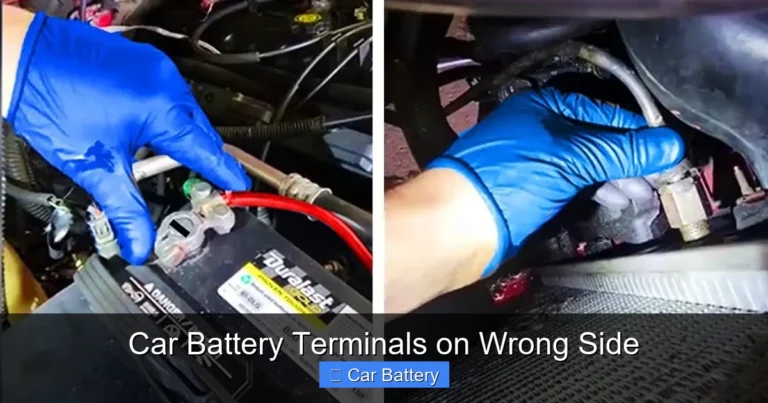
How to Get Corrosion Off Car Battery
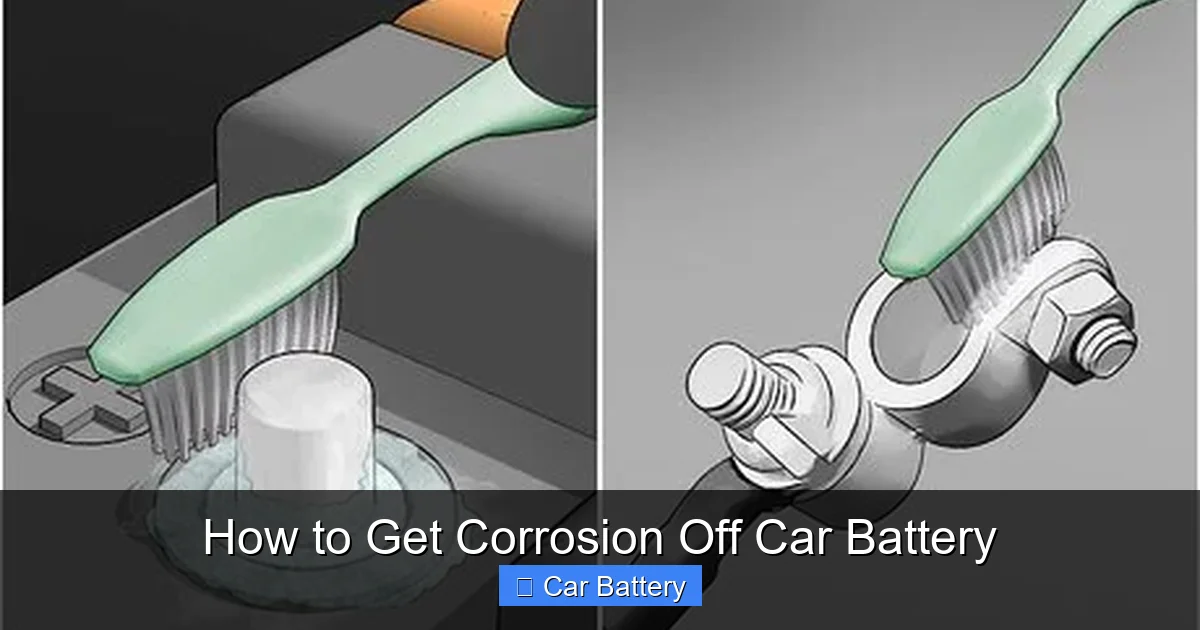
Corrosion on a car battery can disrupt electrical connections and shorten battery life, but it’s easy to clean with simple household items. A mixture of baking soda and water neutralizes the acidic buildup, while a wire brush scrubs away residue safely. Always wear gloves and eye protection, disconnect the battery cables (negative first), and rinse thoroughly to ensure a secure, long-lasting connection.
In This Article
- 1 Key Takeaways
- 2 📑 Table of Contents
- 3 How to Get Corrosion Off Car Battery
- 4 What Is Battery Corrosion and Why Does It Happen?
- 5 Tools and Materials You’ll Need
- 6 Step-by-Step Guide to Cleaning Battery Corrosion
- 6.1 Step 1: Turn Off the Engine and Open the Hood
- 6.2 Step 2: Identify the Battery Terminals
- 6.3 Step 3: Disconnect the Battery (Important!)
- 6.4 Step 4: Mix Your Cleaning Solution
- 6.5 Step 5: Apply the Solution and Scrub
- 6.6 Step 6: Rinse and Dry
- 6.7 Step 7: Reconnect the Battery
- 6.8 Step 8: Apply a Protective Coating
- 6.9 Step 9: Test Your Battery
- 7 Preventing Battery Corrosion in the Future
- 8 When to Call a Professional
- 9 Common Mistakes to Avoid
- 10 Battery Corrosion Cleaning: Quick Reference Table
- 11 Final Thoughts: Keep Your Battery Clean and Your Car Running
- 12 Frequently Asked Questions
- 12.1 How do I safely remove corrosion from a car battery?
- 12.2 What causes corrosion on car battery terminals?
- 12.3 Can I use vinegar to clean battery corrosion?
- 12.4 How do I prevent corrosion after cleaning the battery?
- 12.5 Is it safe to clean battery corrosion without disconnecting the battery?
- 12.6 What tools do I need to clean corrosion off a car battery?
Key Takeaways
- Disconnect the battery safely before cleaning to avoid short circuits or injury.
- Use a baking soda solution to neutralize acidic corrosion effectively.
- Scrub gently with a wire brush to remove buildup without damaging terminals.
- Rinse with water and dry thoroughly to prevent further corrosion.
- Apply terminal protector spray to reduce future corrosion risk.
- Wear safety gear like gloves and goggles to protect against chemicals.
📑 Table of Contents
- How to Get Corrosion Off Car Battery
- What Is Battery Corrosion and Why Does It Happen?
- Tools and Materials You’ll Need
- Step-by-Step Guide to Cleaning Battery Corrosion
- Preventing Battery Corrosion in the Future
- When to Call a Professional
- Common Mistakes to Avoid
- Battery Corrosion Cleaning: Quick Reference Table
- Final Thoughts: Keep Your Battery Clean and Your Car Running
How to Get Corrosion Off Car Battery
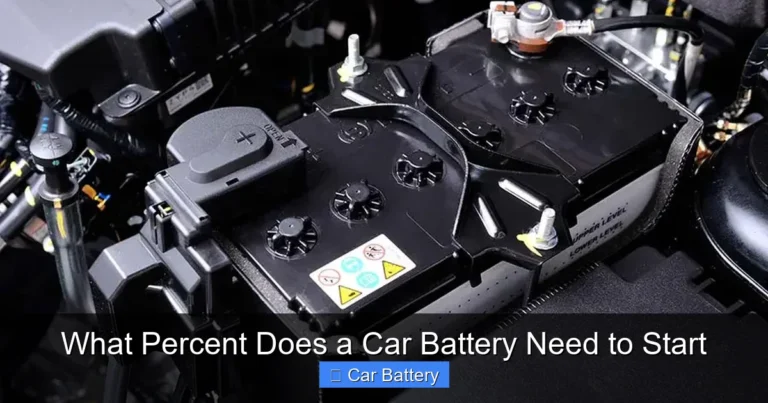
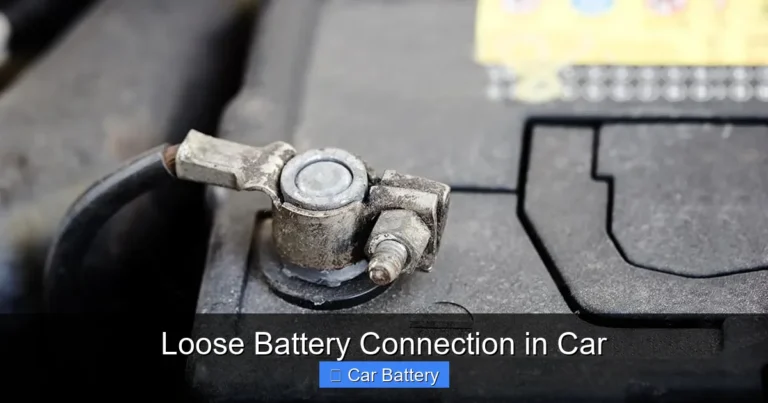
There’s nothing quite as frustrating as turning the key in your ignition and hearing that dreaded clicking sound—only to realize your car won’t start. More often than not, the culprit isn’t a dead battery itself, but something far sneakier: corrosion. If you’ve ever popped open your hood and noticed a chalky, blue-green or white crust around the battery terminals, you’ve seen battery corrosion firsthand. It looks harmless, maybe even a little like snow, but don’t be fooled. That flaky buildup can quietly sabotage your car’s electrical system, leading to poor connections, hard starts, and even complete failure to start.
I remember the first time I saw it on my own car. I was rushing to get to work, and my engine sputtered to life after a long, anxious crank. When I checked under the hood later, I spotted that strange powdery residue caked around the positive terminal. At first, I thought it was just dirt or maybe some kind of sealant that had dried up. But after a quick search, I learned the truth: it was corrosion caused by battery acid leaking and reacting with the metal terminals. That moment sparked a journey into understanding not just how to clean it, but how to prevent it from coming back. And trust me—once you know how to handle it, it’s not as scary as it looks.
What Is Battery Corrosion and Why Does It Happen?
Battery corrosion is a chemical reaction that occurs when gases—mainly hydrogen and sulfur compounds—escape from your car battery and react with the metal terminals, usually made of lead or copper. Over time, this reaction forms a crusty, powdery substance that can be white, blue, green, or even yellowish in color. While it might seem like a minor cosmetic issue, corrosion is actually a sign that your battery is venting gases, which can indicate overcharging, a damaged case, or simply the natural aging process of the battery.
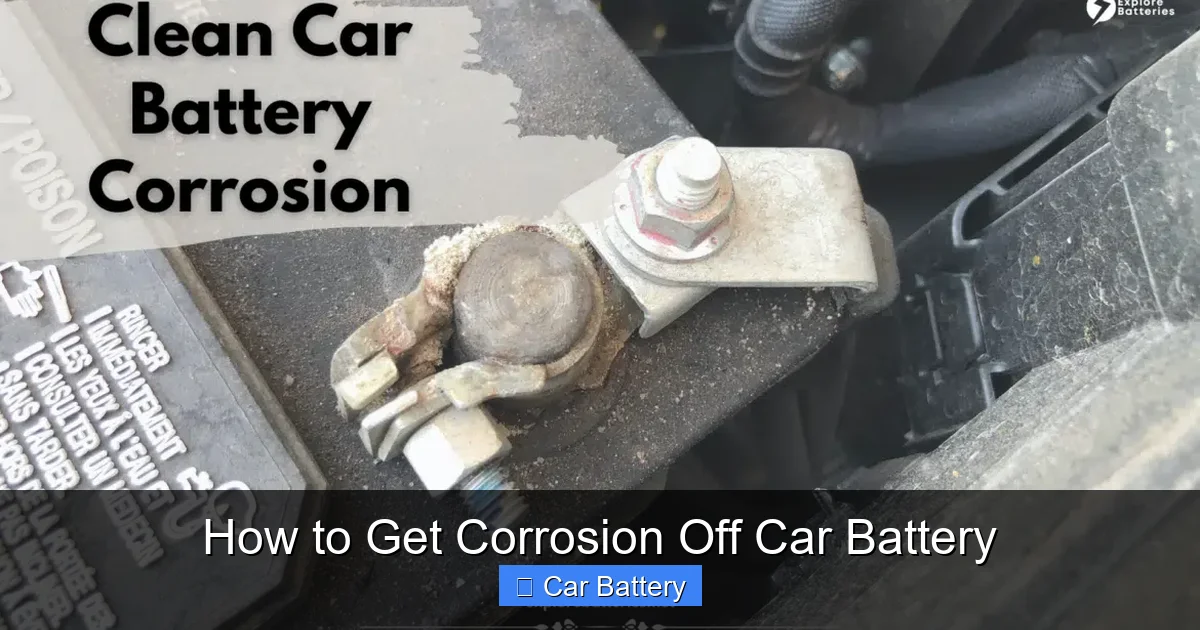
Visual guide about How to Get Corrosion Off Car Battery
Image source: explorebatteries.net
Common Causes of Battery Corrosion
Understanding why corrosion forms is the first step in preventing it. Here are the most common culprits:
- Overcharging: If your alternator is malfunctioning and sending too much voltage to the battery, it can cause excess gas to escape, accelerating corrosion.
- Old or Damaged Batteries: As batteries age, their seals can weaken, allowing acid or gas to leak out.
- High Temperatures: Heat increases the rate of chemical reactions, making corrosion more likely in hot climates or during summer months.
- Loose or Poor Connections: If the battery terminals aren’t tightened properly, vibrations can cause micro-movements that lead to gas leakage.
- Overfilling the Battery: If you’re using a non-sealed battery and add too much water, electrolyte can spill out and cause corrosion.
Why You Shouldn’t Ignore It
Ignoring battery corrosion isn’t just about aesthetics. That crusty buildup acts like an insulator, blocking the flow of electricity between the battery and your car’s electrical system. This can lead to:
- Difficulty starting the engine
- Dim headlights or flickering dashboard lights
- Intermittent electrical failures (like power windows or radio cutting out)
- Premature battery failure
In extreme cases, corrosion can even cause a short circuit if it spreads to other components. So while it might seem like a small issue now, it’s definitely worth addressing sooner rather than later.
Tools and Materials You’ll Need
Before you start cleaning, it’s important to gather the right tools and safety gear. You don’t need anything fancy—just a few household items and some basic precautions. Here’s what I always keep in my garage for battery maintenance:
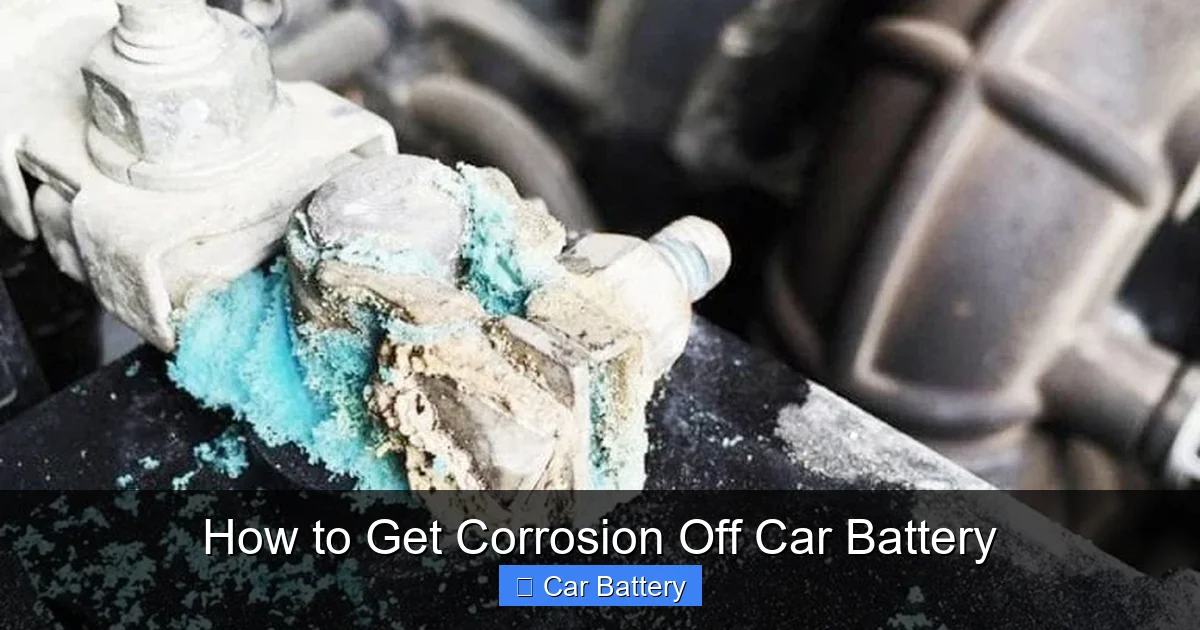
Visual guide about How to Get Corrosion Off Car Battery
Image source: carsparecare.com
Safety First: Protective Gear
- Safety goggles: Battery acid is corrosive and can cause serious eye damage. Even if you’re just dealing with corrosion, tiny particles can fly into your eyes.
- Rubber gloves: Nitrile or latex gloves protect your skin from acid and chemical residues.
- Old clothes or a work apron: You don’t want to ruin your favorite shirt with battery gunk.
Cleaning Supplies
- Baking soda: This is the secret weapon. Baking soda neutralizes battery acid and breaks down corrosion effectively.
- Water: Preferably distilled, but tap water works in a pinch.
- Wire brush or old toothbrush: For scrubbing off stubborn buildup.
- Small container or bowl: To mix your cleaning solution.
- Spray bottle (optional): Makes it easier to apply the solution.
- Rags or paper towels: For wiping and drying.
Additional Helpful Tools
- Wrench or socket set: To loosen and remove battery terminals.
- Terminal cleaner or battery post brush: A specialized tool that makes scrubbing terminals much easier.
- Petroleum jelly or battery terminal protector spray: To prevent future corrosion.
- Multimeter (optional): To check battery voltage and ensure everything is working after cleaning.
Most of these items are probably already in your home or garage. If not, you can pick them up at any auto parts store for under $20 total. The investment is well worth it—especially when you consider how much a new battery can cost.
Step-by-Step Guide to Cleaning Battery Corrosion
Now that you’re prepared, let’s get to the actual cleaning process. I’ll walk you through each step carefully, just like I do when I’m teaching a friend how to do it for the first time. Remember: safety first, take your time, and don’t rush.
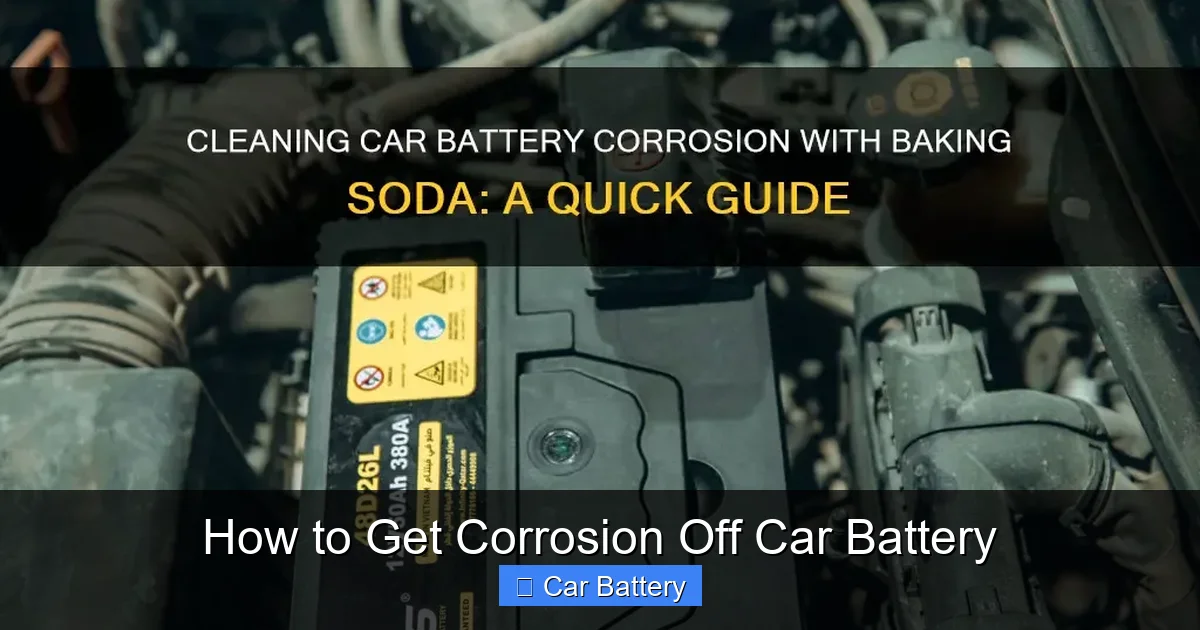
Visual guide about How to Get Corrosion Off Car Battery
Image source: cysoda.com
Step 1: Turn Off the Engine and Open the Hood
Make sure your car is completely off—no accessories running, no keys in the ignition. Pop the hood and secure it with the prop rod. Give the engine a few minutes to cool down if you’ve been driving recently. Hot engines and batteries can increase the risk of burns or accidental sparks.
Step 2: Identify the Battery Terminals
Most car batteries have two terminals: positive (+) and negative (−). The positive terminal is usually marked with a red cover or a “+” sign, while the negative is black or marked with a “−”. Corrosion tends to appear more on the positive terminal, but check both.
Step 3: Disconnect the Battery (Important!)
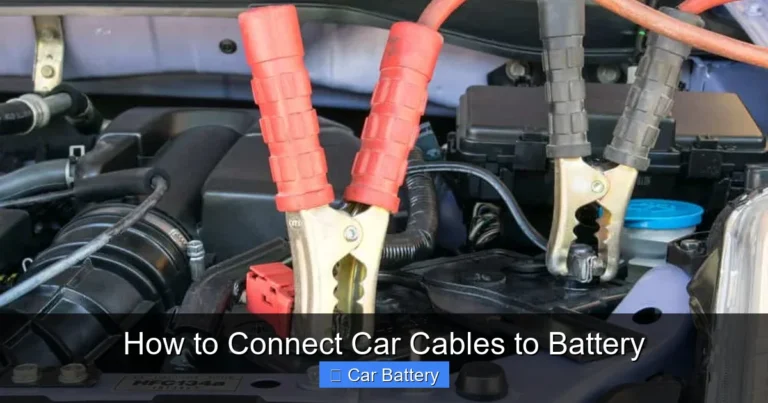
Always disconnect the negative terminal first, then the positive. This reduces the risk of short circuits. Use your wrench to loosen the nut on the negative cable, then gently wiggle it off the terminal. Repeat for the positive. Never let the wrench touch both terminals at the same time—this can cause a spark.
Pro tip: If the cables are stiff, don’t force them. A little wiggling and gentle pulling usually does the trick. If they’re really stuck, a terminal puller tool can help.
Step 4: Mix Your Cleaning Solution
In a small bowl, mix 1 tablespoon of baking soda with 1 cup of water. Stir until it’s mostly dissolved. This creates a mild alkaline solution that neutralizes the acidic corrosion. You can also use a spray bottle for easier application, especially if the corrosion is spread out.
Step 5: Apply the Solution and Scrub
Pour or spray the baking soda solution directly onto the corroded areas. You’ll likely see it fizz—that’s normal and means it’s working. Let it sit for 30 seconds to a minute, then use your wire brush or toothbrush to scrub away the corrosion. Focus on the terminals and the cable clamps.
For stubborn buildup, you can make a thicker paste by using less water. Apply it with an old toothbrush and scrub in circular motions. Be thorough but gentle—you don’t want to damage the metal.
Step 6: Rinse and Dry
Once the corrosion is gone, rinse the terminals and cables with clean water. Use a damp rag to wipe away any residue. Then, dry everything completely with a clean towel. Any leftover moisture can lead to new corrosion, so make sure it’s bone dry.
Step 7: Reconnect the Battery
Reattach the positive terminal first, then the negative. Tighten the nuts securely, but don’t over-tighten—this can strip the threads. A firm snug fit is all you need.
Step 8: Apply a Protective Coating
To help prevent future corrosion, apply a thin layer of petroleum jelly or a commercial battery terminal protector spray to the terminals. This creates a barrier that keeps moisture and gases away from the metal. Don’t overdo it—just a light coat is enough.
Step 9: Test Your Battery
Close the hood, start your car, and see how it runs. If it starts smoothly and the lights are bright, you’re good to go. For extra peace of mind, use a multimeter to check the voltage. A healthy battery should read around 12.6 volts when the car is off and 13.7–14.7 volts when the engine is running.
Preventing Battery Corrosion in the Future
Cleaning corrosion is one thing, but preventing it from coming back is even better. A little maintenance goes a long way in keeping your battery healthy and your car reliable. Here are some practical tips I’ve learned over the years:
Regular Inspections
Make it a habit to check your battery every few months—especially before summer and winter, when extreme temperatures can stress the system. Look for signs of corrosion, loose connections, or swelling in the battery case.
Keep Terminals Tight and Clean
Loose terminals can vibrate and cause micro-leaks that lead to corrosion. Use a wrench to check that both terminals are snug. If you notice any buildup, clean it early before it becomes a problem.
Use Terminal Protectors
After cleaning, always apply a protective coating. Petroleum jelly is cheap and effective, but there are also specialized sprays and felt washers designed to repel moisture and acid. These are available at most auto parts stores and are worth the small investment.
Avoid Overfilling (If Applicable)
If you have a non-sealed, maintenance-type battery, only add distilled water when necessary—and never overfill. The electrolyte should just cover the plates. Overfilling can cause spills that lead to corrosion.
Check Your Charging System
A faulty alternator can overcharge your battery, leading to excessive gas venting and corrosion. If your battery keeps corroding quickly, have your charging system checked by a mechanic. A multimeter can help you monitor voltage, but a professional diagnosis is best for complex issues.
Replace Old Batteries
Most car batteries last 3–5 years. If yours is older and you’re seeing frequent corrosion, it might be time for a replacement. A new battery with intact seals is far less likely to leak and corrode.
When to Call a Professional
While cleaning battery corrosion is a DIY-friendly task, there are times when it’s best to leave it to the experts. Here’s when you should consider calling a mechanic:
- Severe corrosion or acid leaks: If you see wet, greenish sludge or strong chemical smells, the battery may be damaged and leaking acid. This requires professional handling.
- Battery swelling or cracks: These are signs of internal damage and can be dangerous. Do not attempt to clean or reuse the battery.
- Repeated corrosion: If you clean the terminals and the problem returns within weeks, there may be an underlying issue like a bad alternator or voltage regulator.
- Lack of tools or confidence: If you’re unsure about disconnecting the battery or handling chemicals, it’s safer to get help.
Remember, your safety is more important than saving a few dollars. When in doubt, consult a professional.
Common Mistakes to Avoid
Even with the best intentions, it’s easy to make mistakes when cleaning battery corrosion. Here are some common pitfalls I’ve seen—and made myself—along the way:
Not Disconnecting the Battery
Trying to clean terminals while the battery is still connected is dangerous. You risk short-circuiting the system or causing sparks near flammable gases. Always disconnect the negative terminal first.
Using the Wrong Cleaning Agent
Avoid using vinegar, lemon juice, or other acidic cleaners. They can worsen corrosion or damage the terminals. Stick to baking soda and water—it’s safe, effective, and cheap.
Skipping Safety Gear
I get it—gloves and goggles can feel like overkill for a quick cleanup. But battery acid is no joke. One splash in the eye or on the skin can cause serious injury. Always protect yourself.
Over-Tightening Terminals
When reconnecting, don’t crank the nuts as tight as possible. Over-tightening can strip the threads or crack the battery case. Just snug is fine.
Ignoring the Root Cause
Cleaning corrosion is great, but if you don’t address why it happened—like a bad alternator or old battery—it’ll just come back. Use cleaning as a chance to inspect and maintain your entire electrical system.
Battery Corrosion Cleaning: Quick Reference Table
| Step | Action | Tip |
|---|---|---|
| 1 | Turn off engine and open hood | Let the engine cool first |
| 2 | Identify positive and negative terminals | Red = positive, black = negative |
| 3 | Disconnect negative terminal first | Prevents short circuits |
| 4 | Mix baking soda and water | 1 tbsp baking soda per 1 cup water |
| 5 | Apply solution and scrub | Use wire brush or toothbrush |
| 6 | Rinse and dry thoroughly | No moisture left behind |
| 7 | Reconnect positive terminal first | Tighten securely but don’t over-tighten |
| 8 | Apply petroleum jelly or protector spray | Prevents future corrosion |
| 9 | Test the battery and start the car | Use a multimeter if available |
Final Thoughts: Keep Your Battery Clean and Your Car Running
Dealing with battery corrosion might not be the most exciting part of car ownership, but it’s one of the most important. That chalky buildup isn’t just ugly—it’s a warning sign that your battery or electrical system needs attention. By learning how to get corrosion off car battery terminals safely and effectively, you’re not only saving money on potential repairs, but also ensuring your car starts reliably when you need it most.
From my own experience, a little prevention goes a long way. Regular checks, proper cleaning, and using protective coatings can extend your battery’s life and keep your car running smoothly. And if you ever feel unsure, don’t hesitate to ask for help. There’s no shame in calling a professional—especially when it comes to something as critical as your vehicle’s electrical system.
So the next time you pop the hood and see that suspicious white crust, don’t panic. Grab your baking soda, put on your gloves, and tackle it with confidence. You’ve got this. And your car will thank you with a strong, steady start every time.
Frequently Asked Questions
How do I safely remove corrosion from a car battery?
To safely remove corrosion, start by disconnecting the battery cables (negative first, then positive) and wearing gloves and safety goggles. Mix baking soda with water to create a paste, apply it to the corroded areas, and scrub gently with a wire brush or old toothbrush.
What causes corrosion on car battery terminals?
Corrosion occurs when hydrogen gas released from the battery acid reacts with moisture and air, forming a white, green, or bluish buildup on the terminals. This is more common in humid environments or if the battery is old or overcharged.
Can I use vinegar to clean battery corrosion?
Yes, vinegar can help dissolve light corrosion due to its mild acidity. Apply it with a brush, let it sit for a few minutes, then wipe clean. For heavier buildup, a baking soda solution is more effective and safer for the battery terminals.
How do I prevent corrosion after cleaning the battery?
After cleaning, rinse the terminals with water and dry them thoroughly. Apply a thin layer of petroleum jelly or a commercial battery terminal protector to inhibit future corrosion and ensure good electrical contact.
Is it safe to clean battery corrosion without disconnecting the battery?
It’s not recommended—always disconnect the battery (negative cable first) to avoid short circuits or sparks. Working on a live battery increases the risk of shock or accidental damage to your vehicle’s electrical system.
What tools do I need to clean corrosion off a car battery?
You’ll need safety gear (gloves and goggles), a wire brush or old toothbrush, baking soda, water, and a rag. Optional items include a battery terminal cleaner spray and dielectric grease for protection after cleaning.