How to Get a Key Made for Your Car
Getting a key made for your car doesn’t have to be stressful or expensive. Whether you’ve lost your keys, need a spare, or bought a used car without extras, this guide walks you through every option—from dealerships to locksmiths to DIY solutions—so you can get back on the road fast.
Losing your car key—or realizing you never had a spare—can feel like a minor disaster. You’re stuck outside your vehicle, late for work, or stranded in a parking lot with no way in. But here’s the good news: getting a key made for your car is more accessible and affordable than ever, thanks to advances in automotive technology and a growing network of skilled professionals who specialize in vehicle access.
Whether you’ve misplaced your only key, bought a used car that came with just one, or simply want peace of mind with a backup, this guide will walk you through every step. We’ll cover the different types of car keys, where to get them made, how much it costs, and what to expect during the process. By the end, you’ll know exactly what to do—and who to call—when you need a new car key fast.
And don’t worry—you don’t need to be a mechanic or tech expert. With the right information and a little preparation, getting a key made for your car can be straightforward, safe, and surprisingly quick.
In This Article
- 1 Key Takeaways
- 2 📑 Table of Contents
- 3 Understanding the Types of Car Keys
- 4 Where to Get a Car Key Made
- 5 How Much Does It Cost to Get a Car Key Made?
- 6 Step-by-Step: How to Get a Key Made for Your Car
- 7 Tips to Avoid Future Key Problems
- 8 When to Call a Professional Immediately
- 9 Final Thoughts
- 10 Frequently Asked Questions
Key Takeaways
- Know your car’s key type: Modern cars use transponder keys, smart keys, or proximity fobs, while older models may use simple mechanical keys—each requires a different approach.
- Dealerships offer reliability but at a cost: They can program OEM keys with full compatibility, but prices often range from $150 to $500 depending on the vehicle.
- Certified automotive locksmiths are faster and cheaper: Many mobile locksmiths come to you and can cut and program keys for 30–50% less than dealerships.
- Online key services save time but require caution: Some websites sell blank keys or programming tools, but you’ll still need professional help for programming in most cases.
- Always keep your VIN handy: Your Vehicle Identification Number is essential for verifying ownership and ensuring the correct key is made.
- Consider a spare before you need it: Having a backup key prevents emergencies and gives you peace of mind during travel or daily commutes.
- DIY programming works for some models: A few older or basic vehicles allow self-programming via ignition cycles—check your owner’s manual first.
📑 Table of Contents
Understanding the Types of Car Keys
Before you rush out to get a replacement, it’s important to understand that not all car keys are created equal. The type of key your vehicle uses determines how it’s made, programmed, and replaced. Let’s break down the most common types you’ll encounter.
Mechanical (Traditional) Keys
These are the simplest and oldest type of car keys—think of the classic metal blade that fits into the ignition and door locks. Found mostly in vehicles manufactured before the mid-1990s, mechanical keys have no electronic components. They’re easy to duplicate: just take your original to any hardware store or key-cutting kiosk, and they’ll make a copy in minutes for under $10.
However, if you’ve lost your only mechanical key, things get trickier. Without an existing key to copy, a locksmith will need to decode the lock cylinder or use your Vehicle Identification Number (VIN) to determine the correct key code. This process takes longer and costs more—usually $50 to $100—but it’s still far cheaper than replacing modern electronic keys.
Transponder Keys
Introduced in the 1990s to reduce auto theft, transponder keys contain a small microchip embedded in the plastic head. When you insert the key into the ignition, the car’s immobilizer system sends a radio signal to the chip. If the chip responds with the correct code, the engine will start. If not, the car won’t turn over—even if the key physically fits.
This added security means you can’t just cut a new blade and expect it to work. The transponder chip must be programmed to match your vehicle’s system. Most dealerships and professional locksmiths can do this, but it requires specialized equipment. Expect to pay between $80 and $200 for a transponder key, depending on your car’s make and model.
One helpful tip: if you still have one working transponder key, some vehicles allow you to program a second key yourself using a simple ignition sequence (like turning the key on and off several times). Check your owner’s manual—it might save you a trip to the shop.
Remote Key Fobs and Smart Keys
If your car has buttons on the key to lock, unlock, or start the engine remotely, you’re dealing with a remote key fob or smart key. These devices combine a transponder chip with a wireless remote and sometimes even a built-in key blade for backup access.
Smart keys—also called proximity keys—take it a step further. You don’t even need to pull the key out of your pocket. As long as it’s nearby, you can push a button to start the engine or simply touch the door handle to unlock the car. Brands like Toyota, Honda, BMW, and Mercedes-Benz widely use this technology.
Replacing a smart key is the most complex and expensive option. Not only does the fob need to be programmed to communicate with your car’s computer, but the remote functions (like trunk release or panic alarm) must also be synced. Costs typically range from $200 to $500, and in many cases, only the dealership or a certified locksmith with advanced diagnostic tools can complete the job.
Keyless Entry Systems and Mobile Apps
The latest evolution in car access includes keyless entry via smartphone apps. Some manufacturers, like Tesla, Hyundai, and Ford, offer digital keys that let you lock, unlock, and start your car using your phone. While convenient, these systems still rely on a physical backup key or fob in most cases—and if you lose both, getting back in can be complicated.
If you’re considering upgrading to a digital key system, make sure you understand the backup options and have a plan in place for emergencies. And remember: even app-based systems may require a traditional key or fob for initial setup or recovery.
Where to Get a Car Key Made
Visual guide about How to Get a Key Made for Your Car
Image source: the-intercooler.com
Now that you know what kind of key you need, the next question is: where should you go to get it made? Your options vary widely in terms of cost, convenience, and reliability. Let’s explore the most common choices.
Automotive Dealerships
Going to your car’s manufacturer dealership is often the first thought—and for good reason. Dealerships have access to original equipment manufacturer (OEM) parts, factory-trained technicians, and direct links to your vehicle’s software systems. This means they can guarantee compatibility and full functionality, especially for smart keys and advanced fobs.
However, this reliability comes at a price. Dealerships typically charge the most for key replacement—anywhere from $150 to $500 or more. They also may require proof of ownership (like registration and ID), and appointments can take days or even weeks during busy periods.
That said, if you have a luxury vehicle, a complex key system, or no existing working key, the dealership may be your safest bet. Just be prepared to pay a premium for peace of mind.
Certified Automotive Locksmiths
For most drivers, a certified automotive locksmith offers the best balance of speed, cost, and expertise. These professionals specialize in vehicle access and key programming, often with mobile units that come directly to your home, office, or roadside location.
Many locksmiths can cut and program transponder keys, remote fobs, and even some smart keys—all for 30% to 50% less than dealerships. Prices typically range from $50 to $250, depending on the key type and vehicle. Plus, they usually work on the same day, sometimes within an hour of your call.
When choosing a locksmith, look for certifications from organizations like the Associated Locksmiths of America (ALOA) or positive reviews on trusted platforms like Google or Yelp. Avoid unlicensed operators who may use low-quality blanks or lack the tools to properly program your key.
Big-Box Retailers and Key-Cutting Kiosks
Stores like Walmart, Home Depot, or Ace Hardware often have key-cutting machines that can duplicate mechanical keys or basic transponder keys—especially if you still have a working original. Some even offer “chip key” duplication for popular models like Honda or Toyota.
While convenient and affordable (often under $20), these services have limitations. Most cannot program advanced keys or handle vehicles with complex immobilizer systems. And if you’ve lost all your keys, they won’t be able to help at all.
Still, if you just need a spare for an older car or a simple fob, these retailers can be a quick and budget-friendly option. Just double-check that they support your specific key type before you go.
Online Key Services
A growing number of websites sell blank car keys, replacement fobs, or even programming tools you can use at home. Companies like KeylessRide, CarKeysExpress, or Amazon offer keys for hundreds of models, often at a fraction of the dealership price.
However, proceed with caution. While buying a blank key online can save money, you’ll still need to have it cut and programmed—usually by a locksmith or dealership. Some sites claim their keys are “pre-programmed,” but this is rarely true for modern vehicles. And if the key isn’t compatible with your car’s system, you’ve wasted your money.
If you do go the online route, make sure the seller provides clear instructions, customer support, and a return policy. And always verify compatibility using your VIN before purchasing.
How Much Does It Cost to Get a Car Key Made?
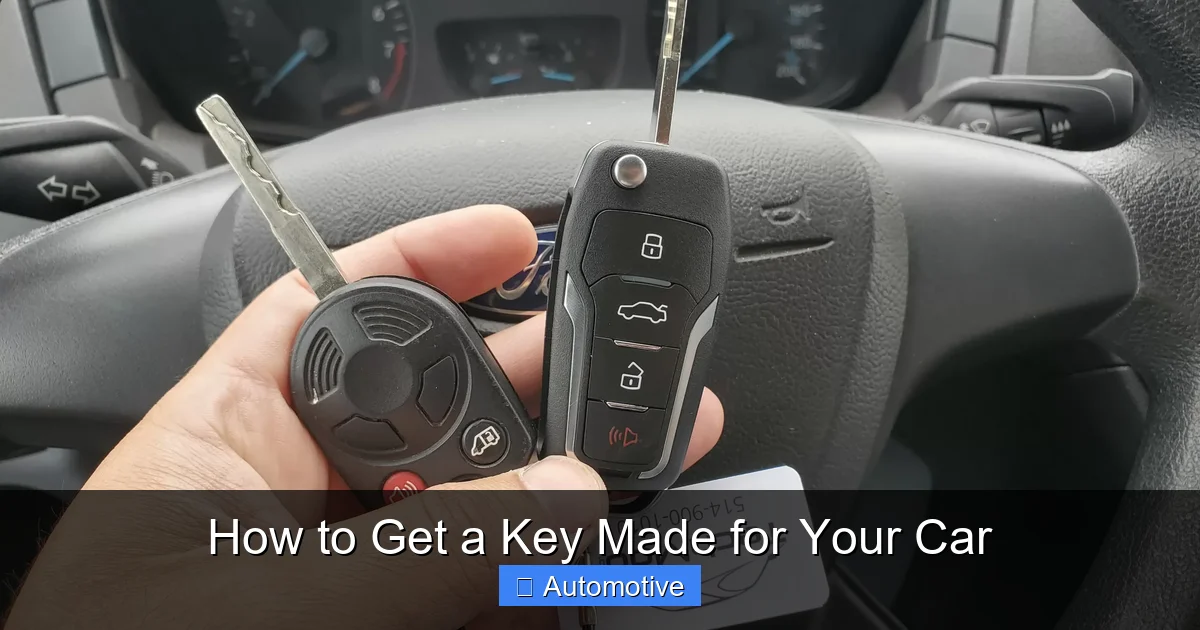
Visual guide about How to Get a Key Made for Your Car
Image source: techmod.ca
Cost is often the biggest concern when replacing a car key—and rightfully so. Prices can vary dramatically based on your vehicle, key type, and service provider. Here’s a realistic breakdown of what you can expect to pay.
Mechanical Keys
– **With original key:** $5–$15 at a hardware store or kiosk
– **Without original key:** $50–$100 via locksmith (includes decoding)
Transponder Keys
– **With one working key:** $80–$150 (programming often included)
– **No working keys:** $120–$250 (requires diagnostic tools and programming)
Remote Key Fobs
– **Basic fob (no smart features):** $100–$200
– **Advanced fob with remote start or proximity:** $200–$400
Smart Keys (Proximity Keys)
– **Standard smart key:** $250–$400
– **High-end luxury models (e.g., BMW, Mercedes):** $400–$600+
Dealership vs. Locksmith Pricing
On average, dealerships charge 40–60% more than independent locksmiths for the same service. For example, a Toyota Camry smart key might cost $350 at a dealership but only $220 with a mobile locksmith. However, dealerships may offer warranties or bundled services (like free reprogramming if issues arise), which can add value.
Keep in mind that some insurance policies or roadside assistance programs (like AAA) may cover part of the cost if you’re locked out or have lost your keys. It’s worth checking your policy details before paying out of pocket.
Step-by-Step: How to Get a Key Made for Your Car
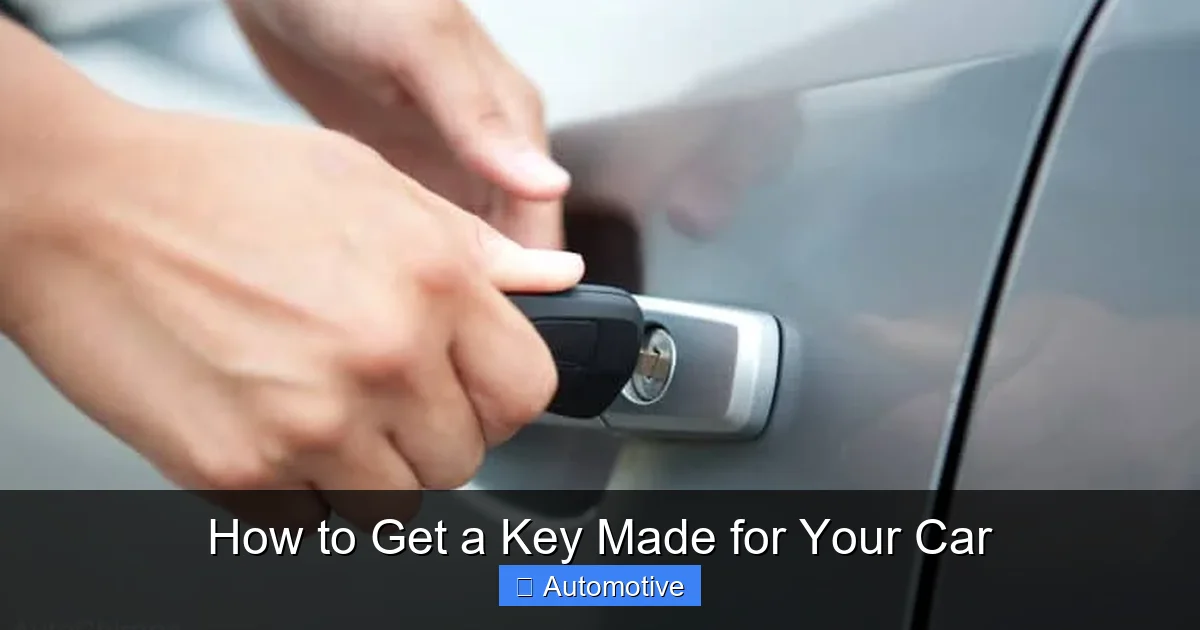
Visual guide about How to Get a Key Made for Your Car
Image source: autochimps.com
Ready to get your new key? Here’s a simple, step-by-step process to make it as smooth as possible.
Step 1: Identify Your Key Type
Look at your current key (if you have one) or check your owner’s manual. Note whether it has a chip, remote buttons, or proximity features. You can also search online using your car’s year, make, and model to find key specifications.
Step 2: Gather Required Information
You’ll need:
– Your Vehicle Identification Number (VIN)—found on the dashboard, driver’s side door jamb, or registration
– Proof of ownership (registration, title, or insurance card)
– A valid photo ID
Most reputable providers will ask for these to prevent unauthorized key duplication.
Step 3: Choose Your Service Provider
Decide whether a dealership, locksmith, or retail store best fits your needs based on cost, convenience, and key complexity. For urgent situations, call a mobile locksmith. For complex smart keys, consider the dealership.
Step 4: Schedule or Visit
Call ahead to confirm availability and pricing. Many locksmiths offer same-day service, while dealerships may require an appointment. If you’re using an online service, order your blank key and schedule programming afterward.
Step 5: Test the New Key
Once your key is made, test it thoroughly:
– Does it turn in the ignition?
– Do the remote buttons work?
– Does the car start without errors?
If anything seems off, contact the provider immediately. Most offer free adjustments or reprogramming within a short window.
Tips to Avoid Future Key Problems
Getting a key made once is enough—let’s make sure you don’t have to do it again anytime soon. Here are some practical tips to keep your keys safe and functional.
Keep a Spare Key Securely Stored
Store a spare key in a locked drawer at home, with a trusted family member, or in a magnetic key box hidden on your car (though this is less secure). Avoid keeping it in obvious places like under the doormat or in the glove compartment.
Use a Key Tracker
Devices like Tile or Apple AirTag can attach to your keychain and help you locate lost keys via your smartphone. They’re inexpensive and can save you hours of frustration.
Register Your Key with the Manufacturer
Some car brands allow you to register your key fob or smart key in their system. This can speed up replacement if you lose it and provide additional security features.
Consider a Key Replacement Service
Programs like CarKey+ or KeyCare offer annual subscriptions that cover the cost of key replacement (up to a limit) if you lose your keys. For frequent travelers or people prone to misplacing items, this can be a worthwhile investment.
When to Call a Professional Immediately
While some key issues can wait, others require immediate attention. Call a locksmith or roadside assistance right away if:
– You’re locked out of your car in an unsafe location
– You’ve lost all your keys and need to get home or to work
– Your key is broken in the ignition or door lock
– You suspect your car has been stolen or tampered with
Don’t try to force a broken key or use improvised tools—this can damage the lock and lead to even higher repair costs.
Final Thoughts
Getting a key made for your car doesn’t have to be a nightmare. With the right knowledge, you can choose the best option for your situation, save money, and get back behind the wheel quickly. Whether you go with a dealership, locksmith, or online service, the key (pun intended) is to act fast, stay informed, and keep your VIN and ownership documents handy.
And remember: the best time to get a spare key is before you need it. A little preparation today can prevent a major headache tomorrow. So take a few minutes now to assess your key situation—and give yourself the gift of peace of mind.
Frequently Asked Questions
Can I get a car key made without the original?
Yes, but it depends on the key type. For mechanical keys, a locksmith can decode the lock. For transponder or smart keys, you’ll need your VIN and proof of ownership to have a new key programmed.
How long does it take to get a car key made?
Most locksmiths can make and program a key in 30–60 minutes. Dealerships may take longer due to appointments and parts ordering, sometimes up to a week for smart keys.
Will my insurance cover a lost car key?
Some comprehensive auto insurance policies or roadside assistance plans include key replacement coverage. Check your policy or call your provider to confirm.
Can I program a car key myself?
A few older or basic models allow DIY programming using ignition cycles. However, most modern vehicles require professional tools and software—attempting self-programming may damage the system.
Is it safe to buy car keys online?
Buying blank keys online can save money, but you’ll still need professional programming. Only purchase from reputable sellers and verify compatibility with your vehicle first.
What should I do if my key breaks in the ignition?
Stop immediately and call a professional locksmith. Trying to remove it yourself can damage the ignition cylinder, leading to costly repairs. A locksmith has the tools to extract the broken piece safely.