How to Fix Flat Tire Bike
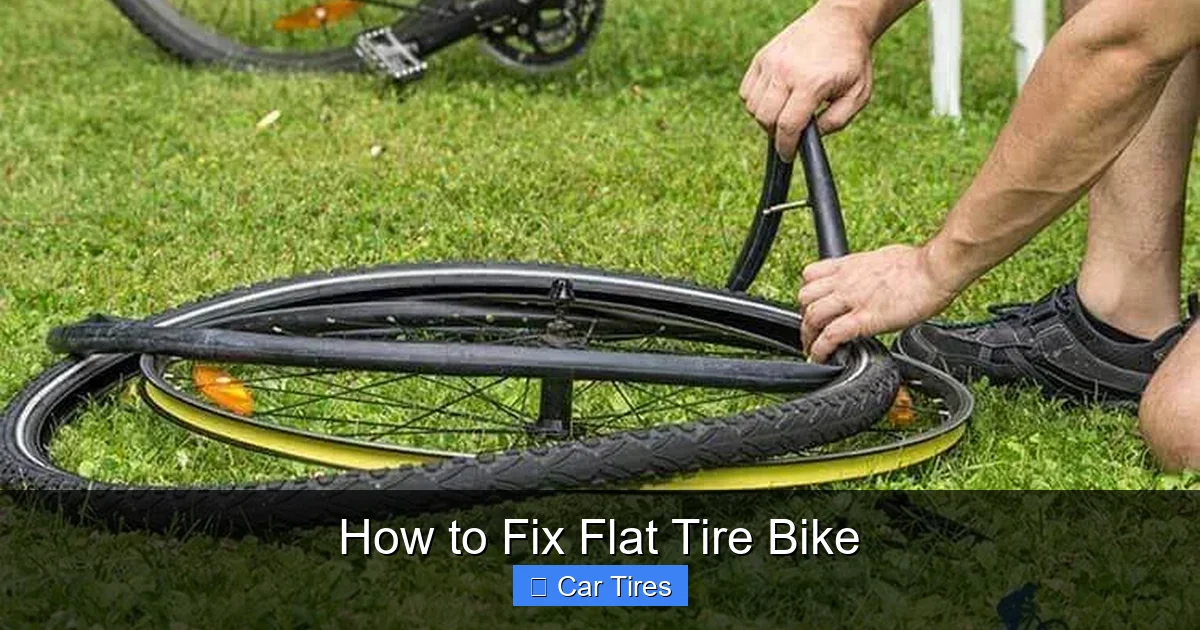
Knowing how to fix a flat tire bike is essential for every cyclist. Whether you’re on a weekend ride or commuting to work, a flat can stop you in your tracks. This guide walks you through the entire process—from diagnosis to repair—so you’re never stranded again.
In This Article
- 1 Key Takeaways
- 2 📑 Table of Contents
- 3 Why Flat Tires Happen and Why You Should Know How to Fix Them
- 4 Tools and Supplies You’ll Need
- 5 Step-by-Step Guide to Fixing a Flat Tire Bike
- 5.1 Step 1: Find a Safe Spot and Secure Your Bike
- 5.2 Step 2: Remove the Wheel
- 5.3 Step 3: Deflate the Tube Completely
- 5.4 Step 4: Remove the Tire and Tube
- 5.5 Step 5: Locate the Cause of the Flat
- 5.6 Step 6: Patch or Replace the Tube
- 5.7 Step 7: Reinstall the Tire and Tube
- 5.8 Step 8: Inflate the Tire
- 5.9 Step 9: Reinstall the Wheel
- 5.10 Step 10: Test Your Repair
- 6 Preventing Future Flats
- 7 Common Mistakes to Avoid
- 8 When to Replace Instead of Repair
- 9 Conclusion
- 10 Frequently Asked Questions
- 10.1 How long does it take to fix a flat tire bike?
- 10.2 Can I ride with a slightly flat tire?
- 10.3 Do I need a new tube every time I get a flat?
- 10.4 What’s the difference between Schrader and Presta valves?
- 10.5 How often should I check my tire pressure?
- 10.6 Can I fix a flat without removing the wheel?
Key Takeaways
- Identify the cause of the flat: Common culprits include punctures, worn tires, or damaged rims. Inspecting your bike helps prevent future flats.
- Carry essential tools: A tire lever, patch kit, pump, and spare tube can save your ride. Always keep them in your bag or bike pack.
- Learn to remove and reinstall the wheel: Practice this at home so you’re confident when it happens on the road.
- Patch or replace the inner tube: Small punctures can often be patched, but severe damage may require a full tube replacement.
- Check tire and rim before reassembly: Debris like glass or thorns can cause another flat if not removed.
- Inflate to the correct pressure: Underinflated tires are more prone to pinch flats. Use a pressure gauge for accuracy.
- Practice makes perfect: The more you fix flats, the faster and more confident you’ll become.
📑 Table of Contents
Why Flat Tires Happen and Why You Should Know How to Fix Them
Imagine you’re halfway through a scenic bike ride, the sun is shining, and the wind is at your back. Then—thump, thump, thump—your bike starts wobbling. You pull over and discover the dreaded flat tire. It’s frustrating, but it doesn’t have to ruin your day. With a little know-how, you can fix a flat tire bike in under 20 minutes and get back on the road.
Flat tires are one of the most common issues cyclists face. Whether you’re a daily commuter, a weekend warrior, or a casual rider, flats can happen to anyone. The good news? They’re almost always fixable. Unlike car tires, which require professional tools and service, bike tires are designed to be user-friendly. With the right tools and a bit of practice, you can handle a flat just about anywhere—on a trail, in a parking lot, or even on the side of a busy road.
Understanding how to fix a flat tire bike isn’t just about convenience—it’s about independence. You won’t need to call for help or wait for a ride home. Plus, knowing your bike inside and out builds confidence and helps you become a more capable rider. In this guide, we’ll walk you through every step of the process, from spotting the problem to getting back on the road safely and smoothly.
Tools and Supplies You’ll Need
Before you even think about fixing a flat, make sure you have the right tools on hand. You don’t need a full mechanic’s workshop, but a few essentials can make all the difference. The key is to keep them lightweight and portable so you can carry them on every ride.
Visual guide about How to Fix Flat Tire Bike
Image source: biketoworkday.us
Essential Tools for Fixing a Flat
- Tire levers: These small plastic or metal tools help you pry the tire off the rim without damaging the tube or tire. Two or three levers are ideal.
- Pump or CO2 inflator: A hand pump is reliable and doesn’t require cartridges, but CO2 inflators are faster and great for emergencies. Choose based on your preference.
- Patch kit: Includes rubber patches, sandpaper, and glue. Great for small punctures if you don’t have a spare tube.
- Spare inner tube: The quickest fix for most flats. Match the size to your tire (e.g., 700x25c for road bikes).
- Multi-tool: A compact tool with hex wrenches, screwdrivers, and sometimes a chain tool. Useful for adjusting brakes or derailleurs if needed.
- Gloves (optional): Keep your hands clean and protected from dirt and sharp objects.
Many cyclists use a saddlebag or frame bag to store these items. Some even attach a mini pump under the water bottle cage. The goal is to have everything within reach without adding too much weight. If you’re new to bike maintenance, consider practicing at home first. Lay out your tools and simulate a flat repair so you’re ready when it happens for real.
Optional but Helpful Add-Ons
- Tire boot: A piece of durable material (like a dollar bill or specialized patch) to reinforce a torn tire casing.
- Pressure gauge: Helps you inflate the tube to the correct PSI, reducing the risk of pinch flats.
- Reflective tape or lights: If you’re fixing a flat at night, visibility is crucial for safety.
Remember, the best tool is knowledge. Even if you have everything, not knowing how to use it won’t help. That’s why this guide focuses not just on tools, but on the step-by-step process so you can fix a flat tire bike with confidence.
Step-by-Step Guide to Fixing a Flat Tire Bike
Now that you’re equipped with the right tools, let’s dive into the actual repair process. Fixing a flat tire bike is easier than it looks, and once you’ve done it a few times, it becomes second nature. We’ll break it down into clear, manageable steps.
Visual guide about How to Fix Flat Tire Bike
Image source: wikihow.com
Step 1: Find a Safe Spot and Secure Your Bike
The first thing to do when you notice a flat is to get to a safe location. Pull over to the side of the road, away from traffic, or find a flat, stable surface like a sidewalk or grassy area. If you’re on a trail, move off the path so you don’t block other riders.
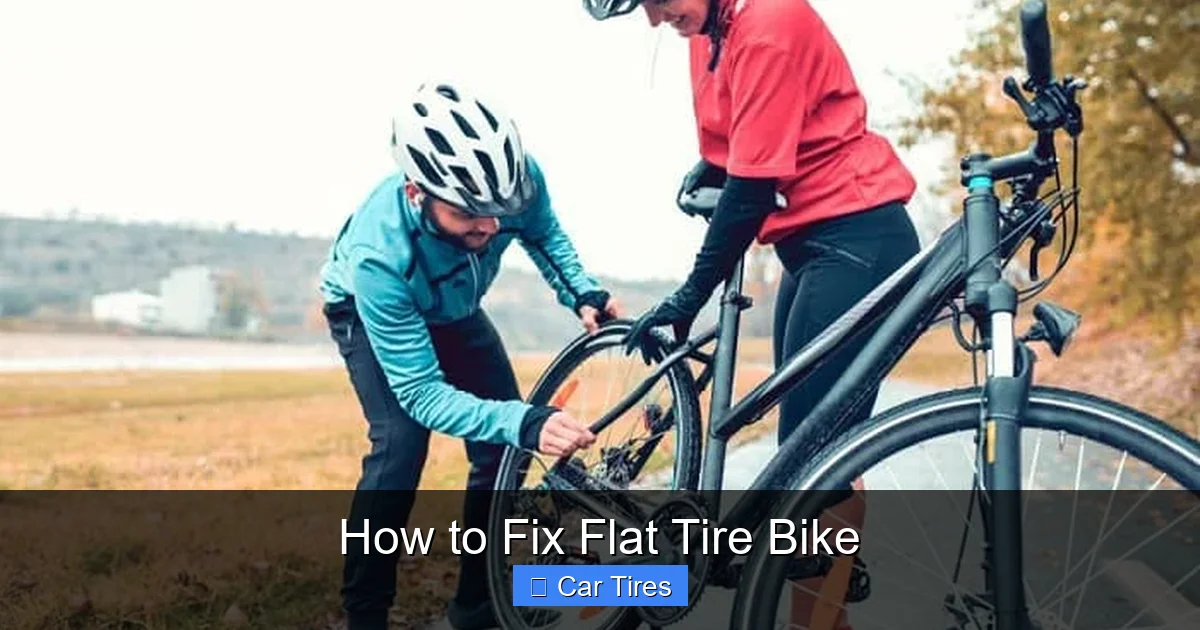
Once you’re safe, flip your bike upside down so it rests on the handlebars and seat. This gives you easy access to the wheels. If your bike has quick-release levers, make sure they’re open so you can remove the wheel easily. For bikes with bolt-on wheels, you’ll need a wrench—usually included in your multi-tool.
Step 2: Remove the Wheel
Start by releasing the brake if your bike has rim brakes. Most modern brakes have a quick-release mechanism—just flip the lever or squeeze the brake arms to open them. This creates enough space to slide the wheel out.
Next, open the quick-release skewer or loosen the nuts on the axle. For rear wheels, you may need to shift into the smallest rear cog to make removal easier. Gently pull the wheel out of the dropouts. Be careful not to damage the derailleur on the rear wheel.
If you’re removing the front wheel, it’s usually straightforward. For the rear, take your time—especially if it’s your first time. Once the wheel is out, lay it flat on the ground with the tire facing up.
Step 3: Deflate the Tube Completely
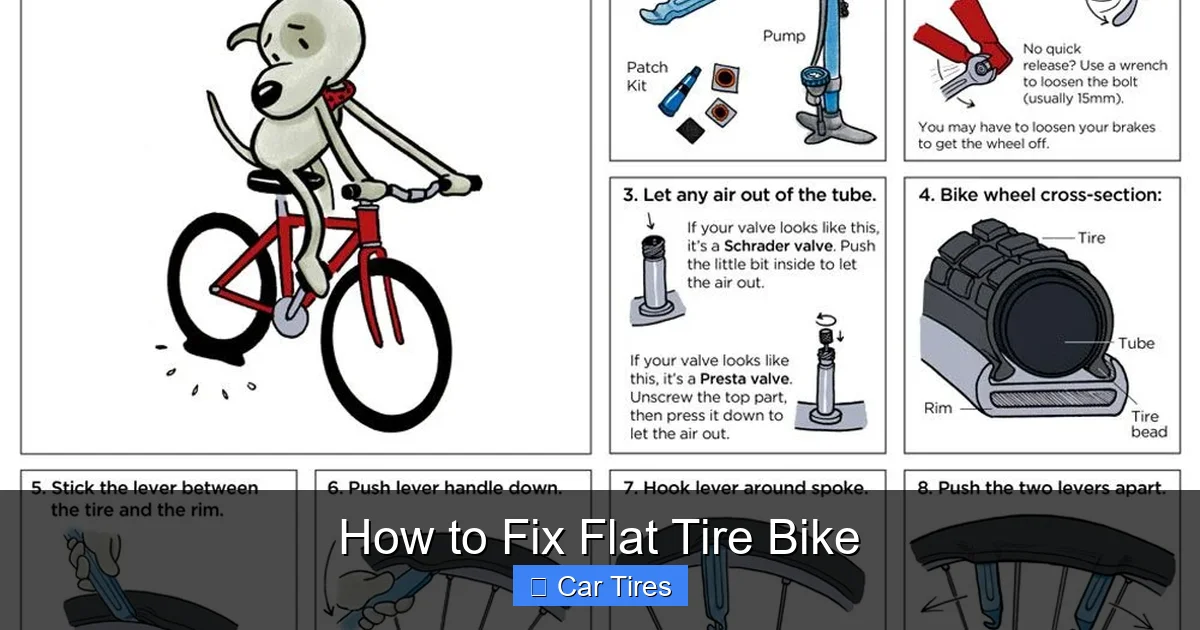
Before you can remove the tire, you need to let all the air out of the inner tube. Press down on the valve (Schrader or Presta) to release any remaining air. For Presta valves, you may need to unscrew the tip first.
This step is important because a partially inflated tube can make it harder to remove the tire. Once the tube is flat, you’re ready to take the tire off the rim.
Step 4: Remove the Tire and Tube
Insert one tire lever under the bead of the tire (the edge that sits in the rim). Hook the lever onto a spoke to hold it in place. Then, insert a second lever a few inches away and slide it along the rim to lift the tire bead over the edge.
Once one side of the tire is off, you can usually pull the rest by hand. Be gentle—don’t force it, as you might damage the tube or rim. With the tire loose, carefully pull out the inner tube. Start at the valve and work your way around.
Inspect the tube as you remove it. Look for obvious punctures, tears, or wear. Also, check the tire itself. Run your fingers along the inside of the tire to feel for sharp objects like glass, thorns, or nails. If you find something, remove it carefully with pliers or tweezers.
Step 5: Locate the Cause of the Flat
Now that the tube is out, it’s time to find the leak. Inflate the tube slightly so it holds its shape. Listen for hissing sounds or feel for air escaping. If you can’t hear it, submerge the tube in water (if available) and look for bubbles.
Common causes include:
- Puncture from a sharp object: A small hole, often near the tread.
- Pinch flat: Two small holes close together, caused by hitting a pothole or curb with low tire pressure.
- Valve leak: Air escaping from the valve stem, possibly due to damage or improper installation.
- Worn tube: Cracks or thinning areas from age or friction.
Once you’ve identified the problem, decide whether to patch the tube or replace it. Patching is great for small punctures, but if the tube is torn or the valve is damaged, a replacement is the better option.
Step 6: Patch or Replace the Tube
If you’re patching, follow the instructions on your patch kit. Rough the area around the hole with sandpaper, apply glue, let it dry slightly, then press the patch firmly in place. Wait a few minutes for it to set before reinstalling.
If you’re replacing the tube, simply insert the new one. Start by placing the valve through the rim hole, then work the tube into the tire, making sure it’s not twisted. Leave a little slack so it doesn’t get pinched when you reinstall the tire.
Step 7: Reinstall the Tire and Tube
Begin by seating one side of the tire bead into the rim. This is usually the easier side. Then, carefully insert the tube and valve, making sure the valve is straight and not bent.
Now, work the other side of the tire bead over the rim. Start at the valve and use your hands to push the tire into place. Avoid using tire levers for this step if possible—they can pinch the tube and cause another flat.
If the tire is tight, work your way around the rim, pushing the bead into the center (the deepest part) where there’s more room. Take your time—rushing can lead to mistakes.
Step 8: Inflate the Tire
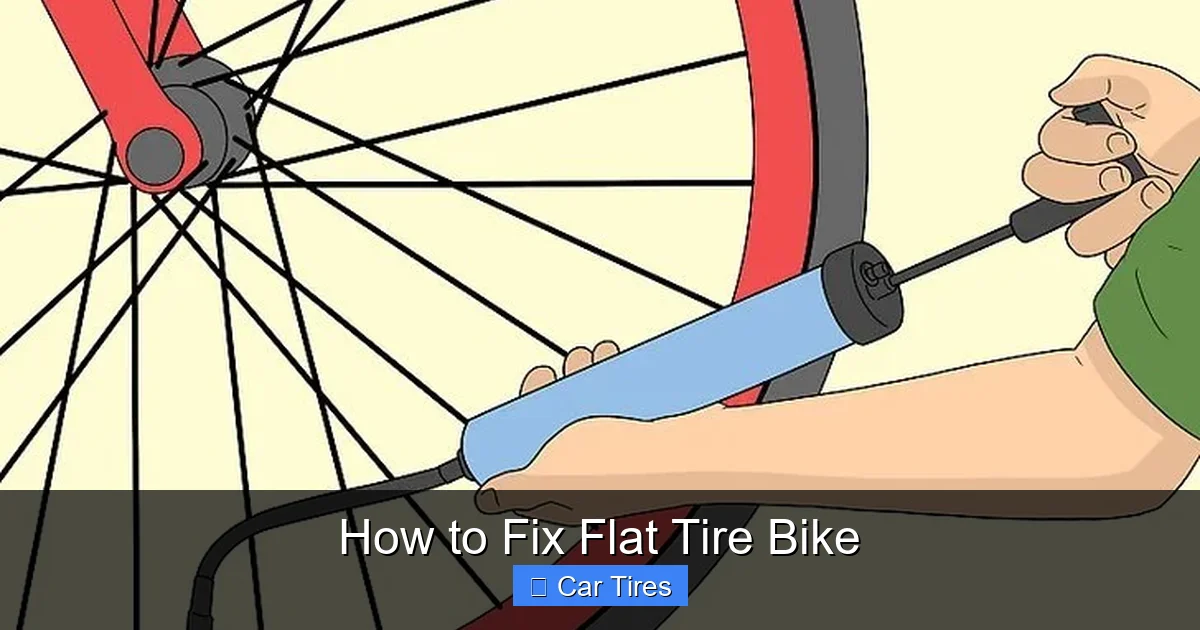
Once the tire is fully seated, inflate the tube slowly. Start with a few pumps to make sure the tube isn’t pinched and the tire is evenly seated on the rim. Then, inflate to the recommended pressure, which is usually printed on the tire sidewall (e.g., 80–100 PSI for road bikes).
Use a pressure gauge if you have one. Underinflated tires are more likely to get pinch flats, while overinflated tires can burst or feel harsh on rough roads.
Step 9: Reinstall the Wheel
Slide the wheel back into the dropouts. Make sure it’s centered and the axle is fully seated. Close the quick-release lever or tighten the nuts securely. For rear wheels, make sure the chain is properly seated on the cassette.
Reconnect the brake if you disconnected it earlier. Spin the wheel to check that it turns freely and doesn’t rub against the brake pads. If it does, adjust the brake calipers slightly.
Step 10: Test Your Repair
Give the tire a final check—make sure it’s fully inflated and the wheel spins smoothly. Take a short test ride around the block to confirm everything is working. If the tire holds air and rides well, you’re good to go!
Preventing Future Flats
While knowing how to fix a flat tire bike is important, preventing flats in the first place is even better. A few simple habits can save you time, money, and frustration.
Visual guide about How to Fix Flat Tire Bike
Image source: i.pinimg.com
Maintain Proper Tire Pressure
Check your tire pressure regularly—at least once a week. Use a floor pump with a gauge for accuracy. Underinflated tires are more prone to pinch flats and wear out faster. Overinflated tires can burst on hot days or rough terrain.
Adjust pressure based on conditions. For example, lower pressure (within the safe range) can improve grip on wet or gravel roads, while higher pressure is better for smooth pavement.
Inspect Tires and Rims
Before every ride, give your tires a quick visual check. Look for cuts, cracks, or embedded debris. Also, inspect the rim tape—the strip that covers the spoke holes. If it’s worn or misaligned, it can puncture the tube from the inside.
Replace tires when the tread is worn down or you see cords showing. Worn tires are more likely to get punctures and offer less grip.
Use Tire Liners or Sealant
Tire liners are strips of durable material that sit between the tube and tire, adding an extra layer of protection against punctures. They’re especially useful for commuting or riding in areas with lots of debris.
Tubeless sealant is another option. If you run tubeless tires, sealant can automatically plug small holes as they happen. It’s not foolproof, but it can prevent many minor flats.
Avoid Hazardous Areas
Stay alert for glass, thorns, nails, and potholes. Ride around debris when safe to do so. If you’re on a trail, avoid areas with sharp rocks or cacti.
When locking your bike, choose a clean, dry spot. Wet or dirty areas increase the risk of corrosion and flats.
Common Mistakes to Avoid
Even experienced cyclists make mistakes when fixing flats. Here are some common pitfalls and how to avoid them.
Using Tire Levers to Reinstall the Tire
It’s tempting to use levers to pop the last bit of tire onto the rim, but this can pinch the tube and cause a new flat. Always use your hands if possible. If the tire is too tight, try deflating the tube slightly or using a tire with a more flexible bead.
Forgetting to Check the Tire for Debris
Reinstalling a tube without removing the cause of the flat is a recipe for disaster. Always inspect the inside of the tire and the rim before putting everything back together.
Over-tightening the Quick-Release
A loose quick-release can cause the wheel to fall out, but over-tightening can damage the dropout or make it hard to open later. Tighten it firmly, but don’t use excessive force.
Ignoring Valve Alignment
Make sure the valve is straight and not bent when installing the tube. A bent valve can leak or break under pressure.
Skipping the Test Ride
Don’t assume the repair worked just because the tire holds air. A short test ride confirms that the wheel is secure, the brakes work, and the tire rides smoothly.
When to Replace Instead of Repair
Not all flats are worth fixing. Sometimes, it’s better to replace the tube or even the tire.
Severe Tube Damage
If the tube has a large tear, multiple punctures, or a damaged valve, patching won’t help. Replace it with a new tube.
Worn or Torn Tires
If the tire casing is torn or the tread is completely worn, no amount of patching will make it safe. Replace the tire to avoid blowouts.
Old or Brittle Tubes
Tubes degrade over time, even if they’ve never been used. If your spare tube is more than a few years old, consider replacing it.
When in doubt, err on the side of caution. A new tube costs a few dollars, but a blowout at high speed can cause a serious accident.
Conclusion
Learning how to fix a flat tire bike is one of the most valuable skills a cyclist can have. It empowers you to handle unexpected setbacks, saves you money on repairs, and keeps you riding confidently. With the right tools, a little practice, and this step-by-step guide, you’ll be ready for anything the road throws at you.
Remember, flats are a normal part of cycling—not a sign of failure. Every rider gets them. What matters is how you respond. Stay calm, follow the steps, and get back on your bike. The more you practice, the faster and more confident you’ll become. So next time you hear that telltale thump, don’t panic. You’ve got this.
Frequently Asked Questions
How long does it take to fix a flat tire bike?
For a beginner, it may take 20–30 minutes. With practice, most cyclists can fix a flat in under 10 minutes. The key is familiarity with your tools and bike.
Can I ride with a slightly flat tire?
It’s not recommended. Riding with low pressure increases the risk of pinch flats, rim damage, and loss of control. Always stop and fix the flat as soon as possible.
Do I need a new tube every time I get a flat?
No. Small punctures can often be patched. But if the tube is torn, has multiple holes, or the valve is damaged, replacement is the best option.
What’s the difference between Schrader and Presta valves?
Schrader valves are wider and similar to car tire valves. Presta valves are narrower and have a lock nut at the top. Make sure your pump is compatible with your valve type.
How often should I check my tire pressure?
Check it at least once a week, or before long rides. Tires lose air over time, and proper pressure prevents flats and improves performance.
Can I fix a flat without removing the wheel?
In some cases, yes—especially with quick-release wheels and slack brake cables. But removing the wheel gives you better access and reduces the risk of damage.