How to Clean Camper Roof
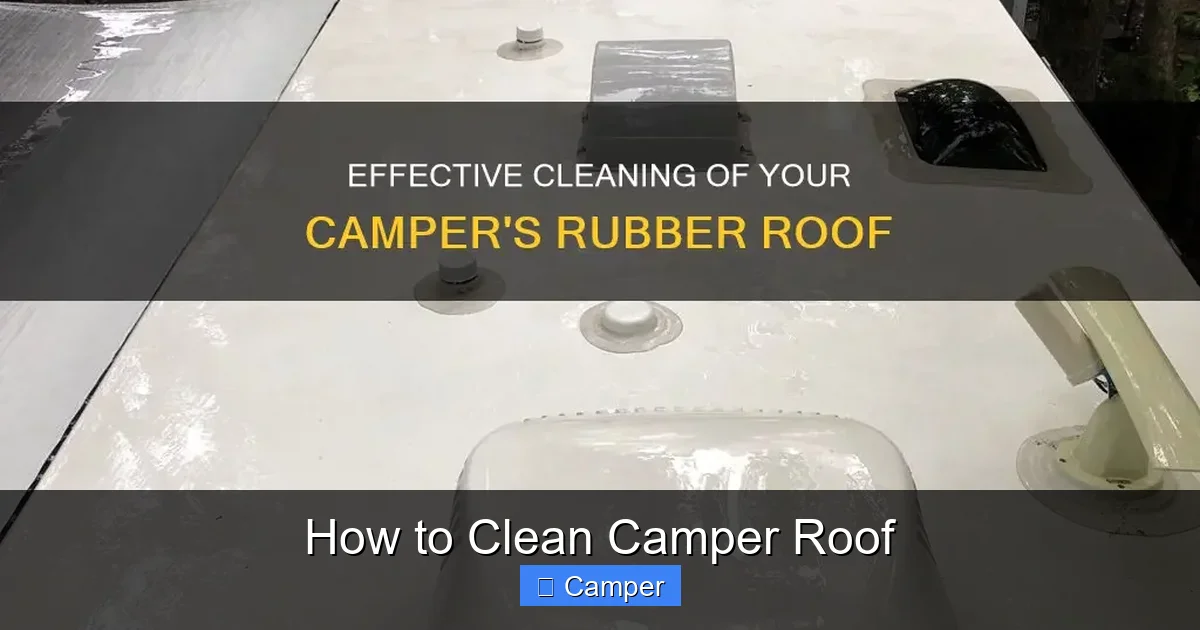
Cleaning your camper roof is essential for preventing damage, leaks, and costly repairs. This guide walks you through the safest methods, tools, and maintenance tips to keep your RV roof in top shape year-round.
In This Article
- 1 Key Takeaways
- 2 📑 Table of Contents
- 3 Why Cleaning Your Camper Roof Matters
- 4 Understanding Your Camper Roof Type
- 5 Tools and Supplies You’ll Need
- 6 Step-by-Step Guide to Cleaning Your Camper Roof
- 7 Best Cleaning Products for Camper Roofs
- 8 Maintaining Your Camper Roof After Cleaning
- 9 Common Mistakes to Avoid
- 10 Conclusion
- 11 Frequently Asked Questions
- 11.1 How often should I clean my camper roof?
- 11.2 Can I use a pressure washer to clean my RV roof?
- 11.3 What’s the best way to remove algae from my camper roof?
- 11.4 Can I walk on my camper roof?
- 11.5 Do I need to apply a protectant after cleaning?
- 11.6 What should I do if I find a crack or leak during cleaning?
Key Takeaways
- Choose the right cleaner: Use non-abrasive, RV-safe cleaners to avoid damaging roofing materials like EPDM, TPO, or fiberglass.
- Inspect before cleaning: Always check for cracks, tears, or loose seals before and after cleaning to catch problems early.
- Use soft tools: Avoid pressure washers and stiff brushes—opt for soft-bristle brushes and microfiber mops to prevent scratches.
- Work in the shade: Clean your camper roof when it’s cool to prevent cleaners from drying too quickly and leaving streaks.
- Rinse thoroughly: Leftover soap residue can attract dirt and degrade roofing materials over time.
- Apply a protectant: After cleaning, use a UV protectant or roof sealant to extend the life of your roof.
- Clean regularly: Aim to clean your camper roof at least twice a year—more often if you camp in dusty or humid areas.
📑 Table of Contents
Why Cleaning Your Camper Roof Matters
Your camper roof is one of the most exposed—and often overlooked—parts of your RV. It faces the full force of the elements: scorching sun, heavy rain, snow, wind, and falling debris like leaves and pine needles. Over time, this exposure leads to buildup of dirt, algae, mold, and grime. If left unchecked, this gunk can trap moisture, weaken seals, and even cause leaks that lead to expensive interior damage.
But it’s not just about avoiding water damage. A clean camper roof also helps maintain your RV’s efficiency. A dirty roof can absorb more heat, making your air conditioner work harder and increasing energy costs. Plus, regular cleaning gives you a chance to inspect for wear and tear—like cracked caulking, loose vents, or damaged flashing—before small issues become big problems. Think of roof cleaning as preventive maintenance that saves you time, money, and stress down the road.
Many RV owners assume that a quick hose-down is enough, but proper cleaning requires the right tools, techniques, and timing. Whether you’re a weekend warrior or a full-time RVer, knowing how to clean camper roof properly ensures your rig stays road-ready and protected for years to come. In this guide, we’ll walk you through every step—from preparation to final protection—so you can tackle this essential task with confidence.
Understanding Your Camper Roof Type
Before you grab a sponge and bucket, it’s crucial to know what kind of roof your camper has. Different materials require different cleaning approaches. Using the wrong cleaner or tool can void warranties or cause irreversible damage. Most RVs fall into one of three main roof categories: EPDM (rubber), TPO (thermoplastic polyolefin), and fiberglass. Let’s break them down.
Visual guide about How to Clean Camper Roof
Image source: shunauto.com
EPDM Roofs (Rubber)
EPDM (ethylene propylene diene monomer) is the most common roof material in older and mid-range RVs. It’s durable, flexible, and relatively inexpensive to repair. However, it’s also prone to drying out and cracking over time, especially if not properly maintained. EPDM roofs are sensitive to petroleum-based products and harsh chemicals, so always use mild, non-abrasive cleaners.
TPO Roofs (Thermoplastic Polyolefin)
TPO is a newer, heat-welded roofing material found in many modern RVs. It’s more resistant to UV rays and punctures than EPDM, and it reflects sunlight better, helping keep your camper cooler. TPO roofs are generally easier to clean but still require gentle handling. Avoid silicone-based cleaners, as they can leave a residue that attracts dirt.
Fiberglass Roofs
Fiberglass roofs are common in higher-end motorhomes and trailers. They’re smooth, durable, and easy to clean, but they can scratch if you use abrasive tools. Fiberglass is less prone to cracking but can develop oxidation over time, leading to a chalky appearance. Regular cleaning and waxing help maintain its shine and protect the surface.
To identify your roof type, check your owner’s manual or look for manufacturer labels near the roof vents. If you’re still unsure, consult a local RV dealer or service center. Once you know your roof material, you can choose the right cleaning products and methods to keep it in peak condition.
Tools and Supplies You’ll Need
Having the right tools makes cleaning your camper roof faster, safer, and more effective. You don’t need a professional setup—just a few key items that are easy to find at hardware or RV supply stores. Here’s a checklist of essentials:
Visual guide about How to Clean Camper Roof
Image source: shunauto.com
- Soft-bristle brush or RV roof brush: Look for one with an extendable handle to reach the center of the roof without climbing too high.
- Microfiber mop or sponge: Great for applying cleaner and wiping down large areas without scratching.
- RV-safe cleaner: Choose a pH-neutral, non-abrasive formula designed for RV roofs. Avoid household cleaners like bleach or ammonia unless specifically labeled safe.
- Hose with spray nozzle: A gentle spray setting is best—high pressure can force water under seals.
- Ladder or step stool: Ensure it’s stable and tall enough to safely access the roof. Never stand on the camper walls or slide-outs.
- Safety gear: Non-slip shoes, gloves, and safety goggles are a must, especially if you’re working on a sloped roof.
- Roof protectant or sealant: Optional but recommended for long-term protection.
Optional but helpful tools include a telescoping wash wand, a bucket with a handle, and a leaf blower to remove loose debris before washing. If you’re cleaning in a driveway or campsite, consider laying down a tarp to catch runoff and protect your vehicle’s paint.
Pro tip: Always test your cleaner on a small, inconspicuous area first. Even “safe” products can react differently depending on your roof’s age and condition. If you notice discoloration or softening, stop immediately and switch to a milder option.
Step-by-Step Guide to Cleaning Your Camper Roof
Now that you’ve got your tools and know your roof type, it’s time to get cleaning. Follow these steps for a thorough, safe wash that leaves your camper roof spotless and protected.
Visual guide about How to Clean Camper Roof
Image source: clean-camper.com
Step 1: Choose the Right Time and Weather
Timing is everything. Avoid cleaning your roof on a hot, sunny day. Heat causes cleaners to dry too quickly, leaving streaks and reducing effectiveness. Instead, pick a cool, overcast day or early morning when the roof is still shaded. Also, make sure there’s no rain in the forecast for at least 24 hours—you’ll need time to rinse and dry properly.
Step 2: Clear the Roof of Debris
Before applying any cleaner, remove loose dirt, leaves, twigs, and pine needles. Use a soft broom, leaf blower, or your hands (with gloves on). Be gentle—scrubbing too hard can scratch the surface. Pay special attention to corners, vents, and seams where debris tends to collect.
Step 3: Rinse the Roof
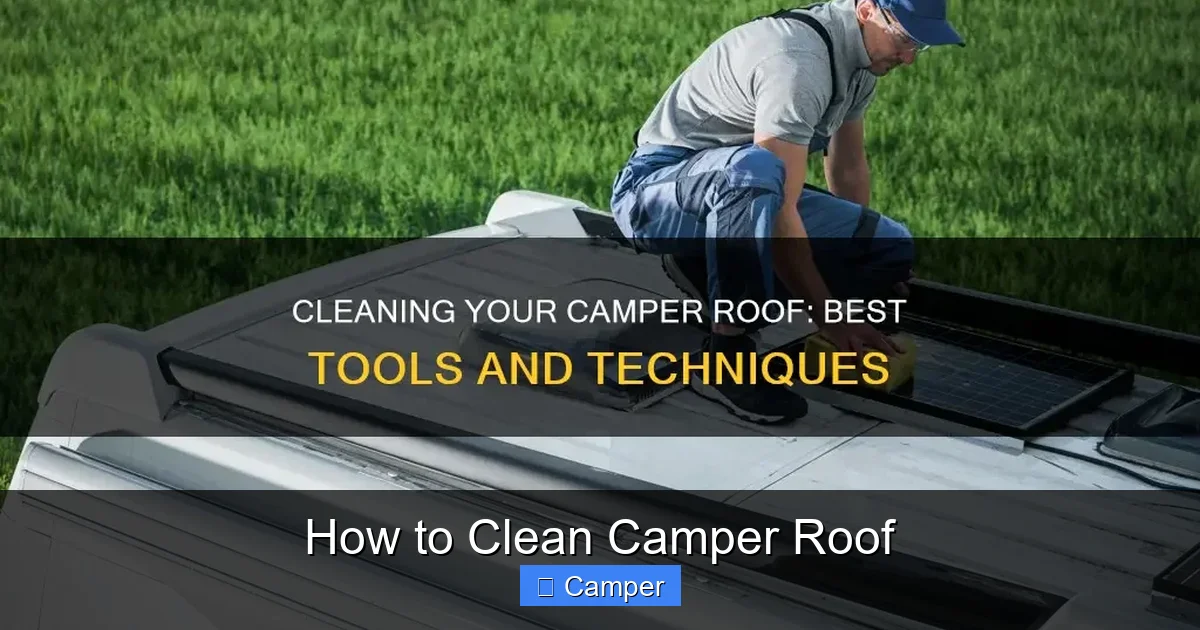
Use your hose with a gentle spray setting to rinse the entire roof. This removes surface dust and preps the surface for cleaning. Start from one end and work your way across, ensuring full coverage. Don’t use a pressure washer unless your manufacturer specifically allows it—high pressure can damage seals and force water into cracks.
Step 4: Apply the Cleaner
Pour your RV-safe cleaner into a bucket and apply it using a soft-bristle brush or microfiber mop. Work in small sections—about 4×4 feet at a time—so the cleaner doesn’t dry before you can scrub. Use light, circular motions to lift dirt and grime. For stubborn stains like algae or bird droppings, let the cleaner sit for 5–10 minutes (but don’t let it dry).
Step 5: Scrub Gently
Scrub each section thoroughly but gently. Focus on areas with visible buildup, such as around vents, skylights, and roof edges. Avoid using steel wool or abrasive pads—they can scratch and weaken the roof material. If you’re using a long-handled brush, make sure it’s secure and you have solid footing.
Step 6: Rinse Thoroughly
Once you’ve scrubbed the entire roof, rinse it again with your hose. Start from the top and work your way down to prevent streaking. Make sure all soap residue is washed away—leftover cleaner can attract dirt and degrade the roof over time. Use a clean microfiber cloth to wipe down stubborn spots if needed.
Step 7: Inspect and Dry
After rinsing, take a close look at your roof. Check for cracks, peeling sealant, or loose components. Use a dry towel or let the roof air-dry completely before reapplying any protectant. Never seal a damp roof—moisture trapped underneath can lead to mold and rot.
Bonus tip: While the roof is clean and dry, take a few minutes to inspect and reseal any worn caulking around vents, seams, and edges. This simple step can prevent leaks and extend the life of your roof.
Best Cleaning Products for Camper Roofs
Not all cleaners are created equal. Using the wrong product can do more harm than good. Here are some top-rated, RV-safe options that work well on EPDM, TPO, and fiberglass roofs:
- Camco Pro-Tec RV Roof Cleaner: A biodegradable, non-abrasive formula that removes dirt, algae, and oxidation without damaging seals. Safe for all roof types.
- 303 RV Wash & Seal: Combines cleaning and protection in one step. Leaves a UV-resistant finish that helps repel future dirt.
- Black Streak Remover by Star Brite: Specifically designed to remove tough black streaks from RV exteriors, including roofs. Use sparingly and rinse well.
- Woolite Carpet & Upholstery Cleaner (diluted): A surprising but effective mild cleaner for delicate roofs. Mix 1 part Woolite with 10 parts water for a gentle solution.
- White vinegar and water (50/50 mix): A natural, eco-friendly option for light cleaning. Great for removing mildew and soap scum.
Avoid products containing bleach, ammonia, acetone, or petroleum distillates—these can dry out rubber roofs, crack seals, or leave harmful residues. Always read labels carefully and follow dilution instructions.
If you’re unsure which product to use, start with a mild option like diluted vinegar or Woolite. You can always step up to a stronger cleaner if needed. And remember: less is more. Using too much cleaner doesn’t make it more effective—it just increases the risk of damage and makes rinsing harder.
Maintaining Your Camper Roof After Cleaning
Cleaning your camper roof isn’t a one-and-done task. To keep it in great shape, you need a regular maintenance routine. Here’s how to protect your investment between cleanings.
Apply a Roof Protectant
After cleaning and drying, apply a UV protectant or roof sealant. These products create a barrier that repels dirt, resists UV damage, and helps prevent cracking. Look for products like 303 Aerospace Protectant or EternaBond Roof Seal. Apply with a clean cloth or spray bottle, following the manufacturer’s instructions.
Inspect Regularly
Make it a habit to inspect your roof every time you set up or pack up camp. Look for new cracks, loose seals, or signs of wear. Catching problems early can save you hundreds in repairs. Pay special attention after storms or long trips.
Keep It Clear
Remove debris like leaves and branches as soon as possible. Standing water and organic matter can lead to mold, mildew, and rot. Use a leaf blower or soft broom to keep the roof clean between deep washes.
Re-Seal as Needed
Roof seals and caulking degrade over time. Check them every 6–12 months and reapply sealant if you notice cracks, gaps, or peeling. Use a high-quality RV sealant like Dicor Self-Leveling Lap Sealant for best results.
Store Smart
If you’re storing your camper for the winter or long periods, cover the roof with a breathable RV cover or tarp. Avoid plastic tarps—they trap moisture and can cause condensation. Elevate the cover slightly to allow airflow.
By following these maintenance tips, you’ll extend the life of your roof and reduce the need for frequent deep cleanings. A little effort now goes a long way in protecting your RV.
Common Mistakes to Avoid
Even experienced RVers make mistakes when cleaning their roofs. Here are some common pitfalls and how to avoid them:
- Using a pressure washer: High pressure can force water under seals and cause leaks. Stick to a gentle hose spray.
- Walking on the roof without caution: Always wear non-slip shoes and avoid stepping near vents or weak spots. Use a ladder, not the camper walls, to access the roof.
- Cleaning in direct sunlight: Heat causes cleaners to dry too fast, leading to streaks and reduced effectiveness.
- Skipping the rinse: Soap residue attracts dirt and can degrade roofing materials over time.
- Using household cleaners: Products like Windex, bleach, or oven cleaner can damage seals and roofing materials.
- Ignoring small cracks: Tiny cracks can turn into big leaks. Inspect and seal them promptly.
Avoiding these mistakes will keep your roof cleaner, safer, and longer-lasting. When in doubt, consult your owner’s manual or a professional.
Conclusion
Learning how to clean camper roof properly is one of the smartest things you can do for your RV. It’s not just about appearances—it’s about protecting your home on wheels from water damage, UV exposure, and costly repairs. With the right tools, cleaners, and techniques, you can keep your roof in excellent condition year after year.
Remember to identify your roof type, choose gentle cleaners, work in the shade, and rinse thoroughly. Don’t forget to inspect for damage and apply a protectant after cleaning. Regular maintenance, like clearing debris and resealing seams, will keep your roof performing at its best.
Cleaning your camper roof might seem like a chore, but it’s a small investment of time that pays big dividends. A well-maintained roof means fewer leaks, lower energy bills, and more worry-free adventures. So grab your brush, hose, and cleaner—and give your RV the care it deserves.
Frequently Asked Questions
How often should I clean my camper roof?
It’s recommended to clean your camper roof at least twice a year—once in the spring and once in the fall. If you camp frequently or in dusty, humid, or heavily wooded areas, you may need to clean it more often, such as every 3–4 months.
Can I use a pressure washer to clean my RV roof?
Generally, no. Pressure washers can force water under seals and cause leaks, especially on older or damaged roofs. If your manufacturer approves it, use the lowest setting and keep the nozzle at least 2 feet away from the surface.
What’s the best way to remove algae from my camper roof?
Use an RV-safe cleaner with mildew-fighting properties, like Camco Pro-Tec or a diluted vinegar solution. Let it sit for 5–10 minutes, then gently scrub with a soft brush and rinse thoroughly. Avoid harsh chemicals that can damage the roof.
Can I walk on my camper roof?
Yes, but with caution. Walk only on reinforced areas, wear non-slip shoes, and avoid stepping near vents, skylights, or weak spots. Use a stable ladder to access the roof—never climb on walls or slide-outs.
Do I need to apply a protectant after cleaning?
Yes, applying a UV protectant or roof sealant after cleaning helps repel dirt, prevent cracking, and extend the life of your roof. It’s a simple step that offers long-term protection.
What should I do if I find a crack or leak during cleaning?
Stop cleaning and address the issue immediately. Clean the area, let it dry, and apply a compatible sealant like Dicor or EternaBond. If the damage is extensive, consult a professional RV repair service.