How to Clean Camper Awning
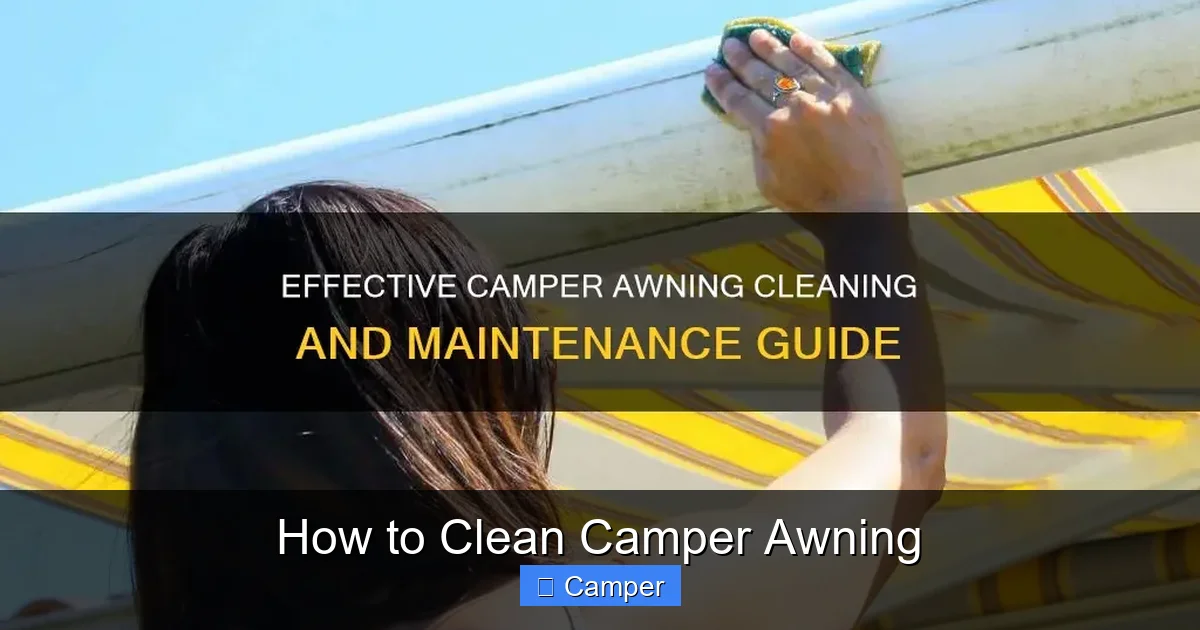
Keeping your camper awning clean isn’t just about looks—it’s about protecting your investment and extending its lifespan. Dirt, mold, and mildew can weaken fabric and damage frames, but with the right tools and techniques, you can restore your awning to like-new condition. Follow this complete guide to clean your camper awning safely and effectively.
In This Article
- 1 Key Takeaways
- 2 📑 Table of Contents
- 3 Why Cleaning Your Camper Awning Matters
- 4 When to Clean Your Camper Awning
- 5 Tools and Supplies You’ll Need
- 6 Step-by-Step Guide to Cleaning Your Camper Awning
- 7 Special Cleaning Tips for Different Awning Types
- 8 Preventing Future Dirt and Damage
- 9 Common Mistakes to Avoid
- 10 When to Call a Professional
- 11 Conclusion
- 12 Frequently Asked Questions
Key Takeaways
- Regular cleaning prevents mold and mildew: Dirt and moisture create the perfect environment for mold, which can stain and degrade awning fabric over time.
- Use mild, awning-safe cleaners: Harsh chemicals like bleach or ammonia can damage fabric and fade colors—opt for pH-neutral cleaners designed for RV awnings.
- Always test cleaners on a small area first: This helps avoid discoloration or fabric damage, especially on older or delicate materials.
- Rinse thoroughly after cleaning: Leftover soap residue can attract more dirt and cause streaking, so a full rinse is essential.
- Allow the awning to dry completely before retracting: Storing a damp awning promotes mold growth and can lead to permanent damage.
- Inspect and maintain hardware regularly: Check arms, brackets, and fabric for wear and tear during cleaning to catch issues early.
- Seasonal deep cleaning is recommended: Even if your awning looks clean, a thorough wash every few months helps maintain performance and appearance.
📑 Table of Contents
- Why Cleaning Your Camper Awning Matters
- When to Clean Your Camper Awning
- Tools and Supplies You’ll Need
- Step-by-Step Guide to Cleaning Your Camper Awning
- Special Cleaning Tips for Different Awning Types
- Preventing Future Dirt and Damage
- Common Mistakes to Avoid
- When to Call a Professional
- Conclusion
Why Cleaning Your Camper Awning Matters
Your camper awning is one of the most exposed parts of your RV. It faces the sun, rain, wind, and everything nature throws at it. Over time, dirt, pollen, bird droppings, tree sap, and road grime build up on the fabric. If left unchecked, these contaminants can lead to stubborn stains, unpleasant odors, and even structural damage.
But it’s not just about appearances. A dirty awning can become a breeding ground for mold and mildew, especially in humid or rainy climates. These fungi don’t just look bad—they can weaken the fabric, reduce its water resistance, and shorten the awning’s lifespan. In extreme cases, mold can eat through the material, leading to costly repairs or full replacement.
Regular cleaning helps maintain the awning’s functionality and protects your investment. A clean awning also performs better—repelling water more effectively and resisting UV damage. Plus, it just feels good to sit under a fresh, bright canopy after a long drive. Whether you’re a weekend warrior or a full-time RVer, knowing how to clean your camper awning properly is a must-have skill.
When to Clean Your Camper Awning
Many RV owners wait until their awning looks visibly dirty before cleaning it. But that’s a mistake. The best approach is preventive maintenance. Ideally, you should clean your awning every 3 to 6 months, depending on how often you use your camper and the climate you’re in.
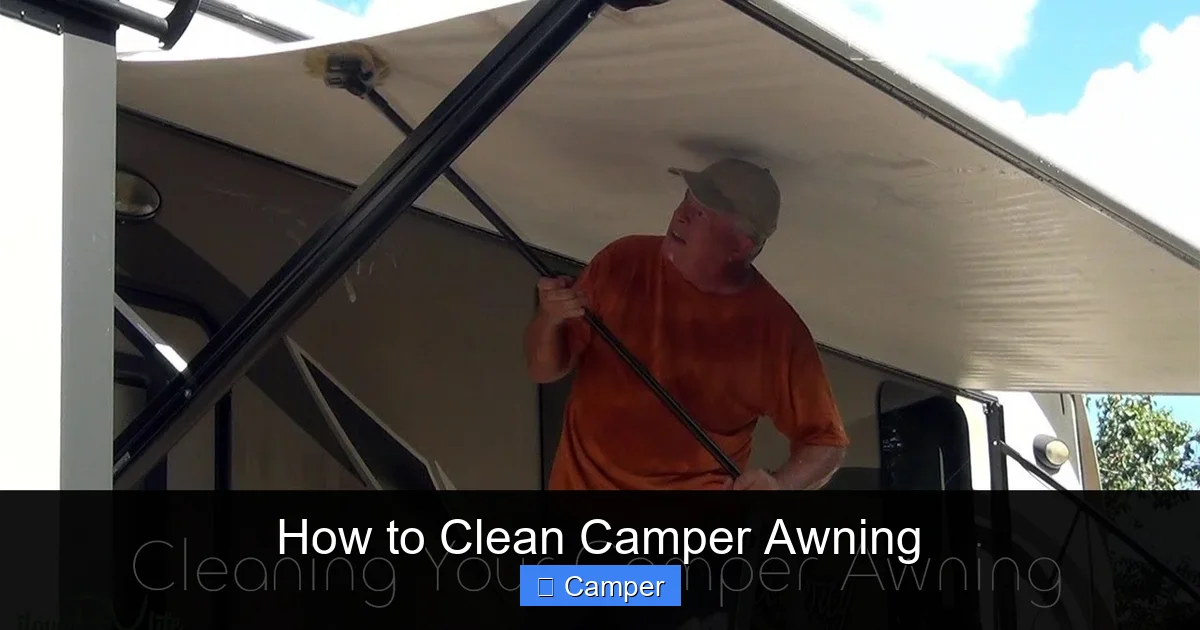
Visual guide about How to Clean Camper Awning
Image source: i.ytimg.com
Signs It’s Time to Clean
- Visible dirt or stains: Dark spots, streaks, or patches of grime are obvious indicators.
- Musty smell: If your awning smells damp or earthy, mold or mildew may be growing.
- Water pooling: If water no longer beads up and instead sits in puddles, the fabric’s water repellency may be compromised.
- After a long trip: Road dust, bugs, and exhaust residue can accumulate quickly.
- Seasonal changes: Spring and fall are great times for a deep clean—spring to remove winter buildup, and fall to prepare for storage.
Even if your awning looks clean, a quick rinse after each trip helps remove surface debris. Think of it like washing your car—regular care prevents bigger problems down the road.
Tools and Supplies You’ll Need
Before you start cleaning, gather the right tools. Using the wrong equipment can damage your awning, so it’s important to choose wisely. Here’s a list of essentials:
Visual guide about How to Clean Camper Awning
Image source: everrv.com
Cleaning Solutions
- Mild detergent: Use a pH-neutral cleaner like Woolite, Dawn dish soap, or a specialized RV awning cleaner (e.g., Star Brite or 303 Awning Cleaner).
- White vinegar: A natural option for mild mold or mildew—mix 1 part vinegar with 3 parts water.
- Rubbing alcohol: Great for spot-cleaning sap or grease stains.
- Water: You’ll need plenty of clean water for rinsing.
Cleaning Tools
- Soft-bristle brush: A long-handled brush with nylon bristles is ideal for scrubbing without damaging fabric.
- Sponge or microfiber cloth: For gentle wiping, especially on delicate areas.
- Hose with spray nozzle: A gentle spray setting helps rinse without pressure that could damage seams.
- Bucket: For mixing cleaning solutions.
- Ladder (if needed): Only if your awning is high and you can’t reach it safely from the ground.
- Garden sprayer (optional): Useful for applying cleaner evenly over large areas.
Avoid using pressure washers—they can force water into seams, tear fabric, or strip protective coatings. Also, skip steel wool, abrasive pads, or stiff brushes, which can fray the material.
Step-by-Step Guide to Cleaning Your Camper Awning
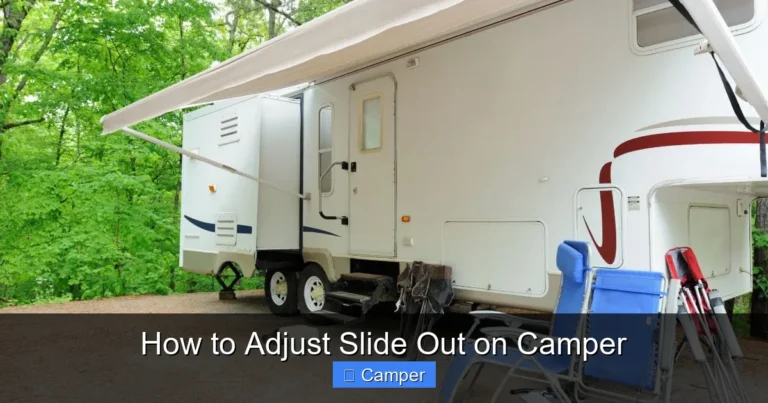
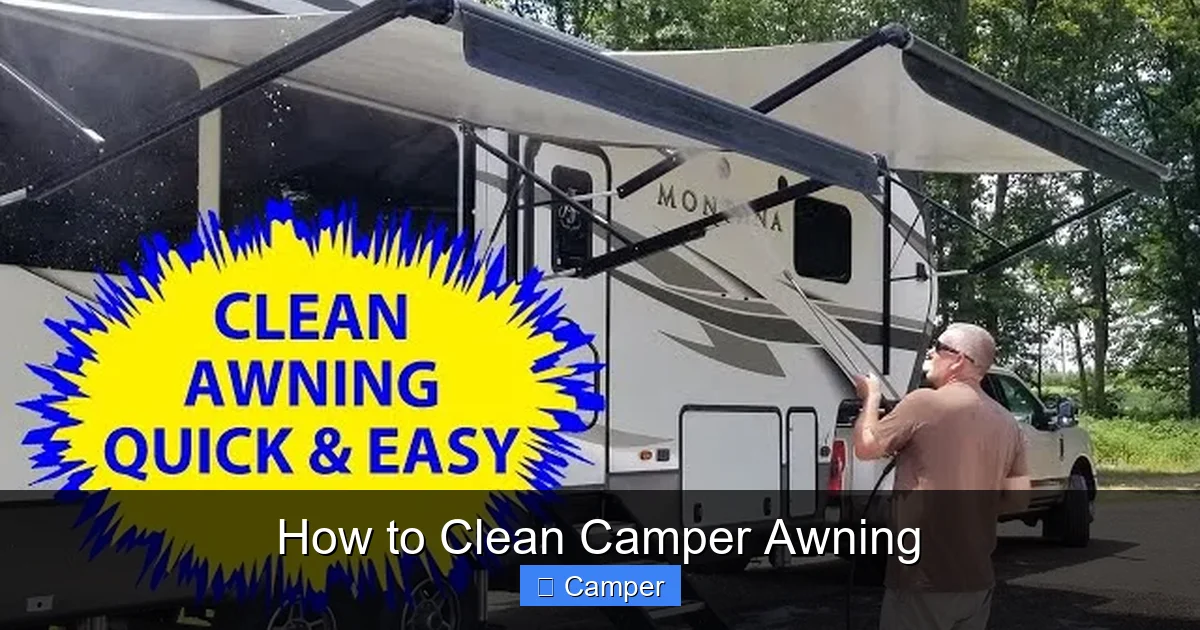
Now that you have your supplies, it’s time to get cleaning. Follow these steps for a safe and effective wash. Always work on a calm day with no wind, and avoid direct sunlight if possible—cleaning in the shade prevents the cleaner from drying too quickly and leaving streaks.
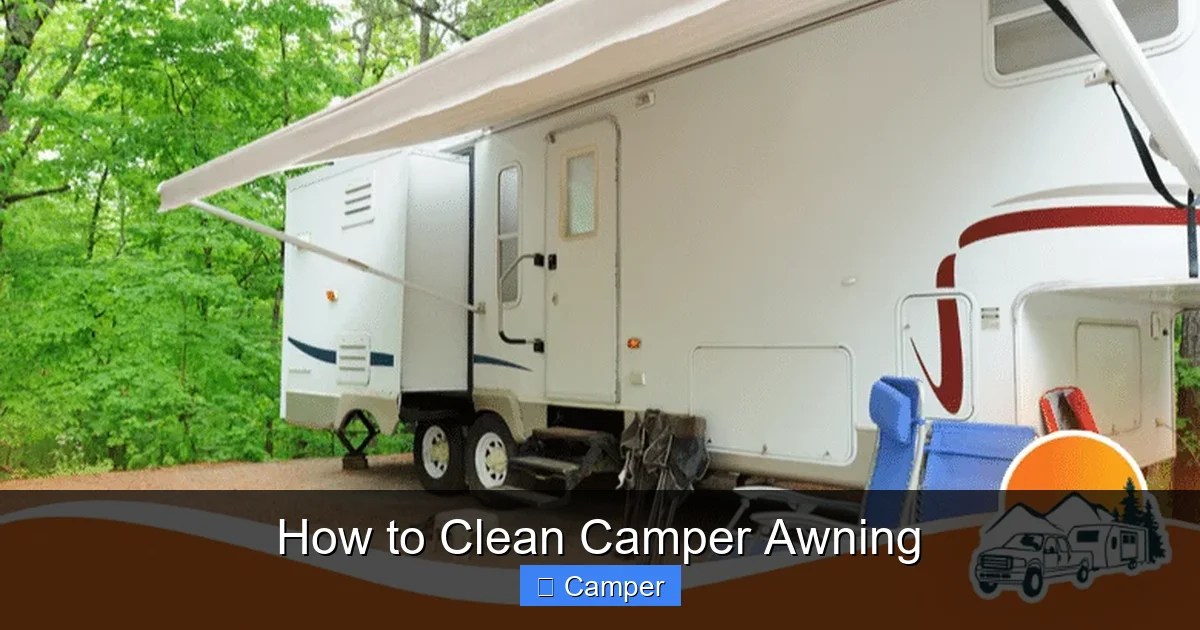
Visual guide about How to Clean Camper Awning
Image source: gocarlife.com
Step 1: Prepare the Area
Start by extending your awning fully. Make sure it’s secure and won’t retract accidentally. Clear the area underneath—move chairs, tables, or anything that could get wet or damaged. If you’re near grass or plants, cover them with a tarp to protect them from cleaning solutions.
Step 2: Remove Loose Debris
Use a soft brush or a leaf blower to gently remove leaves, dirt, and cobwebs from the surface. Don’t skip this step—scrubbing over debris can grind it into the fabric and cause scratches.
Step 3: Pre-Rinse the Awning
Spray the entire awning with water using a garden hose on a gentle setting. This helps loosen surface dirt and prepares the fabric for cleaning. Focus on the top side first, then flip the awning if possible (some models allow this) to clean the underside.
Step 4: Mix Your Cleaning Solution
In a bucket, mix your chosen cleaner with water according to the product instructions. For a DIY solution, combine 1/4 cup of mild dish soap with a gallon of warm water. If you’re dealing with mold or mildew, add 1 cup of white vinegar to the mix.
Step 5: Apply the Cleaner
Dip your soft-bristle brush into the solution and gently scrub the awning in sections. Work from the top down to avoid streaking. Use circular motions and light pressure—don’t scrub too hard, especially on older or faded fabric.
For stubborn stains like tree sap or bird droppings, apply a small amount of rubbing alcohol to a cloth and dab the area. Let it sit for a minute, then wipe clean. Always test any spot treatment on a hidden area first.
Step 6: Let It Sit
Allow the cleaning solution to sit on the fabric for 5 to 10 minutes. This gives it time to break down dirt and kill mold spores. Don’t let it dry completely—reapply water if needed to keep the area damp.
Step 7: Rinse Thoroughly
Rinse the awning from top to bottom using your hose. Make sure all soap residue is washed away. Leftover cleaner can attract dirt and cause discoloration. Pay extra attention to seams and folds where soap can get trapped.
Step 8: Dry Completely
Let the awning air dry completely before retracting it. This is crucial—storing a damp awning can lead to mold growth and fabric rot. Depending on the weather, this may take several hours. If possible, leave it extended until it’s bone dry.
Step 9: Inspect and Maintain
While the awning is extended, take a moment to inspect it. Look for tears, loose stitching, or rust on the frame. Tighten any loose bolts and lubricate moving parts with a silicone-based spray. Address small issues now to avoid bigger problems later.
Special Cleaning Tips for Different Awning Types
Not all camper awnings are the same. The material and mechanism affect how you should clean and care for them. Here’s how to handle the most common types:
Vinyl Awnings
Vinyl is durable and water-resistant, but it can fade and crack over time. Avoid harsh chemicals and always rinse thoroughly. For mildew, use a vinegar-water solution and scrub gently. After cleaning, apply a vinyl protectant like 303 Aerospace Protectant to restore shine and UV resistance.
Acrylic (Canvas) Awnings
Acrylic fabric is breathable and resists fading, but it’s more prone to mold. Use a mild cleaner and avoid soaking the fabric. Never use bleach—it can weaken fibers and cause yellowing. After cleaning, consider applying a fabric guard to improve water repellency.
Automatic (Power) Awnings
These awnings have motors and sensors, so be extra careful around the hardware. Avoid spraying water directly into motor housings or control boxes. Use a damp cloth to wipe down metal parts and dry them immediately to prevent rust.
Manual Roll-Out Awnings
These are simpler but still need regular care. Make sure the roller tube is clean and free of debris. If the awning sticks when retracting, it may need lubrication or alignment.
No matter the type, always check your owner’s manual for specific cleaning recommendations. Manufacturers often provide guidelines tailored to your model.
Preventing Future Dirt and Damage
Cleaning your awning is only half the battle. The other half is preventing dirt and damage from building up in the first place. Here are some proactive tips:
Use an Awning Cover
When your camper is in storage, use a breathable awning cover to protect it from dust, UV rays, and bird droppings. Avoid plastic covers—they trap moisture and promote mold.
Retract During Bad Weather
High winds, heavy rain, or snow can damage your awning. Always retract it during storms or when you’re away for extended periods. Even a small tear can become a big problem if left unchecked.
Trim Overhanging Branches
Trees may look nice, but they drop sap, leaves, and seeds that can stain your awning. Keep branches trimmed back from your RV to reduce debris.
Apply a Fabric Protector
After cleaning, consider applying a water-repellent treatment like Scotchgard or 303 Fabric Guard. These products help repel water, dirt, and UV rays, making future cleanings easier.
Clean After Every Trip
A quick rinse after each outing removes road grime and prevents buildup. It only takes a few minutes and can save you hours of deep cleaning later.
Common Mistakes to Avoid
Even experienced RVers make mistakes when cleaning their awnings. Here are some common pitfalls and how to avoid them:
Using Bleach or Ammonia
These harsh chemicals can weaken fabric, fade colors, and damage coatings. Stick to mild, awning-safe cleaners.
Pressure Washing
High-pressure water can force moisture into seams, tear fabric, or strip protective layers. Use a gentle hose spray instead.
Cleaning in Direct Sunlight
Sunlight causes cleaners to dry too quickly, leaving streaks and residue. Clean in the shade or on a cloudy day.
Storing a Damp Awning
Never retract your awning while it’s wet. Moisture trapped inside can lead to mold, mildew, and fabric rot.
Ignoring the Frame
The fabric isn’t the only part that needs care. Clean and lubricate the frame, arms, and hardware to ensure smooth operation.
Skipping Regular Maintenance
Waiting until your awning is filthy makes cleaning harder and increases the risk of permanent damage. Stay on top of it with routine care.
When to Call a Professional
Most awning cleaning tasks can be done at home, but sometimes it’s best to call in an expert. Consider professional help if:
- Your awning has severe mold or mildew that won’t come out.
- There are large tears, holes, or structural damage.
- The fabric is peeling or delaminating.
- You’re unsure about the material or cleaning method.
- Your awning is under warranty and requires professional servicing.
Professional cleaners have specialized equipment and experience with different awning types. They can also apply protective treatments and perform repairs that extend the life of your awning.
Conclusion
Learning how to clean your camper awning doesn’t have to be complicated. With the right tools, gentle cleaners, and a little time, you can keep your awning looking great and performing well for years. Regular maintenance prevents costly damage, improves your camping experience, and protects your RV investment.
Remember: clean gently, rinse thoroughly, and always let it dry completely. Avoid harsh chemicals and pressure washers, and don’t forget to inspect the frame and hardware. A little care goes a long way.
So next time you’re parked under your awning, sipping coffee and enjoying the view, take a moment to appreciate the clean, fresh fabric above you. It’s not just shade—it’s the result of smart, consistent care. Happy camping!
Frequently Asked Questions
Can I use bleach to clean my camper awning?
No, bleach is too harsh and can damage the fabric, fade colors, and weaken fibers. Use a mild, pH-neutral cleaner instead, or a vinegar-water solution for mold and mildew.
How often should I clean my RV awning?
Clean your awning every 3 to 6 months, or more often if you use your camper frequently or live in a humid or dusty area. A quick rinse after each trip helps prevent buildup.
Can I pressure wash my camper awning?
No, pressure washing can force water into seams, tear fabric, or strip protective coatings. Use a garden hose with a gentle spray setting for safe rinsing.
What’s the best way to remove mold from an awning?
Mix 1 part white vinegar with 3 parts water, apply it to the affected area, let it sit for 10 minutes, then scrub gently with a soft brush and rinse thoroughly.
Should I clean the awning when it’s sunny or shady?
Clean in the shade or on a cloudy day. Sunlight can cause cleaners to dry too quickly, leaving streaks and residue on the fabric.
Can I store my awning while it’s still damp?
No, always let your awning dry completely before retracting it. Storing it wet can lead to mold, mildew, and permanent fabric damage.