How to Adjust Slide Out on Camper
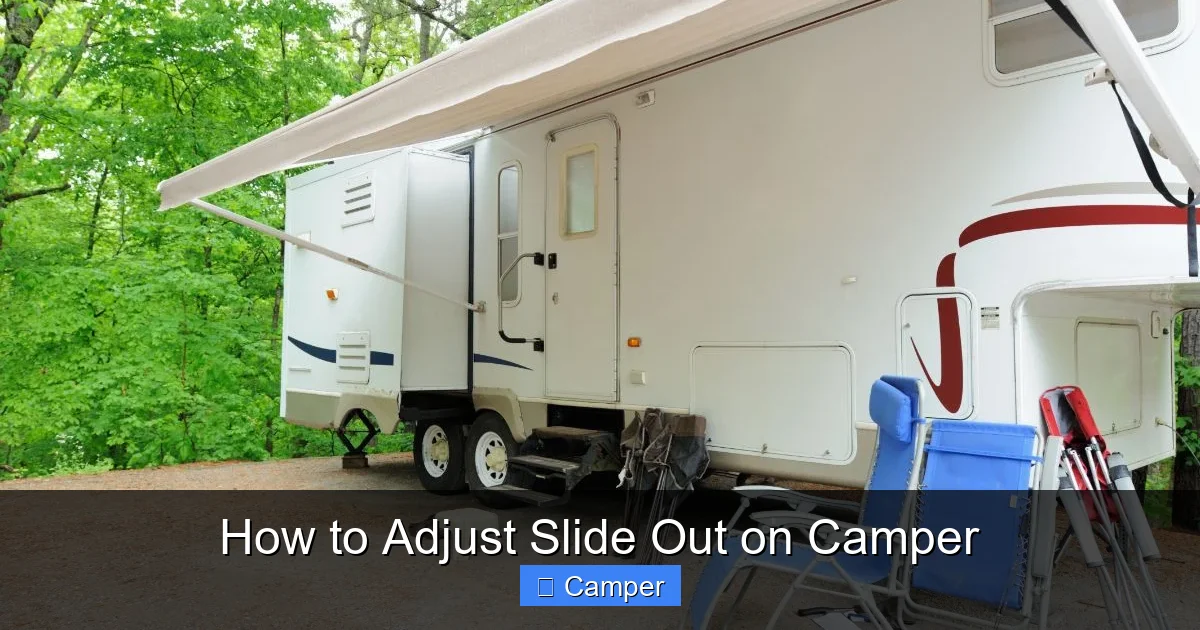
Adjusting the slide out on your camper doesn’t have to be stressful. With the right tools, knowledge, and a little patience, you can ensure smooth operation, prevent damage, and extend the life of your RV’s slide-out system.
In This Article
- 1 Key Takeaways
- 2 📑 Table of Contents
- 3 Introduction: Why Slide-Out Adjustment Matters
- 4 Understanding Your Camper’s Slide-Out System
- 5 Signs Your Slide-Out Needs Adjustment
- 6 Tools and Safety Precautions
- 7 Step-by-Step Guide to Adjusting Your Slide-Out
- 8 Maintenance Tips to Prevent Future Issues
- 9 Troubleshooting Common Slide-Out Problems
- 10 Conclusion: Confidence Through Care
- 11 Frequently Asked Questions
- 11.1 How often should I adjust my camper’s slide-out?
- 11.2 Can I adjust the slide-out myself, or do I need a professional?
- 11.3 What causes slide-out misalignment?
- 11.4 Is it safe to adjust the slide-out while it’s extended?
- 11.5 What type of lubricant should I use on slide-out tracks?
- 11.6 Why is my slide-out making a grinding noise?
Key Takeaways
- Understand your slide-out type: Know whether your camper has hydraulic, electric, or manual slide-outs, as each requires different adjustment methods.
- Inspect before adjusting: Always check for debris, misalignment, or wear in the tracks, rollers, and seals before making any adjustments.
- Use proper tools: A torque wrench, level, and Allen keys are essential for precise and safe adjustments.
- Adjust in small increments: Make minor changes and test the operation to avoid overcorrection and further misalignment.
- Lubricate moving parts: Regular lubrication of tracks and rollers reduces friction and prevents premature wear.
- Check for level ground: Always operate slide-outs on a level surface to prevent strain and uneven movement.
- Consult your owner’s manual: Manufacturer guidelines provide model-specific instructions and torque specifications.
📑 Table of Contents
- Introduction: Why Slide-Out Adjustment Matters
- Understanding Your Camper’s Slide-Out System
- Signs Your Slide-Out Needs Adjustment
- Tools and Safety Precautions
- Step-by-Step Guide to Adjusting Your Slide-Out
- Maintenance Tips to Prevent Future Issues
- Troubleshooting Common Slide-Out Problems
- Conclusion: Confidence Through Care
Introduction: Why Slide-Out Adjustment Matters
Slide-outs are one of the most beloved features of modern campers. They instantly expand your living space, turning a compact RV into a roomy retreat with a comfortable dinette, extra bed, or full kitchen area. But like any mechanical system, slide-outs require care and occasional adjustment to function smoothly. Over time, normal use, temperature changes, and road vibrations can cause misalignment, leading to frustrating jams, leaks, or uneven operation.
Knowing how to adjust slide out on camper properly can save you time, money, and stress. Whether you’re a weekend warrior or a full-time RVer, understanding the basics of slide-out maintenance empowers you to handle minor issues before they become major repairs. This guide walks you through everything you need to know—from identifying your slide-out type to making precise adjustments and keeping your system in top shape.
Understanding Your Camper’s Slide-Out System
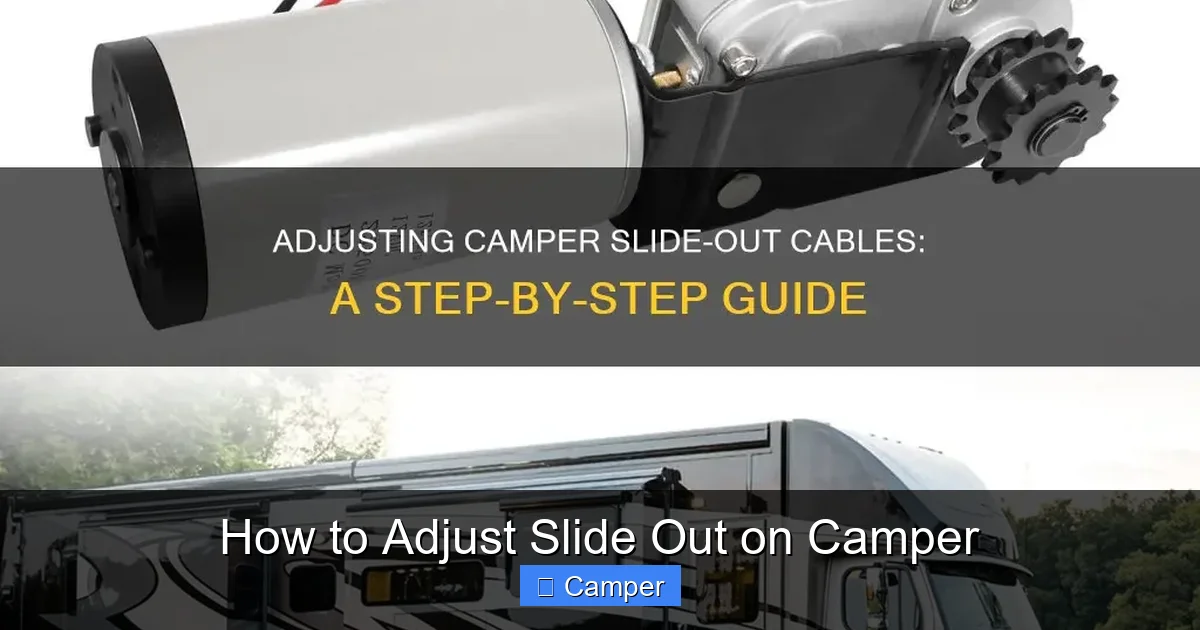
Before you start adjusting anything, it’s crucial to understand what kind of slide-out system your camper uses. Not all slide-outs are created equal, and the adjustment process varies significantly depending on the mechanism. Most modern campers use one of three types: electric, hydraulic, or manual. Each has its own quirks and maintenance needs.
Visual guide about How to Adjust Slide Out on Camper
Image source: shunauto.com
Electric Slide-Outs
Electric slide-outs are the most common in today’s RVs. They use a 12-volt DC motor connected to a rack-and-pinion or cable-driven system to extend and retract the room. These systems are reliable and relatively easy to operate with the push of a button. However, they can develop alignment issues over time, especially if the camper isn’t parked on level ground.
One advantage of electric systems is that they often include built-in sensors and automatic stop features. But if the slide-out becomes misaligned, these safety features might not work correctly, leading to incomplete extension or retraction. Regular inspection of the motor, gears, and wiring is essential.
Hydraulic Slide-Outs
Hydraulic systems use fluid pressure to move the slide-out. They’re typically found in larger, high-end fifth wheels and motorhomes. These systems are powerful and can handle heavier slide-outs, but they’re also more complex and prone to leaks if not maintained.
Adjusting a hydraulic slide-out often involves checking fluid levels, inspecting hoses for cracks, and ensuring the pump is functioning properly. Misalignment in hydraulic systems can result from uneven pressure or worn seals. If you suspect a hydraulic issue, it’s best to consult a professional unless you’re experienced with fluid systems.
Manual Slide-Outs
Manual slide-outs are less common but still found in older or smaller campers. They require physical effort to extend and retract, usually via a hand crank or lever. While they’re simple and don’t rely on electricity or hydraulics, they’re more prone to wear and misalignment due to inconsistent operation.
Adjusting a manual slide-out often involves tightening bolts, realigning tracks, and ensuring the crank mechanism turns smoothly. Because there’s no motor to assist, any resistance can indicate a problem that needs immediate attention.
Signs Your Slide-Out Needs Adjustment
You don’t have to wait for a complete failure to know your slide-out needs attention. There are several warning signs that indicate it’s time to inspect and possibly adjust the system. Catching these early can prevent costly repairs and extend the life of your slide-out.
Visual guide about How to Adjust Slide Out on Camper
Image source: liveworkdream.com
Uneven Gaps or Misalignment
One of the most obvious signs is an uneven gap between the slide-out and the main body of the camper when extended. If one side is flush but the other has a noticeable gap, the slide-out is likely misaligned. This can lead to water leaks, drafts, and even structural stress over time.
To check for alignment, stand outside the camper and visually inspect the seal around the slide-out. Use a flashlight to look for gaps, especially at the top and bottom corners. A consistent gap all around is ideal. If you notice unevenness, it’s time to adjust.
Difficulty Extending or Retracting
If your slide-out feels sluggish, jerky, or stops partway through operation, there may be an alignment or mechanical issue. This is especially common after long trips or exposure to extreme weather. Resistance during movement can strain the motor or hydraulic pump, leading to premature failure.
Try operating the slide-out slowly and listen for unusual noises—grinding, clicking, or squealing. These sounds often indicate worn gears, loose bolts, or debris in the tracks. If the problem persists after cleaning and lubrication, adjustment may be necessary.
Water Leaks or Drafts
Water leaking into the camper when it rains is a red flag. Even small leaks can cause mold, rot, and interior damage. Drafts during cold weather are another sign that the seal isn’t tight, often due to misalignment.
To test for leaks, spray water around the slide-out with a hose while someone inside checks for drips. If you find moisture, inspect the seal and the alignment of the slide-out. A properly adjusted slide-out should create a tight seal when retracted.
Visible Wear on Tracks or Rollers
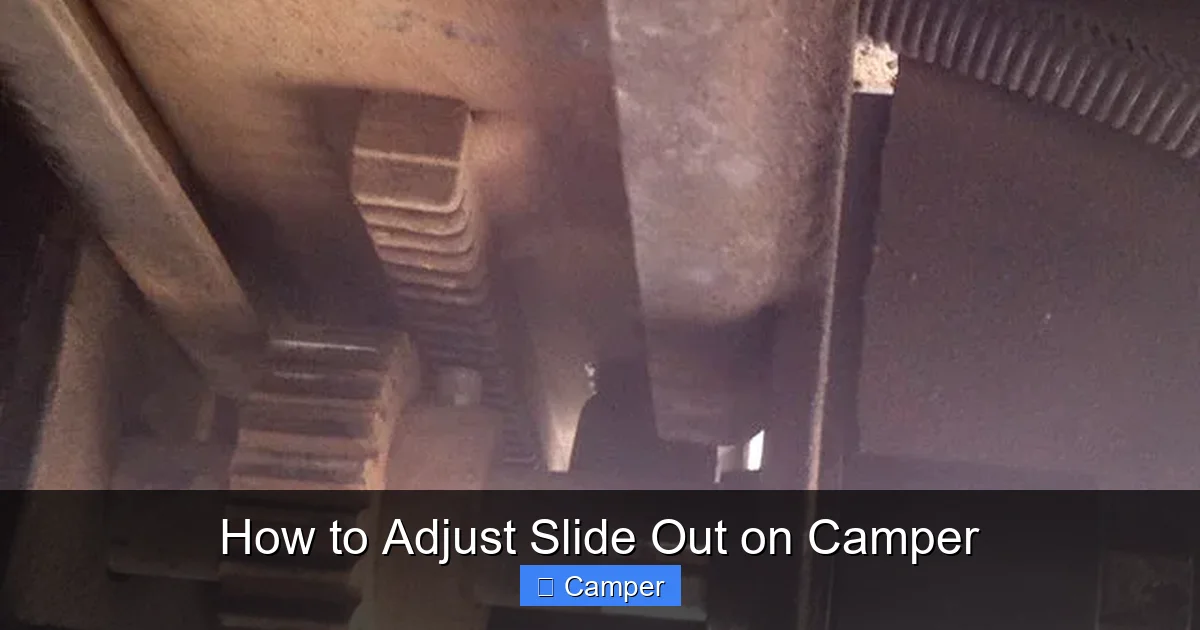
Over time, the tracks and rollers that guide the slide-out can wear down or become damaged. Look for scratches, dents, or flat spots on the rollers. Worn components can cause the slide-out to bind or move unevenly.
Check the condition of the tracks for rust, debris, or deformation. Even small obstructions like dirt or leaves can interfere with smooth operation. Cleaning and lubricating the tracks regularly can prevent many issues, but severe wear may require replacement parts.
Tools and Safety Precautions
Adjusting a slide-out isn’t a job to rush. It requires the right tools, a safe environment, and careful attention to detail. Before you begin, gather the necessary equipment and take safety seriously.
Visual guide about How to Adjust Slide Out on Camper
Image source: m.media-amazon.com
Essential Tools
Here’s a list of tools you’ll likely need:
- Torque wrench – for tightening bolts to manufacturer specifications
- Allen keys or hex wrenches – for adjusting alignment screws
- Level – to ensure the camper is on even ground
- Screwdrivers – flathead and Phillips
- Lubricant – silicone-based spray for tracks and rollers
- Flashlight – for inspecting tight spaces
- Measuring tape – to check alignment gaps
- Safety gloves and glasses – to protect yourself during adjustments
Having these tools on hand will make the process smoother and safer. Avoid using excessive force, as this can damage components or worsen misalignment.
Safety First
Always park your camper on a level, stable surface before adjusting the slide-out. Use wheel chocks to prevent rolling. Turn off the power to the slide-out motor to avoid accidental activation. If your system is hydraulic, relieve pressure by turning off the pump and opening any release valves.
Never work under a partially extended slide-out unless it’s properly supported. Use jack stands or blocks if needed. And always follow the manufacturer’s instructions—your owner’s manual is your best resource for model-specific guidance.
Step-by-Step Guide to Adjusting Your Slide-Out
Now that you’re prepared, it’s time to adjust the slide-out. The exact steps depend on your system type, but the general process is similar. We’ll focus on electric slide-outs, which are the most common, but the principles apply to others as well.
Step 1: Inspect and Clean
Start by fully extending the slide-out. Inspect the tracks, rollers, and seals for dirt, debris, or damage. Use a brush and compressed air to clean out any buildup. Wipe down the tracks with a damp cloth and dry thoroughly.
Check the condition of the seals. Look for cracks, tears, or compression damage. Damaged seals should be replaced to prevent leaks. While cleaning, also inspect the motor and wiring for signs of wear or corrosion.
Step 2: Check Alignment
Use a measuring tape to check the gap between the slide-out and the main body at multiple points—top, middle, and bottom on both sides. Ideally, the gap should be consistent. If one side is tighter or looser, note the difference.
You can also use a straightedge or level to check if the slide-out is parallel to the camper wall. Misalignment often shows up as a “bow” or “twist” in the extended room.
Step 3: Locate Adjustment Points
Most slide-outs have adjustment screws or bolts near the motor or at the ends of the tracks. These allow you to fine-tune the position. Refer to your owner’s manual to find the exact location for your model.
Common adjustment points include:
- Motor mounting bolts – can shift the drive mechanism
- Track alignment screws – adjust the angle of the tracks
- Roller height adjustments – raise or lower the rollers
Never adjust more than one point at a time. Make small changes and test the operation after each adjustment.
Step 4: Make Small Adjustments
Using an Allen key or wrench, turn the adjustment screws in small increments—no more than a quarter turn at a time. For example, if the left side is too tight, loosen the corresponding adjustment screw slightly.
After each adjustment, retract and extend the slide-out to see if the alignment improves. Watch for smooth movement and even gaps. If the problem gets worse, reverse the adjustment.
Step 5: Test and Repeat
Continue making small adjustments until the slide-out operates smoothly and the gaps are even. Once satisfied, tighten all bolts to the manufacturer’s recommended torque using a torque wrench. Over-tightening can strip threads or damage components.
Finally, lubricate the tracks and rollers with a silicone-based spray. Avoid petroleum-based lubricants, as they can degrade rubber seals.
Maintenance Tips to Prevent Future Issues
Adjusting your slide-out is only part of the story. Regular maintenance is key to keeping it in top condition and avoiding future problems. A little effort now can save you from major headaches down the road.
Lubricate Regularly
Lubrication reduces friction and prevents wear. Apply silicone spray to the tracks and rollers every 3–6 months, or more often if you travel frequently. Wipe off excess to avoid attracting dirt.
Also lubricate the motor gears and any moving parts specified in your manual. Avoid getting lubricant on electrical connections or seals.
Keep It Clean
Debris is the enemy of smooth operation. After each trip, inspect the slide-out for leaves, dirt, or mud. Clean the tracks and seals with a soft brush and mild soap. Rinse thoroughly and dry.
Pay special attention to the seal grooves, where dirt can accumulate and prevent a tight seal. A clean seal is essential for weatherproofing.
Check for Level
Always park your camper on level ground before extending the slide-out. Use a bubble level to check the front-to-back and side-to-side tilt. Even a slight incline can cause misalignment over time.
If you’re camping on uneven terrain, use leveling blocks or jacks to stabilize the camper. This reduces strain on the slide-out mechanism and helps maintain alignment.
Inspect Seals and Weatherstripping
Rubber seals degrade over time due to UV exposure and temperature changes. Inspect them regularly for cracks, brittleness, or gaps. Replace damaged seals promptly to prevent leaks.
You can also apply a UV protectant to extend the life of the seals. Products like 303 Aerospace Protectant are safe for rubber and help prevent drying and cracking.
Monitor Operation
Pay attention to how your slide-out feels and sounds during operation. Any change in speed, noise, or resistance could indicate a developing issue. Address problems early to avoid costly repairs.
Keep a maintenance log to track adjustments, lubrication, and any issues. This helps you spot patterns and plan preventive care.
Troubleshooting Common Slide-Out Problems
Even with regular maintenance, slide-outs can develop issues. Here are some common problems and how to fix them.
Slide-Out Won’t Extend
If the motor runs but the slide-out doesn’t move, check for obstructions in the tracks. Also inspect the drive gears for damage. If the motor doesn’t run at all, check the battery, fuses, and wiring.
Slide-Out Sticks or Jams
This is often due to misalignment or debris. Clean the tracks and adjust the alignment as described earlier. If the problem persists, inspect the rollers for wear.
Uneven Extension
If one side extends further than the other, adjust the track alignment screws. Make small changes and test repeatedly until both sides move evenly.
Leaking Seal
Replace damaged seals and ensure the slide-out is properly aligned. A misaligned slide-out won’t compress the seal evenly, leading to leaks.
Conclusion: Confidence Through Care
Adjusting the slide out on camper might seem intimidating at first, but with the right approach, it’s a manageable task that pays off in comfort and peace of mind. By understanding your system, recognizing warning signs, and following a careful adjustment process, you can keep your slide-out operating smoothly for years to come.
Remember, regular maintenance is just as important as adjustment. A little time spent cleaning, lubricating, and inspecting can prevent major repairs and extend the life of your RV. And when in doubt, consult your owner’s manual or a professional technician. Your camper is an investment—treat it with care, and it will reward you with countless adventures.
Frequently Asked Questions
How often should I adjust my camper’s slide-out?
Most slide-outs don’t need frequent adjustments. Inspect and clean them every 3–6 months, and adjust only if you notice misalignment, leaks, or operational issues. Regular maintenance helps prevent the need for major adjustments.
Can I adjust the slide-out myself, or do I need a professional?
Many adjustments can be done by DIYers with basic tools and patience. However, if you’re unsure, notice hydraulic leaks, or the problem persists after adjustments, it’s best to consult a certified RV technician.
What causes slide-out misalignment?
Misalignment is often caused by uneven parking, road vibrations, temperature changes, or worn components. Regular use without maintenance can also lead to gradual shifting over time.
Is it safe to adjust the slide-out while it’s extended?
Yes, but only if the camper is on level ground and the slide-out is fully supported. Never work under an unsupported slide-out. Always turn off the power to prevent accidental activation.
What type of lubricant should I use on slide-out tracks?
Use a silicone-based lubricant spray. Avoid petroleum-based products like WD-40, as they can damage rubber seals and attract dirt over time.
Why is my slide-out making a grinding noise?
Grinding noises often indicate worn gears, misaligned tracks, or debris in the mechanism. Inspect the motor, gears, and tracks, and clean or adjust as needed. If the noise continues, seek professional help.