How Tall Is a 265 75r15 Tire
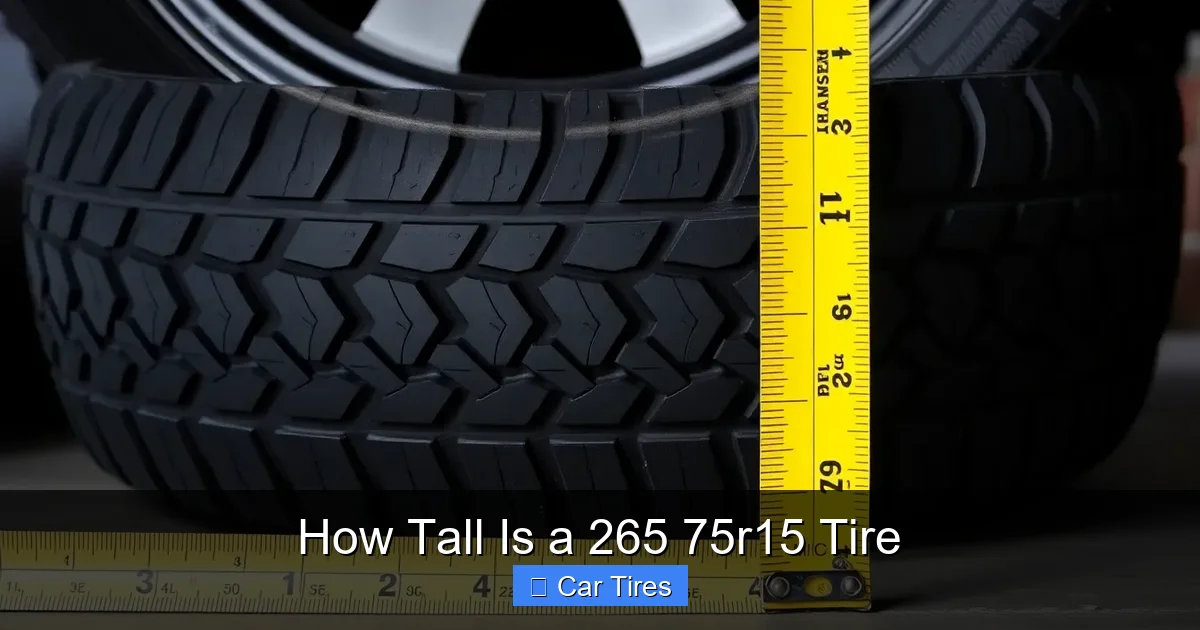
A 265 75R15 tire measures approximately 29.6 inches in diameter, making it a popular mid-sized all-terrain option for trucks and SUVs. This tire size balances ground clearance, fuel efficiency, and handling, ideal for daily driving and light off-roading.
In This Article
- 1 Key Takeaways
- 2 📑 Table of Contents
- 3 How Tall Is a 265 75R15 Tire? A Complete Breakdown
- 4 Decoding the 265 75R15 Tire Size
- 5 Why Tire Height Matters for Your Vehicle
- 6 265 75R15 Tire: Real-World Applications
- 7 Installing and Maintaining 265 75R15 Tires
- 8 Comparing 265 75R15 to Other Common Tire Sizes
- 9 Final Thoughts: Is the 265 75R15 Right for You?
- 10 Frequently Asked Questions
- 10.1 How tall is a 265 75R15 tire in inches?
- 10.2 Will 265 75R15 tires fit my vehicle without modifications?
- 10.3 Do 265 75R15 tires affect fuel economy?
- 10.4 Can I use 265 75R15 tires for off-roading?
- 10.5 What is the load capacity of a 265 75R15 tire?
- 10.6 Do I need to recalibrate my speedometer with 265 75R15 tires?
Key Takeaways
- Tire Height: A 265 75R15 tire is about 29.6 inches tall, providing a good balance between clearance and stability.
- Width and Sidewall: The tire is 10.4 inches wide with a 7.8-inch sidewall, offering solid traction and a comfortable ride.
- Rim Compatibility: Designed for 15-inch rims, this size fits many older trucks, Jeeps, and SUVs without major modifications.
- Load and Speed Rating: Commonly rated for up to 2,600 lbs per tire and speeds up to 118 mph (100 mph for some models).
- Common Uses: Ideal for all-season driving, light off-roading, and towing due to its durability and versatility.
- Replacement Tips: Always check clearance, speedometer accuracy, and load requirements when upgrading or replacing tires.
- Performance Impact: Larger than stock on some vehicles, it may improve off-road capability but slightly reduce fuel economy.
📑 Table of Contents
- How Tall Is a 265 75R15 Tire? A Complete Breakdown
- Decoding the 265 75R15 Tire Size
- Why Tire Height Matters for Your Vehicle
- 265 75R15 Tire: Real-World Applications
- Installing and Maintaining 265 75R15 Tires
- Comparing 265 75R15 to Other Common Tire Sizes
- Final Thoughts: Is the 265 75R15 Right for You?
How Tall Is a 265 75R15 Tire? A Complete Breakdown
If you’re shopping for new tires or just curious about your current setup, you’ve probably come across the code “265 75R15” and wondered what it really means. More importantly, you might be asking: how tall is a 265 75R15 tire? The answer isn’t just a number—it’s a key to understanding how your vehicle performs, handles, and even looks on the road.
Tire sizing can feel like decoding a secret language, but once you break it down, it becomes simple. The “265 75R15” label tells you everything from the tire’s width to its diameter, and yes, that includes its height. In this guide, we’ll walk you through exactly how tall a 265 75R15 tire is, how that measurement is calculated, and why it matters for your driving experience.
Whether you drive a lifted Jeep, a classic truck, or a rugged SUV, understanding tire dimensions helps you make smarter choices. From improving off-road traction to maintaining speedometer accuracy, the height of your tire plays a bigger role than you might think. So let’s dive in and uncover the real-world impact of this popular tire size.
Decoding the 265 75R15 Tire Size
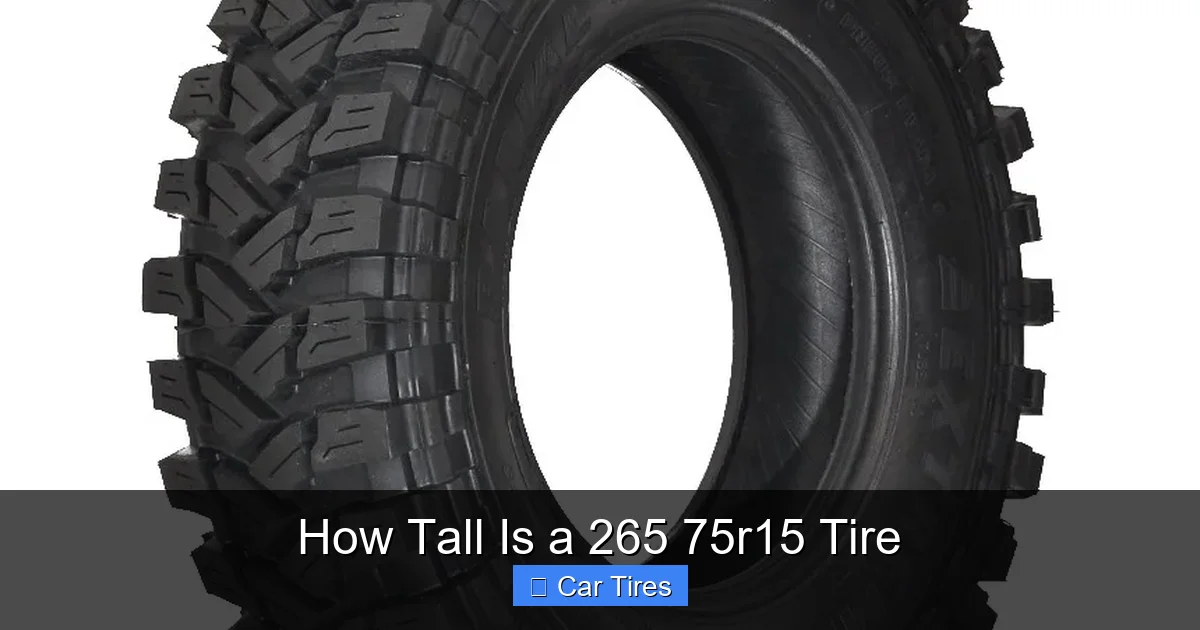
Visual guide about How Tall Is a 265 75r15 Tire
Image source: tech-outdoors.com
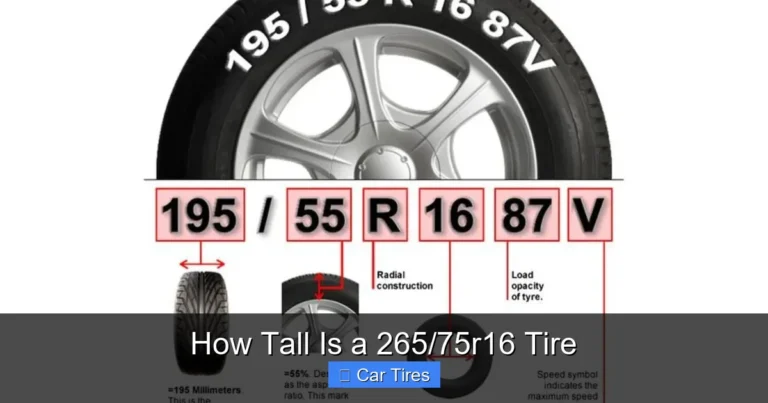
Let’s start by breaking down the numbers: 265 75R15. At first glance, it looks like a random string of digits, but each part has a specific meaning.
The first number, 265, refers to the tire’s width in millimeters. That’s the distance from one sidewall to the other when the tire is mounted and inflated. So, a 265 mm wide tire is roughly 10.4 inches wide—plenty of surface area for grip on pavement or dirt.
Next is the 75, which is the aspect ratio. This number tells you the height of the tire’s sidewall as a percentage of its width. In this case, the sidewall is 75% of 265 mm. To find the actual sidewall height, you multiply 265 by 0.75, which gives you 198.75 mm. That’s about 7.8 inches from the rim to the tread.
The letter R stands for “radial,” which refers to the internal construction of the tire. Radial tires have layers of fabric and steel running radially across the tire, making them more flexible, durable, and fuel-efficient than older bias-ply designs.
Finally, the 15 indicates the rim diameter in inches. This tire is designed to fit on a 15-inch wheel. It’s a common size for older trucks, Jeeps, and SUVs, especially those built in the 1990s and early 2000s.
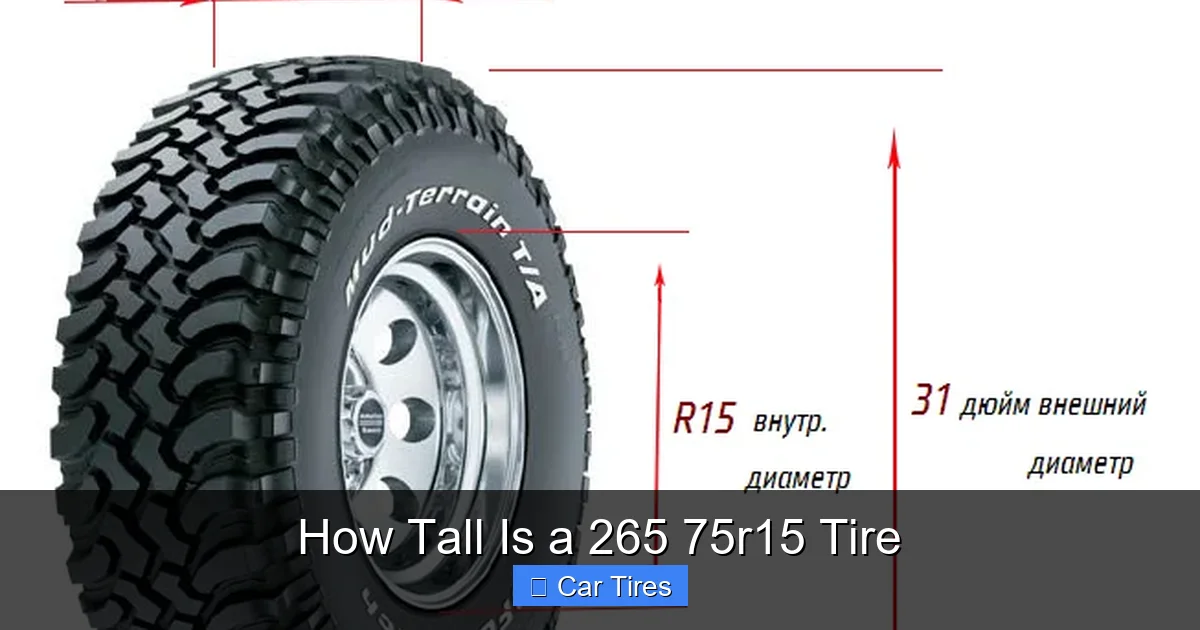
Now, to answer the main question: how tall is a 265 75R15 tire? The total diameter (or height) is calculated by adding the rim diameter to twice the sidewall height (since there’s a sidewall on both the top and bottom of the rim).
Here’s the math:
– Sidewall height: 198.75 mm ≈ 7.8 inches
– Total sidewall contribution: 7.8 × 2 = 15.6 inches
– Rim diameter: 15 inches
– Total diameter: 15 + 15.6 = 30.6 inches
Wait—earlier we said 29.6 inches? That’s because tire manufacturers often round or use slightly different measurements based on tread design and brand. In practice, most 265 75R15 tires measure between 29.5 and 30 inches tall, with the average being around 29.6 inches. This slight variation is normal and depends on the specific tire model and brand.
Why Tire Height Matters for Your Vehicle
Visual guide about How Tall Is a 265 75r15 Tire
Image source: tech-outdoors.com
Now that you know the height, let’s talk about why it matters. The diameter of your tire affects more than just how your car looks—it impacts performance, safety, and even your wallet.
Ground Clearance and Off-Road Capability
One of the biggest advantages of a taller tire like the 265 75R15 is increased ground clearance. With nearly 30 inches of diameter, this tire lifts your vehicle slightly higher off the ground. That extra inch or two can make a big difference when driving over rocks, ruts, or uneven terrain.
For off-road enthusiasts, that means fewer scrapes on the undercarriage and better ability to tackle obstacles. It’s especially useful for Jeeps, trucks, and SUVs that venture off the beaten path. Even if you’re not a hardcore off-roader, the added clearance helps in snowy or muddy conditions where debris can get stuck underneath.
Speedometer and Odometer Accuracy
Here’s a less obvious but critical point: changing tire size affects your speedometer and odometer readings. If you install a tire that’s taller than your original equipment, your vehicle will actually be traveling faster than the speedometer shows.
For example, if your stock tires were 28 inches tall and you switch to 29.6-inch 265 75R15s, your speedometer might read 60 mph when you’re actually going closer to 63 mph. Over time, this can lead to unintentional speeding tickets or inaccurate mileage tracking.
The good news? Many modern vehicles allow you to recalibrate the speedometer through the onboard computer or with a scan tool. If yours doesn’t, you can use a GPS-based speedometer app to double-check your speed.
Fuel Economy and Rolling Resistance
Taller tires can also impact fuel efficiency. Larger tires have more rolling resistance, which means your engine has to work harder to move the vehicle. This can lead to a slight drop in miles per gallon (MPG), especially in city driving or stop-and-go traffic.
However, the effect isn’t always negative. Some drivers report better highway mileage with taller tires because they cover more ground per revolution, reducing engine RPM at cruising speeds. It’s a trade-off—better highway efficiency but potentially worse city MPG.
If fuel economy is a top concern, consider sticking closer to your vehicle’s original tire size or choosing a low-rolling-resistance tire model.
Ride Comfort and Handling
Tire height also influences ride quality. Taller sidewalls (like the 7.8-inch ones on a 265 75R15) act like natural shock absorbers. They flex more over bumps, potholes, and rough roads, giving you a smoother, more comfortable ride.
This is especially noticeable on older vehicles with stiffer suspensions. The extra cushioning from a taller tire can make daily driving feel more relaxed and less jarring.
On the flip side, taller sidewalls can reduce handling precision. The flex that helps absorb bumps can also make the car feel less responsive during sharp turns or quick lane changes. For most drivers, this isn’t a major issue, but it’s something to keep in mind if you enjoy spirited driving.
265 75R15 Tire: Real-World Applications
Visual guide about How Tall Is a 265 75r15 Tire
Image source: tech-outdoors.com
So, who actually uses 265 75R15 tires? This size has been a favorite among truck and SUV owners for decades, and for good reason.
Popular Vehicles That Use 265 75R15 Tires
This tire size was commonly found as original equipment on a wide range of vehicles, including:
– Jeep Cherokee (XJ) – especially the 4.0L models from the 1980s to early 2000s
– Ford Ranger (2WD and 4WD models from the 1990s)
– Chevrolet S10 and GMC Sonoma trucks
– Dodge Dakota (early models)
– Toyota Tacoma (first-generation models)
Many of these vehicles were designed with 15-inch wheels and moderate ground clearance, making the 265 75R15 a perfect fit. Even today, these tires are popular for restorations, daily drivers, and light off-road builds.
All-Terrain and Mud-Terrain Options
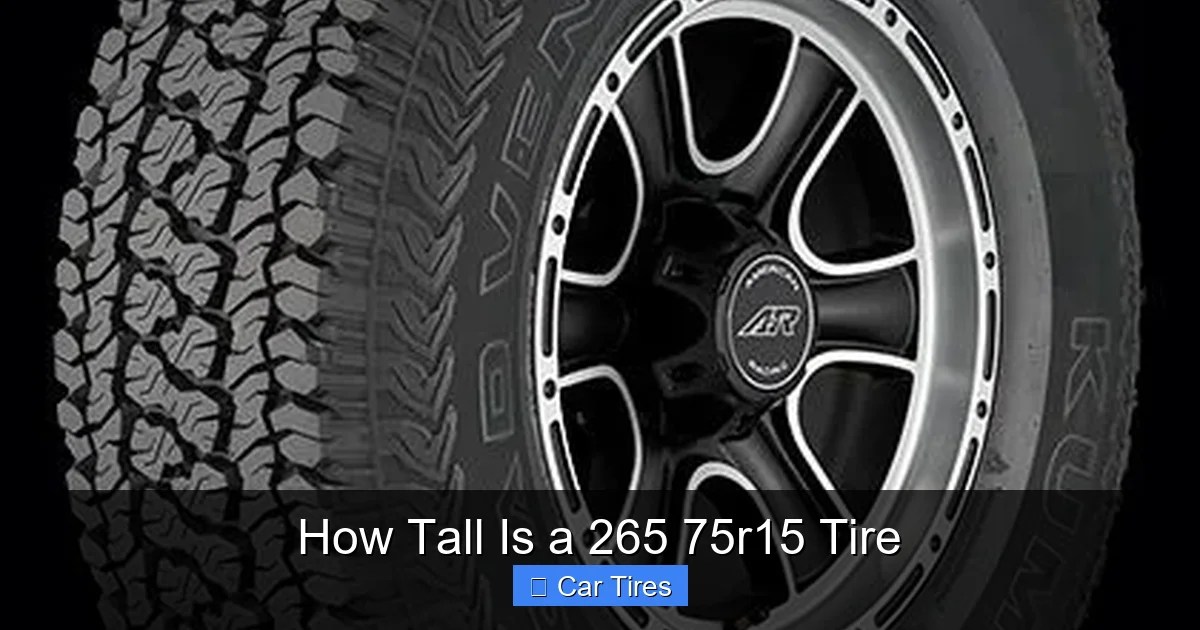
One of the reasons the 265 75R15 remains in demand is the variety of tread patterns available. You can find everything from highway-focused all-season tires to aggressive mud-terrain models.
For daily driving, all-terrain tires like the BFGoodrich All-Terrain T/A KO2 or the Goodyear Wrangler DuraTrac offer excellent traction on both pavement and dirt. They’re quiet, durable, and handle well in rain and light snow.
If you’re more into off-roading, mud-terrain tires like the Nitto Trail Grappler or the Mickey Thompson Baja Boss provide deep lugs and rugged construction for tackling mud, rocks, and trails. Just keep in mind that these tires tend to be noisier on the highway and may wear faster.
Towing and Payload Capacity
The 265 75R15 tire is also a solid choice for light towing and hauling. Most models are rated for a load index of 112 to 115, which translates to a maximum load capacity of around 2,469 to 2,680 pounds per tire.
That means a set of four tires can support over 10,000 pounds—more than enough for a small trailer, camper, or boat. Just make sure your vehicle’s suspension and brakes are up to the task, especially if you’re frequently towing near the limit.
Installing and Maintaining 265 75R15 Tires
Switching to 265 75R15 tires isn’t always a simple bolt-on job. Here’s what you need to know before making the change.
Checking for Clearance Issues
Before installing larger tires, you must ensure they’ll fit without rubbing against the fenders, suspension, or brake lines. Even a half-inch of extra diameter can cause problems if there’s not enough clearance.
Start by measuring the space around your current tires. Check the front and rear, especially when the wheels are turned fully left or right. If you’re upgrading from a smaller tire (like a 235 75R15), you’ll likely have enough room. But if you’re already running a large tire, you might need a lift kit or fender trimming.
A 1- to 2-inch suspension lift is often enough to accommodate 265 75R15 tires on most trucks and SUVs. For Jeeps, a budget boost or body lift can also help.
Speedometer Calibration
As mentioned earlier, taller tires affect your speedometer. If you don’t recalibrate it, you could be driving faster than you think.
Many modern vehicles allow you to adjust the tire size in the ECU using a scan tool or OBD2 programmer. For older vehicles, you might need to change the speed sensor gear in the transmission or use a recalibration module.
Some drivers opt to live with the inaccuracy, especially if the difference is small. But for safety and legal reasons, it’s best to correct it.
Tire Pressure and Rotation
Proper inflation is crucial for performance and longevity. The recommended pressure for a 265 75R15 tire is usually between 30 and 35 PSI, but always check your vehicle’s door jamb sticker or owner’s manual for the correct setting.
Underinflated tires wear unevenly, reduce fuel economy, and can overheat. Overinflated tires reduce traction and make the ride harsher.
Rotate your tires every 5,000 to 7,000 miles to promote even wear. Front and rear tires wear differently due to steering and weight distribution, so regular rotation helps them last longer.
Seasonal Considerations
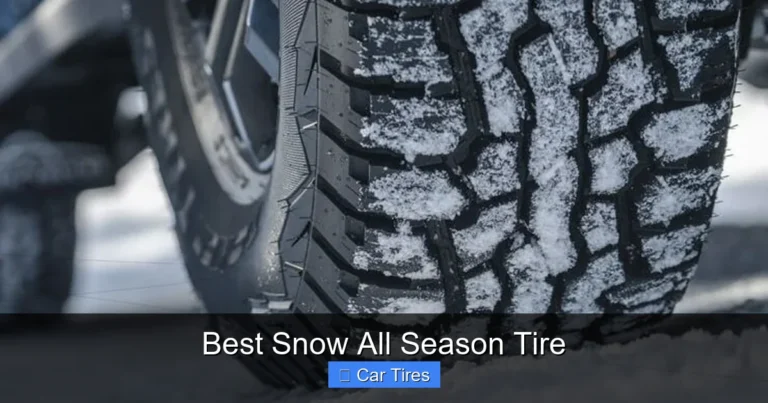
While 265 75R15 tires are available in all-season and all-terrain designs, they may not be ideal for extreme winter conditions unless they’re specifically rated for snow.
Look for the Three-Peak Mountain Snowflake (3PMSF) symbol on the sidewall. This indicates the tire meets severe snow service requirements. Tires like the Cooper Discoverer AT3 4S or the Falken Wildpeak A/T3W are excellent winter-ready options in this size.
If you live in an area with heavy snow or ice, consider switching to dedicated winter tires during the colder months.
Comparing 265 75R15 to Other Common Tire Sizes
To better understand where the 265 75R15 fits, let’s compare it to other popular sizes.
265 75R15 vs. 235 75R15
The 235 75R15 is a common stock size for many trucks. It’s about 28.9 inches tall—nearly an inch shorter than the 265 75R15. The 265 is also wider (10.4 inches vs. 9.3 inches), giving it better grip and stability.
If you’re upgrading from 235s, the 265 75R15 offers noticeable improvements in traction and ground clearance with minimal impact on fuel economy.
265 75R15 vs. 285 75R15
The 285 75R15 is even larger, measuring about 32.8 inches tall. It’s a great choice for serious off-roaders or lifted trucks, but it requires more significant modifications and can reduce fuel efficiency.
For most drivers, the 265 75R15 strikes a better balance between size, performance, and practicality.
265 75R15 vs. 265 70R15
The 265 70R15 is slightly shorter, with a diameter of about 28.6 inches. The lower aspect ratio (70 vs. 75) means a stiffer sidewall and slightly better handling, but less ride comfort.
If you prioritize a smoother ride and better off-road performance, the 75-series is the way to go.
Final Thoughts: Is the 265 75R15 Right for You?
So, how tall is a 265 75R15 tire? About 29.6 inches—give or take a fraction. But the real question is whether this size fits your needs.
If you drive a classic truck, Jeep, or SUV and want a tire that offers a good mix of comfort, capability, and style, the 265 75R15 is a strong contender. It’s tall enough to improve ground clearance and off-road performance, but not so large that it causes major issues with fuel economy or handling.
It’s also widely available, affordable, and comes in a variety of tread patterns to suit different driving conditions. Whether you’re commuting to work, hauling gear, or exploring backroads, this tire size can handle it all.
Just remember to check for clearance, recalibrate your speedometer, and maintain proper tire pressure. With the right setup, your 265 75R15 tires will serve you well for thousands of miles.
Frequently Asked Questions
How tall is a 265 75R15 tire in inches?
A 265 75R15 tire is approximately 29.6 inches tall. This measurement includes the rim and both sidewalls, making it a mid-sized tire ideal for trucks and SUVs.
Will 265 75R15 tires fit my vehicle without modifications?
It depends on your vehicle’s original tire size and suspension setup. Many trucks and Jeeps can accommodate 265 75R15 tires without issues, but some may need a small lift or fender trimming to prevent rubbing.
Do 265 75R15 tires affect fuel economy?
Yes, slightly. The larger diameter and increased rolling resistance can reduce fuel efficiency, especially in city driving. However, some drivers see better highway mileage due to lower engine RPM at speed.
Can I use 265 75R15 tires for off-roading?
Absolutely. This size is popular for light to moderate off-roading. Choose an all-terrain or mud-terrain tread pattern for better traction on dirt, rocks, and mud.
What is the load capacity of a 265 75R15 tire?
Most 265 75R15 tires have a load index of 112 to 115, supporting up to 2,680 pounds per tire. This makes them suitable for towing and hauling within your vehicle’s limits.
Do I need to recalibrate my speedometer with 265 75R15 tires?
Yes, if your original tires were smaller. Taller tires cause the speedometer to read slower than your actual speed. Recalibration ensures accuracy and helps avoid speeding tickets.