How Suzuki Ensures Car Durability

Contents
- 1 Key Takeaways
- 2 📑 Table of Contents
- 3 Precision Engineering for Long-Term Reliability
- 4 Advanced Corrosion Protection
- 5 Rigorous Real-World Testing
- 6 High-Quality Materials and Components
- 7 Accessible Maintenance and Service Support
- 8 Real-World Provenance and Global Feedback
- 9 Conclusion
- 10 Frequently Asked Questions

Portable Air Pump

Car Trash Can

Liquid Car Polish

Pressure Washer for Car
Suzuki ensures car durability by combining advanced engineering, high-quality materials, and rigorous real-world testing. From corrosion-resistant body panels to long-lasting engines, every Suzuki vehicle is designed to withstand years of daily use while maintaining reliability and performance.
When you buy a car, you’re not just paying for a ride—you’re investing in years of commutes, road trips, school runs, and weekend adventures. That’s why durability matters. You want a vehicle that won’t break down after a few years, one that handles rain, snow, heat, and rough roads without losing its charm. Suzuki, a brand known for compact cars and rugged SUVs, has built a strong reputation for making vehicles that last. But how exactly does Suzuki ensure car durability? It’s not magic—it’s a mix of smart engineering, high-quality materials, and real-world testing that sets Suzuki apart.
Unlike some automakers that focus only on style or speed, Suzuki prioritizes reliability and longevity. From the moment a Suzuki model is designed to the day it rolls off the assembly line, every step is guided by the goal of creating a car that stands the test of time. Whether it’s the compact Swift, the versatile Vitara, or the rugged Jimny, Suzuki vehicles are built to handle daily wear and tear while keeping maintenance costs low. This commitment to durability isn’t just good for your wallet—it’s also better for the environment, reducing waste and the need for frequent replacements.
Key Takeaways
- Robust Engineering: Suzuki uses precision engineering and proven mechanical designs to build vehicles that last longer and require fewer repairs.
- Corrosion Protection: Advanced anti-rust treatments and galvanized steel help prevent body damage, especially in harsh climates.
- Rigorous Testing: Every Suzuki model undergoes extreme climate, terrain, and durability tests before hitting the market.
- Quality Materials: From interior trims to engine components, Suzuki selects durable, long-lasting materials for all parts.
- Regular Maintenance Support: Suzuki promotes longevity through accessible service networks and user-friendly maintenance schedules.
- Real-World Provenance: Many Suzuki models are tested in diverse global environments, ensuring they perform well in everyday conditions.
- Eco-Friendly Durability: Suzuki balances longevity with fuel efficiency and low emissions, creating sustainable long-term value.
📑 Table of Contents
Precision Engineering for Long-Term Reliability
At the heart of Suzuki’s durability strategy is precision engineering. The company doesn’t just slap parts together—it designs every component with longevity in mind. Engineers focus on simplicity, strength, and efficiency, avoiding overly complex systems that can fail over time. For example, Suzuki engines are known for their straightforward design, which reduces the risk of mechanical failure. Instead of chasing high horsepower numbers, Suzuki focuses on balanced performance that delivers consistent power without overstressing the engine.
One standout feature is the use of lightweight yet strong materials in the chassis and body structure. This not only improves fuel efficiency but also reduces strain on moving parts. A lighter car means less wear on the suspension, brakes, and drivetrain. Suzuki also uses computer-aided design (CAD) and simulation tools to test how parts will perform under stress, heat, and vibration long before a prototype is built. This allows engineers to spot potential weaknesses early and make improvements.
Proven Engine Technology
Suzuki’s engines are a big reason why their cars last so long. The company uses time-tested engine platforms that have been refined over decades. For instance, the K-series and Boosterjet engines are known for their reliability and fuel efficiency. These engines are designed with fewer moving parts, which means fewer things can go wrong. They also use advanced fuel injection systems that keep combustion clean and efficient, reducing carbon buildup and engine wear.
Regular maintenance is easier too. Suzuki engines are built with accessible components, so oil changes, filter replacements, and spark plug checks can be done quickly and affordably. This encourages owners to stick to maintenance schedules, which is one of the best ways to extend a car’s life. Plus, many Suzuki models come with extended service intervals, meaning you don’t have to visit the garage as often—saving time and money.
Simplified Drivetrain Design
Another engineering advantage is Suzuki’s focus on simple, durable drivetrains. Whether it’s a manual or automatic transmission, Suzuki designs them to handle real-world driving conditions without unnecessary complexity. The AllGrip all-wheel-drive system, used in models like the Vitara and SX4 S-Cross, is a great example. It’s not a heavy, fuel-guzzling system—it’s lightweight and intelligent, automatically adjusting power to the wheels that need it most. This reduces wear on the transmission and improves traction without sacrificing efficiency.
Suzuki also avoids over-engineering. Instead of adding dozens of electronic aids that can fail, the brand focuses on core mechanical strengths. This “keep it simple” philosophy means fewer electronic glitches, fewer software updates, and fewer trips to the repair shop. It’s a refreshing approach in an age where cars are becoming more like computers on wheels.
Advanced Corrosion Protection

Visual guide about How Suzuki Ensures Car Durability
Image source: carcadblocks.com
Rust is one of the biggest enemies of car durability. A little corrosion on the body might seem harmless at first, but over time it can weaken the structure, ruin the appearance, and even lead to safety issues. Suzuki takes corrosion seriously and uses multiple layers of protection to keep its cars looking and performing like new for years.
From the factory, Suzuki applies a comprehensive anti-rust treatment to every vehicle. This includes galvanized steel panels, which are coated with a layer of zinc to prevent oxidation. The underbody, wheel arches, and door sills—areas most prone to rust—receive extra attention. These parts are treated with special sealants and wax coatings that repel moisture and salt, especially important in cold climates where roads are treated with de-icing chemicals.
Multi-Layer Paint System
Suzuki’s paint process is another key part of its corrosion defense. Each car goes through a multi-stage painting system that includes phosphate treatment, electrocoating, primer, base coat, and clear coat. The electrocoating process, in particular, is crucial. It involves dipping the entire body in a conductive paint bath, ensuring that even hard-to-reach areas like inside door panels and frame rails are fully coated. This creates a uniform, protective layer that prevents moisture from reaching the metal.
The clear coat on top adds another barrier against UV rays, acid rain, and road debris. It also helps maintain the car’s shine, so your Suzuki looks great for longer. Owners often report that their Suzuki vehicles retain their paint quality even after years of exposure to sun, rain, and snow.
Regular Inspections and Maintenance Tips
While Suzuki builds in strong corrosion protection, owners can help extend it with simple care. Washing your car regularly, especially in winter, removes salt and grime that can eat away at paint and metal. Pay special attention to the undercarriage—use a hose to rinse off mud and salt buildup. If you live near the coast, where salt air accelerates rust, consider applying an aftermarket undercoating or rust inhibitor.
Check door drains and weather stripping periodically. Clogged drains can trap water inside doors, leading to hidden rust. Replacing worn seals can prevent water intrusion. And if you notice any chips or scratches in the paint, touch them up quickly. A small chip can turn into a rust spot if left untreated.
Rigorous Real-World Testing

Visual guide about How Suzuki Ensures Car Durability
Image source: supercarblondie.com
You can’t claim a car is durable unless you’ve tested it in real-world conditions. Suzuki doesn’t just run simulations—it puts its vehicles through extreme tests that mimic years of driving in just a few months. These tests happen in specialized facilities and on public roads across the globe, from the freezing tundras of Scandinavia to the scorching deserts of Australia.
One of Suzuki’s testing hubs is in Japan, where prototypes are subjected to high-speed runs, rough terrain, and extreme weather. But the real proof comes from global testing. The Jimny, for example, was tested in the Himalayas, the Australian Outback, and African safari trails. These environments push vehicles to their limits, exposing weaknesses that wouldn’t show up in a controlled lab.
Climate and Terrain Challenges
Suzuki tests its cars in temperatures ranging from -30°C to +50°C. In cold climates, engines must start reliably, batteries must hold a charge, and fluids must flow properly. In hot climates, cooling systems must prevent overheating, and interiors must resist fading and cracking. Suzuki also tests in high-altitude areas where thin air affects engine performance and braking efficiency.
Off-road capability is another focus. Models like the Jimny and Vitara are tested on rocky trails, muddy paths, and sandy dunes. Engineers monitor how the suspension, drivetrain, and body handle impacts and vibrations. This ensures that even in tough conditions, the car remains safe and functional.
Durability Cycle Testing
In addition to environmental tests, Suzuki uses durability cycle testing. This involves driving prototypes over specially designed tracks that simulate potholes, speed bumps, gravel roads, and highway speeds. Some tests run for thousands of kilometers, with sensors monitoring every component for wear and failure. If a part shows signs of fatigue, engineers go back to the drawing board.
These tests also include “abuse” scenarios—like slamming doors 100,000 times, opening and closing windows repeatedly, or driving with heavy loads. The goal is to find the breaking point and then improve the design so it never reaches that point in real life.
High-Quality Materials and Components

Visual guide about How Suzuki Ensures Car Durability
Image source: mi-3.com.au
Durability starts with what a car is made of. Suzuki carefully selects materials that balance strength, weight, and longevity. From the steel used in the frame to the plastics in the dashboard, every material is chosen for its ability to withstand daily use.
The body structure uses high-tensile steel in key areas like the pillars and roof rails. This type of steel is stronger and lighter than regular steel, improving safety and reducing weight. Interior materials are also designed to last. Seats are upholstered with durable fabrics or synthetic leather that resist stains and fading. Dashboard plastics are engineered to handle temperature changes without cracking or warping.
Long-Lasting Interior Components
Suzuki pays attention to the little things that make a big difference over time. Door handles, cup holders, and storage compartments are built to handle frequent use. The infotainment system is designed for reliability, with fewer moving parts and robust software. Even the buttons and knobs are tested for thousands of presses to ensure they don’t wear out.
One practical example is the use of moisture-resistant materials in the cabin. Carpets and floor mats are designed to dry quickly and resist mold, which is especially helpful in humid climates. This not only improves comfort but also prevents long-term damage.
Reliable Electrical Systems
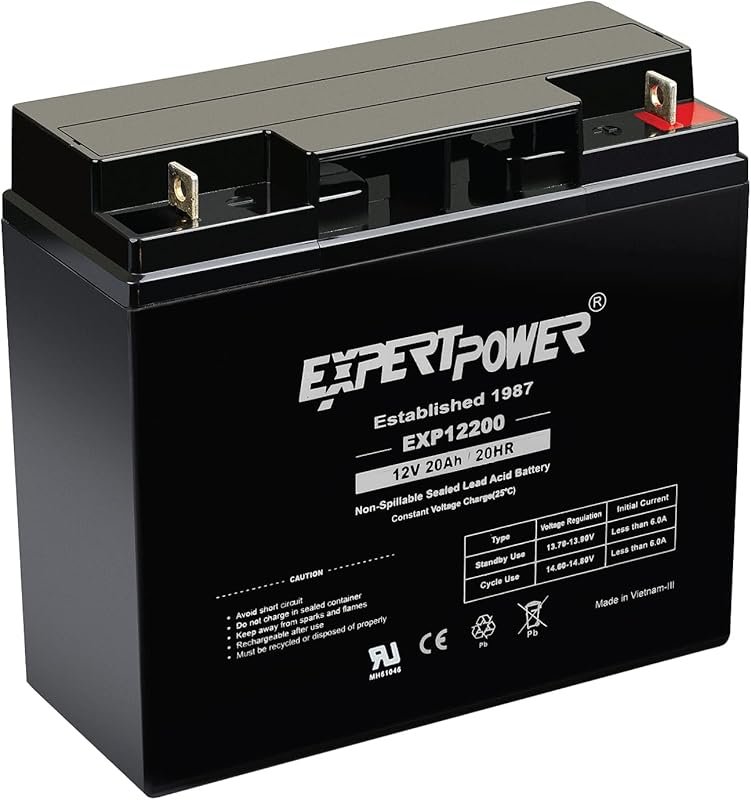
Electrical failures can be frustrating and expensive. Suzuki minimizes these risks by using high-quality wiring, connectors, and control units. The electrical system is designed to handle voltage fluctuations and temperature changes without malfunctioning. Battery life is also optimized—many Suzuki models use maintenance-free batteries that last longer and perform better in extreme conditions.
Regular checks of the battery terminals, fuses, and lights can help catch issues early. Suzuki also provides clear diagnostic tools in newer models, making it easier for owners and technicians to identify problems before they become serious.
Accessible Maintenance and Service Support
A durable car is only as good as the support behind it. Suzuki ensures that maintaining your vehicle is easy and affordable. The brand has a wide network of authorized service centers and trained technicians who understand Suzuki vehicles inside and out. This means you get accurate diagnostics, genuine parts, and expert care.
Suzuki also designs its cars with serviceability in mind. Components are arranged for easy access, and repair manuals are detailed and user-friendly. Many common maintenance tasks—like oil changes, brake inspections, and tire rotations—can be done quickly, reducing downtime.
User-Friendly Maintenance Schedules
Every Suzuki comes with a clear maintenance schedule in the owner’s manual. This outlines when to change the oil, replace filters, inspect brakes, and perform other routine tasks. The schedule is based on real-world data and designed to maximize longevity. Some models even have service reminders built into the dashboard, so you never miss a check-up.
Suzuki also offers extended warranty options and service packages that cover routine maintenance for several years. These plans can save money and ensure your car is always in top condition.
Genuine Parts and Accessories
Using genuine Suzuki parts is one of the best ways to maintain durability. These parts are designed specifically for your vehicle and meet strict quality standards. They fit perfectly, perform reliably, and come with a warranty. Aftermarket parts might be cheaper, but they can compromise performance and safety.
Suzuki also offers a range of durable accessories—like all-weather floor mats, roof racks, and protective films—that help preserve your car’s condition. These aren’t just add-ons; they’re investments in long-term care.
Real-World Provenance and Global Feedback
One of Suzuki’s biggest advantages is its global presence. The brand sells vehicles in over 140 countries, from Japan and India to Europe and Africa. This wide reach means Suzuki gets constant feedback from drivers in diverse environments. That feedback goes straight back into design and engineering.
For example, the Suzuki Swift is popular in India, where traffic is dense and roads are often rough. Engineers used insights from Indian drivers to improve suspension tuning and fuel efficiency. Similarly, the Jimny’s popularity in off-road communities led to enhancements in ground clearance and approach angles.
Customer-Centric Improvements
Suzuki listens to its customers. If a common issue arises—like a noisy fan or a sticky door handle—the company addresses it in future models. This continuous improvement cycle ensures that each new generation of Suzuki vehicles is more durable than the last.
Owners also benefit from strong resale value. Because Suzuki cars are known for reliability, they hold their value well. This makes them a smart long-term investment, whether you keep them for 10 years or pass them on to a family member.
Conclusion
Suzuki ensures car durability through a combination of smart engineering, high-quality materials, rigorous testing, and strong customer support. From corrosion-resistant bodies to reliable engines and user-friendly maintenance, every aspect of a Suzuki vehicle is designed to last. The brand’s global experience and commitment to simplicity mean you get a car that’s not just affordable to buy—but also affordable to own for years to come.
Whether you’re driving a compact city car or a rugged SUV, you can trust that your Suzuki is built to handle whatever life throws at it. Durability isn’t just a feature—it’s a promise. And Suzuki delivers on that promise, one mile at a time.
Frequently Asked Questions
How long do Suzuki cars typically last?
With proper maintenance, Suzuki cars can easily last 150,000 to 200,000 miles or more. Many owners report driving their Suzukis for over a decade without major issues, thanks to reliable engineering and durable components.
Does Suzuki use rust-proofing on its vehicles?
Yes, Suzuki applies advanced anti-rust treatments, including galvanized steel and multi-layer paint systems. These protect the body and undercarriage from corrosion, especially in harsh climates.
Are Suzuki parts expensive to replace?
No, Suzuki parts are generally affordable and widely available. The brand focuses on cost-effective design and maintains a strong service network, keeping repair costs low.
How does Suzuki test its cars for durability?
Suzuki uses real-world testing in extreme climates and terrains, plus lab simulations and durability cycle tests. Prototypes are driven thousands of kilometers to ensure they can handle years of use.
Can Suzuki cars handle off-road conditions?
Yes, models like the Jimny and Vitara are designed for off-road use. They feature robust suspensions, high ground clearance, and all-wheel drive systems tested in rugged environments.
What maintenance is required to keep a Suzuki durable?
Regular oil changes, tire rotations, brake inspections, and fluid checks are key. Following the owner’s manual schedule and using genuine Suzuki parts helps maintain long-term durability.