How Much Is Car Insurance for 18-year-olds?

Contents
- 1 Key Takeaways
- 2 📑 Table of Contents
- 3 How Much Is Car Insurance for 18-Year-Olds?
- 4 Why Is Car Insurance So Expensive for 18-Year-Olds?
- 5 Average Car Insurance Costs by State
- 6 Factors That Affect Car Insurance Rates for 18-Year-Olds
- 7 Ways to Reduce Car Insurance Costs for 18-Year-Olds
- 8 Real-Life Examples: What 18-Year-Olds Actually Pay
- 9 When Should 18-Year-Olds Get Their Own Policy?
- 10 Conclusion: Smart Choices Lead to Lower Costs
- 11 Frequently Asked Questions


Car insurance for 18-year-olds is typically expensive due to lack of driving experience and higher accident risk. However, costs vary widely based on location, vehicle type, coverage level, and discounts. With smart choices and good habits, young drivers can reduce premiums significantly.
Key Takeaways
- High premiums are common: 18-year-olds often pay 2–3 times more than older, experienced drivers due to statistical risk.
- Location matters: Urban areas with high traffic and theft rates lead to higher insurance costs than rural regions.
- Vehicle choice impacts cost: Sports cars and luxury vehicles increase premiums, while safe, economical cars are cheaper to insure.
- Good grades can lower rates: Many insurers offer discounts for students with a B average or higher.
- Adding to a parent’s policy is usually cheaper: Being listed as a secondary driver on a family plan is often more affordable than a standalone policy.
- Defensive driving courses help: Completing an approved course can lead to discounts and safer driving habits.
- Shop around annually: Comparing quotes from multiple insurers ensures you get the best rate as you gain experience.
📑 Table of Contents
- How Much Is Car Insurance for 18-Year-Olds?
- Why Is Car Insurance So Expensive for 18-Year-Olds?
- Average Car Insurance Costs by State
- Factors That Affect Car Insurance Rates for 18-Year-Olds
- Ways to Reduce Car Insurance Costs for 18-Year-Olds
- Real-Life Examples: What 18-Year-Olds Actually Pay
- When Should 18-Year-Olds Get Their Own Policy?
- Conclusion: Smart Choices Lead to Lower Costs
How Much Is Car Insurance for 18-Year-Olds?
Turning 18 and getting behind the wheel for the first time is an exciting milestone. But along with the freedom of driving comes a big responsibility—and a hefty price tag. One of the biggest questions new drivers and their families ask is: *How much is car insurance for 18-year-olds?* The short answer? It’s expensive. But the long answer? It depends on a lot of factors, and there are ways to bring that cost down.
On average, an 18-year-old driver in the U.S. pays between $3,000 and $7,000 per year for car insurance. That’s roughly $250 to $580 per month. For comparison, a 35-year-old with a clean driving record might pay around $1,500 annually. The difference is stark, and it’s largely due to statistics. Insurance companies base their rates on data, and unfortunately, young drivers—especially males under 25—are involved in more accidents than any other age group.
But don’t let those numbers scare you. While car insurance for 18-year-olds is undeniably costly, it’s not set in stone. With smart decisions, good habits, and a little research, you can find affordable coverage that fits your budget. This guide will walk you through everything you need to know—from average costs and influencing factors to money-saving tips and real-life examples.
Why Is Car Insurance So Expensive for 18-Year-Olds?

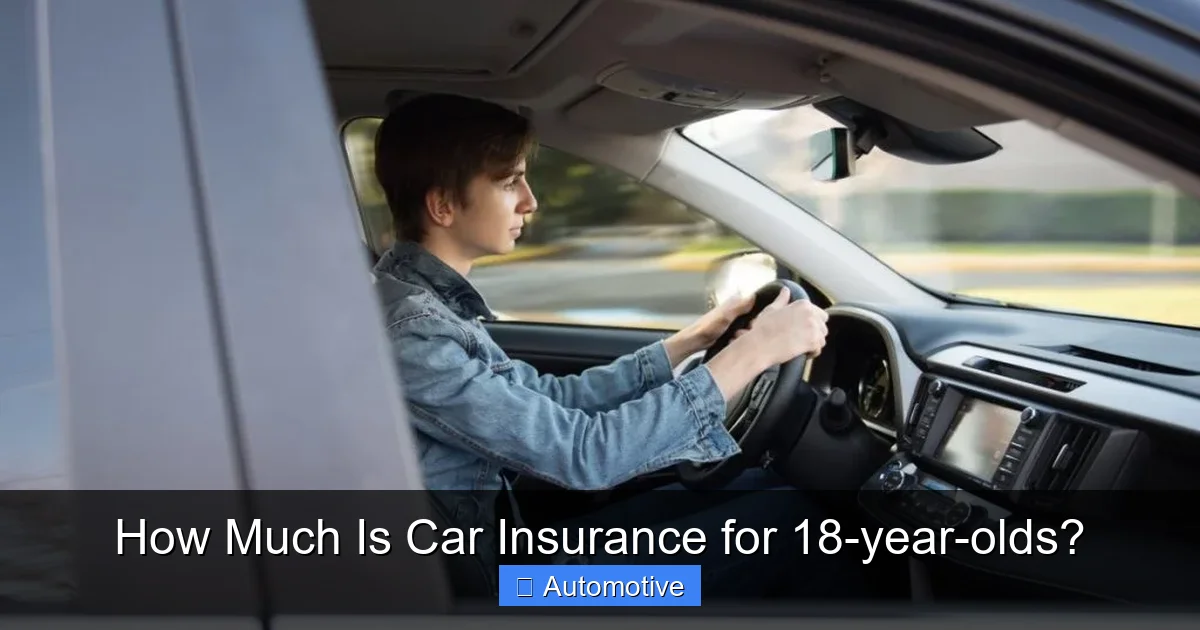
Visual guide about How Much Is Car Insurance for 18-year-olds?
Image source: csinsure.com
If you’re wondering why your insurance quote came back with a jaw-dropping number, you’re not alone. Insurance companies charge 18-year-olds more because they’re considered high-risk drivers. Let’s break down the reasons behind the high cost.
Statistical Risk and Accident Rates
Insurance is all about risk assessment. The higher the chance of a claim, the higher the premium. According to the National Highway Traffic Safety Administration (NHTSA), drivers aged 16 to 19 are nearly three times more likely to be in a fatal crash than drivers aged 20 and older. At 18, you’re right in the middle of that high-risk group.
Why? Lack of experience plays a huge role. New drivers haven’t yet developed the instincts to anticipate hazards, manage speed in bad weather, or react quickly in emergencies. Even small mistakes—like misjudging a turn or getting distracted by a phone—can lead to serious accidents.
Gender and Age Factors
Gender also affects rates, especially for young drivers. Statistically, male drivers under 25 are involved in more accidents than their female counterparts. As a result, 18-year-old males often pay significantly more for car insurance than 18-year-old females. For example, an 18-year-old male might pay $5,000 a year, while a female of the same age might pay $3,500—though this gap narrows with age and experience.
Lack of Driving History
Another major factor is the absence of a driving record. Insurance companies rely on past behavior to predict future risk. If you’ve never had a ticket, accident, or claim, there’s no data to show you’re a safe driver. Without that history, insurers assume the worst and charge accordingly.
Type of Coverage Needed
The level of coverage you choose also impacts cost. Minimum liability coverage—required in most states—is the cheapest option. But it only covers damage you cause to others, not your own vehicle. Full coverage, which includes collision and comprehensive insurance, is much more expensive but offers better protection. Many lenders require full coverage if you’re financing a car.
For an 18-year-old, full coverage can easily double or triple the cost compared to liability-only. But if you’re driving a newer or valuable car, it’s often worth the investment.
Average Car Insurance Costs by State
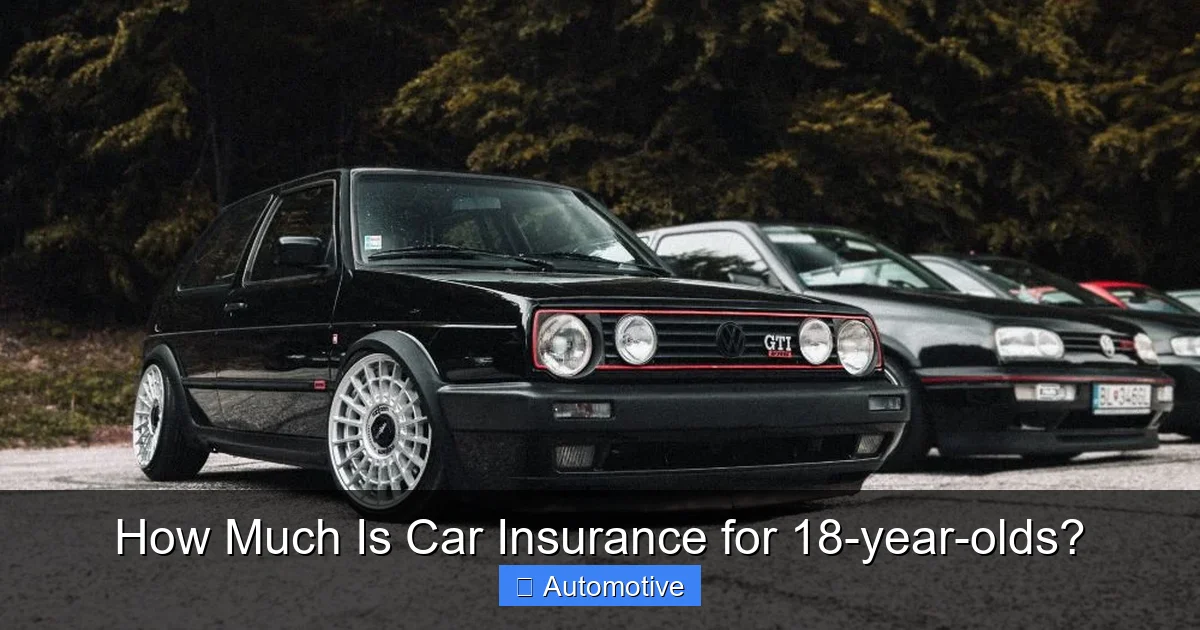
Visual guide about How Much Is Car Insurance for 18-year-olds?
Image source: cdn2.adrianflux.co.uk
Car insurance rates vary widely depending on where you live. State laws, population density, weather conditions, and crime rates all influence pricing. Here’s a look at how much 18-year-olds pay on average across different states.
Highest-Cost States
In states like Michigan, Louisiana, and Florida, car insurance for 18-year-olds can exceed $10,000 per year. Michigan, for example, has no-fault insurance laws and high medical coverage requirements, which drive up premiums across the board. Louisiana and Florida have high rates of uninsured drivers and severe weather, leading to more claims and higher costs.
Lowest-Cost States
On the other end of the spectrum, states like Maine, Vermont, and Ohio offer more affordable rates. In Maine, an 18-year-old might pay around $2,000 to $3,000 annually for full coverage. These states have lower population densities, fewer accidents, and more competitive insurance markets.
Regional Differences
Urban areas tend to have higher rates than rural ones. For example, an 18-year-old in New York City will pay far more than one in upstate New York. Cities have more traffic, higher theft rates, and greater chances of accidents—all of which increase insurance costs.
Even within the same state, ZIP code matters. Living in a neighborhood with high crime or frequent accidents can bump up your premium. Insurers use geolocation data to assess risk, so your address plays a bigger role than you might think.
Factors That Affect Car Insurance Rates for 18-Year-Olds
Visual guide about How Much Is Car Insurance for 18-year-olds?
Image source: cdn2.adrianflux.co.uk
While age and experience are the biggest factors, several other elements influence how much you’ll pay for car insurance. Understanding these can help you make smarter choices and potentially lower your premium.
Vehicle Type and Safety Features
The car you drive has a major impact on your insurance cost. Sports cars, luxury vehicles, and models with high repair costs are expensive to insure. For example, insuring a Ford Mustang will cost more than a Honda Civic.
On the flip side, cars with high safety ratings, anti-theft systems, and advanced driver-assistance features (like automatic emergency braking and lane departure warnings) can qualify for discounts. Insurers reward vehicles that are less likely to be in accidents or stolen.
Tip: When shopping for your first car, check insurance costs before buying. Some models are surprisingly affordable to insure, even for young drivers.
Coverage Level and Deductibles
The more coverage you have, the higher your premium. Liability-only plans are the cheapest but offer minimal protection. Full coverage includes collision (for damage to your car in an accident) and comprehensive (for theft, vandalism, or weather damage).
Your deductible—the amount you pay out of pocket before insurance kicks in—also affects cost. A higher deductible (like $1,000) lowers your monthly premium, but you’ll pay more if you file a claim. For 18-year-olds on a budget, a higher deductible can make insurance more affordable, but only if you can afford to pay it if needed.
Credit Score (Where Applicable)
In most states, insurers use credit-based insurance scores to help determine rates. While 18-year-olds often have limited credit history, those with good credit may see lower premiums. Conversely, poor credit can increase costs—even for young drivers.
Note: A few states (like California, Hawaii, and Massachusetts) prohibit the use of credit scores in insurance pricing.
Driving Record and Claims History
Even at 18, your driving record matters. A single speeding ticket can increase your premium by 20–30%. An at-fault accident can double it. On the other hand, maintaining a clean record over time can lead to significant savings.
Some insurers offer accident forgiveness programs, but these are rare for new drivers. The best way to keep rates low is to drive safely from day one.
Annual Mileage
How much you drive also affects your rate. The more miles you log, the higher your chance of an accident. If you commute long distances or use your car frequently, expect to pay more.
Conversely, low-mileage drivers (under 7,500 miles per year) may qualify for discounts. If you walk, bike, or take public transit often, be sure to mention it when getting quotes.
Ways to Reduce Car Insurance Costs for 18-Year-Olds
The high cost of car insurance for 18-year-olds can feel overwhelming, but there are proven strategies to lower your premium. With a little effort, you can save hundreds—or even thousands—of dollars each year.
Stay on Your Parent’s Policy
One of the best ways to save is by being added to a parent’s insurance policy as a secondary driver. Family plans often offer multi-car and multi-driver discounts, which can reduce the overall cost. Plus, parents usually have more driving experience and better credit, which helps lower the group rate.
However, make sure the parent is the primary policyholder. Some insurers require the car owner to be listed as the main driver. If you’re driving a family car, this setup works well.
Maintain Good Grades
Many insurance companies offer a “good student discount” for drivers under 25 who maintain a B average or higher. This can save you 10–25% on your premium. You’ll typically need to provide a report card or transcript as proof.
This discount isn’t just for high school students—it applies to college students too. So even if you’re in university, keep those grades up and ask your insurer about the discount.
Take a Defensive Driving Course
Completing an approved defensive driving or driver’s education course can lead to discounts with many insurers. These courses teach safe driving techniques, hazard recognition, and accident prevention.
Some states even require new drivers to complete a course before getting a license. Even if it’s not mandatory, the knowledge and potential savings make it worthwhile.
Choose a Safe, Affordable Car
As mentioned earlier, your vehicle choice affects your premium. Opt for a reliable, mid-sized sedan or compact SUV with good safety ratings. Avoid high-performance cars, luxury brands, and models with expensive repair costs.
Used cars can be a smart choice, but make sure they’re not too old. Very old cars may lack modern safety features, which could hurt your chances of getting discounts.
Increase Your Deductible
Raising your deductible from $500 to $1,000 can reduce your premium by 15–30%. Just make sure you have enough savings to cover the higher out-of-pocket cost if you need to file a claim.
This strategy works best for drivers who have a clean record and don’t expect to file frequent claims.
Look for Discounts
Insurance companies offer a variety of discounts that can add up. Common ones include:
– **Good student discount** (for maintaining high grades)
– **Multi-policy discount** (if you bundle auto and renters or home insurance)
– **Low-mileage discount** (for driving less than a certain number of miles)
– **Telematics or usage-based programs** (like Progressive’s Snapshot or State Farm’s Drive Safe & Save), which track your driving habits and reward safe behavior
Ask your insurer about all available discounts—you might be surprised by how much you can save.
Shop Around Annually
Insurance rates change over time. What was a great deal last year might not be the best option now. Make it a habit to compare quotes from at least three different insurers every year.
Use online comparison tools or work with an independent agent who can check multiple companies. Even small differences in monthly premiums can add up to big savings over time.
Real-Life Examples: What 18-Year-Olds Actually Pay
To give you a clearer picture, let’s look at a few real-world scenarios based on actual insurance data.
Example 1: Urban Male in California
Jake, an 18-year-old male living in Los Angeles, drives a 2018 Honda Civic. He’s added to his father’s policy and maintains a 3.8 GPA. He takes public transit to school and drives about 6,000 miles per year.
– **Coverage:** Full coverage (liability, collision, comprehensive)
– **Deductible:** $1,000
– **Annual Premium:** $4,200 ($350/month)
Jake qualifies for a good student discount and a low-mileage discount. His father’s clean driving record helps keep the rate lower than if he had his own policy.
Example 2: Rural Female in Ohio
Sarah, an 18-year-old female in rural Ohio, drives a 2015 Toyota Corolla. She’s on her mother’s policy and has completed a defensive driving course. She drives 8,000 miles annually for school and part-time work.
– **Coverage:** Full coverage
– **Deductible:** $500
– **Annual Premium:** $2,800 ($233/month)
Sarah benefits from her state’s lower base rates, her mother’s good credit, and multiple discounts. Her premium is significantly lower than Jake’s, despite similar coverage.
Example 3: Standalone Policy in Florida
Marcus, an 18-year-old male in Miami, has his own insurance policy. He drives a 2020 Ford Focus and has a clean record. He doesn’t qualify for any major discounts.
– **Coverage:** Full coverage
– **Deductible:** $500
– **Annual Premium:** $6,500 ($542/month)
Marcus pays more because he’s not on a family plan, lives in a high-cost state, and drives a newer car. His premium is over 50% higher than Sarah’s, even though they’re the same age.
These examples show how location, vehicle, discounts, and policy structure can dramatically affect cost.
When Should 18-Year-Olds Get Their Own Policy?
Most 18-year-olds are better off staying on a parent’s policy. But there are situations where getting your own insurance makes sense.
You Own the Car
If you’re the registered owner of the vehicle, some insurers may require you to be the primary policyholder. In this case, you’ll need your own policy, but you can still list a parent as a secondary driver to help with rates.
You Live Away from Home
College students living in another state may find it easier to get their own policy, especially if they’re driving a car registered in their name. Some insurers offer student discounts for those attending school away from home.
Your Parent’s Policy Doesn’t Allow Additional Drivers
Not all family plans allow multiple drivers. If your parent’s insurer limits the number of drivers or charges a high fee for adding you, it might be cheaper to get your own policy.
You Want More Control
Some young adults prefer managing their own insurance for independence. While this usually costs more, it can be a good learning experience.
If you do get your own policy, shop around carefully and take advantage of every discount available.
Conclusion: Smart Choices Lead to Lower Costs
So, how much is car insurance for 18-year-olds? The answer isn’t one-size-fits-all. While the average cost is high—often between $3,000 and $7,000 per year—there’s room to save with the right approach.
Start by staying on a parent’s policy if possible. Choose a safe, affordable car. Maintain good grades and a clean driving record. Take advantage of discounts and consider raising your deductible. And most importantly, shop around every year to make sure you’re getting the best deal.
Remember, your insurance rate will decrease as you gain experience. Each year without an accident or ticket brings you closer to lower premiums. By making smart choices now, you’ll build a strong foundation for affordable coverage in the future.
Driving is a privilege—and a responsibility. With the right insurance and habits, you can enjoy the freedom of the road while staying protected and financially smart.
Frequently Asked Questions
Why is car insurance so expensive for 18-year-olds?
Car insurance for 18-year-olds is expensive because they are statistically more likely to be in accidents due to lack of experience. Insurance companies charge higher premiums to offset this increased risk.
Can I stay on my parent’s car insurance policy at 18?
Yes, most insurers allow 18-year-olds to remain on a parent’s policy as a secondary driver. This is often the most affordable option and can save hundreds of dollars per year.
Do good grades really lower car insurance rates?
Yes, many insurance companies offer a good student discount for drivers under 25 who maintain a B average or higher. This can reduce premiums by 10–25%.
What type of car is cheapest to insure for an 18-year-old?
Safe, reliable, and economical cars like the Honda Civic, Toyota Corolla, or Ford Focus are typically the cheapest to insure. Avoid sports cars and luxury vehicles.
How can I reduce my car insurance premium as an 18-year-old?
You can lower your premium by staying on a parent’s policy, maintaining good grades, taking a defensive driving course, choosing a safe car, and shopping around for the best rate.
Will my car insurance rate go down as I get older?
Yes, your rate will likely decrease as you gain driving experience and maintain a clean record. Most drivers see significant savings by their mid-20s.