How Much Is an Oil Change at Nissan?

Contents
- 1 Key Takeaways
- 2 📑 Table of Contents
- 3 How Much Is an Oil Change at Nissan?
- 4 Average Cost of an Oil Change at Nissan
- 5 Why Choose a Nissan Dealership for Your Oil Change?
- 6 DIY Oil Change: Is It Worth It?
- 7 How Often Should You Change Your Nissan’s Oil?
- 8 Tips to Save Money on Nissan Oil Changes
- 9 Conclusion
- 10 Frequently Asked Questions

Anti Rust Spray

Tool Roll Bag

Car Cleaning Brush Set

Engine Oil Additive
An oil change at Nissan typically costs between $40 and $80, depending on your vehicle model, location, and oil type. Dealership services include inspections and genuine parts, offering peace of mind for long-term performance.
Key Takeaways
- Average cost ranges from $40 to $80: Most Nissan oil changes fall within this range, with synthetic blends and full synthetics on the higher end.
- Location and dealership affect pricing: Urban areas and high-demand regions often charge more than rural locations.
- Vehicle model matters: High-performance or newer models like the Nissan GT-R or electric hybrids may require specialized oil and labor.
- Service packages add value: Many Nissan dealers offer bundled maintenance plans that include tire rotations, fluid top-offs, and inspections.
- DIY vs. professional service: While DIY saves money, dealerships provide certified technicians and warranty protection.
- Frequency impacts long-term cost: Following the recommended oil change interval (every 5,000–7,500 miles) prevents engine damage and costly repairs.
- Promotions and coupons help: Nissan often runs seasonal deals that can reduce the cost by $10–$20 per visit.
📑 Table of Contents
How Much Is an Oil Change at Nissan?
If you’re a Nissan owner, one of the most common maintenance questions you’ll face is: How much is an oil change at Nissan? It’s a simple question, but the answer isn’t always straightforward. The cost can vary based on several factors, including your vehicle’s make and model, the type of oil used, your geographic location, and whether you go to a dealership or an independent shop. But don’t worry—we’re here to break it all down so you can make an informed decision without overpaying or compromising on quality.
Regular oil changes are essential for keeping your Nissan running smoothly. Oil lubricates the engine, reduces friction, prevents overheating, and helps remove contaminants. Over time, oil breaks down and loses its effectiveness, which is why timely changes are critical. While some drivers opt for quick lube chains or DIY methods, many prefer the reliability and expertise of a certified Nissan dealership. These service centers use genuine Nissan parts, trained technicians, and follow manufacturer-recommended procedures—giving you peace of mind that your car is in good hands.
Average Cost of an Oil Change at Nissan
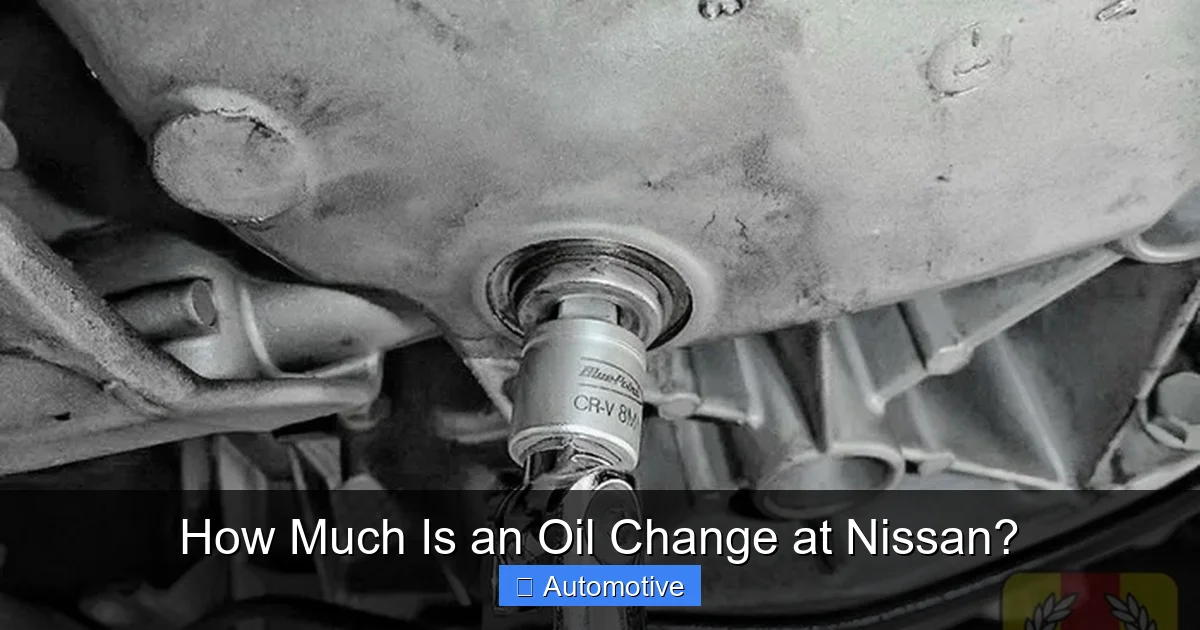
So, what’s the bottom line? On average, an oil change at a Nissan dealership costs between $40 and $80. This range covers most standard vehicles, such as the Nissan Altima, Sentra, Rogue, and Pathfinder. However, prices can go higher for performance models or those requiring full synthetic oil. For example, a Nissan GT-R or a fully electric Nissan Ariya might cost $90 or more due to specialized fluids and labor requirements.
Visual guide about How Much Is an Oil Change at Nissan?
Image source: teon-files.s3.amazonaws.com
Let’s look at a few real-world examples. A standard oil change for a 2022 Nissan Altima using conventional oil might cost around $45 at a dealership in a mid-sized city. The same service with a synthetic blend could jump to $65. Meanwhile, a full synthetic oil change for a 2023 Nissan Maxima might run closer to $75–$85. These prices often include a new oil filter, a multi-point inspection, and a top-off of essential fluids like windshield washer and coolant.
Factors That Influence Pricing
Several key factors determine how much you’ll pay for an oil change at Nissan:
- Oil Type: Conventional oil is the cheapest option, typically used in older or base-model vehicles. Synthetic blends offer better protection and are common in newer models. Full synthetic oil provides the highest performance and longevity but comes at a premium.
- Vehicle Model: High-performance or luxury models often require more oil or specialized formulations, increasing the cost.
- Location: Dealerships in major metropolitan areas like New York, Los Angeles, or Chicago tend to charge more due to higher operating costs. Rural dealerships may offer lower prices.
- Service Package: Many Nissan service centers offer bundled packages that include tire rotation, brake inspection, or fluid top-offs. These can add $10–$20 but provide better overall value.
- Promotions and Coupons: Nissan frequently runs seasonal promotions, such as “$10 off your next oil change” or “Buy 3, Get 1 Free” deals. Checking the Nissan website or signing up for emails can help you save.
Conventional vs. Synthetic Oil: What’s the Difference?
Understanding the difference between conventional and synthetic oil can help you choose the right option for your Nissan—and avoid overspending. Conventional oil is derived directly from crude oil and is suitable for older vehicles or those with simple engine designs. It’s affordable and works well under normal driving conditions.
Synthetic oil, on the other hand, is engineered in a lab to provide superior performance. It resists breakdown at high temperatures, flows better in cold weather, and offers better protection against engine wear. Most newer Nissan models recommend or require synthetic or synthetic blend oil, especially if they have turbocharged engines or are driven in extreme conditions.
For example, the Nissan Rogue with a turbocharged engine benefits significantly from full synthetic oil, which helps maintain engine efficiency and longevity. While it costs more upfront, the long-term benefits—such as fewer engine repairs and better fuel economy—can outweigh the initial expense.
Why Choose a Nissan Dealership for Your Oil Change?
You might be wondering: Can’t I just go to a local Jiffy Lube or do it myself? The answer is yes—but there are compelling reasons to stick with a Nissan dealership.

Visual guide about How Much Is an Oil Change at Nissan?
Image source: i.ytimg.com
First, dealerships use genuine Nissan parts and fluids that are specifically designed for your vehicle. This ensures compatibility and optimal performance. Independent shops may use generic or aftermarket products that could void your warranty or reduce engine efficiency.
Second, Nissan technicians are factory-trained and certified. They understand the nuances of your vehicle’s engine, electrical systems, and maintenance needs. This expertise is especially important for newer models with advanced technology, such as the Nissan Leaf or the ProPILOT Assist system in the Altima.
Third, dealerships often include a multi-point inspection with every oil change. This means they’ll check your brakes, tires, belts, hoses, and fluid levels—catching potential issues before they become expensive problems. Many customers appreciate this added layer of safety and convenience.
Warranty and Maintenance Records
Another major advantage of using a Nissan dealership is the impact on your vehicle’s warranty. If your Nissan is still under the manufacturer’s warranty (typically 3 years/36,000 miles for basic coverage and 5 years/60,000 miles for powertrain), using certified service centers helps maintain warranty validity. Some warranties even require service at authorized dealerships to remain in effect.
Additionally, dealerships keep detailed service records in their system. This makes it easier to track maintenance history, which can be helpful when selling your car or filing insurance claims. Independent shops may not offer the same level of documentation.
Convenience and Comfort
Let’s not forget the customer experience. Nissan dealerships often provide comfortable waiting areas with Wi-Fi, complimentary beverages, and even shuttle services or loaner cars for longer repairs. Some locations offer online scheduling and text updates, so you know exactly when your car is ready.
For busy professionals or parents, this level of convenience can be a game-changer. Instead of spending an hour at a quick lube with limited amenities, you can relax in a clean, quiet environment while your car is serviced by experts.
DIY Oil Change: Is It Worth It?
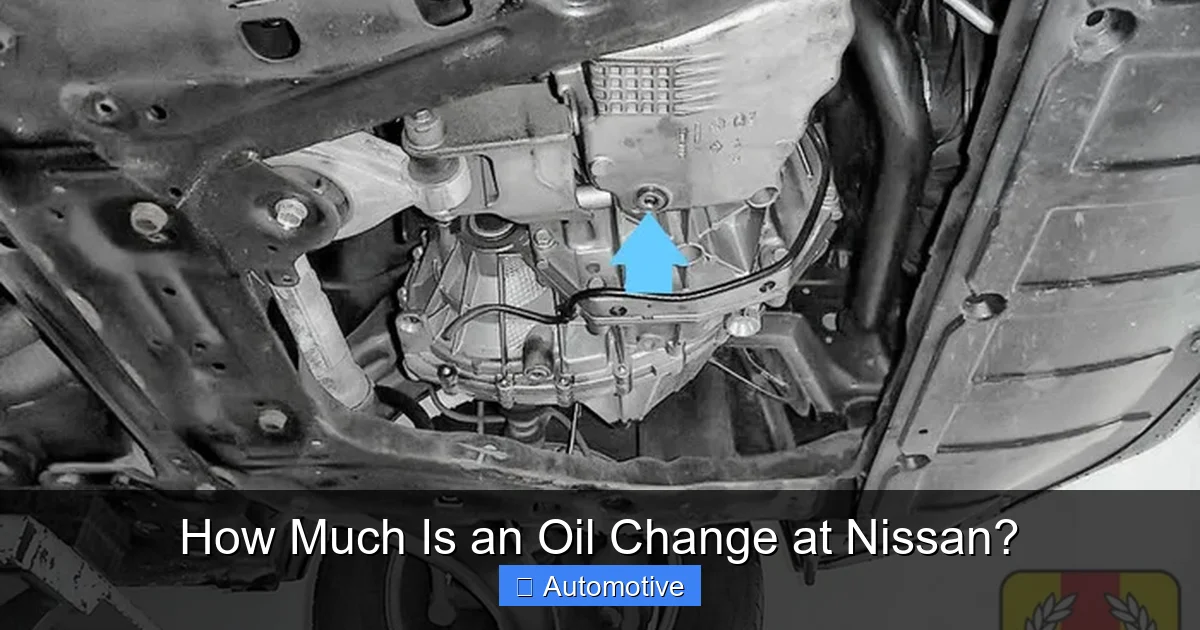
For the hands-on car enthusiast, doing your own oil change can be a rewarding and cost-effective option. A DIY oil change typically costs between $20 and $40, depending on the oil and filter you buy. You’ll need basic tools like a wrench, oil drain pan, funnel, and gloves—plus a safe place to work, such as a garage or driveway.
Visual guide about How Much Is an Oil Change at Nissan?
Image source: teon-files.s3.amazonaws.com
One of the biggest advantages of DIY is the savings. You avoid labor costs, which can account for 50% or more of the total price at a dealership. You also have full control over the quality of oil and filters used. Many DIYers prefer premium brands like Mobil 1 or Royal Purple, which may not be available at all service centers.
Step-by-Step DIY Oil Change Guide
Here’s a quick overview of how to change your Nissan’s oil at home:
- Gather supplies: New oil (check your owner’s manual for the correct type and amount), a new oil filter, a wrench, oil drain pan, funnel, and gloves.
- Warm up the engine: Run the car for a few minutes to thin the oil, making it easier to drain.
- Drain the old oil: Place the drain pan under the oil pan, remove the drain plug, and let the oil flow out completely.
- Replace the oil filter: Unscrew the old filter, apply a thin layer of new oil to the gasket of the new filter, and screw it on by hand.
- Add new oil: Replace the drain plug, use a funnel to pour in the new oil, and check the level with the dipstick.
- Dispose of old oil responsibly: Take used oil and filters to a recycling center or auto parts store that accepts them.
While DIY is cost-effective, it’s not for everyone. It requires time, physical effort, and a willingness to get dirty. You also assume responsibility for any mistakes—like overfilling the oil or cross-threading the filter—which could damage your engine.
When to Avoid DIY
There are situations where DIY might not be the best choice:
- Under warranty: If your Nissan is still under warranty, DIY changes could void coverage unless you keep detailed records and use approved parts.
- Complex models: Vehicles with hard-to-reach oil filters or special procedures (like the Nissan 370Z) are better left to professionals.
- Lack of tools or space: Not everyone has a garage, jack stands, or the right tools to safely perform an oil change.
- Time constraints: If you’re short on time, a 30-minute dealership visit might be more practical than a 1–2 hour DIY job.
How Often Should You Change Your Nissan’s Oil?
Knowing how much an oil change costs is only half the battle—you also need to know how often to get one. The general rule of thumb is every 5,000 to 7,500 miles, but this can vary based on your driving habits and vehicle model.
Nissan recommends following the maintenance schedule in your owner’s manual. Most newer models use synthetic oil and can go up to 7,500 miles between changes. However, if you frequently drive in severe conditions—such as stop-and-go traffic, extreme temperatures, or towing—you may need to change the oil every 3,000 to 5,000 miles.
Severe Driving Conditions
Severe driving conditions can accelerate oil degradation and increase wear on your engine. These include:
- Short trips (less than 10 miles) where the engine doesn’t fully warm up
- Frequent idling or low-speed driving
- Driving in dusty or sandy environments
- Extreme heat or cold
- Towing or hauling heavy loads
If you fall into any of these categories, consider changing your oil more frequently—even if your Nissan’s maintenance minder hasn’t alerted you yet.
Using the Maintenance Minder
Many modern Nissans come equipped with a maintenance minder system that calculates oil life based on driving conditions, engine temperature, and mileage. This system displays a percentage on your dashboard, alerting you when it’s time for service.
While the maintenance minder is a helpful tool, it’s not foolproof. It’s still a good idea to check your oil level and condition manually every month. Look for dark, gritty oil or a low level—both signs that a change is overdue.
Tips to Save Money on Nissan Oil Changes
Nobody likes paying more than necessary for car maintenance. Fortunately, there are several ways to reduce the cost of an oil change at Nissan without sacrificing quality.
Use Coupons and Promotions
Nissan frequently offers discounts and promotions through their website, email newsletters, and local dealerships. Common deals include:
- “$10 off your next oil change”
- “Buy 3 oil changes, get the 4th free”
- “Free multi-point inspection with any service”
Signing up for Nissan’s email list or following your local dealership on social media can help you stay informed about current offers. Some dealerships also offer loyalty programs that reward repeat customers with discounts or free services.
Bundle Services
Many Nissan service centers offer package deals that combine multiple services at a reduced rate. For example, an “Essential Care” package might include an oil change, tire rotation, and brake inspection for $79—saving you $20 compared to paying for each service separately.
These bundles are especially valuable if you’re due for other maintenance tasks. Instead of scheduling multiple visits, you can knock out several items in one trip.
Consider Independent Shops (Carefully)
If cost is your primary concern, you might consider using a reputable independent mechanic. Some local shops offer competitive pricing and high-quality service, especially if they specialize in Japanese vehicles.
However, be cautious. Make sure the shop uses the correct oil type and filter for your Nissan, and ask for a detailed receipt. If your car is under warranty, confirm that the service won’t affect coverage.
Maintain Your Vehicle Regularly
One of the best ways to save money on oil changes—and car maintenance in general—is to keep up with regular care. Clean oil lasts longer, and a well-maintained engine runs more efficiently. Simple habits like checking tire pressure, replacing air filters, and using high-quality fuel can extend the life of your oil and reduce the frequency of changes.
Conclusion
So, how much is an oil change at Nissan? The answer is typically between $40 and $80, with variations based on oil type, vehicle model, location, and service options. While DIY and independent shops offer cheaper alternatives, Nissan dealerships provide unmatched expertise, genuine parts, and added peace of mind—especially for newer or high-performance models.
Regular oil changes are a small investment that pays big dividends in engine health, fuel efficiency, and resale value. By understanding your vehicle’s needs, taking advantage of promotions, and following the recommended maintenance schedule, you can keep your Nissan running smoothly for years to come. Whether you choose the convenience of a dealership or the savings of DIY, the most important thing is to stay consistent. Your car—and your wallet—will thank you.
Frequently Asked Questions
How much does a Nissan oil change cost?
A Nissan oil change typically costs between $40 and $80 at a dealership, depending on the vehicle model, oil type, and location. Synthetic oil changes are usually on the higher end of this range.
Can I use conventional oil in my Nissan?
It depends on your vehicle. Older or base-model Nissans may allow conventional oil, but most newer models recommend or require synthetic or synthetic blend oil for optimal performance and engine protection.
How often should I change the oil in my Nissan?
Most Nissans should have an oil change every 5,000 to 7,500 miles. However, if you drive in severe conditions—like extreme temperatures or frequent short trips—you may need to change it more often.
Does a Nissan oil change include a filter replacement?
Yes, a standard oil change at a Nissan dealership includes a new oil filter, a multi-point inspection, and a top-off of essential fluids like coolant and windshield washer.
Can I change my Nissan’s oil myself?
Yes, you can perform a DIY oil change if you have the right tools and knowledge. However, if your car is under warranty, using a dealership ensures warranty compliance and proper documentation.
Are Nissan oil change coupons available?
Yes, Nissan often offers coupons and promotions for oil changes, such as $10 off or “buy 3, get 1 free” deals. Check the Nissan website or sign up for email alerts to stay updated.