How Much Is a Bmw Brake Fluid Service?

Contents
- 1 Key Takeaways
- 2 📑 Table of Contents
- 3 How Much Is a BMW Brake Fluid Service? A Complete Guide
- 4 What Is a Brake Fluid Service?
- 5 Average Cost of a BMW Brake Fluid Service
- 6 How Often Should You Get a Brake Fluid Service?
- 7 Why Regular Brake Fluid Service Matters
- 8 Choosing the Right Service Provider
- 9 Tips to Save Money on Brake Fluid Service
- 10 Conclusion: Don’t Skip This Critical Service
- 11 Frequently Asked Questions

Portable Air Pump

Tire Pressure Monitoring System (TPMS)

Dash Cam

Car Bumper Protector
Wondering how much a BMW brake fluid service costs? Most owners pay between $150 and $300, depending on location, model, and service provider. This essential maintenance ensures your braking system works smoothly and safely.
Key Takeaways
- Average cost: A BMW brake fluid service typically costs between $150 and $300 at a dealership or certified mechanic.
- Service frequency: BMW recommends replacing brake fluid every 2 years or 30,000 miles, whichever comes first.
- What’s included: The service includes draining old fluid, refilling with fresh DOT 4 fluid, and checking brake system components.
- DIY vs. professional: While possible to do at home, professional service ensures proper bleeding and system integrity.
- Signs you need it: Spongy brake pedal, longer stopping distances, or a dashboard warning light indicate it’s time for service.
- Model matters: High-performance models like the M Series may cost more due to specialized systems.
- Preventive value: Regular brake fluid changes prevent corrosion and maintain optimal braking performance.
📑 Table of Contents
- How Much Is a BMW Brake Fluid Service? A Complete Guide
- What Is a Brake Fluid Service?
- Average Cost of a BMW Brake Fluid Service
- How Often Should You Get a Brake Fluid Service?
- Why Regular Brake Fluid Service Matters
- Choosing the Right Service Provider
- Tips to Save Money on Brake Fluid Service
- Conclusion: Don’t Skip This Critical Service
How Much Is a BMW Brake Fluid Service? A Complete Guide
You’re driving your BMW down the highway, the sun is shining, and the engine purrs like a contented cat. Suddenly, you press the brake pedal and notice it feels a little spongy—like stepping on a wet sponge instead of a firm floor. That’s not just annoying; it’s a red flag. Your brake fluid might be due for a change.
If you’re like most BMW owners, you take pride in your car’s performance and safety. After all, BMWs are engineered for precision, power, and reliability. But even the most advanced vehicles need regular maintenance. One of the most overlooked—but critical—services is the brake fluid change. So, how much is a BMW brake fluid service? The short answer: usually between $150 and $300. But the real story is in the details. Let’s dive into what this service involves, why it matters, and how to get the best value for your money.
What Is a Brake Fluid Service?
Before we talk about cost, let’s clarify what a brake fluid service actually is. Brake fluid is the lifeblood of your car’s braking system. It transfers the force from your foot on the brake pedal to the brake calipers, which then clamp down on the rotors to slow or stop the car. Over time, brake fluid absorbs moisture from the air. This moisture lowers the fluid’s boiling point and can cause corrosion inside the brake lines, calipers, and master cylinder.
Visual guide about How Much Is a Bmw Brake Fluid Service?
Image source: fluidmotorunion.com
Why Brake Fluid Degrades
Brake fluid is hygroscopic, meaning it naturally absorbs water. Even in a sealed system, tiny amounts of moisture seep in over time. After two years, brake fluid can contain up to 3% water. That might not sound like much, but it’s enough to reduce the fluid’s effectiveness. When you brake hard—like in a panic stop—the fluid heats up. If it contains too much water, it can boil, creating air bubbles. Air compresses, but brake fluid doesn’t. The result? A soft or spongy pedal and reduced stopping power.
What Happens During the Service?
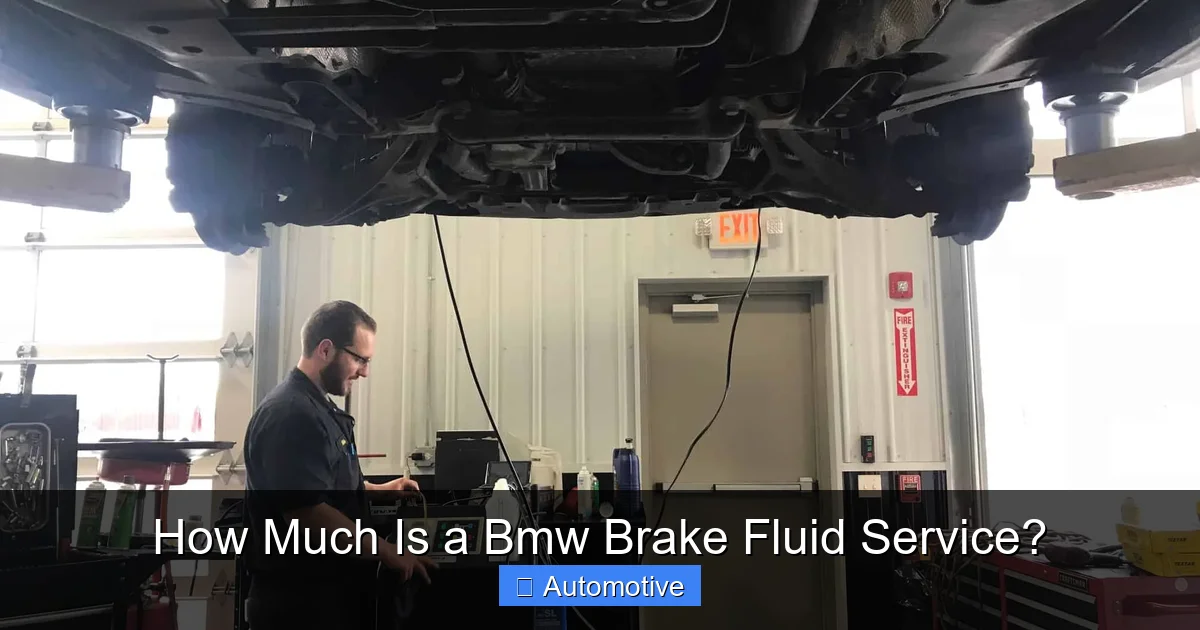
A proper BMW brake fluid service involves more than just topping off the reservoir. Here’s what a certified technician typically does:
- Inspects the brake fluid level and condition
- Drains the old fluid from the master cylinder
- Flushes the entire system using a pressure or vacuum bleeder
- Refills with fresh, high-quality DOT 4 brake fluid (BMW’s standard)
- Bleeds each brake caliper to remove air bubbles
- Checks for leaks, worn components, or signs of corrosion
- Resets the brake fluid service indicator (if equipped)
This process ensures that every part of the braking system receives clean, moisture-free fluid. It’s not just about safety—it’s about preserving the performance and longevity of your BMW’s braking components.
Average Cost of a BMW Brake Fluid Service
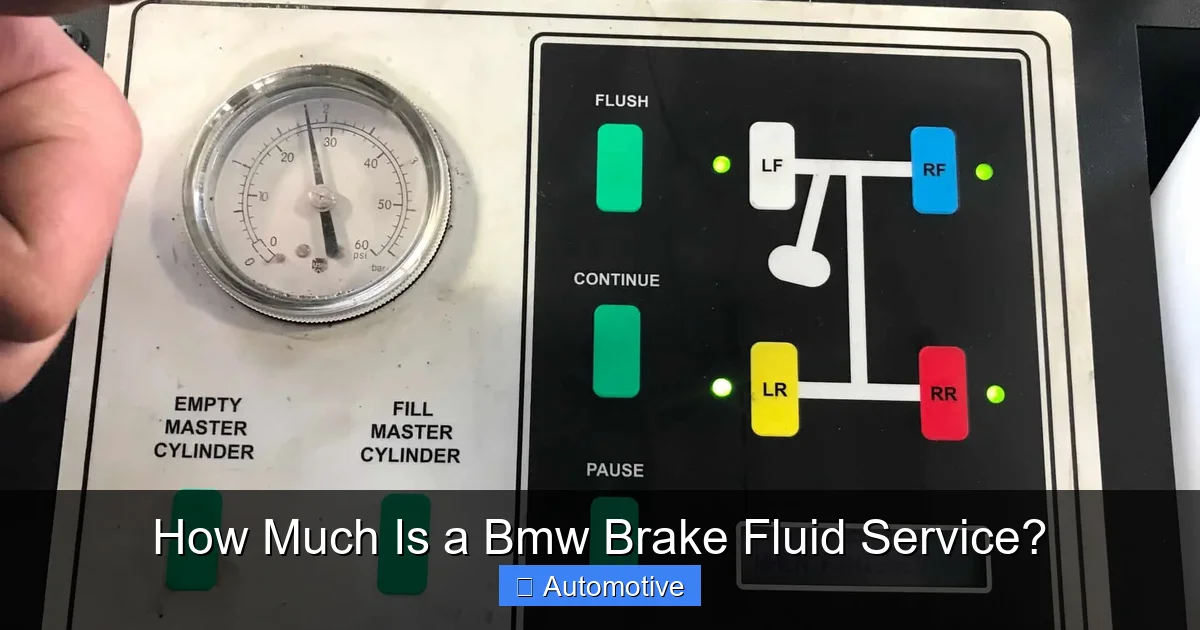
Now, let’s get to the big question: how much is a BMW brake fluid service? The national average ranges from $150 to $300. But that number can vary based on several factors. Let’s break it down.
Visual guide about How Much Is a Bmw Brake Fluid Service?
Image source: fluidmotorunion.com
Dealership vs. Independent Shop
BMW dealerships typically charge more—often between $200 and $300. Why? They use OEM (Original Equipment Manufacturer) parts, factory-trained technicians, and follow BMW’s exact service procedures. They also have access to diagnostic tools that can reset service reminders and check for hidden issues.
Independent BMW specialists or certified mechanics usually charge less—around $150 to $250. Many of these shops employ former dealership technicians and use high-quality aftermarket or OEM-equivalent fluids. If you’re looking for value without sacrificing quality, a reputable independent shop can be a smart choice.
Geographic Location
Location plays a big role in pricing. In cities like New York, Los Angeles, or San Francisco, labor rates are higher due to overhead costs. You might pay $250–$300 at a dealership in these areas. In smaller towns or rural areas, the same service could cost $150–$200. Always get a few quotes before committing.
Model and Year of Your BMW
Not all BMWs are created equal when it comes to brake systems. High-performance models like the M3, M5, or M8 often have larger brake systems, carbon-ceramic rotors, or advanced ABS modules. These may require more time and specialized tools to service, increasing the cost. Older models (pre-2010) might also need extra attention if the system hasn’t been maintained regularly.
Additional Repairs
Sometimes, a brake fluid service uncovers other issues. For example, if the technician finds a leaking brake line or worn caliper seals, those repairs will add to the total cost. While this isn’t part of the standard service, it’s a good reminder that regular maintenance can catch problems early—before they become expensive emergencies.
DIY Option: Can You Do It Yourself?
Yes, you can change your BMW’s brake fluid at home—if you have the right tools and knowledge. A DIY brake fluid change kit costs around $30–$50 and includes fresh DOT 4 fluid, a bleeder kit, and instructions. However, this isn’t a job for beginners. You’ll need to bleed the brakes in the correct order (usually starting from the wheel farthest from the master cylinder), avoid introducing air, and ensure the system is fully sealed.
One major risk: if air gets trapped in the ABS module, you may need a scan tool to reset it—something most home garages don’t have. For most owners, the peace of mind from a professional service is worth the extra cost.
How Often Should You Get a Brake Fluid Service?
BMW officially recommends replacing brake fluid every 2 years or 30,000 miles, whichever comes first. This interval is based on real-world testing and the fluid’s tendency to absorb moisture over time. But your driving habits and environment can affect how quickly the fluid degrades.

Visual guide about How Much Is a Bmw Brake Fluid Service?
Image source: yourbmwblog.com
Driving Conditions That Accelerate Wear
If you frequently drive in stop-and-go traffic, mountainous areas, or humid climates, your brake fluid may degrade faster. Hard braking generates more heat, which speeds up moisture absorption. Similarly, if you live in a coastal area with high humidity, the fluid will absorb water more quickly.
On the other hand, if you mostly drive on highways or in dry climates, you might get slightly more life out of your fluid—but never skip the 2-year mark. Even if the fluid looks clear, it could still contain harmful moisture.
Signs You Need a Brake Fluid Change
Don’t wait for the service reminder light. Watch for these warning signs:
- Spongy or soft brake pedal: This is the most common symptom of air or moisture in the system.
- Longer stopping distances: If your car takes longer to stop, the fluid may be boiling under pressure.
- Brake warning light: Some BMWs have a brake fluid level or condition sensor that triggers a dashboard alert.
- Discolored fluid: Fresh brake fluid is clear or slightly yellow. Dark, cloudy, or brown fluid indicates contamination.
- Unusual noises: Squealing or grinding could mean the fluid isn’t protecting internal components.
If you notice any of these, don’t delay. A brake fluid service is far cheaper than replacing corroded brake lines or calipers.
Why Regular Brake Fluid Service Matters
You might be thinking, “It’s just fluid. How important can it be?” The answer: extremely important. Your brakes are the most critical safety system in your car. A failure here can lead to accidents, injuries, or worse. Regular brake fluid service protects your investment and your safety.
Prevents Corrosion and Damage
Moisture in brake fluid creates an acidic environment that eats away at metal components. Over time, this can cause rust inside the brake lines, calipers, and master cylinder. Once corrosion sets in, repairs become costly. Replacing a brake line can cost $200–$500 per wheel. A master cylinder replacement? $800–$1,500. Regular fluid changes prevent this damage before it starts.
Maintains Braking Performance
BMW engineers design their braking systems to perform at peak levels. That means consistent pedal feel, short stopping distances, and responsive control. Contaminated fluid compromises all of this. A fresh fluid change restores the system to factory specs, ensuring your BMW stops as well as it accelerates.
Protects ABS and Stability Control
Modern BMWs come equipped with advanced safety systems like ABS (Anti-lock Braking System) and DSC (Dynamic Stability Control). These systems rely on precise hydraulic pressure. If air or moisture is in the lines, they can’t function properly. A brake fluid service ensures these systems work when you need them most—like in an emergency swerve or on slippery roads.
Extends the Life of Brake Components
Clean fluid lubricates internal seals and pistons, reducing wear. It also prevents sludge buildup that can clog small passages in the ABS module. By changing the fluid regularly, you’re not just maintaining performance—you’re extending the life of expensive components.
Peace of Mind
Let’s be honest: driving a BMW is about more than transportation. It’s about confidence, control, and the joy of the drive. Knowing your brakes are in top condition lets you enjoy every mile without worry.
Choosing the Right Service Provider
Now that you know how much a BMW brake fluid service costs and why it’s important, the next step is choosing where to get it done. Not all shops are created equal. Here’s how to find the right one.
Look for BMW Specialists
General mechanics can handle basic brake jobs, but BMWs have unique systems. Look for shops that specialize in European or BMW vehicles. These technicians are familiar with BMW’s engineering, use the right tools, and understand the importance of proper bleeding procedures.
Check Reviews and Certifications
Read online reviews on Google, Yelp, or BMW forums. Look for consistent praise about quality, honesty, and communication. Also, check if the shop is ASE-certified or affiliated with organizations like the Automotive Service Association (ASA).
Ask About the Fluid They Use
BMW recommends DOT 4 brake fluid with a high dry and wet boiling point. Ask what brand the shop uses. Reputable providers use fluids from trusted brands like ATE, Pentosin, or Bosch—not cheap, generic alternatives.
Get a Detailed Estimate
A good shop will provide a written estimate that breaks down labor, parts, and any additional services. Avoid places that give vague quotes like “around $200.” Transparency is a sign of professionalism.
Ask About Warranties
Some shops offer a warranty on their work—typically 12 months or 12,000 miles. This shows they stand behind their service. If something goes wrong, you’re covered.
Consider Convenience
Some dealerships and shops offer loaner cars, shuttle services, or weekend hours. If you have a busy schedule, these extras can make a big difference.
Tips to Save Money on Brake Fluid Service
Nobody likes paying for car maintenance, but there are ways to reduce the cost of a BMW brake fluid service without cutting corners.
Combine Services
Many shops offer discounts when you bundle services. For example, you might get a better rate if you do a brake fluid change, oil change, and tire rotation at the same time. This saves labor costs and keeps your car in top shape.
Look for Promotions
BMW dealerships and independent shops often run seasonal promotions. Check their websites or sign up for email newsletters. You might find a 10–15% discount on brake services.
Use OEM Parts When Possible
While aftermarket fluids can be cheaper, using OEM or high-quality equivalents ensures compatibility and performance. The small price difference is worth the reliability.
Stay on Schedule
The best way to save money is to follow the recommended service interval. Catching problems early prevents costly repairs down the road. Think of it as preventive healthcare for your car.
Ask About Loyalty Programs
Some shops offer loyalty cards or membership programs that give you discounts after a certain number of visits. If you plan to keep your BMW for years, this can add up.
Conclusion: Don’t Skip This Critical Service
So, how much is a BMW brake fluid service? Between $150 and $300—depending on where you go, what model you drive, and whether you add other services. But the real question isn’t the cost. It’s the value.
A brake fluid service is one of the most cost-effective ways to protect your BMW’s safety, performance, and resale value. It takes less than an hour, prevents expensive repairs, and gives you peace of mind every time you hit the road. Whether you choose a dealership, an independent specialist, or tackle it yourself, make sure it gets done—every two years, without fail.
Your brakes are your first line of defense in an emergency. Don’t let contaminated fluid compromise them. Schedule your next brake fluid service today, and keep your BMW running like the precision machine it was designed to be.
Frequently Asked Questions
How often should I change the brake fluid in my BMW?
BMW recommends replacing brake fluid every 2 years or 30,000 miles, whichever comes first. This interval helps prevent moisture buildup and maintains braking performance.
Can I drive my BMW if the brake fluid is low?
You should not drive if the brake fluid is significantly low, as it could indicate a leak or worn brake pads. Top it off temporarily, but have the system inspected immediately.
Is brake fluid the same as brake oil?
No, brake fluid is not oil. It’s a specialized hydraulic fluid (usually DOT 4) designed to withstand high temperatures and transfer pressure in the braking system.
Can I use any DOT 4 fluid in my BMW?
You should use high-quality DOT 4 fluid that meets BMW specifications. Avoid cheap or generic brands, as they may not provide adequate protection or performance.
Will my BMW warn me when brake fluid needs changing?
Some newer BMW models have a brake fluid condition sensor that triggers a dashboard warning. However, many rely on the 2-year interval, so don’t wait for a light.
Is a brake fluid flush the same as a brake fluid change?
Yes, in this context, “flush” and “change” mean the same thing: completely replacing the old fluid with new fluid and bleeding the system to remove air.