How Much Does It Cost to Paint a Volkswagen Beetle?

Contents
- 1 Key Takeaways
- 2 📑 Table of Contents
- 3 Factors That Influence the Cost of Painting a Volkswagen Beetle
- 4 DIY Paint Job: Can You Do It Yourself?
- 5 Professional Paint Jobs: What to Expect
- 6 Cost Breakdown: Real-World Examples
- 7 Tips to Save Money Without Sacrificing Quality
- 8 Conclusion
- 9 Frequently Asked Questions

OBD2 Scanner Tool

Car Sunshade for Windshield

Magnetic Car Phone Mount

Car Battery Charger
Painting a Volkswagen Beetle typically costs between $500 and $5,000, depending on the quality, method, and whether you DIY or hire a pro. From basic touch-ups to full custom paint jobs, your budget and desired finish will shape the final price.
So, you’ve got a Volkswagen Beetle—maybe it’s a vintage classic, a retro-modern New Beetle, or even a custom chop-top project. It’s cute, it’s iconic, and it deserves to look its best. But that faded paint, those little rust spots, or just the desire for a fresh new color have you wondering: *How much does it cost to paint a Volkswagen Beetle?*
Well, you’re not alone. Beetle owners love their cars, and part of that love is keeping them looking sharp. Whether you’re restoring a 1967 Karmann Ghia-inspired beauty or giving your 2010 New Beetle a bold new identity, a paint job can transform the entire vibe of your ride. But before you grab a roller and a can of spray paint, let’s talk real numbers, realistic expectations, and what actually goes into painting one of the most recognizable cars on the road.
The truth is, the cost to paint a Volkswagen Beetle isn’t a one-size-fits-all answer. It depends on a mix of factors: the type of paint, the condition of the body, whether you’re doing it yourself or hiring a pro, and even where you live. A quick touch-up might cost under $200, while a show-quality, multi-layer custom job can run well over $5,000. But don’t panic—most Beetle owners fall somewhere in the middle. With the right planning, you can get a stunning finish without blowing your budget.
Key Takeaways
- DIY vs. Professional: Doing it yourself can save money but requires skill and proper tools; professionals ensure a high-quality, long-lasting finish.
- Paint Type Matters: Acrylic enamel is affordable, while urethane and ceramic coatings offer durability and a premium look at a higher cost.
- Body Condition Impacts Price: Rust, dents, or peeling paint increase prep work and labor costs significantly.
- Color Choice Affects Cost: Standard colors are cheaper; metallics, pearls, or custom shades require more materials and labor.
- Full vs. Partial Paint: Spot repairs cost $200–$800; full resprays range from $2,500–$5,000 or more.
- Geographic Location: Labor rates vary by region—urban areas often charge more than rural ones.
- Long-Term Value: A quality paint job protects your Beetle’s body and boosts resale value.
📑 Table of Contents
Factors That Influence the Cost of Painting a Volkswagen Beetle
Painting a car isn’t just slapping on some color and calling it a day. It’s a process that involves prep, materials, labor, and finishing. And with a Beetle—especially an older model—there are some unique considerations. Let’s break down the main factors that affect how much you’ll pay.
1. Paint Quality and Type
Not all paints are created equal. The type of paint you choose will have a big impact on both cost and longevity. Here are the most common options:
– **Acrylic Enamel:** This is the most budget-friendly option, often used in DIY kits. It’s easy to apply but less durable and prone to fading over time. Expect to pay $50–$150 for a basic enamel kit.
– **Acrylic Urethane:** A step up in quality, urethane paints offer better color retention, gloss, and resistance to UV and chemicals. Professional shops often use this. A gallon can cost $200–$400, plus hardener and reducer.
– **Ceramic or Nano Coatings:** These aren’t paints per se, but protective topcoats that go over your paint job. They add shine and make cleaning easier, but they’re pricey—$500–$1,500 extra for a full application.
If you’re going pro, most reputable shops will use urethane-based systems. They’re more expensive upfront but last longer and look better.
2. Body Condition and Prep Work
Here’s where costs can sneak up on you. A paint job isn’t just about the paint—it’s about what’s underneath. If your Beetle has rust, dents, or old peeling paint, those issues need to be fixed first.
For example, a small rust spot on the fender might cost $150–$300 to repair. But if the floor pans or wheel wells are corroded, that could add $500–$1,500 in metalwork and rust treatment. Similarly, deep scratches or dings require body filler, sanding, and priming—each step adds time and cost.
A professional shop will assess the car and give you a detailed estimate. Don’t skip this step. Painting over rust or damage will only make it worse over time.
3. DIY vs. Professional Paint Job
This is the biggest cost divider. Doing it yourself can save thousands, but it’s not for everyone.
A DIY paint job might cost $300–$800 for materials: paint, primer, sandpaper, masking tape, and a spray gun. But you’ll need a clean, dust-free space (like a garage with good ventilation), proper safety gear, and a lot of patience. Mistakes like orange peel texture, runs, or uneven coverage are common for beginners.
On the other hand, a professional paint job ensures a smooth, factory-like finish. Shops have spray booths, climate control, and experienced technicians. But you’re paying for expertise—and that comes at a premium.
4. Full Respray vs. Partial or Spot Repair
Are you painting the whole car, or just fixing a few areas? This makes a huge difference.
– **Spot Repair:** Touching up a scratch or small dent might cost $200–$600. It’s cheaper, but color matching can be tricky, especially on older Beetles with faded original paint.
– **Panel Painting:** Doing one or two panels (like the hood and trunk) could run $800–$1,500.
– **Full Respray:** This is the full monty—every panel, trim removed, full prep, and a uniform finish. Expect $2,500–$5,000 or more, depending on the shop and paint type.
A full respray gives the best results and value, especially if you’re planning to keep the car long-term.
5. Color and Finish Options
Want classic white? That’s easy and affordable. Dreaming of a metallic blue or pearlescent pink? That’ll cost more.
Standard solid colors are the cheapest. Metallics and pearls require extra layers and blending, which increases labor time. Custom colors or two-tone schemes can add $500–$1,500 to the total.
Also, consider the finish: matte, satin, or high-gloss. Matte paints are trendy but harder to maintain and repair. Gloss finishes are classic and easier to care for.
6. Geographic Location and Shop Rates
Labor costs vary widely. In cities like Los Angeles, New York, or Chicago, you might pay $80–$120 per hour for bodywork. In smaller towns or rural areas, it could be $50–$70.
Always get at least three quotes from local shops. Check reviews, ask to see past work, and make sure they’re experienced with older or classic cars.
DIY Paint Job: Can You Do It Yourself?

Visual guide about How Much Does It Cost to Paint a Volkswagen Beetle?
Image source: volkswagenbuddy.com
So, you’re handy with tools and love a good project. Painting your Beetle yourself is totally doable—but it’s not a weekend job unless you’re already experienced.
Tools and Materials You’ll Need
Here’s a basic list:
– Sandpaper (80, 180, 320, 600 grit)
– Primer (epoxy or urethane-based)
– Paint (acrylic urethane recommended)
– Clear coat
– Spray gun and compressor
– Masking tape and paper
– Safety gear (respirator, goggles, gloves)
– Tack cloths and wax/grease remover
Total cost: $400–$800 for a decent setup.
Step-by-Step Process
1. **Strip the Car:** Remove trim, lights, handles, and mirrors. This ensures clean edges and full coverage.
2. **Sand the Surface:** Start with 80-grit to remove old paint, then work up to 320-grit for a smooth base.
3. **Repair Damage:** Fill dents, treat rust, and sand smooth.
4. **Apply Primer:** Spray 2–3 coats, sanding lightly between each.
5. **Paint:** Apply 2–3 coats of color, allowing proper drying time.
6. **Clear Coat:** Add 2–3 layers of clear for protection and shine.
7. **Wet Sand and Polish:** Once cured, wet sand with 1000–2000 grit, then buff to a mirror finish.
Tips for Success
– Work in a clean, dust-free environment. Even a speck of dirt can ruin the finish.
– Practice on a test panel first.
– Follow the paint manufacturer’s instructions for mixing and drying times.
– Don’t rush—proper curing can take 2–4 weeks.
Common Mistakes to Avoid
– Skipping prep work (the #1 cause of paint failure).
– Painting in high humidity or direct sunlight.
– Applying too much paint too quickly (causes runs).
– Not using a respirator—paint fumes are toxic.
If you’re not confident, consider hiring a pro for the final paint and clear coat, even if you do the prep yourself. It’s a hybrid approach that saves money while ensuring quality.
Professional Paint Jobs: What to Expect
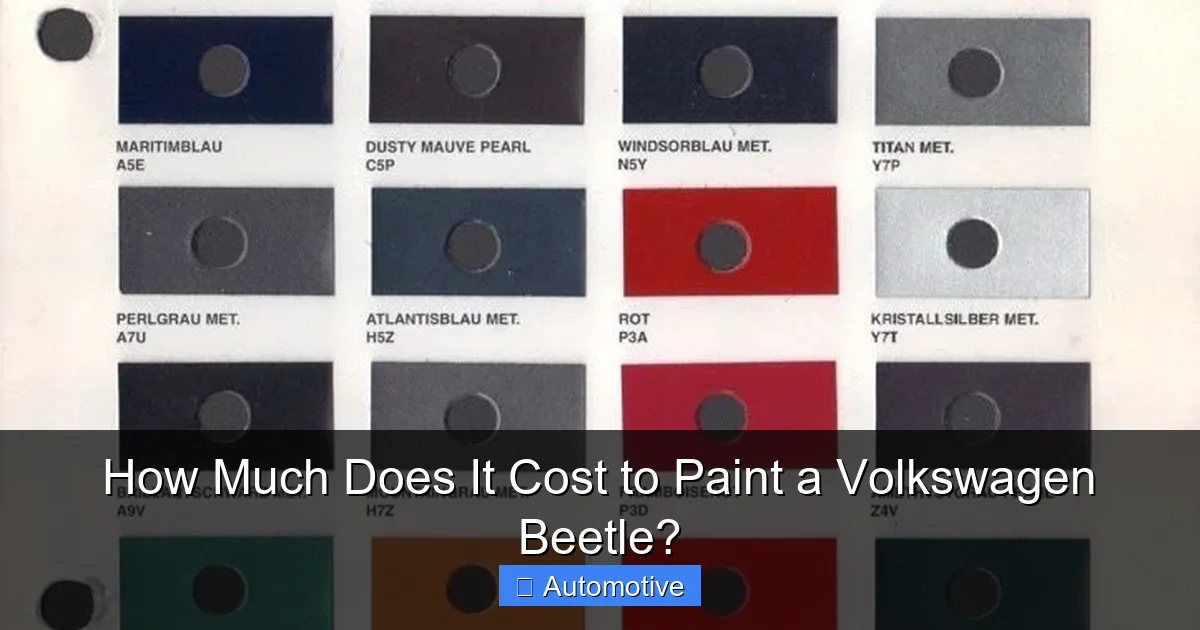
Visual guide about How Much Does It Cost to Paint a Volkswagen Beetle?
Image source: i.pinimg.com
If you’re going the professional route, you’re investing in expertise, equipment, and peace of mind. But not all shops are equal. Here’s what to look for.
Choosing the Right Shop
Ask these questions:
– Do you specialize in classic or vintage cars?
– Can I see examples of your work on Beetles or similar models?
– What type of paint system do you use?
– Do you offer a warranty on the paint job?
– How long will it take?
A good shop will walk you through the process, explain their materials, and give a detailed, written estimate.
What’s Included in a Professional Job?
A full professional respray typically includes:
– Complete disassembly (panels, trim, glass)
– Rust repair and bodywork
– Sanding and surface prep
– Primer application
– Color coat and clear coat
– Reassembly and detailing
Some shops also offer ceramic coating or paint protection film (PPF) as add-ons.
Average Costs by Shop Type
– **Budget Shops:** $2,000–$3,000. May use lower-grade materials or skip steps.
– **Mid-Range Shops:** $3,000–$4,500. Good balance of quality and price.
– **High-End or Specialty Shops:** $4,500–$7,000+. Use premium paints, detailed prep, and offer warranties.
Always check reviews on Google, Yelp, or classic car forums. A cheap job can cost more in the long run if it peels or fades quickly.
Cost Breakdown: Real-World Examples
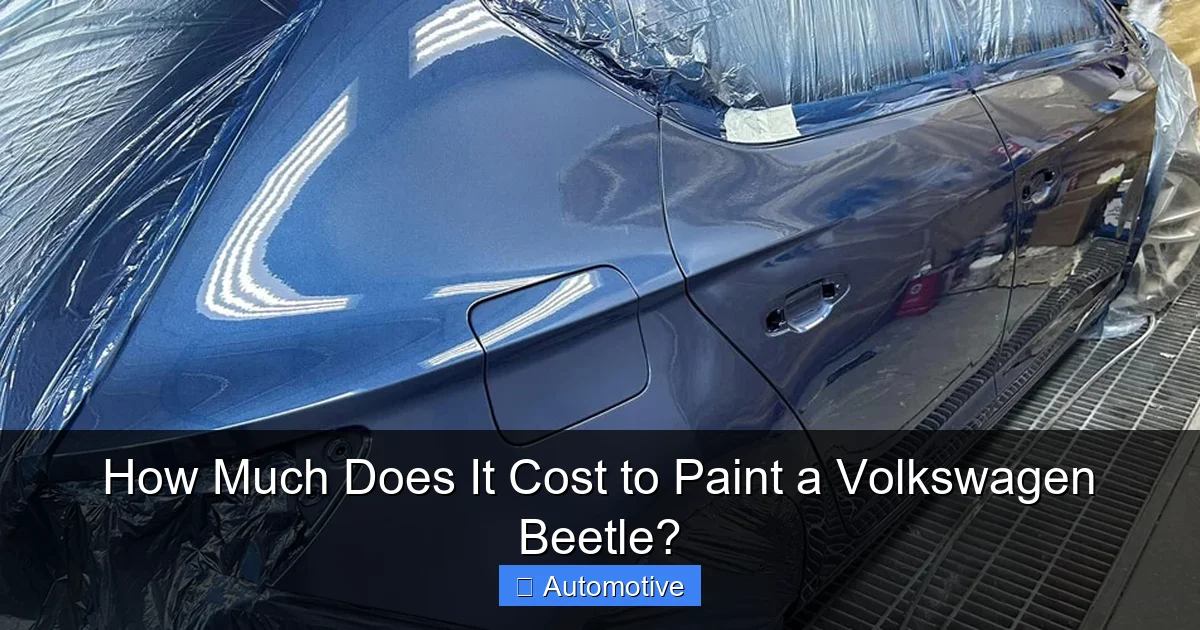
Visual guide about How Much Does It Cost to Paint a Volkswagen Beetle?
Image source: carsmechinery.com
Let’s look at a few realistic scenarios to give you a better idea of what you might pay.
Example 1: DIY Refresh on a 1972 Beetle
– Condition: Minor surface rust, faded original paint
– Goal: Restore to original color
– Cost:
– Materials: $600 (paint, primer, tools)
– Rust repair (DIY): $100 (materials)
– Total: ~$700
– Time: 3–4 weekends
– Result: Decent finish, but may show minor imperfections
Example 2: Professional Full Respray on a 2005 New Beetle
– Condition: Good body, minor scratches
– Goal: Change from silver to deep blue metallic
– Cost:
– Shop labor: $3,200
– Paint and materials: $800
– Total: ~$4,000
– Time: 10–14 days
– Result: Showroom-quality finish, 5-year warranty
Example 3: Custom Paint Job on a Restored 1968 Beetle
– Condition: Fully restored body, no rust
– Goal: Two-tone custom design with pinstriping
– Cost:
– Shop labor: $5,500
– Custom paint and detailing: $1,200
– Ceramic coating: $600
– Total: ~$7,300
– Time: 3–4 weeks
– Result: One-of-a-kind, head-turning finish
These examples show how goals and conditions shape the final price.
Tips to Save Money Without Sacrificing Quality
You don’t have to break the bank to get a great paint job. Here are some smart ways to save:
– **Do the prep work yourself.** Sanding, rust repair, and masking can save $500–$1,000 in labor.
– **Choose a standard color.** Avoid metallics or custom mixes unless you really want them.
– **Get multiple quotes.** Prices can vary by thousands between shops.
– **Time it right.** Some shops offer discounts in off-peak seasons (winter).
– **Bundle services.** If you need bodywork, get it done with the paint job for a package deal.
– **Maintain your paint.** Regular washing, waxing, and garage storage extend the life of your finish.
Conclusion
So, how much does it cost to paint a Volkswagen Beetle? The short answer: anywhere from $500 to $7,000+, depending on your goals, skills, and the car’s condition.
A DIY job can be rewarding and affordable, but it takes time, space, and patience. A professional job delivers flawless results and long-term protection, but comes at a higher price. Most Beetle owners find the sweet spot in the $2,500–$4,500 range for a quality full respray.
No matter which route you take, remember: a great paint job isn’t just about looks. It protects your car from the elements, increases its value, and gives you pride every time you hit the road. Whether you’re cruising down the Pacific Coast Highway or parked at a classic car show, your Beetle deserves to shine.
So grab your wallet, your tools, or your phone—and get that paint project started. Your Beetle will thank you.
Frequently Asked Questions
How long does a professional paint job on a Beetle take?
A full professional paint job typically takes 10 to 14 days, depending on the shop’s workload and the extent of prep work needed. This includes disassembly, bodywork, painting, curing, and reassembly.
Can I paint my Beetle the same color as the original?
Yes, most shops can match the original factory color using your VIN or paint code. However, if the car has faded over time, a full respray may be needed for a uniform look.
Is it worth painting a Beetle if it’s not in perfect condition?
It depends. If the body has major rust or structural damage, repair those issues first. Painting over problems will only delay the inevitable and waste money.
How long will a new paint job last on a Volkswagen Beetle?
A quality paint job with proper maintenance can last 10–15 years or more. Regular washing, waxing, and garage storage help protect the finish from UV damage and environmental wear.
Can I drive my Beetle immediately after a paint job?
No. Most shops recommend waiting at least 7–10 days before driving, and 30 days before waxing or washing. The paint needs time to fully cure and harden.
Do I need to remove all the trim before painting?
Yes, for a professional finish, all trim, lights, handles, and mirrors should be removed. This ensures clean edges and full coverage without overspray.