How Much Does It Cost to Paint a Jeep?

Contents
- 1 Key Takeaways
- 2 📑 Table of Contents
- 3 How Much Does It Cost to Paint a Jeep?
- 4 Factors That Affect the Cost of Painting a Jeep
- 5 DIY Jeep Paint Job: Cost Breakdown and Tips
- 6 Professional Paint Jobs: What to Expect
- 7 Custom and Specialty Paint Options
- 8 How to Save Money on a Jeep Paint Job
- 9 Conclusion: Is It Worth It?
- 10 Frequently Asked Questions


Painting a Jeep can cost anywhere from $300 for a DIY job to over $5,000 for a high-end custom finish. The final price depends on the method, paint quality, labor, and whether you’re doing it yourself or hiring a pro.
Key Takeaways
- DIY painting is the most affordable option: You can paint your Jeep for as little as $300–$800 using spray cans or a basic HVLP spray gun, but results may lack durability and finish quality.
- Professional paint jobs range from $2,000 to $5,000+: A full professional repaint with primer, base coat, and clear coat typically costs between $2,500 and $4,500, depending on the shop and location.
- Custom and specialty finishes cost more: Matte, metallic, pearl, or two-tone designs can add $500–$2,000 to the total cost due to extra materials and labor.
- Preparation work significantly impacts price: Sanding, rust removal, dent repair, and masking can add $300–$1,000 to a professional job but are essential for a long-lasting finish.
- Used or older Jeeps may need more prep: Vehicles with fading, oxidation, or body damage require more time and materials, increasing overall cost.
- Location and shop reputation matter: Urban areas and high-end shops charge more, while rural or independent shops may offer lower rates.
- DIY saves money but requires skill and patience: While cheaper, DIY painting demands proper ventilation, tools, and technique to avoid drips, uneven coats, or peeling.
📑 Table of Contents
How Much Does It Cost to Paint a Jeep?
So, you’ve got a Jeep—maybe it’s a rugged Wrangler, a classic CJ, or a newer Gladiator—and you’re thinking about giving it a fresh coat of paint. Whether it’s to restore faded paint, cover up scratches, or just switch up the color for a bold new look, painting your Jeep is a great way to personalize and protect your ride. But before you grab a spray can or call a body shop, you’re probably wondering: *How much does it actually cost to paint a Jeep?*
The short answer? It depends. A lot. From DIY kits to full professional repaints, the price can swing wildly based on your goals, skill level, and the condition of your vehicle. On the low end, you could spend under $500 doing it yourself. On the high end, a show-quality custom paint job might set you back $5,000 or more. In this guide, we’ll break down every factor that affects the cost, give you real-world examples, and help you decide which route is right for you.
Whether you’re a weekend warrior with a garage full of tools or someone who’d rather leave it to the pros, we’ve got you covered. We’ll explore DIY options, professional services, custom finishes, and even tips to save money without sacrificing quality. By the end, you’ll know exactly what to expect—and how to get the best value for your paint job.
Factors That Affect the Cost of Painting a Jeep
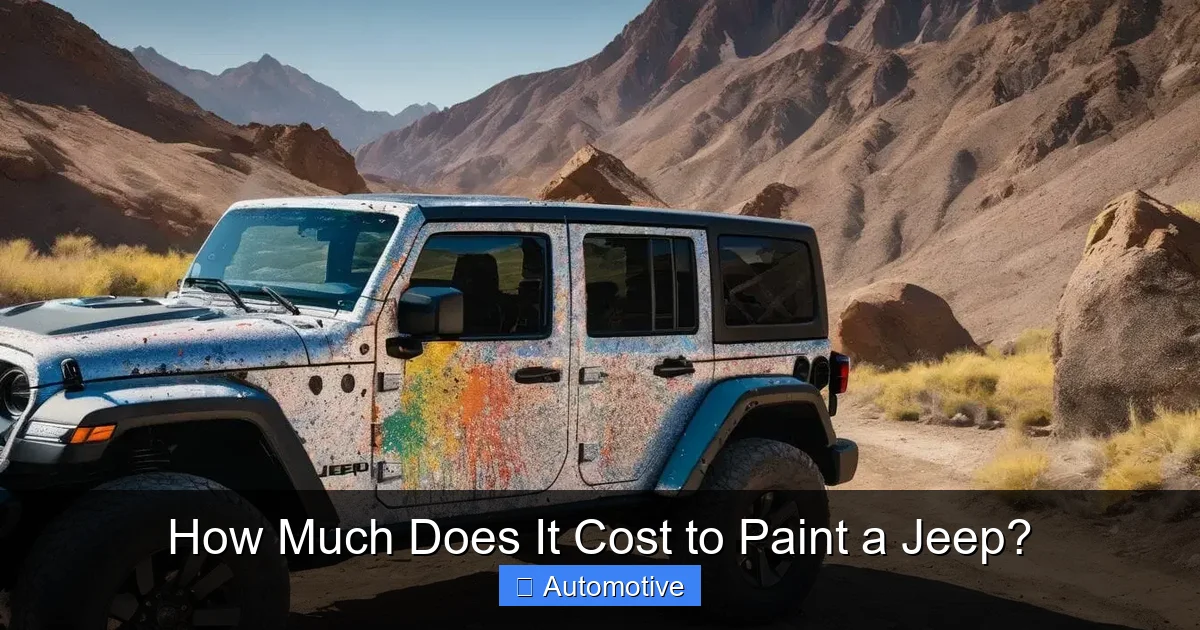
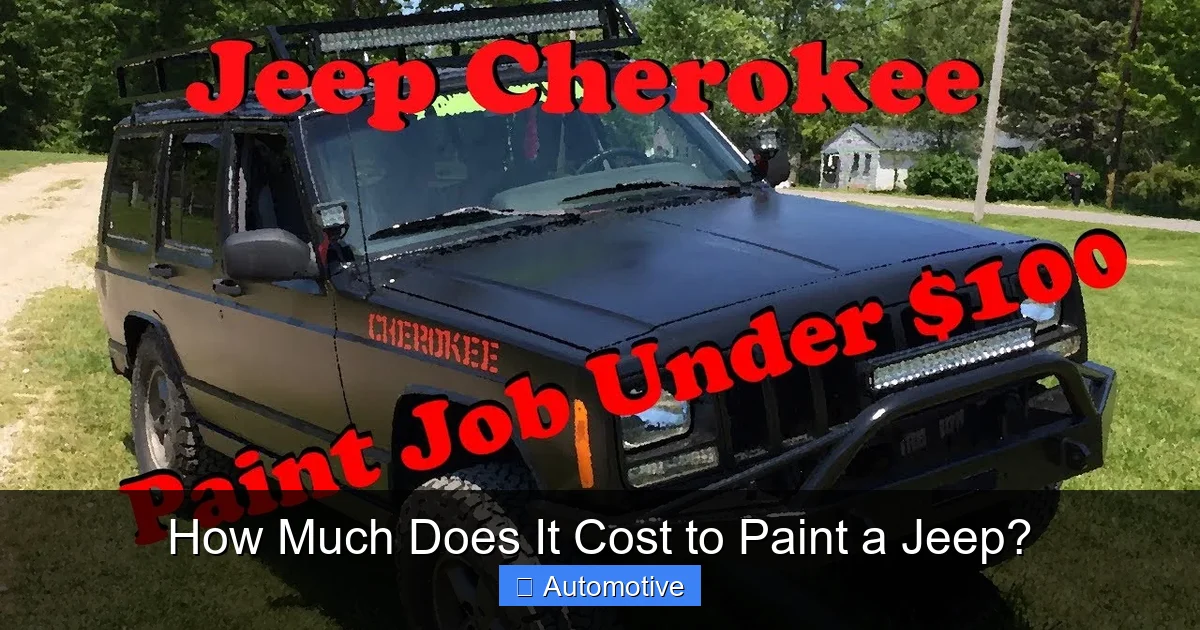
Visual guide about How Much Does It Cost to Paint a Jeep?
Image source: eqxb5i7wuqg.exactdn.com
Painting a Jeep isn’t just about slapping on some color and calling it a day. Several key factors influence the final price, and understanding them will help you budget wisely and avoid surprises.
1. Paint Quality and Type
Not all paint is created equal. The type of paint you choose—whether it’s standard enamel, urethane, or a high-end ceramic coating—plays a huge role in cost. Basic spray paint from a hardware store might cost $10–$20 per can, but it won’t last long under off-road conditions. On the other hand, professional-grade automotive paint can run $100–$300 per gallon, plus the cost of primer and clear coat.
For example, a high-quality urethane base coat with a durable clear coat will cost more upfront but resist chipping, fading, and UV damage far better than cheaper alternatives. If you plan to take your Jeep off-road or live in a sunny climate, investing in better paint is worth it.
2. Labor and Professional Services
Labor is often the biggest expense in a professional paint job. Most body shops charge between $50 and $120 per hour, and a full repaint can take 20–40 hours depending on complexity. That means labor alone could cost $1,000–$4,000.
Independent shops or mobile painters might offer lower rates, especially in rural areas, while high-end collision centers in cities like Los Angeles or New York will charge a premium. Always ask for a detailed quote that breaks down labor, materials, and any additional services.
3. Surface Preparation
This is where many people underestimate the work involved. A professional paint job starts long before the first coat goes on. The Jeep must be thoroughly cleaned, sanded, and stripped of old paint if necessary. Any rust, dents, or body damage must be repaired. Masking off windows, trim, and lights also takes time.
Poor prep leads to peeling, bubbling, or uneven color—so don’t skip it. Expect to pay $300–$1,000 extra for thorough prep work, especially if your Jeep has seen better days.
4. Color and Finish Complexity
A simple solid color like black or white is the most affordable option. But if you want metallic flake, pearl finish, matte black, or a two-tone design, the cost goes up. Custom colors may require special mixing, and intricate designs need skilled painters and extra time.
For instance, a matte finish requires a different clear coat and careful application to avoid shine spots. A two-tone job might add $500–$1,500 to the total cost due to additional masking and blending.
5. DIY vs. Professional
This is the biggest cost divider. Doing it yourself slashes labor costs but increases the risk of mistakes. A professional ensures a smooth, durable finish but comes with a higher price tag. We’ll dive deeper into both options below.
DIY Jeep Paint Job: Cost Breakdown and Tips
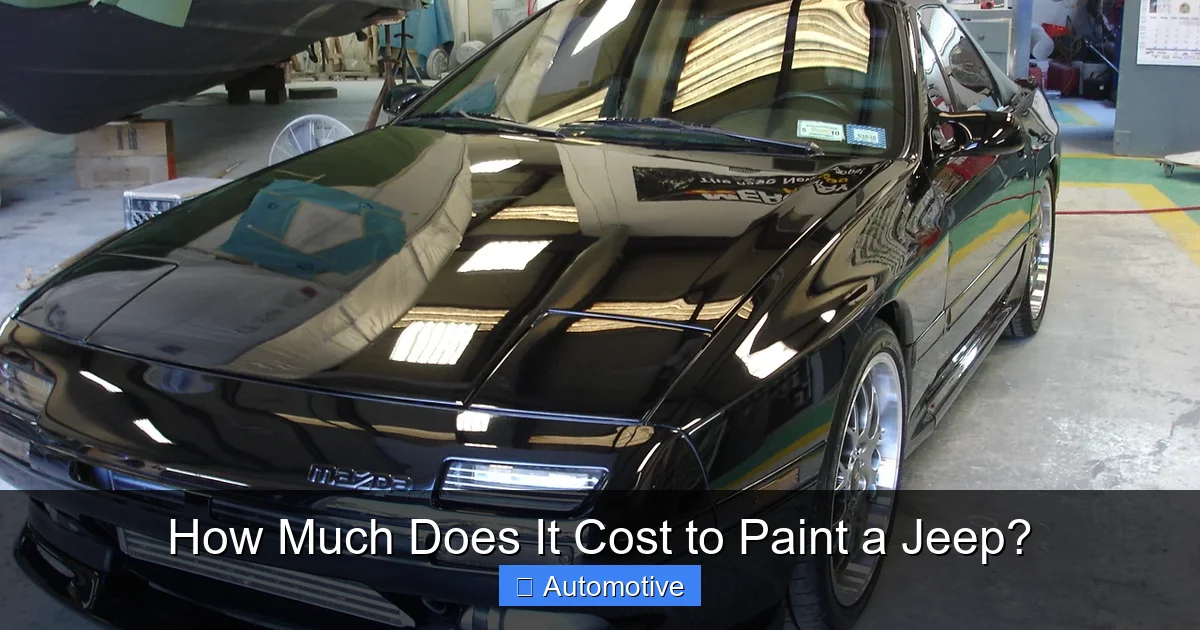
Visual guide about How Much Does It Cost to Paint a Jeep?
Image source: learnautobodyandpaint.com
If you’re handy with tools and willing to put in the time, painting your Jeep yourself can be a rewarding and budget-friendly project. But it’s not as simple as spraying paint on metal—there’s a process, and cutting corners can lead to disaster.
Estimated DIY Cost: $300–$800
Here’s a realistic breakdown of what you’ll spend:
– **Sandpaper and abrasives:** $20–$50
You’ll need various grits (80, 120, 220, 400) for stripping and smoothing the surface.
– **Primer:** $30–$60 per quart
A good epoxy or self-etching primer is essential for adhesion and rust prevention.
– **Paint:** $50–$150 per quart
Automotive spray paint or a small batch of mixed paint. Expect to use 2–4 quarts for a full job.
– **Clear coat:** $40–$80 per quart
Protects the color and adds shine. Use at least two coats.
– **Spray equipment:** $50–$200
A basic HVLP (high-volume, low-pressure) spray gun is ideal. You can rent one for $30–$50 per day.
– **Masking tape, plastic sheeting, and drop cloths:** $20–$40
Protect windows, trim, and the interior from overspray.
– **Respirator mask and safety gear:** $30–$60
Never skip this—paint fumes and particles are hazardous.
Total: Around $300–$800, depending on tools you already own.
Step-by-Step DIY Process
1. **Remove trim and accessories:** Take off bumpers, mirrors, grille, and any parts you don’t want painted. This makes masking easier and prevents overspray.
2. **Wash and degrease:** Use a strong cleaner like Simple Green or wax and grease remover to eliminate dirt, oil, and old wax.
3. **Sand the surface:** Start with 80-grit to remove old paint and rust, then move to 120 and 220 for smoothing. Wipe down with tack cloth.
4. **Apply primer:** Spray 2–3 thin coats, sanding lightly between coats with 400-grit. Let dry completely.
5. **Paint:** Apply 3–4 thin, even coats of base color, waiting 10–15 minutes between coats. Avoid thick layers to prevent drips.
6. **Clear coat:** Apply 2–3 coats of clear, sanding lightly with 1000-grit between coats for a smooth finish.
7. **Buff and polish:** Once fully cured (usually 7–14 days), use a dual-action polisher to remove orange peel and bring out shine.
Tips for a Successful DIY Job
– **Work in a clean, dust-free environment.** A garage with good ventilation is ideal. Avoid windy or humid days.
– **Use a paint booth or build a temporary one.** Hang plastic sheeting to create a contained space.
– **Practice on a small panel first.** Test your spray pattern and technique on a scrap piece of metal.
– **Don’t rush drying times.** Follow the manufacturer’s instructions for drying and curing.
– **Wear proper safety gear.** A respirator, gloves, and goggles are non-negotiable.
Pros and Cons of DIY Painting
Pros:
– Saves $1,500–$4,000 compared to professional jobs.
– Full control over color and finish.
– Satisfaction of doing it yourself.
Cons:
– Risk of uneven color, drips, or peeling.
– Requires time, space, and patience.
– May not last as long as a professional job.
Professional Paint Jobs: What to Expect
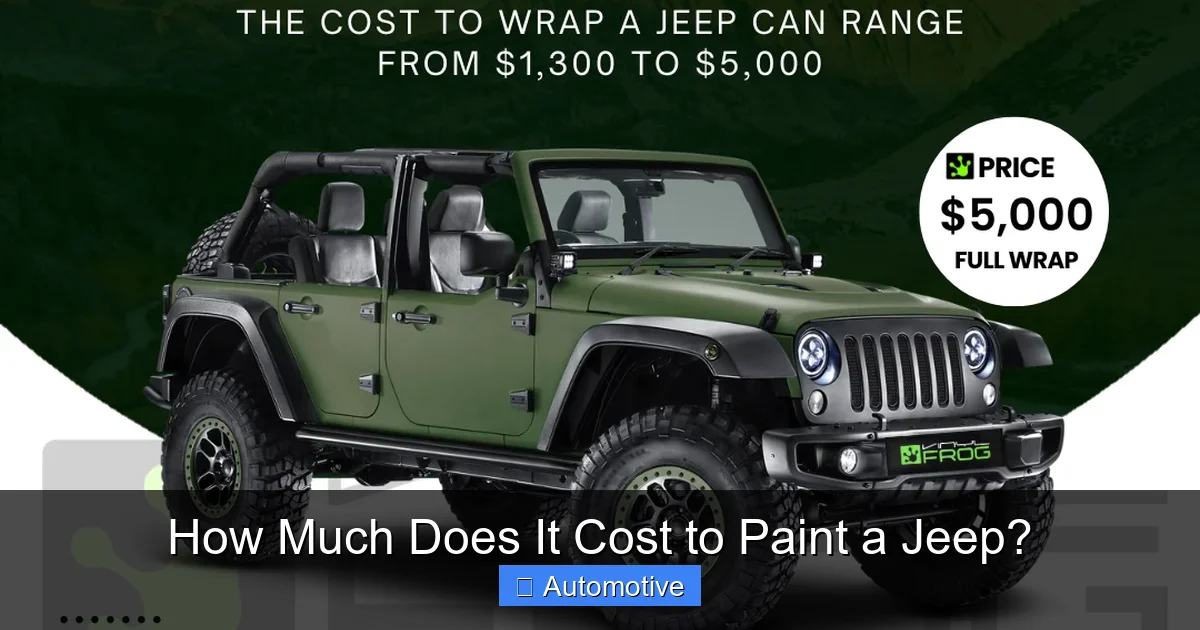
Visual guide about How Much Does It Cost to Paint a Jeep?
Image source: adventurejeep.com
If you want a flawless, long-lasting finish with minimal hassle, hiring a professional is the way to go. A skilled painter can transform your Jeep into a head-turning machine—but it comes at a price.
Estimated Professional Cost: $2,000–$5,000+
Here’s what you’re paying for:
– **Labor:** $1,000–$3,000 (20–40 hours at $50–$100/hour)
– **Materials:** $300–$800 (paint, primer, clear coat, reducers)
– **Prep work:** $300–$1,000 (sanding, rust repair, dent removal)
– **Custom options:** $200–$2,000 (special colors, finishes, designs)
Total: $2,000–$5,000 for a standard repaint. Custom or show-quality jobs can exceed $7,000.
What’s Included in a Professional Job?
A reputable shop will provide:
– Full disassembly of removable parts
– Complete surface prep, including rust treatment
– High-quality primer and paint application
– Multiple coats of clear coat
– Buffing and polishing for a mirror-like finish
– Warranty (usually 1–3 years)
Some shops also offer ceramic coating or paint protection film (PPF) for added durability.
How to Choose the Right Shop
Not all body shops are equal. Here’s how to find a good one:
– **Check reviews and portfolios.** Look for before-and-after photos of Jeeps or similar vehicles.
– **Ask about experience with Jeeps.** Wranglers have unique body lines and removable parts—experience matters.
– **Get multiple quotes.** Compare prices and services. Don’t just go for the cheapest.
– **Ask about paint brands.** Shops using PPG, DuPont, or Glasurit are using top-tier materials.
– **Inquire about warranties.** A good shop will stand behind their work.
Real-World Example: Professional Paint Job
Let’s say you take your 2015 Jeep Wrangler to a mid-range body shop in Austin, Texas. The Jeep has some surface rust and faded paint but no major dents. The shop quotes:
– Labor: $1,800 (30 hours at $60/hour)
– Materials: $500 (primer, paint, clear coat)
– Prep work: $400 (rust removal, sanding, masking)
– Total: $2,700
They use a high-gloss black urethane paint with a ceramic-enhanced clear coat and offer a 2-year warranty. The job takes two weeks, and the result is a showroom-quality finish.
Custom and Specialty Paint Options
Want your Jeep to stand out? Custom paint jobs let you express your personality—but they come with a premium price tag.
Popular Custom Finishes
– **Matte or satin finish:** $500–$1,500 extra. Requires special clear coat and careful maintenance.
– **Metallic or pearl:** $300–$800 extra. Adds depth and shine but needs skilled application.
– **Two-tone or tri-color:** $800–$2,000 extra. Involves precise masking and blending.
– **Graphic designs or murals:** $1,000–$5,000+. Custom airbrushing or vinyl wraps.
Example: Custom Matte Black with Red Accents
A Jeep owner wants a matte black base with red pinstripes and a flame design on the hood. The shop charges:
– Base paint job: $2,800
– Matte finish upgrade: $600
– Custom graphics: $1,200
– Total: $4,600
The result is a bold, aggressive look that turns heads on and off the trail.
DIY Custom Options
You can also add custom touches yourself:
– **Vinyl wraps:** $500–$2,000 for full or partial coverage. Easier to apply than paint and removable.
– **Stencils and spray paint:** Create stripes, logos, or patterns with masking tape and spray cans.
– **Plasti Dip:** A removable rubber coating that comes in many colors. Great for testing new looks.
How to Save Money on a Jeep Paint Job
Painting a Jeep doesn’t have to break the bank. With smart planning, you can cut costs without sacrificing quality.
1. Do the Prep Work Yourself
Even if you hire a pro, you can save $300–$800 by doing the prep work yourself. Remove trim, sand the surface, and clean the Jeep before dropping it off. Just make sure the shop knows what you’ve done.
2. Choose a Solid Color
Skip metallic, pearl, or custom designs. A solid color like white, black, or gray is cheaper and easier to apply.
3. Shop Around
Get quotes from at least three shops. Independent painters or mobile services often charge less than dealerships or high-end collision centers.
4. Paint in Stages
If budget is tight, consider painting the body now and the hardtop or doors later. Or do a partial repaint on the most visible areas.
5. Use a Paint Protection Add-On
Instead of a full repaint, apply a ceramic coating ($300–$800) to restore shine and protect existing paint. It’s cheaper and can last 2–5 years.
6. Time It Right
Body shops are often less busy in winter. You might get a discount or faster service during off-peak months.
Conclusion: Is It Worth It?
So, how much does it cost to paint a Jeep? The answer ranges from a few hundred dollars for a DIY job to several thousand for a professional or custom finish. The right choice depends on your budget, skill level, and how much you value a flawless result.
If you’re on a tight budget and enjoy hands-on projects, DIY painting can be a fun and rewarding experience. Just be prepared to invest time and accept some imperfections.
If you want a durable, show-quality finish that enhances your Jeep’s value and appearance, hiring a professional is worth the investment. A well-done paint job can last 10+ years and make your Jeep look brand new.
And if you’re going for a custom look, be ready to pay a premium—but the results can be truly one-of-a-kind.
No matter which route you take, remember: preparation is everything. Skipping steps might save money upfront but cost you more in the long run with peeling, fading, or rust.
Take your time, do your research, and choose the option that fits your lifestyle and goals. Your Jeep deserves to look as tough and capable as it drives.
Frequently Asked Questions
Can I paint my Jeep with spray paint?
Yes, you can paint your Jeep with spray paint, but it’s not recommended for a long-lasting finish. Spray paint lacks the durability of automotive-grade paint and may chip or fade quickly, especially off-road. For best results, use a spray gun with proper primer and clear coat.
How long does a professional paint job last?
A high-quality professional paint job can last 10–15 years or more with proper care. Factors like UV exposure, weather, and maintenance affect longevity. Regular washing and waxing help protect the finish.
Is it cheaper to wrap or paint a Jeep?
Vinyl wrapping is often cheaper than a full repaint, costing $2,000–$4,000 compared to $2,500–$5,000 for paint. Wraps are also removable and offer unique designs, but they don’t last as long and can’t fix underlying paint damage.
Can I paint my Jeep in my driveway?
Technically yes, but it’s not ideal. Dust, wind, and humidity can ruin the finish. A clean, enclosed garage is best. If you must paint outside, choose a calm, dry day and use a temporary paint booth made of plastic sheeting.
Do I need to remove the hardtop to paint my Jeep?
It’s not required, but removing the hardtop makes painting easier and ensures full coverage. Most professionals recommend removing it for a clean, even finish. You can reinstall it after the paint cures.
Will a new paint job increase my Jeep’s resale value?
A high-quality paint job can increase resale value, especially if the original paint was faded or damaged. However, a cheap or poorly done job may hurt value. Always use quality materials and proper techniques.