How Much Does Car Insurance Cost?

Contents
- 1 Key Takeaways
- 2 📑 Table of Contents
- 3 How Much Does Car Insurance Cost? A Complete Guide for 2024
- 4 National Average Car Insurance Costs
- 5 Factors That Affect Your Car Insurance Premium
- 6 How to Lower Your Car Insurance Costs
- 7 State-by-State Car Insurance Cost Differences
- 8 Common Misconceptions About Car Insurance Costs
- 9 Final Thoughts: Finding the Right Balance
- 10 Frequently Asked Questions

Car Battery Tester

Windshield Cleaning Tool

Side Mirror Rain Guard

Side Window Sunshade
Car insurance costs vary widely based on location, age, driving history, and coverage level. On average, drivers pay between $1,500 and $2,000 annually, but smart shopping and discounts can significantly lower your bill.
Key Takeaways
- Average annual car insurance cost: Most drivers pay between $1,500 and $2,000 per year for full coverage, while minimum liability coverage averages around $600.
- Your location matters: Urban areas with high traffic and theft rates often have higher premiums than rural regions.
- Age and experience impact rates: Young drivers under 25 typically pay the most, while experienced drivers over 50 often see lower costs.
- Driving history is critical: Accidents, tickets, and DUIs can increase premiums by 20% to 100% or more.
- Vehicle type affects pricing: Luxury, sports, and high-theft vehicles generally cost more to insure than safe, economical models.
- Coverage level determines cost: Full coverage (liability, collision, comprehensive) is more expensive than state-minimum liability only.
- Discounts can save you money: Safe driver, multi-policy, good student, and low-mileage discounts can reduce premiums by 10% to 30%.
📑 Table of Contents
- How Much Does Car Insurance Cost? A Complete Guide for 2024
- National Average Car Insurance Costs
- Factors That Affect Your Car Insurance Premium
- How to Lower Your Car Insurance Costs
- State-by-State Car Insurance Cost Differences
- Common Misconceptions About Car Insurance Costs
- Final Thoughts: Finding the Right Balance
How Much Does Car Insurance Cost? A Complete Guide for 2024
If you’ve ever wondered, “How much does car insurance cost?” you’re not alone. It’s one of the most common questions among new drivers, recent movers, and anyone shopping for a better deal. The truth is, car insurance isn’t a one-size-fits-all expense. Your premium depends on a mix of personal factors, driving habits, and even where you live. But don’t worry—this guide breaks it all down in simple terms so you can understand what you’re paying for and how to get the best value.
Car insurance is more than just a legal requirement in most states—it’s a financial safety net. Whether you’re involved in a fender bender or a major collision, the right policy can protect your wallet from thousands in repair bills, medical costs, or legal fees. But with so many variables affecting pricing, it’s easy to feel overwhelmed. From your age and driving record to your car’s make and model, even your credit score can play a role. The good news? Once you know what influences your rate, you can take steps to lower it.
In this comprehensive guide, we’ll explore the average cost of car insurance in the U.S., dive into the key factors that affect your premium, and share practical tips to help you save. Whether you’re a first-time buyer or looking to switch providers, this article will give you the knowledge you need to make an informed decision. Let’s get started.
National Average Car Insurance Costs
Visual guide about How Much Does Car Insurance Cost?
Image source: investopedia.com
So, how much does car insurance cost on average? According to recent data from sources like the National Association of Insurance Commissioners (NAIC) and industry reports, the average American driver pays about $1,771 per year for full coverage car insurance. That breaks down to roughly $148 per month. For minimum liability coverage—just enough to meet state requirements—the average drops to around $565 per year, or about $47 per month.
These numbers are helpful as a starting point, but they don’t tell the whole story. Car insurance costs can vary dramatically from state to state. For example, drivers in Michigan pay the highest average premiums—over $3,000 annually—due to the state’s unique no-fault insurance laws and unlimited personal injury protection (PIP) coverage. On the other end of the spectrum, Maine drivers enjoy some of the lowest rates in the country, averaging around $900 per year for full coverage.
It’s also important to understand the difference between full coverage and minimum coverage. Full coverage typically includes liability, collision, and comprehensive insurance. This means your policy will help pay for damage to your own vehicle as well as others involved in an accident. Minimum coverage, on the other hand, only covers damages you cause to other people’s property and medical expenses for others—not your own car or injuries. While minimum coverage is cheaper, it leaves you financially vulnerable in many situations.
For example, imagine you’re in a minor accident that totals your $20,000 car. With minimum coverage, you’d have to pay for the entire repair or replacement out of pocket. With full coverage, your insurer would cover most or all of that cost, minus your deductible. That’s why many financial experts recommend full coverage if you own a newer or financed vehicle.
Factors That Affect Your Car Insurance Premium

Visual guide about How Much Does Car Insurance Cost?
Image source: s28126.pcdn.co
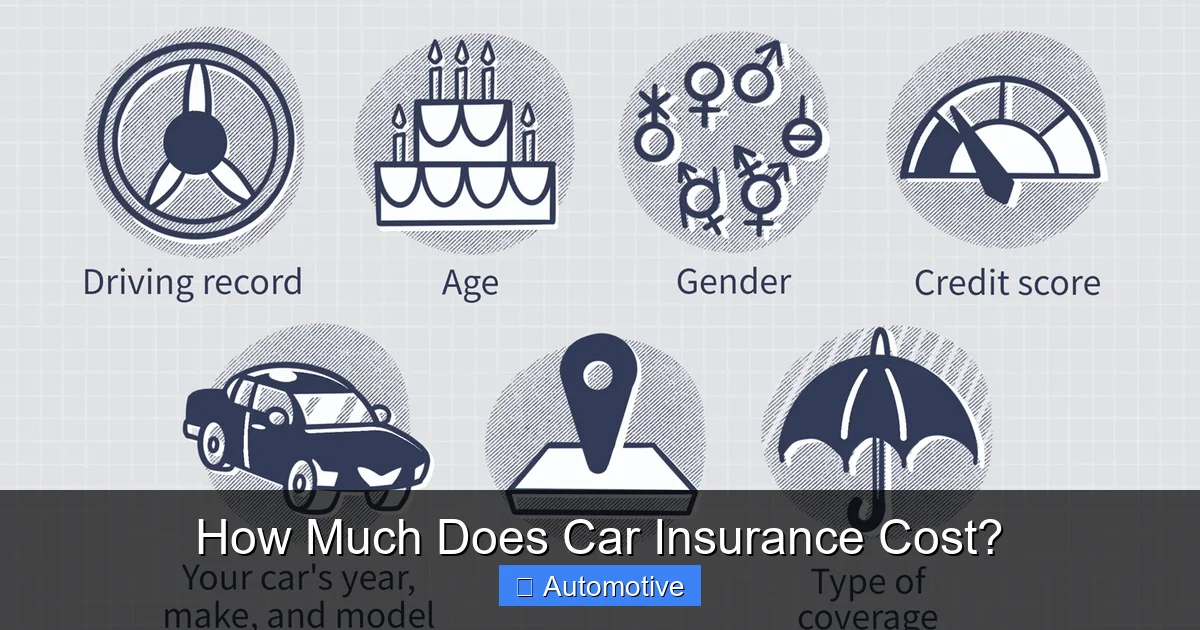
Now that you know the average costs, let’s dig into what actually determines how much you’ll pay. Car insurance companies use complex algorithms to calculate risk—and your premium reflects how likely you are to file a claim. Here are the most significant factors that influence your rate.
1. Your Driving Record
Your driving history is one of the biggest predictors of risk. A clean record with no accidents or traffic violations signals to insurers that you’re a safe driver. On the flip side, even a single speeding ticket can increase your premium by 10% to 20%. More serious offenses like DUIs or at-fault accidents can cause rates to double or even lead to policy cancellation.
For example, a driver with a clean record might pay $1,200 per year for full coverage. But if that same driver gets into an at-fault accident, their rate could jump to $2,400 or more—especially if there were injuries involved. Some insurers offer accident forgiveness programs, which prevent your first accident from affecting your rate, but these often come with higher initial premiums.
2. Age and Experience
Age plays a major role in car insurance pricing. Teen drivers, especially those under 18, face the highest premiums due to their lack of experience and higher accident rates. According to the Insurance Institute for Highway Safety (IIHS), drivers aged 16 to 19 are nearly three times more likely to be in a fatal crash than drivers over 20.
As you gain experience, your rates typically decrease. Drivers in their late 20s and 30s usually see more stable pricing. Interestingly, rates begin to rise again after age 70, as age-related declines in vision, reaction time, and cognitive function can increase accident risk. However, many insurers offer mature driver discounts to help offset these increases.
3. Location, Location, Location
Where you live has a huge impact on your car insurance cost. Urban areas with heavy traffic, high population density, and greater crime rates—like Los Angeles, Chicago, or New York City—tend to have higher premiums. This is due to increased chances of accidents, theft, vandalism, and uninsured drivers.
In contrast, rural areas with less traffic and lower crime rates often have lower insurance costs. For instance, a driver in rural Montana might pay $1,000 per year for full coverage, while someone in downtown Miami could pay over $2,500 for the same policy. Even within the same state, ZIP codes can make a difference. Insurers analyze local accident data, weather patterns, and theft statistics to set rates.
4. Vehicle Type and Value
The car you drive directly affects your insurance premium. High-performance vehicles, luxury cars, and models with high theft rates typically cost more to insure. For example, insuring a Tesla Model S or a BMW M3 will be significantly more expensive than a Honda Civic or Toyota Corolla.
Why? Because expensive cars cost more to repair or replace, and sports cars are often driven more aggressively, increasing accident risk. Additionally, some vehicles have higher safety ratings and lower theft rates, which can lower premiums. When shopping for a new car, it’s smart to check insurance costs beforehand. Many insurers and third-party websites offer free quotes based on vehicle make and model.
5. Coverage Level and Deductibles
The type and amount of coverage you choose will directly impact your premium. As mentioned earlier, full coverage is more expensive than minimum liability. But even within full coverage, you can adjust your deductibles—the amount you pay out of pocket before insurance kicks in.
Choosing a higher deductible (e.g., $1,000 instead of $500) can lower your monthly premium, but it means you’ll pay more if you file a claim. For example, raising your deductible from $500 to $1,000 might save you $100 per year, but if you get into an accident, you’ll need to cover that extra $500 yourself. It’s a trade-off between upfront savings and financial risk.
6. Credit Score (in Most States)
In most states (except California, Hawaii, and Massachusetts, where it’s restricted), insurers use credit-based insurance scores to help determine premiums. Studies have shown a correlation between credit history and claim frequency—drivers with lower credit scores tend to file more claims.
For example, a driver with excellent credit (750+) might pay $1,400 per year, while someone with poor credit (below 600) could pay $2,200 for the same coverage. Improving your credit score can lead to lower insurance rates over time. Paying bills on time, reducing debt, and checking your credit report for errors are all effective strategies.
How to Lower Your Car Insurance Costs
Visual guide about How Much Does Car Insurance Cost?
Image source: cdn.howmuch.net
Now that you understand what drives up your premium, let’s talk about how to bring it down. The good news is, there are several proven ways to save money on car insurance without sacrificing protection.
Shop Around and Compare Quotes
One of the easiest ways to save is by comparing quotes from multiple insurers. Rates can vary by hundreds of dollars between companies for the same coverage. Use online comparison tools or work with an independent insurance agent to get quotes from at least three different providers.
For example, you might find that Geico offers a $1,300 annual premium for your profile, while State Farm quotes $1,600 and Progressive $1,450. Even small differences add up over time. Don’t forget to check regional insurers—they often offer competitive rates in specific areas.
Take Advantage of Discounts
Most insurers offer a variety of discounts that can significantly reduce your premium. Common ones include:
- Safe driver discount: For maintaining a clean driving record over a set period.
- Multi-policy discount: Bundling auto and home or renters insurance with the same company.
- Good student discount: For full-time students with a B average or higher.
- Low-mileage discount: For driving fewer than a certain number of miles per year (e.g., under 7,500).
- Defensive driving course discount: Completing an approved safety course.
- Anti-theft device discount: Installing alarms, GPS trackers, or other security features.
Some insurers also offer usage-based programs like Progressive’s Snapshot or Allstate’s Drivewise, which monitor your driving habits through a mobile app or device. Safe behaviors like smooth braking, avoiding late-night driving, and limiting hard accelerations can earn you additional discounts.
Raise Your Deductible (If You Can Afford It)
As mentioned earlier, increasing your deductible can lower your premium. Just make sure you have enough savings to cover the higher out-of-pocket cost if you need to file a claim. A good rule of thumb is to only raise your deductible if you can comfortably afford it without financial strain.
Maintain a Good Credit Score
Since credit affects your rate in most states, improving your credit can lead to lower premiums. Pay bills on time, keep credit card balances low, and avoid opening too many new accounts at once. Even a 50-point increase in your credit score can make a noticeable difference.
Drive a Safer, More Affordable Car
If you’re in the market for a new vehicle, consider insurance costs as part of your decision. Cars with high safety ratings, low repair costs, and low theft rates typically cost less to insure. Avoid high-performance or luxury models unless you’re prepared for higher premiums.
Review Your Policy Annually
Life changes—and so should your insurance. If you’ve moved, gotten married, improved your credit, or started driving less, you may qualify for lower rates. Review your policy each year and ask your insurer about any new discounts or adjustments.
State-by-State Car Insurance Cost Differences
Car insurance isn’t just influenced by personal factors—it’s also shaped by state laws and regulations. Each state sets its own minimum coverage requirements, and some have unique insurance systems that affect pricing.
For example, Michigan requires unlimited personal injury protection (PIP) coverage, which significantly increases premiums. That’s why Michigan consistently ranks as the most expensive state for car insurance. Other states with high average costs include Louisiana, Florida, and California, where factors like hurricanes, uninsured drivers, and high medical costs drive up rates.
On the flip side, states like Maine, Vermont, and Idaho offer some of the lowest average premiums. These states tend to have lower population density, fewer accidents, and less severe weather-related damage.
Here’s a quick snapshot of average annual full coverage costs in select states (as of 2024):
- Michigan: $3,106
- Louisiana: $2,873
- Florida: $2,762
- California: $2,452
- Texas: $2,299
- New York: $2,185
- Illinois: $1,987
- Ohio: $1,321
- Idaho: $1,189
- Maine: $932
Keep in mind that these are averages—your actual rate could be higher or lower depending on your personal profile.
Common Misconceptions About Car Insurance Costs
There are several myths about car insurance that can lead to confusion or poor decisions. Let’s clear up a few of the most common ones.
Myth 1: Red Cars Cost More to Insure
This is a classic myth with no basis in fact. Insurers don’t consider car color when calculating premiums. What matters is the make, model, year, safety features, and theft rate—not the paint job. So go ahead and drive that red sports car if you love it—just be prepared for higher rates due to the vehicle type, not the color.
Myth 2: Your Insurance Will Always Go Up After an Accident
Not necessarily. While accidents often lead to rate increases, some insurers offer accident forgiveness, especially for long-term customers. Additionally, if the accident wasn’t your fault, your rate may not increase at all. Always ask your insurer about their policy.
Myth 3: Minimum Coverage Is Always the Cheapest Option
While minimum coverage is cheaper upfront, it can cost you more in the long run if you’re in an accident. If you have a newer car or a loan/lease, full coverage is usually the smarter financial choice. It protects your investment and gives you peace of mind.
Myth 4: All Insurers Use the Same Pricing Formula
Every insurer uses its own proprietary algorithm to calculate risk and set rates. That’s why you can get wildly different quotes for the same coverage. Shopping around is essential to finding the best deal.
Final Thoughts: Finding the Right Balance
So, how much does car insurance cost? The answer depends on a mix of personal, geographic, and vehicle-related factors. While the national average hovers around $1,771 per year for full coverage, your actual rate could be much higher or lower.
The key is to understand what affects your premium and take proactive steps to reduce it. Shop around, take advantage of discounts, maintain a clean driving record, and choose coverage that fits your needs and budget. Remember, the cheapest policy isn’t always the best—look for a balance between cost and protection.
Car insurance is a necessary expense, but it doesn’t have to break the bank. With the right knowledge and a little effort, you can find a policy that keeps you covered without overpaying. Whether you’re a new driver or a seasoned pro, staying informed is the first step toward smarter, more affordable coverage.
Frequently Asked Questions
How much does car insurance cost for a new driver?
New drivers, especially teens, typically pay the highest premiums due to lack of experience. On average, a 16-year-old driver might pay $3,000 to $5,000 per year for full coverage. Adding them to a parent’s policy can reduce costs significantly.
Does my job affect my car insurance rate?
In some cases, yes. Certain professions, like teachers or engineers, may qualify for occupational discounts. However, most insurers focus more on driving history, location, and vehicle type than job title.
Can I lower my car insurance by driving less?
Yes. Many insurers offer low-mileage discounts for drivers who travel under a certain number of miles per year. Usage-based programs can also reward safe, infrequent driving with lower premiums.
Is it cheaper to pay monthly or annually for car insurance?
Paying annually is usually cheaper because many insurers charge installment fees for monthly payments. However, if cash flow is tight, monthly payments may be more manageable—just factor in the added cost.
Do electric cars cost more to insure?
Not necessarily. While some electric vehicles (EVs) are expensive to repair, their high safety ratings and lower accident rates can offset costs. Some insurers even offer EV-specific discounts.
What happens if I don’t have car insurance?
Driving without insurance is illegal in most states and can result in fines, license suspension, vehicle impoundment, and higher future premiums. In an accident, you could be personally liable for damages and injuries.