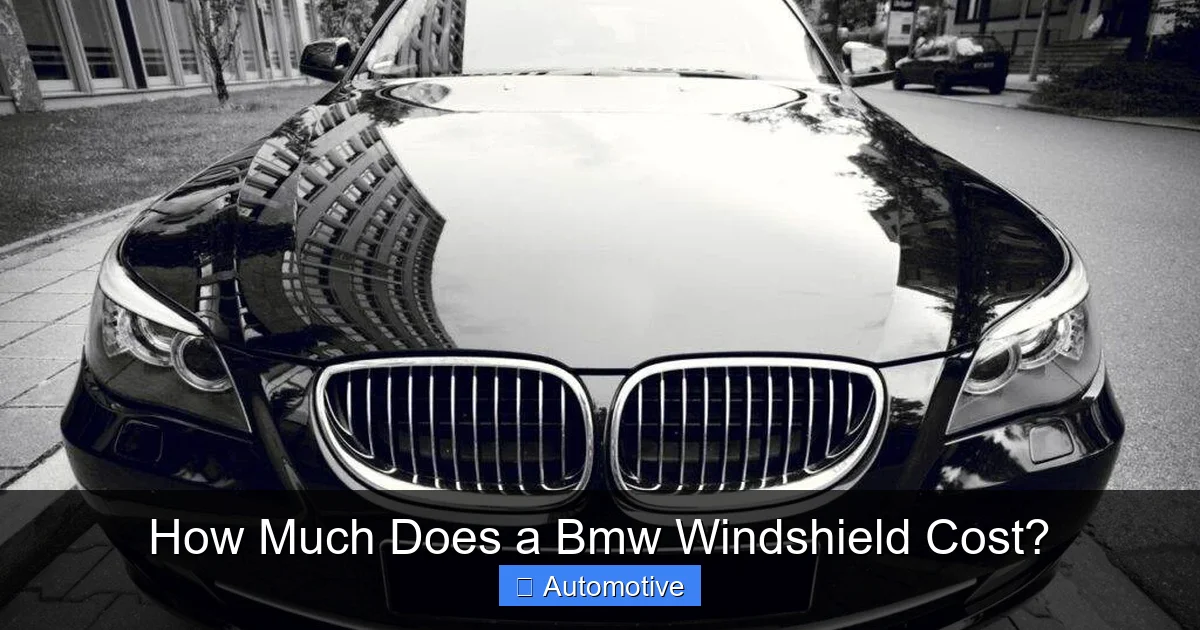
How Much Does a Bmw Windshield Cost?

Contents
- 1 Key Takeaways
- 2 📑 Table of Contents
- 3 Why BMW Windshields Are More Expensive Than Average
- 4 Average Cost Breakdown for BMW Windshield Replacement
- 5 Factors That Influence the Final Price
- 6 Should You Choose OEM or Aftermarket?
- 7 DIY vs. Professional Installation: Why You Shouldn’t Do It Yourself
- 8 How to Save Money on BMW Windshield Replacement
- 9 Final Thoughts: Is It Worth the Cost?
- 10 Frequently Asked Questions

Car Wireless Charger Mount

Car Bumper Protector

Tire Shine Spray

Car Cup Holder Expander
Replacing a BMW windshield can cost anywhere from $500 to $1,500 or more, depending on the model, glass type, and features like rain sensors or heads-up displays. While OEM parts offer the best fit and functionality, aftermarket options can save you money without sacrificing too much quality.
So, you’ve cracked your BMW windshield—maybe from a rogue pebble on the highway or a sudden temperature shift. Now you’re staring at the damage, wondering: *How much is this going to cost me?* The short answer? It depends. A lot. BMWs aren’t just luxury cars—they’re packed with technology, precision engineering, and high-end materials. And that includes the windshield.
Unlike a basic sedan, a BMW windshield isn’t just a piece of curved glass. It’s often integrated with advanced safety systems, sensors, cameras, and even heating elements. That means replacing it isn’t as simple as slapping in a new pane. You’re not just paying for glass—you’re paying for compatibility, calibration, and peace of mind. Prices can range from around $500 for a basic aftermarket replacement on an older model to over $1,500 for a top-tier OEM windshield on a newer BMW with all the bells and whistles.
But don’t panic. While the cost might seem steep, understanding what you’re paying for—and where you can save—can make the process much less stressful. In this guide, we’ll break down everything you need to know about BMW windshield replacement costs, from OEM vs. aftermarket options to installation tips and insurance coverage. Whether you drive a sleek 3 Series or a powerful X5, this article will help you make an informed decision without overspending.
Key Takeaways
- BMW windshields vary widely in price based on model year, trim level, and advanced features like heated glass or lane departure warnings.
- OEM (Original Equipment Manufacturer) glass is the most expensive but ensures perfect compatibility and retains all factory safety and tech systems.
- Aftermarket windshields can cost 30–50% less and are often just as durable, though they may lack some high-end features or require recalibration.
- Installation costs range from $100 to $300 and should always be done by certified professionals to avoid leaks, airbag issues, or ADAS malfunctions.
- Advanced Driver Assistance Systems (ADAS) require recalibration after replacement, adding $100–$500 to the total cost depending on the shop and vehicle.
- Insurance may cover the full cost if you have comprehensive coverage and the damage isn’t due to negligence.
- Always get multiple quotes from dealerships, independent shops, and mobile services to find the best value and quality.
📑 Table of Contents
- Why BMW Windshields Are More Expensive Than Average
- Average Cost Breakdown for BMW Windshield Replacement
- Factors That Influence the Final Price
- Should You Choose OEM or Aftermarket?
- DIY vs. Professional Installation: Why You Shouldn’t Do It Yourself
- How to Save Money on BMW Windshield Replacement
- Final Thoughts: Is It Worth the Cost?
Why BMW Windshields Are More Expensive Than Average
Let’s be honest—BMW doesn’t make “average” cars. And that extends to every component, including the windshield. So why are BMW windshields pricier than those on, say, a Toyota or Honda? It all comes down to design, technology, and brand standards.
First, BMW uses high-quality laminated glass that’s designed to meet strict safety and durability standards. This isn’t your run-of-the-mill auto glass. It’s engineered to withstand impacts, reduce noise, and maintain structural integrity in a crash. The glass is also often curved and shaped to fit the vehicle’s aerodynamic profile, which requires precision manufacturing.
But the real cost driver is technology. Modern BMWs come loaded with Advanced Driver Assistance Systems (ADAS), and many of these systems rely on sensors and cameras mounted behind or near the windshield. For example, the forward-facing camera used for lane departure warnings, automatic emergency braking, and adaptive cruise control is typically embedded in the top center of the windshield. Replacing the glass means recalibrating these systems—otherwise, they might not work correctly, or worse, give false alerts.
Additionally, some BMW models feature heated windshields, acoustic insulation (to reduce road noise), and even embedded antennas for GPS and satellite radio. These features require specialized glass and installation procedures, which naturally increases the price.
The Role of ADAS in Windshield Pricing
One of the biggest reasons BMW windshields cost more is the need for ADAS recalibration. If your car has features like lane keeping assist, traffic sign recognition, or night vision, the camera system must be perfectly aligned after a windshield replacement. Even a tiny misalignment—less than a degree—can throw off the system’s accuracy.
Recalibration isn’t just a quick fix. It usually requires specialized equipment and a trained technician. Some shops use dynamic calibration, where the car is driven on a test route while the system adjusts. Others use static calibration, which involves setting up targets in a controlled environment. Either way, this process can add $100 to $500 to your total bill, depending on the complexity of your vehicle’s systems.
OEM vs. Aftermarket: What’s the Difference?
When it comes to replacing your BMW windshield, you’ll face a key decision: go with OEM (Original Equipment Manufacturer) glass or choose an aftermarket alternative.
OEM windshields are made by the same manufacturer that supplied the original glass to BMW. They’re designed to meet exact factory specifications, ensuring a perfect fit and full compatibility with all your car’s systems. If your BMW has a heads-up display, rain-sensing wipers, or a built-in camera, an OEM windshield will support those features without issues.
Aftermarket windshields, on the other hand, are produced by third-party companies. They’re often significantly cheaper—sometimes 30% to 50% less than OEM—and can be a great option if you’re on a budget. Many aftermarket brands, like Pilkington, Safelite, or PGW, offer high-quality glass that meets or exceeds safety standards.
However, there are trade-offs. Aftermarket glass may not include all the original features, or it might require additional modifications to work properly. For example, a non-OEM windshield might not have the correct tint, antenna, or sensor mounting points. In some cases, the ADAS system may still work, but it could require more extensive recalibration or even a software update.
Average Cost Breakdown for BMW Windshield Replacement
Visual guide about How Much Does a Bmw Windshield Cost?
Image source: lihpao.com
So, how much should you expect to pay? Let’s break it down by component.
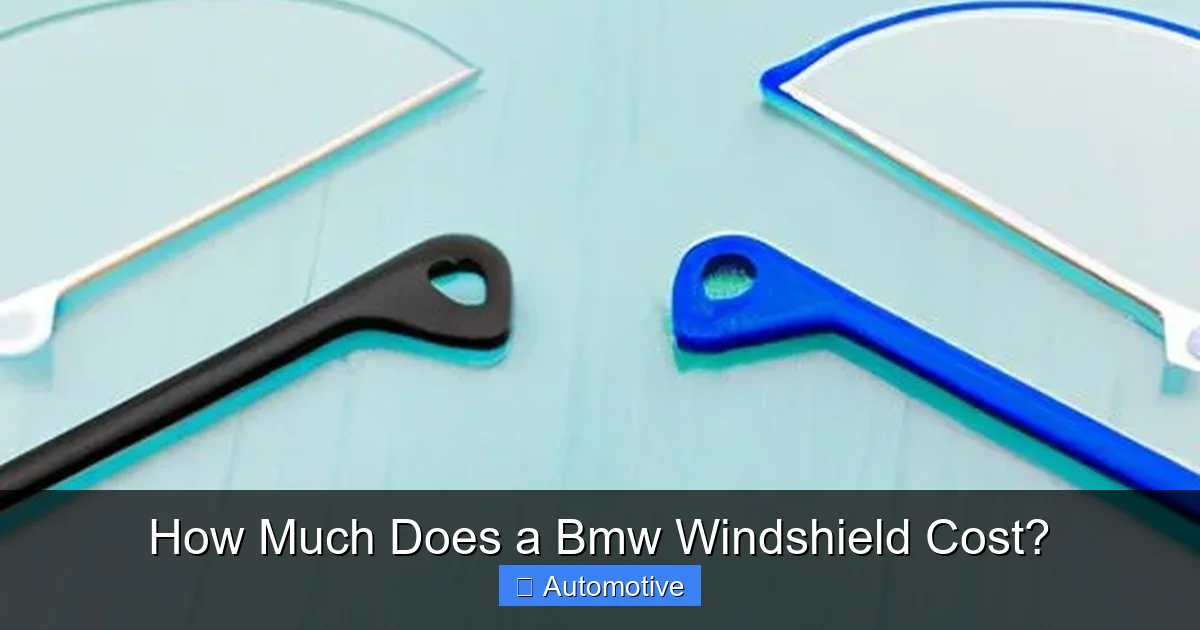
The total cost of a BMW windshield replacement typically includes three parts: the price of the glass, the installation labor, and any additional services like ADAS recalibration.
On average, here’s what you can expect:
– **OEM Windshield:** $800–$1,500+
This is the most expensive option but offers the best fit and functionality. Prices vary by model—older or less complex BMWs (like a 2010 3 Series) may be on the lower end, while newer models with advanced tech (like a 2023 X7 with night vision) can push well over $1,500.
– **Aftermarket Windshield:** $400–$900
These are more budget-friendly and still offer solid performance. High-quality aftermarket brands can be nearly indistinguishable from OEM in terms of clarity and durability.
– **Installation Labor:** $100–$300
This covers the removal of the old windshield, preparation of the frame, application of urethane adhesive, and installation of the new glass. Labor costs depend on the shop’s location, expertise, and whether mobile service is used.
– **ADAS Recalibration:** $100–$500
If your BMW has driver assistance features, recalibration is essential. Some shops include this in the installation fee, while others charge separately.
Adding it all up, a full OEM replacement with recalibration on a modern BMW could cost $1,200 to $2,000 or more. An aftermarket replacement without advanced features might come in under $700.
Cost by BMW Model and Year
Not all BMWs are created equal when it comes to windshield pricing. Here’s a rough guide based on popular models:
– **BMW 3 Series (2015–2020):** $600–$1,100 (OEM), $400–$700 (aftermarket)
A mid-range sedan with moderate tech features. ADAS recalibration may be needed but is usually straightforward.
– **BMW 5 Series (2017–2023):** $800–$1,400 (OEM), $500–$900 (aftermarket)
More advanced systems, including optional night vision and enhanced cameras.
– **BMW X3/X4 (2018–2023):** $700–$1,300 (OEM), $450–$850 (aftermarket)
SUVs with similar tech to sedans but slightly higher labor costs due to size.
– **BMW X5/X6 (2019–2023):** $900–$1,600+ (OEM), $600–$1,000 (aftermarket)
Larger vehicles with more complex sensor arrays and optional heated windshields.
– **BMW i4/iX (2022–2023):** $1,200–$2,000+ (OEM)
Electric models with cutting-edge tech, including multiple cameras and high-resolution displays.
Older models (pre-2015) tend to be cheaper, especially if they lack ADAS features. However, even older BMWs may have unique glass shapes or tint requirements that affect pricing.
Factors That Influence the Final Price

Visual guide about How Much Does a Bmw Windshield Cost?
Image source: lihpao.com
Beyond the model and glass type, several other factors can impact how much you pay for a BMW windshield replacement.
Geographic Location
Where you live plays a big role. Labor rates vary significantly by region. In major cities like New York, Los Angeles, or Chicago, expect to pay more for both parts and installation. In rural areas or smaller towns, costs may be lower—but availability of certified technicians could be limited.
Dealership vs. Independent Shop vs. Mobile Service
Your choice of service provider also affects the price.
– **BMW Dealership:** Most expensive, but offers OEM parts, factory-trained technicians, and warranty coverage. Ideal if you want peace of mind and full system compatibility.
– **Independent Auto Glass Shop:** Often 20–40% cheaper than dealerships. Many use high-quality aftermarket glass and can still perform ADAS recalibration. Look for shops certified by the Auto Glass Safety Council (AGSC).
– **Mobile Glass Services:** Companies like Safelite offer on-site replacement, which is convenient but may have limited options for complex BMW systems. Prices are competitive, but ensure they can handle ADAS recalibration.
Insurance Coverage
If you have comprehensive auto insurance, your policy may cover windshield replacement with little or no out-of-pocket cost. Many insurers waive the deductible for glass-only claims, especially if the damage is from a rock chip or debris.
However, if the replacement involves ADAS recalibration, some insurers may only cover the glass and basic installation, leaving you to pay for recalibration separately. Always check your policy details and ask your insurer about coverage for advanced systems.
Urgency and Availability
Need a replacement ASAP? Rush orders or same-day service may come with a premium. Similarly, if your BMW model uses a rare or discontinued windshield, you might face longer wait times and higher prices due to limited supply.
Should You Choose OEM or Aftermarket?
Visual guide about How Much Does a Bmw Windshield Cost?
Image source: autoglasslocator.com
This is the million-dollar question—well, maybe not a million, but close! The choice between OEM and aftermarket glass boils down to your priorities: cost, quality, and functionality.
When to Choose OEM
Go with OEM if:
– Your BMW has advanced safety features (ADAS).
– You want the exact same fit, finish, and performance as the original.
– You plan to keep the car long-term and want to maintain resale value.
– You’re concerned about warranty issues or potential system malfunctions.
OEM is especially important for newer models (2018 and later) where sensor alignment is critical. Using non-OEM glass could lead to error messages, reduced functionality, or even safety risks.
When Aftermarket Makes Sense
Aftermarket is a smart choice if:
– You’re on a tight budget.
– Your BMW is older and lacks complex tech systems.
– You’re replacing the windshield due to minor damage and don’t need all the original features.
– You’ve researched reputable brands and confirmed compatibility.
Many aftermarket windshields are made by the same manufacturers that supply OEM glass—just without the BMW branding. For example, Pilkington and AGC supply glass to BMW and also sell aftermarket versions. These can be nearly identical in quality.
Tips for Choosing the Right Option
– **Ask for brand names:** Don’t just accept “aftermarket”—ask which company made the glass. Reputable brands matter.
– **Check for certifications:** Look for AGSC or DOT certification to ensure safety standards.
– **Verify ADAS compatibility:** Make sure the shop can recalibrate your systems, regardless of glass type.
– **Get a written quote:** Include all costs—glass, labor, recalibration, and taxes—so there are no surprises.
DIY vs. Professional Installation: Why You Shouldn’t Do It Yourself
We get it—DIY projects can save money. But when it comes to windshield replacement, especially on a BMW, professional installation isn’t just recommended—it’s essential.
The Risks of DIY Replacement
A windshield isn’t just a piece of glass. It’s a critical structural component of your vehicle. In a crash, it helps support the roof and ensures airbags deploy correctly. Improper installation can lead to:
– Leaks and water damage
– Wind noise and reduced insulation
– Windshield popping out in an accident
– Malfunctioning ADAS systems
– Voided warranties
BMW’s complex sensor arrays and tight tolerances make DIY replacement nearly impossible without specialized tools and training.
Why Professional Installation Matters
Certified technicians use high-quality urethane adhesives, proper curing times, and precision alignment to ensure a safe, secure fit. They also know how to handle delicate electronics and recalibrate cameras correctly.
Many professional shops offer warranties on their work—sometimes up to the life of the vehicle—which gives you added protection.
How to Save Money on BMW Windshield Replacement
While BMW windshield replacement isn’t cheap, there are ways to reduce the cost without compromising safety or quality.
Use Your Insurance
If you have comprehensive coverage, file a claim. Many insurers cover 100% of glass replacement with no deductible. Just make sure they approve a shop that can handle ADAS recalibration.
Shop Around
Get quotes from at least three providers: a BMW dealership, an independent glass shop, and a mobile service. Compare not just price, but also included services, warranties, and technician certifications.
Ask About Discounts
Some shops offer discounts for seniors, military personnel, or first responders. Others may run seasonal promotions or bundle services (e.g., free recalibration with OEM glass).
Consider Aftermarket (Wisely)
As discussed, aftermarket glass can save hundreds. Just make sure it’s from a trusted brand and compatible with your vehicle’s systems.
Prevent Future Damage
Small chips can turn into big cracks. Repair minor damage early—most insurers cover chip repairs for free. Also, avoid driving behind large trucks on gravel roads, and park in shaded areas to reduce thermal stress.
Final Thoughts: Is It Worth the Cost?
Yes—replacing your BMW windshield properly is absolutely worth the investment. Your safety, the performance of your vehicle’s advanced systems, and the long-term value of your car all depend on it.
While the price tag might sting, cutting corners can lead to bigger problems down the road. A poorly installed windshield or incompatible glass could compromise your safety, trigger warning lights, or even fail inspection.
By understanding your options, comparing quotes, and choosing a qualified installer, you can get a high-quality replacement at a fair price. Whether you go OEM or aftermarket, the key is making an informed decision that balances cost, quality, and functionality.
Remember: your BMW isn’t just a car—it’s a precision machine. Treat it right, and it’ll take care of you for years to come.
Frequently Asked Questions
How much does a BMW windshield cost on average?
The average cost ranges from $500 to $1,500 for the glass alone, with total replacement (including installation and recalibration) often reaching $1,200–$2,000 or more, depending on the model and features.
Can I use aftermarket glass on my BMW?
Yes, aftermarket windshields are available and can save you money. However, ensure the glass is compatible with your vehicle’s ADAS and that the installer can properly recalibrate the systems.
Does insurance cover BMW windshield replacement?
Most comprehensive insurance policies cover windshield replacement, often with no deductible. Check with your insurer to confirm coverage for both glass and ADAS recalibration.
How long does it take to replace a BMW windshield?
The actual installation takes 1–2 hours, but the urethane adhesive needs 1–24 hours to cure fully. ADAS recalibration may add another 30–60 minutes, depending on the system.
Do I need ADAS recalibration after windshield replacement?
Yes, if your BMW has features like lane departure warning, adaptive cruise control, or automatic emergency braking, recalibration is required to ensure these systems work correctly.
Can I drive my BMW immediately after windshield replacement?
You can usually drive away after installation, but avoid high speeds, car washes, and heavy rain for at least 24 hours to allow the adhesive to fully cure and prevent leaks.