How Much Are Subaru Catalytic Converters Worth for Scrap?

Contents
- 1 Key Takeaways
- 2 📑 Table of Contents
- 3 What Determines the Scrap Value of a Subaru Catalytic Converter?
- 4 Current Market Prices for Subaru Catalytic Converters
- 5 Where to Sell Subaru Catalytic Converters for Scrap
- 6 How to Maximize Your Scrap Value
- 7 Legal and Ethical Considerations
- 8 Conclusion
- 9 Frequently Asked Questions


Subaru catalytic converters can fetch anywhere from $50 to over $1,000 when sold for scrap, depending on the model, year, and precious metal content. Understanding what affects their value and where to sell them ensures you get the best return while staying compliant with local laws.
If you’ve ever wondered, “How much are Subaru catalytic converters worth for scrap?” you’re not alone. With rising metal prices and increasing thefts of these emissions-control devices, more car owners, mechanics, and recyclers are looking to understand the real value of a Subaru catalytic converter in the scrap market. Whether you’re dealing with a damaged part from an old Outback, a high-mileage Forester, or a performance-oriented WRX, knowing what your converter is worth can mean the difference between tossing it in the trash and pocketing a few hundred dollars.
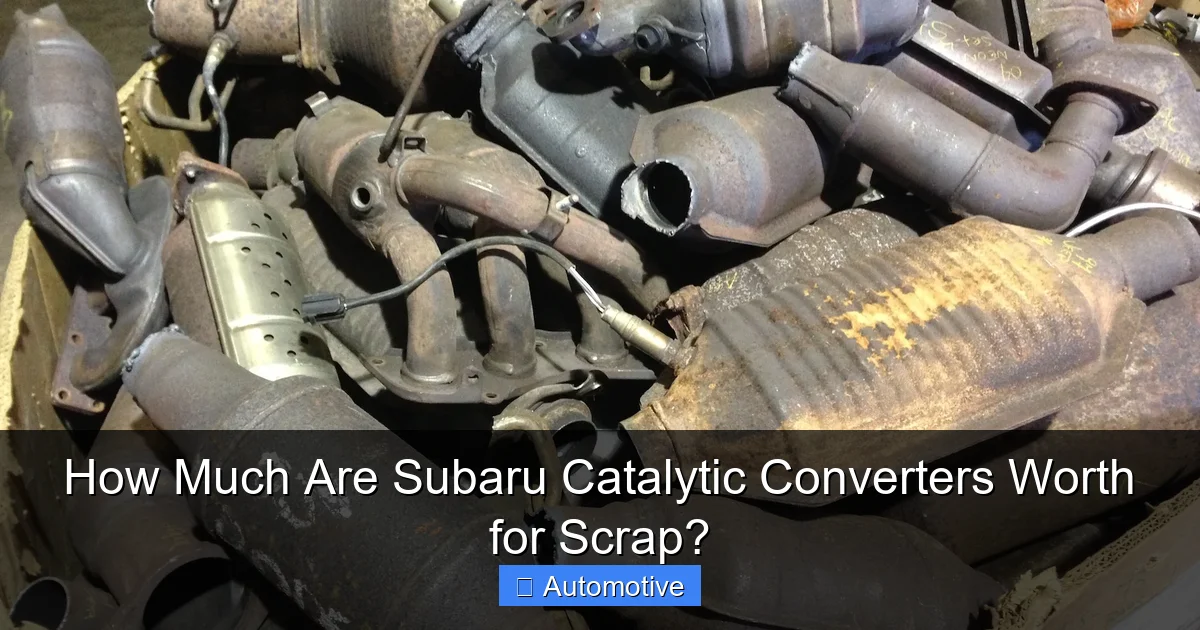
Catalytic converters are essential components in your vehicle’s exhaust system. They reduce harmful emissions by converting toxic gases like carbon monoxide, nitrogen oxides, and hydrocarbons into less harmful substances such as carbon dioxide and water vapor. Inside these seemingly simple metal boxes lie precious metals—platinum, palladium, and rhodium—that act as catalysts in the chemical reactions. Because these metals are rare and expensive, catalytic converters have become valuable targets for scrap metal dealers and, unfortunately, thieves.
But not all catalytic converters are created equal. The value of a Subaru catalytic converter for scrap depends on several factors, including the vehicle’s make, model, year, engine size, and whether the converter is original equipment (OEM) or an aftermarket replacement. In this guide, we’ll break down everything you need to know about pricing, selling, and maximizing the return on your Subaru catalytic converter—whether you’re scrapping an old car or replacing a damaged part.
Key Takeaways
- Scrap value varies widely: Subaru catalytic converters range from $50 to $1,000+ based on engine size, model year, and converter type (OEM vs. aftermarket).
- Precious metals drive pricing: Platinum, palladium, and rhodium inside the converter determine its worth—fluctuating market prices directly impact scrap value.
- OEM converters are more valuable: Original equipment manufacturer (OEM) parts from Subaru typically contain higher metal concentrations than cheaper aftermarket replacements.
- Location and buyer matter: Scrap yards, recycling centers, and online buyers offer different rates—shop around for the best deal.
- Legal and ethical considerations: Selling stolen or illegally removed catalytic converters is a crime; always verify ownership and follow state regulations.
- Condition affects payout: Intact, uncut converters with serial numbers fetch higher prices than damaged or incomplete units.
- Timing influences profit: Metal prices change daily—monitor market trends to sell when palladium or rhodium values peak.
📑 Table of Contents
What Determines the Scrap Value of a Subaru Catalytic Converter?
The scrap value of a Subaru catalytic converter isn’t a fixed number. It fluctuates based on a combination of internal and external factors. Understanding these can help you estimate how much you might earn and when to sell for the best return.
Precious Metal Content
At the heart of every catalytic converter’s value is its precious metal content. These metals—platinum, palladium, and rhodium—are used because they efficiently catalyze the chemical reactions that clean exhaust gases. However, they’re also incredibly expensive. For example, as of recent market trends, rhodium has traded at over $10,000 per troy ounce, while palladium has hovered around $1,500–$2,000 per ounce. Platinum, though less valuable than the other two, still commands a high price.
Subaru vehicles, especially those with larger engines or higher-performance models, tend to have catalytic converters with higher concentrations of these metals. For instance, a 2015 Subaru WRX STI with a 2.5L turbocharged engine will likely have a more valuable converter than a 2008 Subaru Impreza with a 2.0L naturally aspirated engine. This is because performance engines produce more exhaust and require more robust catalytic systems.
OEM vs. Aftermarket Converters
One of the biggest factors affecting scrap value is whether the catalytic converter is an original equipment manufacturer (OEM) part or an aftermarket replacement. OEM converters, made by Subaru or its licensed suppliers, are typically built to higher standards and contain more precious metals. They also often have serial numbers and branding that make them easier to identify and authenticate.
Aftermarket converters, while often cheaper to purchase initially, usually contain lower concentrations of precious metals. Some are even “low-grade” or “universal” units designed to meet basic emissions standards without maximizing catalytic efficiency. These units may be worth significantly less—sometimes 50% or more below OEM equivalents.
For example, a genuine Subaru OEM catalytic converter from a 2018 Outback might fetch $400–$600 at a reputable scrap yard, while a universal aftermarket replacement from the same vehicle could be worth only $150–$250.
Vehicle Model and Engine Size
Not all Subaru models are equal when it comes to catalytic converter value. Vehicles with larger or more powerful engines generally have larger catalytic converters with more substrate (the ceramic honeycomb structure coated with precious metals). This directly increases the amount of recoverable metals.
Here’s a quick breakdown of how different Subaru models compare:
– **Subaru WRX/STI (2.0L–2.5L turbo):** High-value converters due to performance exhaust systems and higher metal loading. Scrap values often range from $500 to $1,000+.
– **Subaru Outback/Legacy (2.5L–3.6L):** Mid-range value, typically $300–$600 depending on year and condition.
– **Subaru Forester (2.0L–2.5L):** Similar to Outback, with values in the $250–$500 range.
– **Subaru Impreza/Crosstrek (1.8L–2.0L):** Lower-value converters, often $100–$300 due to smaller size and lower metal content.
– **Subaru BRZ (2.0L flat-four):** Despite being a sports car, the BRZ uses a simpler exhaust system with fewer catalytic converters, so values are moderate—around $200–$400.
Older models (pre-2000) may have lower values due to reduced metal content and outdated designs, but some rare or high-performance vintage Subarus (like the 1990s Impreza WRX) can still command decent prices.
Year and Emissions Standards
The year your Subaru was manufactured also plays a role. Vehicles built after 2010, especially those meeting stricter EPA or California Air Resources Board (CARB) emissions standards, tend to have more advanced catalytic systems with higher precious metal loads. This is because newer regulations require more efficient pollution control.
For example, a 2020 Subaru Ascent with a 2.4L turbo engine and CARB-compliant emissions will likely have a more valuable converter than a 2005 Subaru Forester that meets older Tier 2 standards. The difference could be $200 or more in scrap value.
Condition and Integrity
A catalytic converter’s physical condition significantly impacts its scrap value. Scrap yards and recyclers prefer intact, uncut units with visible serial numbers and minimal damage. Converters that have been cut open, crushed, or melted down are harder to process and yield less metal, resulting in lower payouts.
If you’re removing a converter for scrap, avoid cutting it unless absolutely necessary. Keep it whole, and if possible, document the vehicle’s VIN and engine type to help the buyer verify its origin. Some recyclers even offer bonuses for complete, traceable units.
Current Market Prices for Subaru Catalytic Converters
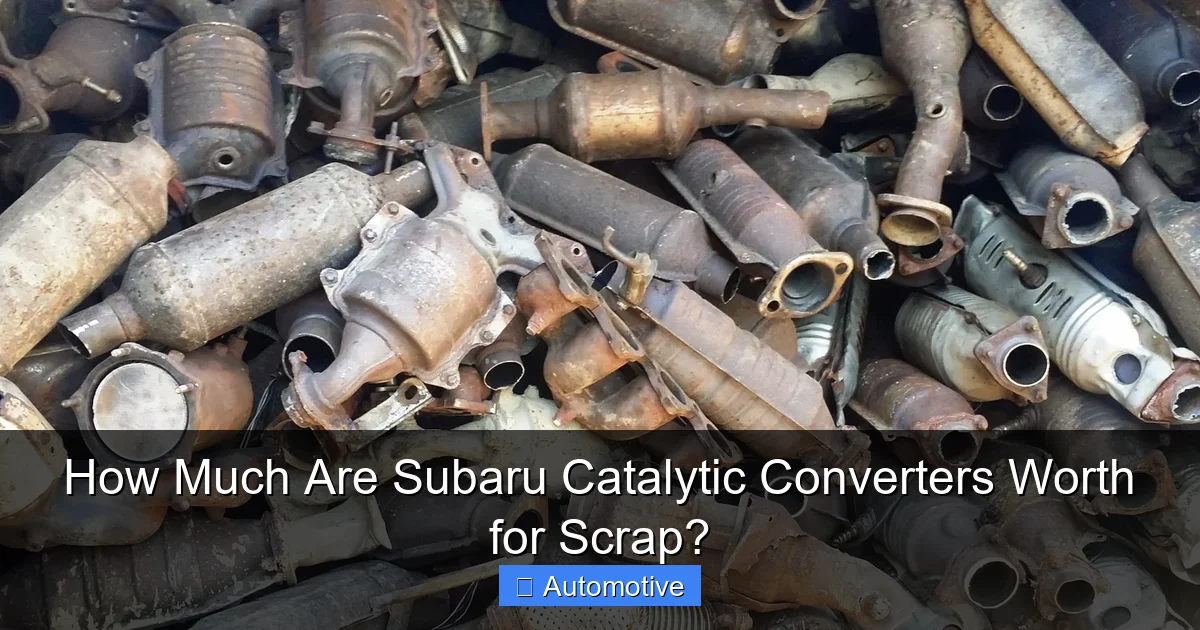
Visual guide about How Much Are Subaru Catalytic Converters Worth for Scrap?
Image source: mcsm.ca
So, how much can you actually expect to get when you sell a Subaru catalytic converter for scrap? While prices fluctuate daily based on global metal markets, here are some realistic estimates based on recent data (as of 2024).
Average Scrap Prices by Model
Keep in mind that these are approximate values and can vary by region, buyer, and market conditions:
– **Subaru WRX/STI (2015–2023):** $600–$1,200
These high-performance models often have dual catalytic converters (pre-cat and main cat), increasing total value.
– **Subaru Outback/Legacy (2015–2023):** $400–$700
Larger engines and OEM parts contribute to higher value.
– **Subaru Forester (2014–2023):** $300–$550
Popular SUV with reliable catalytic systems.
– **Subaru Impreza/Crosstrek (2012–2023):** $150–$350
Smaller engines mean less metal, but still valuable.
– **Subaru BRZ (2013–2023):** $250–$450
Sports car with a single, well-designed converter.
– **Older Models (2000–2010):** $100–$300
Values decline with age, but some high-mileage OEM units still hold value.
Factors That Can Increase or Decrease Value
Several variables can push the price up or down:
– **Metal Market Trends:** When palladium or rhodium prices spike, converter values rise. For example, during the 2021–2022 palladium shortage, some Subaru converters doubled in value.
– **Location:** Urban areas with more scrap yards and competition may offer better prices. Rural areas might have fewer buyers and lower offers.
– **Buyer Type:** Local scrap yards may pay $200–$400, while specialized catalytic recyclers or online buyers (like Catalytic Recycling or Greendog) might offer $50–$150 more due to better processing capabilities.
– **Bulk Sales:** Selling multiple converters at once can sometimes lead to volume discounts or bonuses from recyclers.
Real-World Example
Let’s say you have a 2018 Subaru WRX with a damaged OEM catalytic converter. You remove it intact and take it to a local scrap yard. They test it and identify it as a high-value OEM unit with high palladium content. Based on current metal prices, they offer you $750. Alternatively, you could ship it to an online recycler who specializes in catalytic converters. After verification, they offer $850, minus a $25 shipping fee—netting you $825. In this case, going online yields a better return.
Where to Sell Subaru Catalytic Converters for Scrap
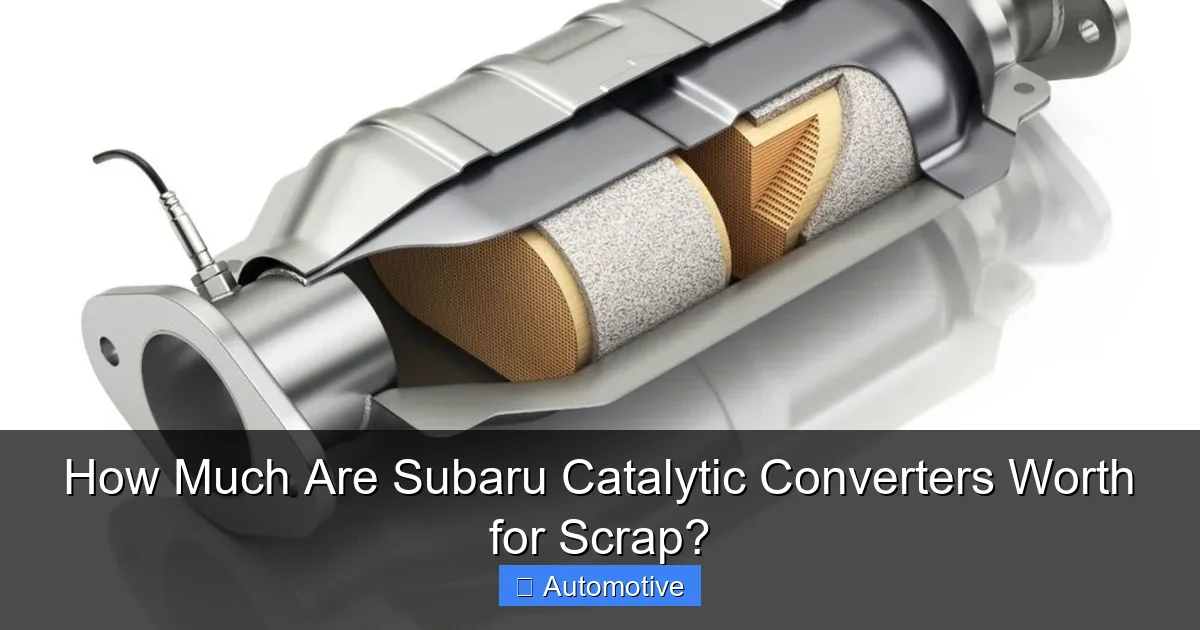
Visual guide about How Much Are Subaru Catalytic Converters Worth for Scrap?
Image source: carscrapsurrey.co.uk
Knowing where to sell your Subaru catalytic converter can make a big difference in how much you earn. Not all buyers are created equal, and some may try to lowball you if you’re not informed.
Local Scrap Yards and Metal Recyclers
Local scrap yards are the most common option. They’re convenient and allow you to drop off the converter immediately. However, many general scrap yards lack the equipment to accurately test precious metal content, so they may offer a flat rate based on weight or appearance.
Pros:
– Fast and easy
– No shipping required
– Immediate cash payment
Cons:
– Lower offers due to lack of testing
– May not accept cut or damaged units
– Limited knowledge of specific converter values
Tip: Call ahead and ask if they test for precious metals. If they say “we pay by weight,” you might get a better deal elsewhere.
Specialized Catalytic Converter Buyers
Some companies focus exclusively on buying and recycling catalytic converters. They use XRF (X-ray fluorescence) analyzers to measure exact metal content and offer prices based on real-time market data.
Examples include:
– **Catalytic Recycling**
– **Greendog Recycling**
– **Converter Guys**
– **Scrap Catalytic Converters**
These buyers often pay 10–30% more than general scrap yards because they can extract more value from the metals.
Pros:
– Higher payouts
– Accurate testing
– Accept damaged or cut units (though at reduced rates)
Cons:
– May require shipping
– Payment can take a few days
– Some have minimum weight requirements
Online Marketplaces and Auctions
Platforms like eBay, Facebook Marketplace, or Craigslist allow you to sell directly to individuals or small recyclers. This can be profitable if you find a buyer who needs a specific converter for repair or resale.
Pros:
– Potential for higher prices
– No middleman
– Can sell intact units for reuse
Cons:
– Risk of scams or non-payment
– Shipping and handling challenges
– Legal risks if the converter is stolen
Important: Only sell to verified buyers and avoid shipping without tracking and insurance.
Auto Repair Shops and Junkyards
Some repair shops and junkyards buy used catalytic converters to resell or refurbish. They may offer fair prices, especially if they know the part is OEM and in good condition.
Tip: Build relationships with local shops—they may call you first when they need a specific Subaru converter.
How to Maximize Your Scrap Value
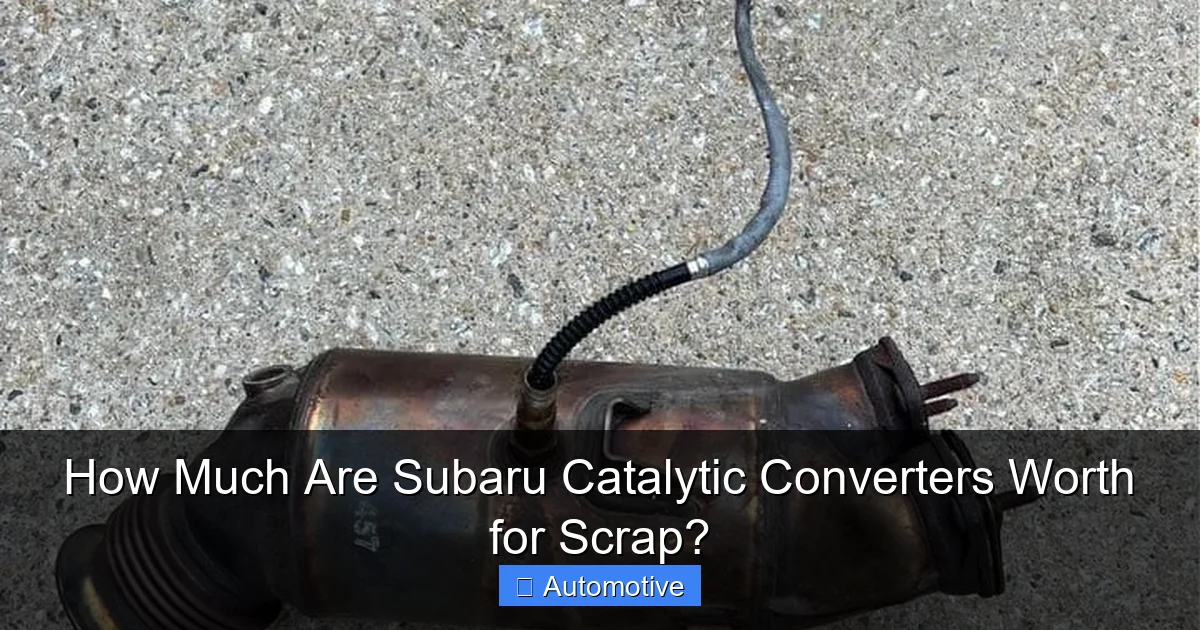
Visual guide about How Much Are Subaru Catalytic Converters Worth for Scrap?
Image source: passionplans.com
Getting the most money for your Subaru catalytic converter requires a bit of strategy. Here are practical tips to help you maximize your return.
Keep the Converter Intact
Never cut open or crush the catalytic converter before selling. Recyclers pay more for whole units because they’re easier to process and test. Cutting it reduces the substrate area and may damage the internal honeycomb structure, lowering metal recovery rates.
Verify It’s OEM
If possible, confirm that the converter is an original Subaru part. Look for branding, part numbers, or serial stamps. OEM units are worth significantly more than aftermarket ones. If you’re unsure, take a photo and ask a Subaru dealer or mechanic to verify.
Research Current Metal Prices
Check websites like Kitco or Johnson Matthey for daily prices of platinum, palladium, and rhodium. When these metals are high, converter values rise. For example, if palladium jumps 20% in a month, your converter could be worth $100–$200 more.
Shop Around
Don’t accept the first offer you get. Contact at least three buyers—local scrap yards, online recyclers, and repair shops—and compare quotes. Even a $50 difference adds up if you’re selling multiple converters.
Time Your Sale
Metal markets are volatile. If you don’t need cash immediately, consider holding onto the converter during periods of high demand (e.g., after supply chain disruptions or geopolitical events affecting mining). Some recyclers even offer price-lock options if you commit to selling within a certain timeframe.
Document Everything
Keep records of the vehicle’s VIN, engine size, and removal date. This helps prove ownership and can increase trust with buyers, especially online. Some states require documentation to prevent theft.
Legal and Ethical Considerations
Selling catalytic converters isn’t just about money—it’s also about legality and ethics. Catalytic converter theft has surged in recent years, with Subaru vehicles being prime targets due to their high-value converters and easy access (many are located under the vehicle, near the engine).
Ownership and Documentation
You must legally own the vehicle or have written permission from the owner to remove and sell the converter. Selling a stolen converter is a felony in most states and can result in fines, jail time, and a criminal record.
Always keep:
– Proof of vehicle ownership (title or registration)
– Receipts from repairs or part removal
– Photos of the converter before removal
State and Federal Regulations
Laws vary by state. Some, like California, require catalytic converters to meet CARB standards and prohibit the sale of non-compliant units. Others have strict reporting requirements for scrap metal sales.
For example:
– In California, you must provide ID and vehicle info when selling a converter.
– In Texas, scrap yards must report transactions over $500 to law enforcement.
– In New York, it’s illegal to remove a converter without a valid reason (e.g., repair or replacement).
Check your state’s Department of Motor Vehicles (DMV) or environmental agency website for specific rules.
Environmental Responsibility
Catalytic converters contain not only precious metals but also hazardous materials like ceramics and trace toxins. Improper disposal can harm the environment. Always sell to licensed recyclers who follow EPA guidelines for safe handling and processing.
Conclusion
So, how much are Subaru catalytic converters worth for scrap? The answer isn’t one-size-fits-all. Depending on your vehicle’s model, year, engine, and the converter’s condition, you could earn anywhere from $50 to over $1,000. High-performance models like the WRX and STI tend to yield the highest returns, while older or smaller engines offer more modest payouts.
The key to maximizing value lies in understanding what drives pricing—precious metal content, OEM status, and market conditions—and knowing where to sell. Local scrap yards offer convenience, but specialized recyclers and online buyers often pay more. Always keep the converter intact, verify its origin, and shop around for the best deal.
And remember: legality and ethics matter. Only sell converters you legally own, follow state regulations, and choose environmentally responsible recyclers. By doing so, you not only protect yourself but also contribute to a more sustainable automotive industry.
Whether you’re scrapping an old Subaru or replacing a damaged part, your catalytic converter could be worth more than you think. With a little research and smart timing, that piece of exhaust hardware might just turn into a nice chunk of change.
Frequently Asked Questions
How much is a Subaru catalytic converter worth in 2024?
As of 2024, Subaru catalytic converters typically range from $50 to over $1,000 when sold for scrap, depending on the model, year, and metal content. High-performance models like the WRX can fetch $600–$1,200, while smaller engines may only be worth $100–$300.
Are OEM Subaru catalytic converters worth more than aftermarket?
Yes, OEM converters are generally worth significantly more because they contain higher concentrations of platinum, palladium, and rhodium. Aftermarket units often use cheaper materials and may be worth 30–50% less.
Can I sell a cut or damaged catalytic converter?
Yes, but you’ll likely receive a lower payout. Many recyclers accept damaged units but reduce the price due to lower metal recovery rates. Intact converters with visible serial numbers fetch the highest prices.
Where is the best place to sell a Subaru catalytic converter?
Specialized catalytic converter recyclers and online buyers typically offer the best prices because they test for exact metal content. Local scrap yards are convenient but often pay less due to lack of testing equipment.
Is it legal to sell a catalytic converter?
Yes, as long as you legally own the vehicle and the converter wasn’t stolen. Most states require ID and vehicle documentation when selling to scrap yards. Always check local laws to ensure compliance.
Do metal prices affect catalytic converter scrap value?
Absolutely. The value of platinum, palladium, and rhodium directly impacts how much you’ll earn. When these metals rise in price, so does the scrap value of your converter. Monitoring market trends can help you time your sale for maximum profit.