How Many Car Can You Sell a Year

Contents
- 1 Key Takeaways
- 2 📑 Table of Contents
- 3 Understanding the Different Types of Car Sellers
- 4 Realistic Sales Numbers by Seller Type
- 5 Factors That Influence How Many Cars You Can Sell
- 6 Tips to Increase Your Annual Car Sales
- 7 Legal and Licensing Considerations
- 8 The Role of Technology in Modern Car Sales
- 9 Conclusion
- 10 Frequently Asked Questions


Wondering how many cars you can sell a year? The answer depends on your role—private seller, dealership, or online platform user. While individual sellers may move 1–5 vehicles annually, professional dealers can sell hundreds or even thousands, driven by inventory, marketing, and customer service.
So, how many cars can you sell a year? It’s a question that pops up whether you’re flipping used cars on the side, running a small dealership, or just curious about the automotive sales world. The truth is, there’s no one-size-fits-all answer. The number of cars you can sell in a year depends on a mix of factors—your role in the industry, your resources, your location, and even the time of year.
If you’re a private individual selling your own car, you might only sell one or two vehicles per year—maybe when upgrading or downsizing. But if you’re running a full-service dealership in a busy urban area, you could be moving hundreds of cars every month. The range is huge, and understanding where you fit in that spectrum is key to setting realistic goals.
In this guide, we’ll break down the realistic numbers for different types of sellers, explore what influences sales volume, and share practical tips to help you sell more cars—whether you’re doing it part-time or as a full-time business. We’ll also look at real-world examples, seasonal trends, and the tools that can give you an edge. By the end, you’ll have a clear picture of how many cars you can sell a year—and how to maximize your potential.
Key Takeaways
- Private sellers typically sell 1–5 cars per year: Limited by time, marketing reach, and personal demand.
- Dealerships sell anywhere from 50 to over 1,000 cars annually: Volume depends on size, location, brand, and sales strategy.
- Online car marketplaces increase sales potential: Platforms like CarGurus, Autotrader, and Facebook Marketplace expand your audience.
- Seasonality affects car sales: Convertibles sell better in spring, SUVs in winter—timing matters.
- Certified pre-owned (CPO) programs boost trust and sales: Buyers prefer inspected, warrantied used cars.
- Effective marketing and customer service drive repeat business: Happy customers refer others and return for upgrades.
- Legal and licensing requirements vary by state: Know your local rules for selling multiple vehicles annually.
📑 Table of Contents
Understanding the Different Types of Car Sellers
Before we dive into numbers, it’s important to understand the different categories of car sellers. Each type operates under different constraints and opportunities, which directly affects how many cars they can sell in a year.
Private Sellers
Private sellers are individuals who sell their own vehicles—usually one at a time. They’re not licensed dealers and typically don’t keep an inventory. Most private sellers only sell a car when they’re upgrading, moving, or no longer need the vehicle.
Because of this, the average private seller sells just **1 to 3 cars per year**, and often only one. They rely on platforms like Craigslist, Facebook Marketplace, or word of mouth. While they avoid dealer fees and commissions, they also lack the marketing power and customer base of professional sellers.
For example, Sarah from Austin, Texas, sold her 2018 Honda Civic last spring when she bought a new SUV. She listed it online, had three test drives, and sold it within two weeks. That was her only car sale that year—and likely for the next few years.
Licensed Dealerships
Dealerships are the heavy hitters in the car sales world. They’re licensed businesses that buy, sell, and often service vehicles. Their sales volume depends on size, location, and brand.
A small independent dealership might sell **50 to 150 cars per year**, while a large franchise dealership (like a Toyota or Ford store) can sell **500 to over 1,000 cars annually**. In high-traffic areas like Los Angeles or Atlanta, top-performing dealers have been known to sell more than 2,000 vehicles in a single year.
Take Johnson Auto Group in Dallas—a mid-sized dealership with three locations. Last year, they sold 1,247 cars across their lots. They credit their success to strong online advertising, a robust trade-in program, and a team of 12 full-time salespeople.
Online-Only Sellers and Car Flippers
Then there’s a growing group of sellers who operate online—buying used cars at auction, fixing them up, and reselling them for a profit. These “car flippers” can be individuals or small teams.
A skilled flipper with a good system might sell **20 to 50 cars per year**. They rely on speed, low overhead, and smart sourcing. For instance, Marcus in Phoenix buys older-model sedans from government auctions, spends $1,500 on repairs and detailing, and sells them for $3,000–$5,000 profit each. Last year, he sold 37 cars—mostly online through CarGurus and OfferUp.
Franchise vs. Independent Dealers
Franchise dealerships (authorized by brands like Honda or Chevrolet) often have higher sales volumes due to brand recognition, manufacturer support, and access to new inventory. Independent dealers, on the other hand, focus on used cars and may have lower volume but higher margins.
A Honda dealership in a suburban area might sell 800 new and used cars in a year, while an independent lot specializing in budget vehicles might sell 300—but with higher profit per sale.
Realistic Sales Numbers by Seller Type
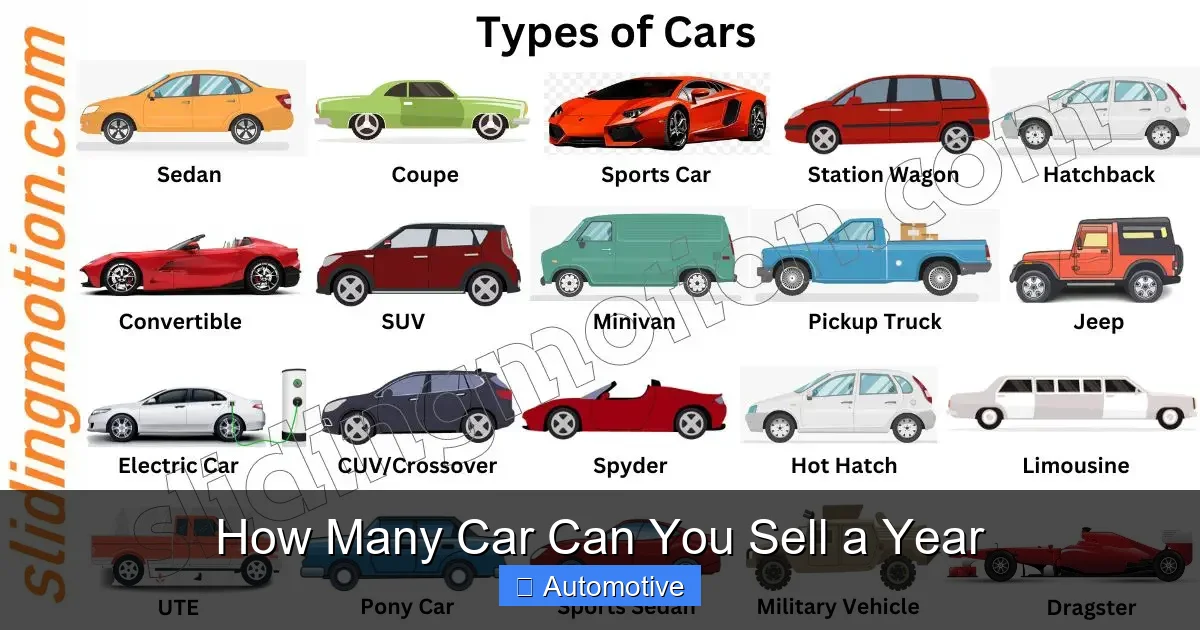
Visual guide about How Many Car Can You Sell a Year
Image source: slidingmotion.com
Now that we’ve covered the types of sellers, let’s look at realistic annual sales numbers. These aren’t guarantees—they’re averages based on industry data and real-world examples.
Private Sellers: 1–5 Cars Per Year
Most private sellers are one-and-done. They sell a car when they need to, not as a business. Even if someone sells two cars in a year (say, a family selling both parents’ vehicles after a move), that’s still well below commercial levels.
The limiting factors? Time, effort, and reach. You’re not advertising 24/7, and you’re not building a customer base. You’re just listing a car and waiting for the right buyer.
That said, some private sellers do turn it into a side hustle. With a little effort—cleaning the car, taking great photos, pricing competitively—you might sell 3 to 5 cars in a year. But going beyond that usually requires scaling up, which means stepping into dealer territory.
Small Dealerships: 50–200 Cars Per Year
A small independent dealership with 2–5 salespeople and a modest inventory can reasonably expect to sell between 50 and 200 cars annually. This assumes they’re in a decent market, have a functional website, and do some local advertising.
For example, Greenfield Motors in Ohio has been in business for 12 years. They keep 30–40 cars on the lot at any time and focus on reliable, affordable used vehicles. Last year, they sold 142 cars—about 12 per month. Their secret? Strong customer service and a no-haggle pricing model that builds trust.
Mid-Sized Dealerships: 200–600 Cars Per Year
These are the workhorses of the industry. They might have 6–15 salespeople, a service department, and a mix of new and used inventory. They’re often located in growing suburbs or mid-sized cities.
A mid-sized Ford dealership in Charlotte, North Carolina, sold 487 vehicles last year. They benefited from a strong local economy, a new car lineup, and an active social media presence. They also offered financing and trade-in evaluations, which helped close more deals.
Large Franchise Dealerships: 600–2,000+ Cars Per Year
These are the big players. Think of the dealerships you pass on the highway with massive lots and flashy signs. They have the resources to advertise heavily, hire top talent, and offer incentives.
A top-performing Chevrolet store in Miami sold 1,842 vehicles in 2023. That’s over 150 cars per month. They had a team of 25 salespeople, a digital marketing budget of $50,000 per month, and a reputation for excellent customer service.
Online-Only Sellers: 20–100 Cars Per Year
With the rise of online car marketplaces, more people are selling cars without a physical lot. These sellers use platforms like Vroom, Carvana, or even eBay Motors to reach buyers nationwide.
A successful online-only seller might buy 30 cars at auction, fix them up, and sell them through multiple channels. If they average one sale every 10–15 days, they could move 25–30 cars per year. Some high-volume online dealers, especially those with partnerships or bulk buying power, can exceed 100 sales annually.
Factors That Influence How Many Cars You Can Sell
So what determines whether you sell 5 cars or 500 in a year? It’s not just luck—it’s a combination of strategy, resources, and market conditions.
Inventory and Selection
The more cars you have available, the more chances you have to make a sale. But it’s not just about quantity—it’s about variety. A dealership that offers sedans, SUVs, trucks, and hybrids will appeal to a broader audience.
For example, a lot that only sells compact cars might struggle in a rural area where trucks are in demand. But one that stocks a mix—like sedans for commuters, SUVs for families, and trucks for workers—can capture more of the market.
Location and Market Demand
Where you’re located makes a huge difference. A dealership in a booming city like Austin or Denver will naturally sell more cars than one in a declining rural town.
Population density, income levels, and local industries all play a role. A town with a growing tech sector might see higher demand for luxury vehicles, while a farming community might prefer durable trucks.
Marketing and Online Presence
In today’s world, you can’t sell cars without a strong online presence. Buyers research online before ever stepping on a lot. If your website is outdated or your listings are poor, you’ll lose sales.
Top-performing dealers use SEO, Google Ads, social media, and video walkarounds to attract buyers. They also respond quickly to inquiries—often within minutes.
For instance, a dealership in Phoenix increased its monthly sales by 40% after launching a YouTube channel with car reviews and test drives. Buyers felt more confident before visiting, leading to faster decisions.
Sales Team and Customer Service
A great sales team can close more deals. But it’s not just about being pushy—it’s about listening, building trust, and solving problems.
Dealerships that train their staff in consultative selling (asking questions, understanding needs) tend to have higher customer satisfaction and repeat business. Happy customers refer friends and come back for their next car.
Pricing and Financing Options
Competitive pricing is essential. Overpriced cars sit on the lot; underpriced ones leave money on the table. Use tools like Kelley Blue Book and Edmunds to price accurately.
Offering financing, trade-in evaluations, and extended warranties also helps close sales. Many buyers can’t pay cash, so flexible financing options open doors.
Seasonality and Timing
Car sales aren’t steady year-round. There are peaks and valleys based on the calendar.
Convertibles sell best in spring and early summer. SUVs and trucks move faster in fall and winter. New model year vehicles arrive in late summer, boosting interest.
Smart sellers time their inventory and promotions accordingly. For example, a dealership might run a “Winter Ready SUV Sale” in October to clear out inventory before the holidays.
Tips to Increase Your Annual Car Sales
Want to sell more cars this year? Here are proven strategies to boost your numbers—no matter your current level.
1. Optimize Your Online Listings
High-quality photos, detailed descriptions, and video walkarounds make your cars stand out. Use natural lighting, clean the interior, and highlight key features.
Include information like mileage, service history, and any upgrades. Buyers want transparency.
2. Leverage Multiple Sales Channels
Don’t rely on just one platform. List your cars on Autotrader, Cars.com, Facebook Marketplace, and even local classifieds.
Each platform reaches a different audience. Some buyers prefer the professionalism of Autotrader; others trust Facebook’s social proof.
3. Offer Incentives and Promotions
Run seasonal sales, trade-in bonuses, or “no-haggle” pricing events. Limited-time offers create urgency.
For example, “Trade in any car and get $1,000 off” can attract buyers who’ve been on the fence.
4. Build a Repeat Customer Base
Focus on customer satisfaction. Follow up after the sale, offer service discounts, and stay in touch via email or text.
Loyal customers are more likely to buy again and refer others. A referral program (e.g., “Refer a friend, get $200”) can drive new business.
5. Invest in Training and Technology
Train your sales team in modern selling techniques. Use CRM software to track leads and follow up promptly.
Tools like DealerSocket or VinSolutions help manage inventory, schedule test drives, and send automated reminders.
6. Source Inventory Smartly
Buy low, sell high. Attend auctions, work with wholesalers, or buy directly from owners.
Look for cars with low mileage, clean titles, and strong resale value. Avoid flood-damaged or salvage-title vehicles unless you’re experienced.
Legal and Licensing Considerations
If you’re selling more than a few cars per year, you may need a dealer license. Rules vary by state, but most require licensing if you sell more than 4–5 vehicles annually.
When Do You Need a Dealer License?
In California, for example, you need a license if you sell more than 5 cars in a 12-month period. In Texas, it’s 4 vehicles. Selling without a license can result in fines or legal trouble.
Even if you’re flipping cars as a side gig, check your local laws. Some states allow occasional sales without a license, but frequent sales cross the line.
Benefits of Getting Licensed
A dealer license gives you access to wholesale auctions, better financing options, and the ability to sell on dealer-only platforms. It also builds credibility with buyers.
The process usually involves an application, background check, surety bond, and sometimes a physical location. It’s worth the investment if you plan to scale.
The Role of Technology in Modern Car Sales
Technology has transformed how cars are bought and sold. From online listings to virtual test drives, digital tools are essential for high-volume sellers.
Online Marketplaces and Listing Tools
Platforms like CarGurus, Autotrader, and Cars.com dominate the market. They offer tools for pricing, advertising, and lead generation.
Some even provide instant cash offers, allowing sellers to compare bids from multiple buyers.
CRM and Sales Automation
Customer relationship management (CRM) software helps you track leads, schedule follow-ups, and manage inventory.
Automated emails and text messages keep buyers engaged without requiring constant manual effort.
Virtual Showrooms and Video Walkarounds
With more buyers shopping online, video is king. A 2-minute walkaround video can answer 80% of a buyer’s questions.
Some dealers even offer virtual test drives via video call, especially for out-of-state buyers.
Conclusion
So, how many cars can you sell a year? The answer ranges from 1 to over 2,000—depending on who you are, where you are, and how you operate.
Private sellers typically move 1–5 cars annually, limited by time and reach. Small dealerships might sell 50–200, while large franchises can exceed 1,000. Online sellers and flippers fall somewhere in between, leveraging digital tools to scale.
But numbers alone don’t tell the whole story. Success in car sales comes down to strategy: knowing your market, pricing competitively, marketing effectively, and treating customers right.
Whether you’re selling your first car or your hundredth, the key is to stay informed, adapt to trends, and keep improving. With the right approach, you can sell more cars this year than ever before.
Frequently Asked Questions
How many cars can an individual legally sell per year without a dealer license?
In most states, you can sell up to 4 or 5 cars per year as a private seller without needing a dealer license. Beyond that, you may need to register as a licensed dealer. Check your state’s Department of Motor Vehicles (DMV) for exact rules.
Can I sell cars online without a physical dealership?
Yes, many sellers operate entirely online using platforms like CarGurus, Facebook Marketplace, or eBay Motors. You don’t need a physical lot, but you should still follow local laws and provide accurate vehicle information.
What’s the average profit per car sold by a dealership?
Dealerships typically make $1,000 to $3,000 profit per used car and $500 to $1,500 on new cars. Profits vary based on brand, location, and negotiation. Independent dealers often have higher margins on used vehicles.
Do car sales increase during certain times of the year?
Yes, sales peak in spring and fall. Convertibles sell best in spring, while SUVs and trucks move faster in winter. End-of-year promotions and new model releases also boost sales in late summer and December.
How can I sell my car faster?
Price it competitively, clean it thoroughly, take high-quality photos, and list it on multiple platforms. Respond quickly to inquiries and be transparent about the vehicle’s condition to build trust.
Is it worth getting a dealer license to sell more cars?
If you plan to sell more than 5 cars per year regularly, a dealer license can be worth it. It gives you access to auctions, wholesale pricing, and dealer-only tools, helping you scale your business legally and efficiently.