How Long for a Hot Water Heater to Heat Up
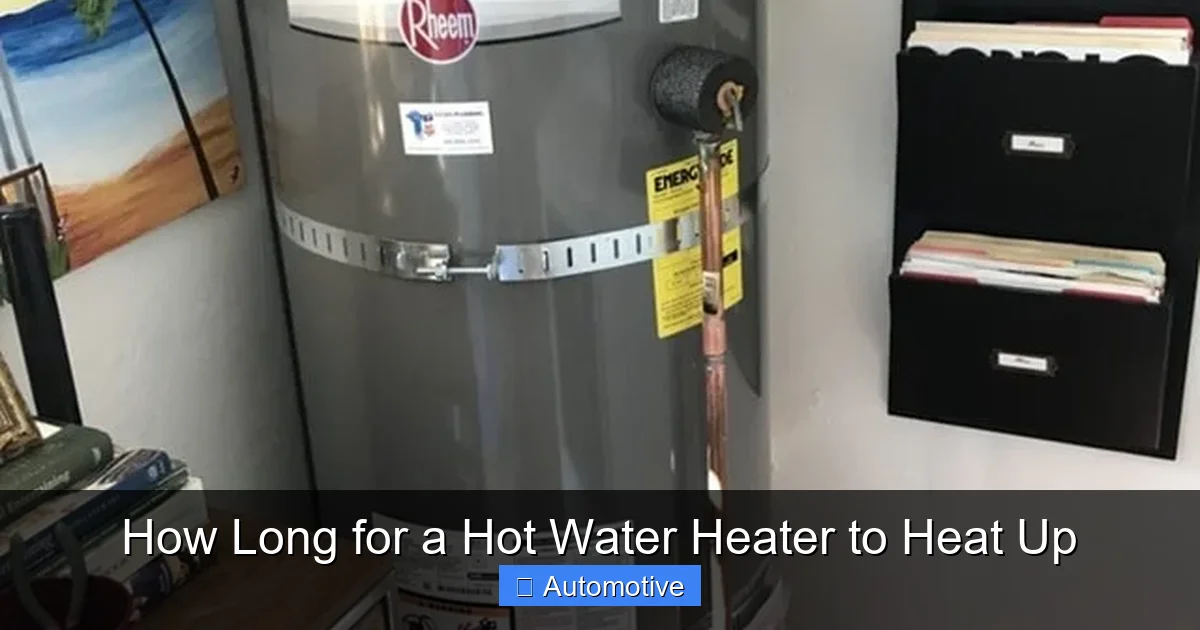
Wondering how long for a hot water heater to heat up? Most units take 30 to 60 minutes, but time varies by type, size, and usage. Learn what affects heating speed and how to get hot water faster.
This is a comprehensive guide about How Long For A Hot Water Heater To Heat Up.
In This Article
- 1 Key Takeaways
- 2 How Long for a Hot Water Heater to Heat Up: The Complete Guide
- 3 Understanding Water Heater Basics
- 4 Average Heating Times by Water Heater Type
- 5 Factors That Affect Heating Time
- 6 Tips to Reduce Heating Time and Improve Efficiency
- 7 When to Call a Professional
- 8 Conclusion
- 9 Frequently Asked Questions
- 9.1 How long does it take for a 50-gallon water heater to heat up?
- 9.2 Why is my water heater taking so long to heat up?
- 9.3 Can I speed up my water heater’s heating time?
- 9.4 Is it normal for a water heater to take 2 hours to heat up?
- 9.5 Do tankless water heaters heat water instantly?
- 9.6 Should I turn off my water heater when not in use?
Key Takeaways
- Standard heating time: Most residential water heaters take 30 to 60 minutes to heat a full tank, depending on fuel type and capacity.
- Tank size matters: Larger tanks (50+ gallons) take longer to heat than smaller ones (30–40 gallons), especially after heavy use.
- Fuel type impacts speed: Gas heaters typically heat water faster than electric models due to higher BTU output.
- First-hour rating (FHR): This metric tells you how much hot water your heater can deliver in the first hour of use—key for sizing your system.
- Maintenance improves performance: Sediment buildup, faulty thermostats, or worn heating elements can slow heating and should be checked regularly.
- Insulation and location help: Well-insulated tanks and warm installation areas (like garages in mild climates) reduce heat loss and speed recovery.
- Upgrade options exist: Tankless or heat pump water heaters offer faster, on-demand hot water with better efficiency.
[FEATURED_IMAGE_PLACEHOLDER]
How Long for a Hot Water Heater to Heat Up: The Complete Guide
Have you ever stepped into the shower, turned on the hot water, and waited… and waited… for that warm stream to finally arrive? You’re not alone. One of the most common questions homeowners ask is: how long for a hot water heater to heat up? The answer isn’t always straightforward—it depends on several factors, from the type of heater you have to how much water you use. But understanding these variables can help you manage expectations, troubleshoot issues, and even improve your system’s performance.
Whether you’re dealing with a gas, electric, tankless, or hybrid water heater, knowing how long it takes to heat water can save you time, money, and frustration. In this guide, we’ll break down everything you need to know—from average heating times to practical tips for faster hot water. We’ll also explore how maintenance, insulation, and even your home’s location play a role. By the end, you’ll have a clear picture of what’s normal, what’s not, and how to get the most out of your water heating system.
Understanding Water Heater Basics
Before diving into heating times, it helps to understand how water heaters work. Most homes use one of two main types: tank-style (storage) heaters or tankless (on-demand) heaters. Each operates differently, which directly affects how quickly they deliver hot water.
Tank-Style Water Heaters
Tank-style heaters are the most common in U.S. homes. They store and continuously heat a large volume of water—typically 30 to 80 gallons—in an insulated tank. When you turn on a hot water tap, the heated water flows out, and cold water enters the tank to be reheated. This process keeps the tank full and ready for use.
These heaters can be powered by gas, electricity, or even solar energy. Gas models use a burner under the tank, while electric models use heating elements inside the tank. Because they store water, they’re always “on,” maintaining a set temperature (usually around 120°F to 140°F). This standby heating means they’re ready when you need them—but it also means they consume energy even when not in use.
Tankless Water Heaters
Tankless heaters, also known as on-demand heaters, don’t store water. Instead, they heat water instantly as it flows through the unit. When you open a hot water tap, cold water travels through a pipe into the heater, where it’s rapidly heated by a gas burner or electric element. This means you only heat water when you need it—no waiting for a tank to refill or reheat.
Because they don’t store water, tankless units can provide a continuous supply of hot water, though the flow rate is limited. They’re more energy-efficient than tank models but may struggle to meet high demand (like running a shower and dishwasher simultaneously) unless properly sized.
Hybrid (Heat Pump) Water Heaters
Hybrid water heaters combine a traditional tank with a heat pump that extracts warmth from the surrounding air. They’re highly efficient, using up to 60% less energy than standard electric models. However, they work best in warm, well-ventilated spaces (like garages or basements) and may take longer to heat water in cold environments.
Understanding your heater type is the first step in answering “how long for a hot water heater to heat up?” Each type has different heating characteristics, recovery rates, and efficiency levels. Now, let’s look at the numbers.
Average Heating Times by Water Heater Type
So, how long does it actually take for a hot water heater to heat up? The answer varies widely based on the type, size, and fuel source. Here’s a breakdown of average heating times for common water heater types.
Electric Tank Water Heaters
Electric tank heaters are popular in homes without natural gas lines. They use one or two heating elements (usually 4,500 watts each) to warm the water. While they’re reliable and quiet, they’re generally slower than gas models.
For a standard 40- to 50-gallon electric tank, it typically takes 60 to 80 minutes to heat a full tank from cold. Smaller tanks (30 gallons) may take 45 to 60 minutes, while larger ones (80 gallons) can take 90 minutes or more. This is because electric elements heat water more gradually than gas burners.
For example, if you run a long shower and empty the tank, you’ll likely wait over an hour before the next person can enjoy hot water. This is why electric heaters are often recommended for smaller households or homes with moderate hot water use.
Gas Tank Water Heaters
Gas-powered tank heaters are known for their speed. They use a burner beneath the tank, which can produce high heat output—often 30,000 to 50,000 BTUs. This allows them to heat water much faster than electric models.
A typical 40- to 50-gallon gas heater can heat a full tank in 30 to 45 minutes. Larger tanks (75–80 gallons) may take 45 to 60 minutes. This faster recovery time makes gas heaters ideal for larger families or homes with high hot water demand.
One real-world example: a family of four using a gas water heater might run the dishwasher, do laundry, and take showers in the morning without running out of hot water—thanks to the quick reheating cycle.
Tankless Water Heaters
Tankless heaters don’t “heat up” in the traditional sense because they don’t store water. Instead, they heat water on demand. When you turn on the tap, the unit activates and heats water as it flows through.
The time it takes for hot water to reach your faucet depends on the distance from the heater and the flow rate. Once the unit is running, you’ll get hot water in 10 to 20 seconds. However, if the heater is far from the fixture (like a bathroom upstairs), you may wait longer for the water to travel through the pipes.
For instance, a tankless unit installed in a basement might take 30 seconds to deliver hot water to a second-floor shower. But once it starts flowing, it continues indefinitely—no waiting for a tank to refill.
Hybrid (Heat Pump) Water Heaters
Hybrid heaters are the slowest to heat water initially because they rely on ambient air temperature. In ideal conditions (70°F or warmer), a hybrid heater can heat a 50-gallon tank in 60 to 90 minutes. In colder spaces, this can extend to 2 hours or more.
However, once the tank is heated, the heat pump maintains temperature efficiently. Some models also have a backup electric element for faster heating during high demand. If you live in a warm climate and have a well-ventilated space, a hybrid heater can be a great long-term investment—even if it takes a bit longer to heat up.
In summary, the answer to “how long for a hot water heater to heat up?” depends heavily on your system. Gas tanks are fastest, electric tanks are slower, tankless units are instant (once flowing), and hybrids vary by environment. Next, let’s explore the factors that influence these times.
Factors That Affect Heating Time
Even among the same type of water heater, heating times can vary. Several factors influence how quickly your system can deliver hot water. Understanding these can help you troubleshoot delays and optimize performance.
Tank Size and Capacity
The size of your water heater tank directly impacts heating time. A 30-gallon tank will heat faster than an 80-gallon one because there’s less water to warm. For example, a 30-gallon electric heater might take 45 minutes, while an 80-gallon version could take over 2 hours.
Choosing the right size is crucial. A tank that’s too small will run out of hot water quickly, while one that’s too large wastes energy heating unused water. The Department of Energy recommends sizing your heater based on your household’s peak hour demand—how much hot water you use during your busiest hour.
Incoming Water Temperature
The temperature of the water entering your heater plays a big role. In colder climates, groundwater can be as low as 40°F in winter, while in warmer regions, it might be 60°F or higher. The colder the incoming water, the longer it takes to heat.
For example, heating 50 gallons from 40°F to 120°F requires significantly more energy than heating it from 60°F to 120°F. This is why homes in northern states often experience longer heating times in winter, even with the same heater.
Heater Age and Condition
Older water heaters lose efficiency over time. Sediment buildup at the bottom of the tank (common in areas with hard water) insulates the water from the heating element or burner, slowing heat transfer. A 10-year-old heater may take 20–30% longer to heat water than a new one.
Additionally, worn heating elements, faulty thermostats, or corroded burners can reduce performance. Regular maintenance—like flushing the tank annually—can help maintain optimal heating speed.
Thermostat Settings
Your water heater’s thermostat controls the target temperature. Most are set to 120°F, but if yours is set lower (say, 110°F), it will heat faster—though you may not have enough hot water for showers or laundry. Conversely, a setting of 140°F increases safety risks (like scalding) and may not significantly reduce heating time.
Adjusting the thermostat can be a quick fix, but always follow safety guidelines. If you raise the temperature, consider installing anti-scald devices at faucets.
Insulation and Heat Loss
Even when off, water heaters lose heat to their surroundings. Poorly insulated tanks or those installed in unheated spaces (like crawl spaces or garages in cold climates) lose heat faster, requiring more frequent reheating.
Adding an insulating blanket to your tank (if recommended by the manufacturer) can reduce standby heat loss by 25–45%, helping maintain temperature and reduce reheating time. Just be sure not to cover vents, controls, or the bottom of gas heaters.
Usage Patterns and Recovery Rate
How you use hot water affects how quickly your heater can “recover”—the term for reheating after use. If you run multiple appliances at once (shower, dishwasher, washing machine), you may deplete the tank faster than it can refill and reheat.
The recovery rate is measured in gallons per hour (GPH). A gas heater might recover 40–50 GPH, while an electric one recovers 20–30 GPH. Knowing your heater’s recovery rate helps you plan usage and avoid cold surprises.
By understanding these factors, you can better manage your expectations and make informed decisions about maintenance, upgrades, or usage habits.
Tips to Reduce Heating Time and Improve Efficiency
If you’re tired of waiting for hot water, there are several practical steps you can take to speed up heating and improve efficiency. These tips apply to most water heater types and can make a noticeable difference.
Schedule Regular Maintenance
Flushing your tank annually removes sediment buildup, which can insulate the water and slow heating. For electric heaters, check the heating elements for corrosion. For gas models, inspect the burner and flame sensor. A well-maintained heater heats faster and lasts longer.
Many homeowners overlook maintenance, but it’s one of the easiest ways to improve performance. Consider setting a calendar reminder every spring to flush the tank and inspect components.
Insulate Your Tank and Pipes
Adding an insulating blanket to your water heater (if compatible) can reduce heat loss and keep water warmer longer. This is especially helpful for older tanks or those in cold areas.
You can also insulate hot water pipes, particularly those running through unheated spaces. This reduces the time it takes for hot water to reach your faucets and minimizes waste. Foam pipe insulation is inexpensive and easy to install.
Install a Recirculation System
If you have long pipe runs (like a master bathroom far from the heater), a recirculation system can keep hot water circulating through the pipes, so it’s ready when you turn on the tap. These systems use a pump and a return line to keep water moving.
While they use a bit of extra energy, they eliminate the wait for hot water and reduce water waste. Some modern tankless heaters come with built-in recirculation pumps for added convenience.
Lower the Thermostat (Safely)
Setting your thermostat to 120°F is usually sufficient for most homes and reduces energy use. Lower temperatures also mean faster heating cycles, though you’ll have less hot water available. If you have a large family, consider a higher setting—but install anti-scald valves to protect against burns.
Upgrade to a More Efficient Model
If your heater is over 10 years old, it may be time for an upgrade. Newer models are more efficient, heat faster, and come with advanced features like digital controls and improved insulation.
Consider a tankless heater for instant hot water, or a hybrid model for maximum energy savings. While the upfront cost is higher, the long-term savings on energy bills can be significant.
Use Hot Water Wisely
Simple habits can reduce demand and improve heating efficiency. Take shorter showers, run full loads in the dishwasher and washing machine, and avoid using hot water for tasks that don’t need it (like rinsing dishes).
Staggering high-demand activities—like doing laundry after showers—can also help your heater keep up without overworking.
When to Call a Professional
While many heating issues can be resolved with maintenance or adjustments, some problems require professional help. If your water heater is taking significantly longer to heat up than usual, it could signal a deeper issue.
Signs You Need a Technician
- Water takes over 90 minutes to heat (for a standard 50-gallon tank)
- You notice a drop in water pressure or temperature
- The heater makes unusual noises (popping, rumbling)
- You see rusty water or leaks around the tank
- The pilot light won’t stay lit (gas models)
- The circuit breaker trips frequently (electric models)
These could indicate sediment buildup, a failing heating element, a faulty thermostat, or even a cracked tank. A licensed plumber or HVAC technician can diagnose and repair the issue safely.
Regular professional inspections (every 2–3 years) can also catch problems early and extend your heater’s lifespan.
Conclusion
So, how long for a hot water heater to heat up? The short answer: it depends. Most tank-style heaters take 30 to 60 minutes, with gas models being faster than electric ones. Tankless units deliver hot water in seconds once flowing, while hybrids vary by environment. Factors like tank size, incoming water temperature, and maintenance all play a role.
By understanding your system and taking simple steps—like insulating pipes, scheduling maintenance, and using hot water wisely—you can reduce wait times and improve efficiency. And if your heater is old or underperforming, upgrading to a modern model could save you time, energy, and money in the long run.
Hot water is a daily necessity, and waiting for it shouldn’t be a hassle. With the right knowledge and care, you can enjoy reliable, fast hot water whenever you need it.
Frequently Asked Questions
How long does it take for a 50-gallon water heater to heat up?
A 50-gallon gas water heater typically takes 30 to 45 minutes to heat a full tank, while an electric model may take 60 to 80 minutes. Time can vary based on incoming water temperature and heater condition.
Why is my water heater taking so long to heat up?
Common causes include sediment buildup, a faulty heating element, low thermostat settings, or cold incoming water. Regular maintenance and checking the thermostat can help resolve these issues.
Can I speed up my water heater’s heating time?
Yes—insulate the tank and pipes, flush sediment annually, and consider a recirculation system. Upgrading to a tankless or hybrid model can also provide faster hot water.
Is it normal for a water heater to take 2 hours to heat up?
For most standard tanks, 2 hours is longer than normal and may indicate a problem like sediment buildup, a failing element, or an undersized unit. Have it inspected if this happens regularly.
Do tankless water heaters heat water instantly?
Tankless heaters heat water on demand, so once the flow starts, hot water arrives in 10 to 20 seconds. However, travel time through pipes may add a delay depending on distance.
Should I turn off my water heater when not in use?
It’s not necessary to turn it off daily, but doing so during extended absences (like vacations) can save energy. Just remember to turn it back on a few hours before you need hot water.