How Long Does a Car Wrap Last?

Contents
- 1 Key Takeaways
- 2 📑 Table of Contents
- 3 How Long Does a Car Wrap Last?
- 4 What Factors Affect Car Wrap Longevity?
- 5 Signs Your Car Wrap Is Wearing Out
- 6 How to Extend the Life of Your Car Wrap
- 7 Can You Remove a Car Wrap Safely?
- 8 Cost vs. Value: Is a Long-Lasting Wrap Worth It?
- 9 Conclusion: Maximizing Your Wrap’s Lifespan
- 10 Frequently Asked Questions

Car Interior LED Light

Car Tire Inflator

Car Window Tint Film

Microfiber Car Cleaning Cloth
Car wraps typically last between 5 to 7 years, depending on material quality, installation, and care. With proper maintenance and UV protection, some high-end wraps can even exceed a decade. Understanding what influences longevity helps you get the most value from your investment.
Key Takeaways
- Typical Lifespan: Most car wraps last 5–7 years under normal conditions.
- Material Matters: Premium vinyl (like 3M or Avery Dennison) lasts longer than budget options.
- Installation Quality: Professional installation prevents peeling, bubbling, and premature wear.
- Environmental Exposure: Sun, heat, snow, and road salt significantly impact wrap durability.
- Maintenance Routine: Regular washing and waxing extend wrap life and maintain appearance.
- Removability: High-quality wraps can be safely removed without damaging factory paint.
- Cost vs. Longevity: Investing in a better wrap upfront saves money over time by reducing replacement frequency.
📑 Table of Contents
How Long Does a Car Wrap Last?
So, you’ve decided to give your car a fresh new look—maybe it’s for personal style, branding your business, or protecting that glossy factory paint. A car wrap is a smart, reversible upgrade that transforms your vehicle without the permanence (or cost) of a full repaint. But here’s the big question on everyone’s mind: *How long does a car wrap actually last?*
The short answer? Most quality car wraps last between **5 to 7 years**. But that’s just the average. In ideal conditions—like a garage-kept luxury sedan in a mild climate—some wraps can stretch past 10 years. On the flip side, a poorly installed wrap on a daily driver in Arizona’s scorching sun might start showing wear in just 2–3 years. So while the number “5–7 years” is a solid benchmark, the real story lies in the details: the type of vinyl, how it’s installed, where you drive, and how you care for it.
Think of a car wrap like a high-tech jacket for your vehicle. It protects the original paint from scratches, UV rays, and minor dings while letting you change colors or add graphics whenever you want. But just like any jacket, it wears out over time—especially if you leave it out in the rain, never clean it, or buy the cheapest one at the discount store. The good news? With the right choices and habits, you can maximize your wrap’s lifespan and keep your car looking sharp for years to come.
In this guide, we’ll break down everything that affects how long your car wrap lasts—from the materials used to the climate you live in—and give you practical tips to make it last as long as possible. Whether you’re wrapping a compact hatchback or a full-size SUV, understanding these factors will help you get the best return on your investment.
What Factors Affect Car Wrap Longevity?
Visual guide about How Long Does a Car Wrap Last?
Image source: signsforless.ca
Not all car wraps are created equal—and not all driving conditions are kind to vinyl. Several key factors determine how long your wrap will stay vibrant, smooth, and intact. Let’s dive into the biggest influencers.
1. Vinyl Quality and Brand
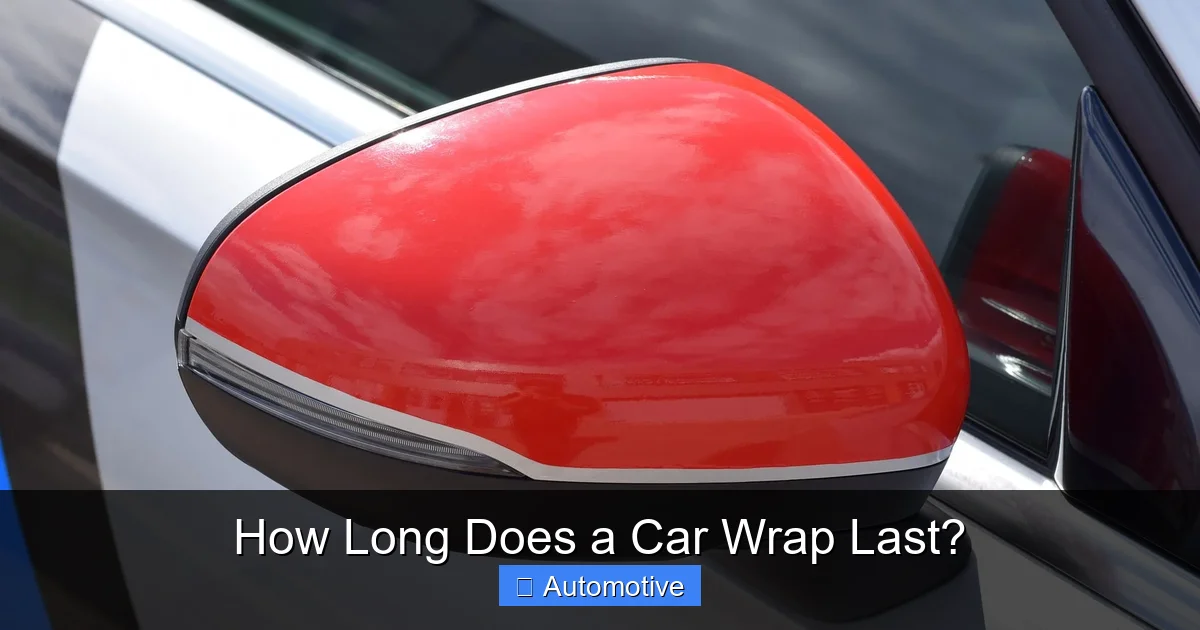
The single most important factor in wrap longevity is the quality of the vinyl itself. Not all wraps are made from the same material. Budget wraps often use thinner, less durable films that fade quickly and crack under stress. In contrast, premium brands like **3M, Avery Dennison, and Arlon** use multi-layered, cast vinyl designed specifically for automotive use.
Cast vinyl is more flexible, conforms better to curves and contours, and resists shrinking and fading. It’s also more expensive—but it pays off in durability. For example, a 3M 1080 Series wrap can last up to 8 years with proper care, while a generic brand might start peeling after just 3. If you’re serious about longevity, always ask your installer what brand they use—and don’t be afraid to pay a bit more for top-tier materials.
2. Professional Installation vs. DIY
Even the best vinyl won’t last if it’s installed poorly. A professional installer uses heat guns, squeegees, and precision cutting tools to ensure the wrap adheres smoothly without air bubbles, wrinkles, or stretched areas. They also know how to handle complex curves, door handles, and mirrors—areas where DIY attempts often fail.
A bad installation can lead to premature lifting at the edges, trapped moisture, or uneven tension that causes the wrap to crack. I’ve seen cases where a $300 DIY wrap job needed replacing in under a year, while a $2,500 professional job on the same car model lasted over 7 years. The difference? Skill, tools, and attention to detail. Always choose a certified installer with a portfolio of clean, bubble-free work.
3. Climate and Environmental Exposure
Where you live plays a huge role in how long your wrap lasts. Extreme heat, intense UV rays, freezing temperatures, and road salt all take a toll.
In sunny states like Arizona or Florida, UV exposure can cause colors to fade and vinyl to become brittle over time. Wraps in these areas may need reapplication sooner than those in milder climates like Oregon or Washington. Conversely, cold climates with snow and ice can lead to cracking if the wrap isn’t flexible enough. Road salt used in winter can also seep under edges and cause corrosion or lifting.
If you live in a harsh environment, consider using a wrap with built-in UV inhibitors or applying a protective ceramic coating over the vinyl. Also, parking in a garage or using a car cover when possible can significantly extend wrap life.
4. Driving Habits and Vehicle Use
How you use your car matters too. A daily commuter that’s driven 100 miles a day on highways will experience more wear than a weekend cruiser. Frequent exposure to bugs, gravel, and highway debris can scratch the surface, while constant washing (especially at automated car washes) can degrade the edges.
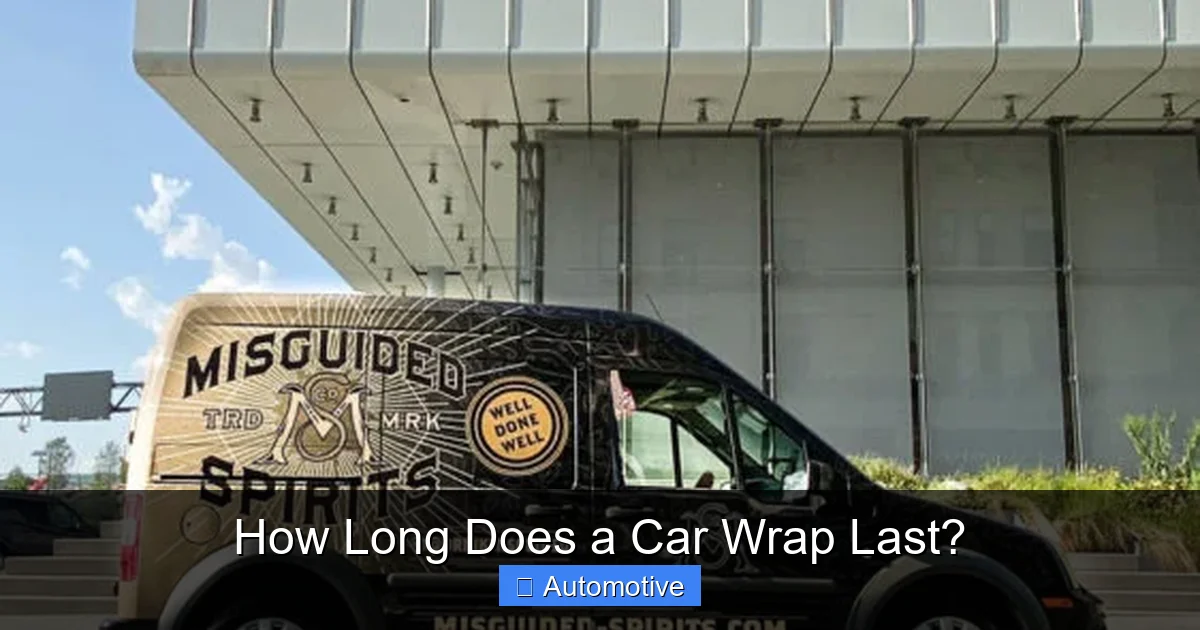
Commercial vehicles—like delivery vans or food trucks—often have shorter wrap lifespans due to heavy use and exposure to dirt, grease, and chemicals. In these cases, choosing a more durable wrap with a protective laminate layer is essential.
5. Maintenance and Cleaning Routine
Neglect is the enemy of longevity. A wrap that’s never washed will accumulate dirt, grime, and pollutants that break down the vinyl over time. But over-washing or using harsh chemicals can be just as damaging.
The key is consistency and care. Wash your wrapped car every 2–4 weeks using a pH-neutral car soap and a soft microfiber mitt. Avoid abrasive sponges or brushes. After washing, dry it gently with a clean towel to prevent water spots.
Also, avoid automatic brush-style car washes—they can lift edges and scratch the surface. Touchless washes are safer, but hand washing is always best.
Signs Your Car Wrap Is Wearing Out
Visual guide about How Long Does a Car Wrap Last?
Image source: roadsumo.com
Even with the best care, wraps don’t last forever. Knowing when it’s time to replace or remove your wrap can save you from bigger problems down the road. Here are the most common signs of wear to watch for.
Fading and Discoloration
One of the first signs of aging is color loss. Reds and blues tend to fade faster than blacks or metallics. If your once-vibrant wrap starts looking dull or washed out, it’s a sign the UV protection is breaking down. This doesn’t mean the wrap is failing structurally—yet—but it’s a visual cue that it’s nearing the end of its prime.
Cracking and Peeling at Edges
Edges around doors, mirrors, and wheel wells are the most vulnerable. If you notice the wrap lifting or curling at the corners, it’s likely due to heat expansion, poor adhesion, or repeated opening and closing of doors. Small lifts can sometimes be re-adhered with heat, but widespread peeling means it’s time for a replacement.
Bubbling and Wrinkling
Air or moisture trapped under the vinyl causes bubbles. While small bubbles may disappear with heat, persistent ones indicate installation issues or material failure. Wrinkling often happens when the wrap shrinks over time—especially with lower-quality vinyl.
Surface Scratches and Scuffs
While wraps protect your paint, they’re not scratch-proof. Over time, minor abrasions from washing, parking lot encounters, or road debris can accumulate. Deep scratches may expose the underlying paint, creating a risk of moisture intrusion.
Loss of Gloss or Shine
A healthy wrap has a smooth, glossy finish. If it starts looking hazy or dull—even after washing—it may be due to oxidation or chemical buildup. This is common in areas with high pollution or hard water.
If you notice two or more of these signs, it’s probably time to consult your installer about removal or rewrapping.
How to Extend the Life of Your Car Wrap

Visual guide about How Long Does a Car Wrap Last?
Image source: blogproautomotive.com
The great news? You have a lot of control over how long your wrap lasts. With a few smart habits, you can easily add 1–2 years (or more) to its lifespan.
Wash Regularly—But Gently
As mentioned earlier, regular washing is essential—but technique matters. Use a two-bucket method: one for soapy water, one for rinsing your mitt. This prevents dirt from being dragged across the surface. Rinse thoroughly to avoid soap residue.
Avoid high-pressure washers directly on edges, as they can force water underneath. And never use household cleaners like Windex or ammonia-based products—they can degrade the vinyl.
Apply a Protective Coating
Just like you’d wax a painted car, you can protect a wrap with a vinyl-safe sealant or ceramic coating. Products like **Wrap Shield** or **CarPro Reload** add a hydrophobic layer that repels water, dirt, and UV rays. Reapply every 3–6 months for best results.
This extra step can significantly slow fading and make cleaning easier. Think of it as sunscreen for your car.
Park Smart
Whenever possible, park in the shade or use a car cover. UV rays are the #1 enemy of vinyl. Even a few hours of direct sunlight each day adds up over time. If you live in a sunny area, consider tinted windows or a wrap with enhanced UV inhibitors.
Also, avoid parking under trees that drop sap, berries, or leaves—these can stain the wrap and are hard to remove without damaging the surface.
Touch Up Minor Damage Early
If you notice a small lift or scratch, don’t ignore it. Use a heat gun (on low setting) to re-adhere lifted edges. For minor scratches, some installers offer touch-up kits or can apply a small patch. Catching problems early prevents them from spreading.
Annual Inspection
Once a year, take your car to your installer for a quick check-up. They can spot issues you might miss—like micro-cracks or adhesive failure—and recommend preventive care. It’s like a dental cleaning for your car.
Can You Remove a Car Wrap Safely?
Yes—and this is one of the biggest advantages of wrapping over painting. High-quality wraps are designed to be removable without damaging the original paint, as long as they’re removed correctly.
The Removal Process
Professional removal involves heating the vinyl with a heat gun or steamer to soften the adhesive, then gently peeling it off in large sections. Special adhesive removers may be used for residue, followed by a thorough wash and polish.
Never try to rip off a wrap cold—it can tear into small pieces and leave behind sticky residue. And avoid using sharp tools like razor blades, which can scratch the paint.
Paint Condition After Removal
If the wrap was applied over clean, undamaged paint and removed properly, the original finish should look nearly identical to when the wrap was first installed. In fact, many people wrap their cars specifically to *preserve* factory paint, especially on leased vehicles.
However, if the wrap was left on too long (beyond 10 years) or exposed to extreme conditions, the underlying paint may show some fading compared to wrapped areas—a phenomenon known as “paint mismatch.” This is rare with proper care but worth noting.
When to Remove vs. Rewrap
If your wrap is still in decent shape but showing minor wear, you might opt for a partial rewrap (e.g., just the hood or doors). But if it’s cracked, faded, or peeling badly, a full removal and rewrap is the best option.
Some people choose to remove wraps after 5 years even if they’re still functional—just to refresh the look or sell the car with original paint exposed.
Cost vs. Value: Is a Long-Lasting Wrap Worth It?
Let’s talk money. A full car wrap can cost anywhere from $2,000 to $5,000+, depending on the vehicle size, vinyl quality, and complexity. That’s a significant investment—so is it worth it for the longevity?
Comparing Wraps to Paint
A high-quality repaint can cost $3,000–$7,000 and lasts 10+ years—but it’s permanent. If you want to change colors later, you’re stuck. A wrap gives you flexibility. You can switch colors, add graphics, or revert to original paint whenever you want.
Plus, wraps protect your factory paint, which can increase resale value. Buyers often pay more for a car with original, unblemished paint—even if it’s hidden under a wrap.
Long-Term Savings
While a premium wrap costs more upfront, it can save you money over time. Instead of repainting every 5–7 years, you can rewrap for a fraction of the cost. And because wraps are removable, you avoid the depreciation hit that comes with custom paint jobs.
For businesses, wraps are even more valuable. A branded wrap acts as mobile advertising—worth thousands in marketing value over its lifespan. A $3,000 wrap that lasts 7 years costs less than $12 per day in advertising. That’s a steal.
Resale and Lease Benefits
If you’re leasing a car, a wrap protects the paint and can be removed before turn-in, avoiding costly wear-and-tear fees. For owners, a well-maintained wrap can make your car more attractive to buyers who appreciate the added protection and customization.
Conclusion: Maximizing Your Wrap’s Lifespan
So, how long does a car wrap last? On average, **5 to 7 years**—but with the right choices, it can last much longer. The key is investing in quality materials, professional installation, and consistent care. Think of your wrap as a long-term relationship: the more you put into it, the more it gives back.
Choose a reputable brand like 3M or Avery Dennison. Hire a certified installer with a solid track record. Wash your car gently and regularly. Park in the shade when you can. And don’t skip the protective coatings—they’re cheap insurance against fading and wear.
Remember, a car wrap isn’t just about looks. It’s about protection, flexibility, and value. Whether you’re wrapping a personal ride or a fleet of work vehicles, understanding what affects longevity helps you make smarter decisions and get the most out of your investment.
With proper care, your wrap won’t just last—it’ll keep turning heads for years to come.
Frequently Asked Questions
How long does a car wrap last in hot climates?
In hot, sunny areas like Arizona or Texas, car wraps may last 4–6 years due to intense UV exposure and heat. Using UV-protective vinyl and parking in shade can help extend life.
Can a car wrap last 10 years?
Yes, but only under ideal conditions—premium vinyl, professional installation, garage storage, and excellent maintenance. Most wraps max out around 7–8 years, but 10 is possible with top-tier care.
Does washing a car shorten wrap life?
No, regular washing actually extends wrap life by removing dirt and contaminants. Just avoid abrasive tools, harsh chemicals, and automatic brush washes.
What happens if I leave a car wrap on too long?
Over time, the adhesive can harden, making removal difficult and potentially damaging the paint. Also, prolonged UV exposure may cause the wrap to crack or fade severely.
Can I drive through a car wash with a wrap?
Yes, but only touchless or automatic rinse-only washes. Avoid brush-style washes, as they can lift edges and scratch the surface.
Is it cheaper to wrap or repaint a car?
Wrapping is usually cheaper than a high-quality repaint and offers more flexibility. However, a basic paint job may cost less upfront—but lacks the reversibility and protection of a wrap.