

How Long Do Hyundai Velosters Last?

Contents
- 1 Key Takeaways
- 2 📑 Table of Contents
- 3 Understanding Hyundai Veloster Reliability: The Big Picture
- 4 Engine Longevity: The Heart of the Beast
- 5 Transmission Lifespan: The Achilles’ Heel
- 6 Critical Maintenance That Dictates Lifespan
- 7 Real-World Owner Experiences: The Good, The Bad, The Ugly
- 8 Maximizing Your Veloster’s Lifespan: A Practical Guide
- 9 Frequently Asked Questions

Magnetic Car Phone Mount

LED Emergency Road Flares

Car Sunshade for Windshield
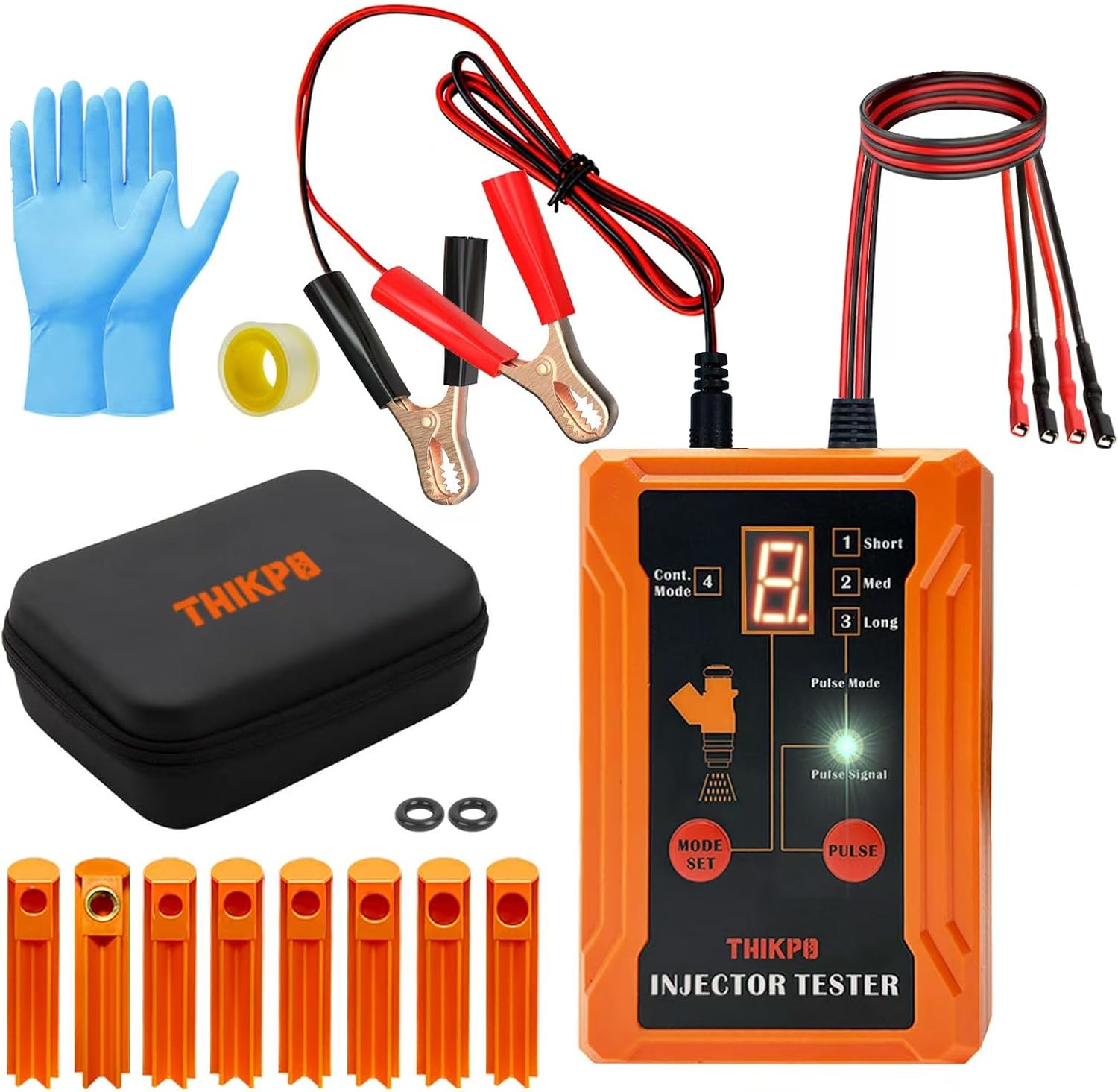
Fuel Injector Cleaner
Hyundai Velosters, when properly maintained, can reliably last between 150,000 to 200,000 miles, with many owners pushing beyond 200,000. The key to achieving this longevity is rigorous adherence to the maintenance schedule, especially for the transmission and turbocharged engines. Common issues often center on the dual-clutch transmission (DCT) in early models and certain engine components, making proactive care essential for a long ownership experience.
So, you’re eyeing a Hyundai Veloster. That punchy, asymmetrical hatchback with the third door is a ton of fun. But you’re also a smart buyer. You’re asking the right question: “How long do Hyundai Velosters last?” It’s the elephant in the room for any used sport compact shopper. Can this quirky, affordable performance car be a long-term companion, or is it a short-lived thrill? Let’s pop the hood, check the service records, and dig into the real-world data, owner forums, and mechanical realities to give you a complete, honest answer.
The answer isn’t a simple number. A Veloster’s lifespan is a direct conversation between its build quality and your wallet’s willingness to fund preventative maintenance. We’ll break down the critical components—engine, transmission, suspension—and see what lasts, what fails, and what you can do about it. Think of this not as a verdict, but as a roadmap. Your Veloster’s destiny is largely in your hands, and we’re here to hand you the map.
Key Takeaways
- Realistic Mileage Expectancy: A well-maintained Veloster can reach 150,000-200,000+ miles. High-mileage examples (250,000+) are rare but exist with exceptional service history.
- Maintenance is Non-Negotiable: Strict oil changes (using full-synthetic), timely transmission fluid services, and addressing TSBs (Technical Service Bulletins) are the single biggest factors in longevity.
- Engine Type Matters: Naturally aspirated 1.6L engines (2012-2018) are generally more durable long-term than the early turbocharged 1.6T (2012-2018), which can suffer from carbon buildup and oil consumption if not maintained.
- Transmission is the Weak Link: The 6-speed DCT in 2012-2018 models has known reliability concerns. The 2019+ model’s 6-speed manual or 7-speed DCT (with updated internals) is significantly more robust.
- Cost of Ownership vs. Longevity: Repair costs for major components (DCT, turbo) can exceed the car’s value after 100k miles. Long-term ownership is economically viable only with a meticulous service record.
- Driving Habits Impact Lifespan: Aggressive driving, short trips (not warming up the turbo), and towing beyond capacity drastically reduce the lifespan of both engine and transmission.
- Model Year is Critical: 2019+ models represent a major redesign with improved engines, transmissions, and build quality, offering a much higher potential for longevity than 2012-2018 models.
📑 Table of Contents
Understanding Hyundai Veloster Reliability: The Big Picture
Before we talk miles, we need to frame the conversation. The Hyundai Veloster (produced from 2011-2022) occupies a unique niche. It’s not a bare-bones economy car, nor is it a hardened track weapon. It’s a sporty, front-wheel-drive hatchback designed to be engaging, efficient, and affordable. This design philosophy means some compromises were made, particularly in durability, to hit a low price point. Understanding this context is key to setting realistic expectations.
Reliability Rankings and Historical Context
Look at major reliability surveys from J.D. Power, Consumer Reports, or even Hyundai’s own internal data from the early 2010s, and you’ll see a pattern. The first-generation Veloster (2012-2018) typically scored below average in long-term reliability studies. The main culprits were always the complex new transmission and the turbocharged engine’s teething problems. Hyundai has made incredible strides as a brand, but the Veloster, especially its early years, was a learning experience. The second generation (2019+) shows marked improvements, aligning more closely with Hyundai’s current above-average reputation. When asking “how long do Hyundai Velosters last?”, you must first ask, “Which generation?”
The 150,000-Mile Benchmark: A Realistic Goal?
For many modern cars, 150,000 miles is the new 100,000. For a first-gen Veloster, reaching 150,000 miles without a major transmission or engine rebuild is a significant achievement that speaks to an owner’s diligence. For a second-gen model, 150,000 miles is a more reasonable expectation with standard maintenance. Pushing to 200,000+ miles is possible but enters the realm of “well-maintained examples only,” where the cost of keeping it running might start to approach the value of a newer used car. It’s a marathon, not a sprint, and you need the right shoes (a solid maintenance log).
Engine Longevity: The Heart of the Beast
The Veloster’s engine bay has housed two primary fighters: the naturally aspirated 1.6L Gamma GDi and the turbocharged 1.6L Gamma T-GDi. Their longevity stories are quite different.

Visual guide about How Long Do Hyundai Velosters Last?
Image source: hyundaimaintenance.com
The 1.6L Naturally Aspirated (2012-2018 Base Model)
This is the “safer” engine for longevity. It’s a straightforward, port-injected (in some markets) or direct-injected gasoline engine. With regular oil changes using full synthetic oil (every 5,000-7,500 miles), these engines are known to be robust. Common wear items are typical: spark plugs, ignition coils, and eventually, the timing chain tensioner or guides around 150,000+ miles. Carbon buildup on the intake valves can be an issue with direct injection, but it’s a slower, more manageable process than in the turbo. If you find a base-model Veloster with a clean service history, the engine itself is rarely the reason it gets scrapped. Its potential lifespan is closely tied to the transmission it’s mated to.
The 1.6L Turbocharged (2012-2018 Turbo & R-Spec)
This is the fun one, and also the more finicky. The turbo adds significant power but also complexity and stress. The two biggest threats to its longevity are oil consumption/carbon buildup and turbocharger failure.
- Carbon Buildup: Direct injection plus turbo heat leads to rapid carbon accumulation on the intake valves. This hurts performance, fuel economy, and can cause misfires. The only cure is a costly walnut blasting service every 60,000-80,000 miles. Neglecting this is a fast track to engine problems.
- Oil Consumption & Turbo Health: Some early turbo engines were notorious for burning oil. Low oil level is the #1 killer of turbochargers. The turbo’s bearings rely on a constant supply of clean oil. If oil is low, dirty, or the wrong viscosity (not using Hyundai’s recommended full-synthetic), the turbo will fail, sending metal shavings through the engine. A replaced turbo can cost $2,500-$4,000.
The turbo engine can last a long time, but it demands obsessive attention to oil levels and quality. An owner who is on top of this can see 180,000+ miles. An owner who ignores it might see turbo death at 80,000 miles.
The 2.0L MPI & 1.6T (2019+ Redesign)
The second generation fixed many first-gen issues. The base 2.0L MPI engine is more powerful and refined. The revised 1.6T (in the N and R-Spec) features an updated turbo, better cooling, and improved engine management. Early reports from owner forums suggest these engines are far more resilient, with fewer catastrophic oil consumption reports. The maintenance requirements are similar—synthetic oil is mandatory—but the engineering tolerances are better. This is a big reason the 2019+ model has a much higher potential ceiling for total longevity.
Transmission Lifespan: The Achilles’ Heel
Let’s be blunt: the transmission is the most significant variable in the “how long” equation for a Veloster. Its fate often determines the car’s total lifespan.

Visual guide about How Long Do Hyundai Velosters Last?
Image source: m.media-amazon.com
The Infamous 6-Speed Dual-Clutch Transmission (DCT) (2012-2018)
This is the elephant in the room. Hyundai’s DCT, while smooth and quick-shifting when new, has a well-documented history of premature failure. Issues include:
- Clutch Pack Wear: The dual clutches themselves can wear out, causing shuddering, slipping, and eventual failure. This is often linked to aggressive driving, “creeping” in traffic (holding the car on the clutch), and lack of fluid changes.
- Solenoid/Actuator Failure: Electronic components controlling clutch engagement can fail, leading to harsh shifts or getting stuck in gear.
- Fluid Degradation: The DCT fluid (not the same as CVT fluid) heats up quickly. Hyundai’s early maintenance interval was notoriously long (often “lifetime”). Enlightened owners and independent shops now recommend fluid & filter changes every 40,000-60,000 miles to prevent overheating and wear. Ignoring this is a surefire way to kill the transmission.
Replacement cost for a remanufactured DCT can be $5,000-$7,000+. Many high-mileage Velosters on the market have had this repair done. If you’re looking at a first-gen model, a clean Carfax showing a transmission fluid service at a reputable shop is a green flag. A complete lack of service records is a massive red flag. For a deeper dive into transmission longevity issues across brands, you can read about how long Subaru transmissions last, which also highlights how complex modern transmissions can be.
The Updated 7-Speed DCT and 6-Speed Manual (2019+)
Hyundai quietly but significantly improved the DCT for the second generation. The 7-speed unit (in the N) and the revised 6-speed (in other trims) have stronger internals, better cooling, and more robust software. While no DCT is indestructible, failure rates on these newer units appear to be dramatically lower based on early owner data. The 6-speed manual option, of course, eliminates the entire DCT issue. It’s a simple, robust, driver-engaged transmission that, with a clutch replacement every 100k miles, can easily outlast the body of the car. If your priority is maximum longevity and minimal repair bills, the manual-transmission second-gen Veloster is the undisputed champion.
Critical Maintenance That Dictates Lifespan
You cannot overstate this. The difference between a Veloster that dies at 90,000 miles and one that thrives at 200,000 is a spreadsheet of maintenance invoices. Here’s what absolutely cannot be skipped.

Visual guide about How Long Do Hyundai Velosters Last?
Image source: hyundaimaintenance.com
The Non-Negotiable: Oil Changes and Engine Health
Use only full synthetic oil, meeting Hyundai’s specification (usually SN or SP, 5W-20 or 5W-30). Change it every 5,000 miles, without exception. For turbo models, check the oil level every 1,000 miles. Do not let it drop below the “MIN” mark. Consider using an oil analysis service (like Blackstone Labs) every 30,000 miles to check for fuel dilution, coolant contamination, or excessive wear metals—especially on turbos. This is cheap insurance.
Transmission Fluid: Debunking the “Lifetime” Myth
“Lifetime” in the owner’s manual means “lifetime of the warranty,” not the lifetime of the part. For the DCT, this is the most critical service. Find a reputable independent shop experienced with Hyundai DCTs and have the fluid and filter changed. Use only Hyundai genuine DCT fluid or a high-quality equivalent like Pentosin. For manuals, change the gear oil every 60,000 miles. For automatics (in other models), the principle is the same—heat kills fluid, dead fluid kills transmissions. You can also look at general maintenance guides, such as how long a car wrap lasts, to understand that even cosmetic components require upkeep, but mechanical systems are far more critical.
Other Wear Items That Signal Care (or Neglect)
- Timing Chain/Components: Both engines use timing chains, which are theoretically “lifetime” but tensioners and guides can wear. Listen for rattling on cold start. Replacement is expensive but preventative.
- Cooling System: Hoses, thermostat, and water pump. Replace the coolant every 60,000 miles. Overheating is a death sentence for any engine, especially a turbo.
- Brakes & Suspension: Worn struts/shocks (learn how long struts last on a Toyota for general benchmarks) put extra strain on other components. Rotors, pads, and control arm bushings are wear items; neglecting them leads to uneven tire wear and handling issues.
- Spark Plugs & Ignition Coils: Replace plugs every 60,000 miles. Faulty coils cause misfires that can wash cylinders with fuel, damaging catalytic converters and oxygen sensors.
Real-World Owner Experiences: The Good, The Bad, The Ugly
Forums like Veloster.org and Reddit’s r/Veloster are treasure troves of anecdotal evidence. Here’s the synthesized consensus.
High-Mileage Success Stories
You will find posts from owners with 2012-2014 Turbo models at 220,000 miles. What do they have in common? Meticulous, often over-maintenance. They changed DCT fluid every 30,000 miles. They monitored oil like a hawk. They addressed any weird noise or vibration immediately. They often had a trusted independent mechanic who knew the car’s quirks. These are the exceptions that prove the rule: the car can last, but it requires a level of commitment beyond “just take it in for an oil change.”
The Common Failure Points (What to Look For)
- The 100,000-Mile DCT Whisper: Around this mileage, many first-gen DCTs start to show their age—shuddering at low speeds, hesitation, or harsh shifts. It’s the beginning of the end.
- Turbo Whine and Smoke: A howling turbo on boost, blue/white smoke from the exhaust, or frequent oil top-ups are classic signs of a dying turbo or piston ring issue.
- Electrical Gremlins: Some owners report issues with the infotainment system, sunroof drains (causing water in the cabin), and various sensor failures. While not usually fatal, they are costly nuisances.
- Exhaust Manifold Cracks: A known issue on some turbo models, causing a ticking noise. Hyundai issued extended warranties for this at one point.
Maximizing Your Veloster’s Lifespan: A Practical Guide
So you’ve bought a Veloster, or you’re about to. Here is your action plan to make it last as long as possible.
Immediate Post-Purchase Checklist
- Full History Audit: Get every service record. If the previous owner was lax, assume the worst and budget for a full fluid change (engine oil, transmission, differential, coolant, brake fluid) and a thorough inspection.
- Pre-Purchase Inspection (PPI): Have it done by a specialist, not a generic shop. They need to know Veloster quirks. They should scan for codes, check for DCT trouble codes, test drive for shudder, and inspect the turbo for play.
- Address Known TSBs: Search your VIN on Hyundai’s website or forums for open Technical Service Bulletins. Many were covered under extended warranties that may still apply.
The Long-Term Ownership Strategy
- Build a Relationship with a Specialist: Find an independent shop that knows Hyundai, preferably Velosters. They will be your best ally.
- Budget for Major Services: Every 60,000 miles, budget for a “major service”: DCT fluid (if applicable), spark plugs, coolant, brake fluid, and a full inspection. This can cost $1,000-$1,500 but prevents $5,000 surprises.
- Drive It Gently (Especially When Cold): Let the engine idle for 30 seconds after a cold start. Avoid aggressive acceleration until the oil is fully warmed up. This is turbo 101.
- Keep it Clean: Salt and grime cause corrosion. Regular washing, especially in winter, protects the body and undercarriage. The unique three-door design has crevices that trap dirt.
Ultimately, the question “how long do Hyundai Velosters last?” has a personal answer. It will last as long as you are willing to invest in its care. For a first-gen automatic turbo, that investment curve gets very steep after 120,000 miles. For a second-gen manual or updated DCT, the curve is much kinder. Do your homework on the specific car’s history, and you can enjoy this unique hatchback for many years and miles.
Frequently Asked Questions
What is the biggest weakness affecting Hyundai Veloster longevity?
The 6-speed dual-clutch transmission (DCT) in 2012-2018 models is the single most common and costly point of failure. Neglecting transmission fluid changes dramatically shortens its life.
Is the turbocharged or naturally aspirated engine more reliable long-term?
The naturally aspirated 1.6L is generally more durable and less prone to catastrophic failure. The turbo engine offers more power but requires vigilant oil monitoring, regular carbon cleaning, and carries a higher risk of turbo or internal engine issues if neglected.
How much does it cost to replace a failed Veloster DCT transmission?
A complete replacement with a remanufactured unit, including labor, typically costs between $5,000 and $7,500. This is often more than the value of the car itself at higher mileage, making the repair economically unfeasible for many.
Are 2019+ Hyundai Velosters more reliable than earlier models?
Yes, significantly. The 2019 redesign addressed the first generation’s major flaws with a more robust chassis, improved engines, and a revised, more reliable DCT (or a manual option). These models have a much higher potential for long-term ownership with standard maintenance.
What is the single most important maintenance task for a high-mileage Veloster?
For a turbocharged model, checking and maintaining proper oil level every 1,000 miles is paramount to prevent turbo failure. For all models with a DCT, performing transmission fluid and filter changes every 40,000-60,000 miles is critical to avoid transmission failure.
Can I expect a Veloster to reach 200,000 miles?
It is possible but uncommon, especially for first-generation automatic/turbo models. Achieving 200,000+ miles requires an exceptionally complete maintenance history, immediate attention to any issues, and a willingness to invest in major services. Second-generation models with a manual transmission have a much better chance of reaching this milestone.


