How Long Can You Turn Off Water to Toilet
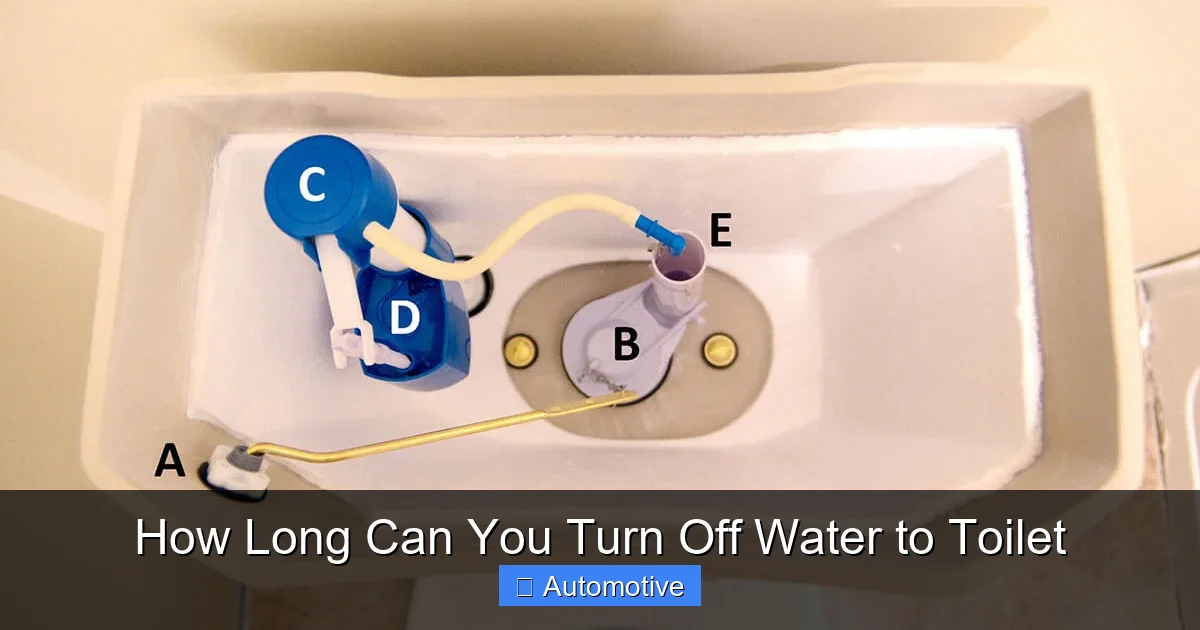
Turning off the water to your toilet is a common task during repairs or emergencies, but how long is it safe to leave it off? This guide explains the risks, best practices, and timeframes so you can avoid plumbing disasters and keep your bathroom functioning smoothly.
In This Article
- 1 Key Takeaways
- 2 📑 Table of Contents
- 3 Why You Might Need to Turn Off Water to Your Toilet
- 4 How Long Is It Safe to Leave the Water Off?
- 5 Steps to Take Before Turning Off the Water
- 5.1 1. Turn Off the Water at the Shutoff Valve
- 5.2 2. Flush the Toilet to Empty the Tank and Bowl
- 5.3 3. Add a Small Amount of Bleach to the Bowl (Optional)
- 5.4 4. Lift the Flapper to Let the Tank Dry
- 5.5 5. Cover the Toilet (For Long-Term Shutoffs)
- 5.6 6. Turn Off Power to Electric Toilets (If Applicable)
- 6 How to Safely Turn the Water Back On
- 7 Special Considerations for Long-Term Water Shutoffs
- 8 Common Mistakes to Avoid
- 9 When to Call a Professional
- 10 Conclusion
- 11 Frequently Asked Questions
- 11.1 Can I leave the water off to my toilet for a week?
- 11.2 Will turning off the water damage my toilet?
- 11.3 How do I know if the wax ring is damaged?
- 11.4 Can I use my toilet if the water is off?
- 11.5 Should I turn off the water before replacing a toilet?
- 11.6 What happens if I forget to turn the water back on?
Key Takeaways
- Short-term shutoffs (under 24 hours) are generally safe for minor repairs or cleaning, with minimal risk of damage or odor buildup.
- Leaving water off for more than 48 hours increases risks like dried-out wax rings, sewer gas leaks, and bacterial growth in stagnant pipes.
- Always turn off the water at the shutoff valve behind the toilet, not the main house supply, to avoid affecting other fixtures.
- Flush the toilet once after shutting off water to empty the tank and bowl, preventing water from sitting and growing bacteria.
- Use a bucket of water to manually refill the bowl if you need to restore function temporarily without turning the water back on.
- Inspect for leaks and test the system thoroughly before and after turning the water back on to avoid hidden damage.
- For long-term absences, consider professional winterization if you’re turning off water to the entire house, including the toilet.
📑 Table of Contents
Why You Might Need to Turn Off Water to Your Toilet
There are many everyday situations where you’ll need to turn off the water supply to your toilet. Maybe you’re replacing a faulty fill valve, fixing a leaky flapper, or installing a new toilet altogether. Perhaps you’re dealing with a burst pipe or preparing your home for a long vacation. In each case, knowing how to safely shut off the water—and for how long—is essential.
The good news? Turning off the water to your toilet is one of the simplest plumbing tasks a homeowner can do. Most toilets have a dedicated shutoff valve located on the wall behind or beside the toilet, connected to the water supply line. This valve allows you to stop water flow to just that fixture, leaving the rest of your home’s plumbing unaffected. That means you can still shower, wash dishes, or run the washing machine while your toilet is offline.
But here’s the catch: while shutting off the water is easy, leaving it off for too long can cause problems. Water in the toilet bowl and trap serves a critical purpose—it blocks sewer gases from rising into your bathroom. Without it, you might notice unpleasant odors, or worse, expose your home to harmful bacteria and gases. Plus, prolonged dryness can damage internal components like the wax ring seal under the toilet base.
So, how long can you safely turn off water to your toilet? The answer depends on several factors, including the reason for the shutoff, the climate in your area, and whether you take preventive steps. Let’s break it down.
How Long Is It Safe to Leave the Water Off?
Visual guide about How Long Can You Turn Off Water to Toilet
Image source: wikihow.com
The short answer: **you can safely turn off the water to your toilet for up to 24 to 48 hours without major issues**, especially if you take a few simple precautions. Beyond that, risks start to increase significantly.
For short-term repairs—like replacing a flapper or adjusting the fill valve—most plumbers recommend completing the job within a day. This timeframe gives you enough time to work without rushing, while minimizing the chance of complications. If you’re just cleaning the tank or doing a quick inspection, even a few hours is perfectly fine.
However, if you’re planning to leave the water off for more than two days—say, during a vacation or home renovation—you’ll need to take extra steps to protect your plumbing system. The biggest concern is the **drying out of the wax ring**, a critical seal between the toilet base and the drainpipe in the floor. This ring relies on moisture to maintain its flexibility and seal. If it dries out, it can crack or shrink, allowing sewer gases to escape into your bathroom. That’s not just smelly—it can be a health hazard.
Another risk is **bacterial growth in stagnant water**. Even though you flush the toilet after shutting off the water, a small amount may remain in the trap (the curved section of the pipe under the bowl). In warm or humid environments, this leftover water can become a breeding ground for bacteria and mold within a few days.
Additionally, in colder climates, leaving the water off for extended periods can increase the risk of freezing pipes—especially if the shutoff valve or supply line is located in an unheated area like a basement or crawl space. While the toilet itself doesn’t hold much water, the supply line might, and frozen pipes can burst when thawed.
So, while 24–48 hours is generally safe, anything longer requires planning. Let’s look at what you can do to extend that window safely.
Steps to Take Before Turning Off the Water
Visual guide about How Long Can You Turn Off Water to Toilet
Image source: yardandgardenguru.com
Before you flip that shutoff valve, a little prep work goes a long way in preventing problems down the line. Here’s a simple checklist to follow:
1. Turn Off the Water at the Shutoff Valve
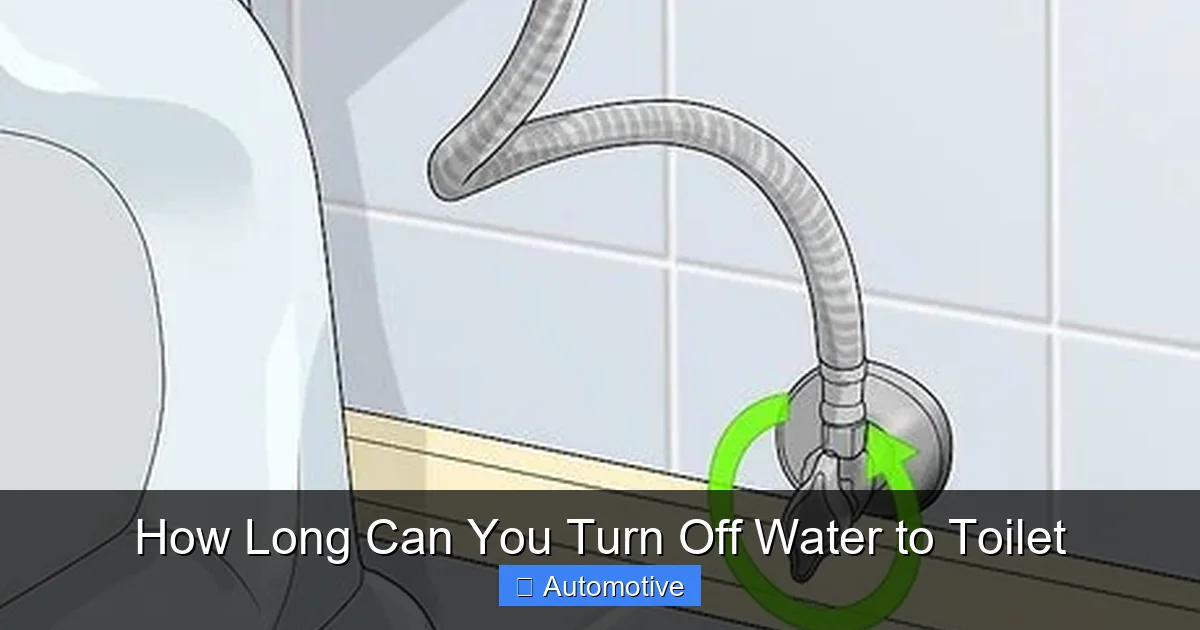
Locate the shutoff valve—usually a small, oval-shaped handle or lever—on the wall behind your toilet. Turn it clockwise until it’s fully closed. If it’s stiff, don’t force it. A little penetrating oil can help loosen old valves. Never turn off the main water supply unless absolutely necessary, as this affects your entire home.
2. Flush the Toilet to Empty the Tank and Bowl
After shutting off the water, flush the toilet once. This will drain most of the water from the tank and bowl. Hold the handle down until the tank is empty. You don’t need to get every drop, but removing as much water as possible reduces the risk of stagnation.
3. Add a Small Amount of Bleach to the Bowl (Optional)
If you’re leaving the water off for more than a day, consider adding a cup of household bleach to the toilet bowl. This helps disinfect any remaining water and prevents bacterial growth. Just don’t mix bleach with other cleaners, and avoid getting it on porcelain surfaces for too long.
4. Lift the Flapper to Let the Tank Dry
Open the tank lid and lift the flapper (the rubber piece at the bottom) to allow any residual water to drain completely. This also helps air circulate inside the tank, reducing moisture buildup.
5. Cover the Toilet (For Long-Term Shutoffs)
If you’re going to be away for several days or more, consider covering the toilet bowl with plastic wrap or a toilet seat cover. This prevents dust, debris, and insects from entering the trap and potentially clogging it.
6. Turn Off Power to Electric Toilets (If Applicable)
Some high-end toilets have built-in bidets, heated seats, or automatic flush systems that require electricity. If yours does, turn off the power at the circuit breaker to avoid electrical hazards while the water is off.
Taking these steps not only protects your toilet but also makes it easier to turn the water back on later. Now, let’s talk about what happens when you’re ready to restore water flow.
How to Safely Turn the Water Back On
Visual guide about How Long Can You Turn Off Water to Toilet
Image source: mrrooternj.com
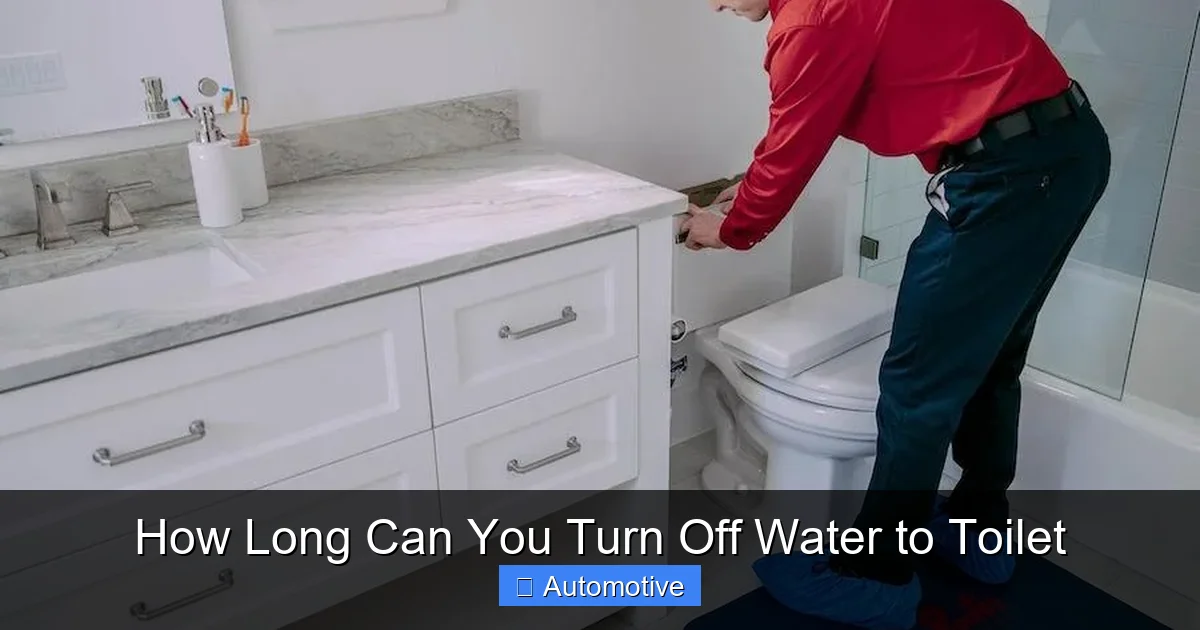
After your repair or absence, turning the water back on might seem as simple as twisting the valve counterclockwise—but there’s a right way to do it to avoid surprises.
1. Open the Shutoff Valve Slowly
Turn the valve counterclockwise, but do it gradually. Opening it too fast can cause a sudden surge of water, leading to a phenomenon called “water hammer.” This is a loud banging noise in your pipes caused by rapid pressure changes, and it can damage joints and valves over time.
2. Let the Tank Fill Partially Before Flushing
Once the valve is open, let the tank begin to refill. Wait until it’s about halfway full before flushing. This gives the fill valve time to adjust and prevents the flapper from slamming shut too hard, which can wear it out prematurely.
3. Check for Leaks
After flushing, inspect the base of the toilet, the supply line, and the shutoff valve for any signs of dripping or moisture. A small leak might not be obvious at first, but over time it can cause water damage or mold. If you see water pooling, tighten connections or replace worn parts.
4. Listen for Unusual Noises
As the tank refills, listen for hissing, gurgling, or knocking sounds. A hiss could indicate a faulty fill valve, while gurgling might mean air in the lines. Knocking could be water hammer. Address these issues promptly to avoid bigger problems.
5. Test the Flush Mechanism
Flush the toilet two or three times to ensure everything is working smoothly. The tank should fill to the correct level (usually marked by a line inside), and the flapper should seal properly after each flush. If water continues to run, you may need to adjust the float or replace the fill valve.
6. Reapply Water to the Bowl (If Needed)
If you’ve been away for a while and the bowl is dry, pour a bucket of water into it to restore the water seal. This is especially important if you notice a sewer smell. The water in the trap blocks gases from the sewer line, so without it, your bathroom could start to stink.
By following these steps, you’ll ensure a smooth transition back to normal operation and catch any potential issues early.
Special Considerations for Long-Term Water Shutoffs
If you’re planning to be away from home for a week or more—or if you’re winterizing a vacation property—turning off the water to your toilet requires extra care. Here’s what to keep in mind.
1. Winterization Is Key in Cold Climates
In regions where temperatures drop below freezing, simply turning off the water isn’t enough. You need to **winterize** your plumbing to prevent pipes from bursting. This involves draining all water from the system, including the toilet tank and bowl. Use a wet-dry vacuum or sponge to remove as much water as possible from the trap. Some homeowners also add non-toxic antifreeze to the bowl and drain to protect against residual moisture.
2. Use a Toilet Sealant or Wax Ring Protector
If you’re leaving the toilet unused for weeks, consider using a **wax ring protector** or applying a thin layer of petroleum jelly to the wax ring. This helps keep it from drying out and cracking. Alternatively, you can install a **rubber gasket** or **foam seal** designed for long-term dry storage.
3. Ventilate the Area
Stagnant air in an unused bathroom can lead to mold and mildew, especially if there’s any residual moisture. Open a window or use a dehumidifier to keep the space dry. This also helps prevent odors from building up.
4. Consider a Temporary Water Source
If you’re doing renovations and need to use the toilet occasionally, you can manually refill the bowl with a bucket of water. Pour about 1–2 gallons into the bowl to restore the water seal and allow for flushing. This is a great workaround if you don’t want to turn the main water back on.
5. Inspect Before Returning
When you come back, don’t just assume everything is fine. Check for signs of pests (like insects or rodents that may have entered through dry traps), mold, or structural damage. Test the toilet thoroughly and monitor it for a few days to ensure there are no hidden leaks.
Long-term shutoffs require more planning, but with the right precautions, you can avoid costly repairs and keep your home safe.
Common Mistakes to Avoid
Even experienced DIYers can make mistakes when turning off water to a toilet. Here are some common pitfalls and how to avoid them.
1. Forgetting to Flush After Shutting Off Water
Leaving water sitting in the tank and bowl creates a breeding ground for bacteria. Always flush once after turning off the water to drain as much as possible.
2. Turning Off the Main Water Supply Unnecessarily
Unless you’re doing major plumbing work, there’s no need to shut off water to the entire house. Use the toilet’s dedicated shutoff valve to isolate just that fixture.
3. Ignoring the Wax Ring
The wax ring is out of sight, but it’s critical. Don’t assume it will stay sealed just because the toilet looks fine. Check for odors or moisture around the base after turning the water back on.
4. Using Harsh Chemicals to Dry the Bowl
Some people pour drain cleaner or bleach into the bowl to “dry it out,” but this can damage porcelain and harm the environment. Stick to plain water or a small amount of bleach if needed.
5. Not Testing the System After Reopening
A quick flush isn’t enough. Watch the tank fill, listen for leaks, and check the bowl for proper sealing. A small issue now can become a big problem later.
6. Assuming All Toilets Are the Same
Older toilets may have different valve types or weaker seals. If your toilet is more than 20 years old, consider upgrading to a modern, water-efficient model with better durability.
Avoiding these mistakes will save you time, money, and frustration.
When to Call a Professional
While most toilet water shutoffs are DIY-friendly, there are times when it’s best to call a licensed plumber.
1. The Shutoff Valve Is Stuck or Broken
If the valve won’t turn or starts leaking when you try to operate it, don’t force it. A plumber can replace it safely without damaging the wall or supply line.
2. You Suspect a Hidden Leak
If water reappears in the bowl after you’ve turned off the supply and flushed, there may be a leak in the drain line or a cracked tank. A professional can diagnose and fix the issue.
3. You’re Winterizing a Vacation Home
Proper winterization requires specialized tools and knowledge. A plumber can ensure all water is drained and antifreeze is applied correctly.
4. You’re Replacing the Entire Toilet
While replacing a toilet is doable for handy homeowners, improper installation can lead to leaks, wobbling, or sewer gas leaks. A plumber ensures a secure, level fit and proper sealing.
5. You Notice Sewer Odors After Restoring Water
This could mean the wax ring is compromised or the vent stack is blocked. A plumber can inspect the entire system and make repairs.
Don’t hesitate to call for help if you’re unsure. A small fee now can prevent a major flood later.
Conclusion
Turning off the water to your toilet is a simple but important skill for any homeowner. Whether you’re doing a quick repair or preparing for a long trip, knowing how long you can safely leave the water off—and what steps to take—can save you from unpleasant surprises.
In most cases, **24 to 48 hours is a safe window** for short-term shutoffs, especially if you flush the toilet, drain the tank, and keep the area dry. For longer periods, take extra precautions like using bleach, covering the bowl, or winterizing the system.
Always turn the water back on slowly, check for leaks, and restore the water seal in the bowl. And remember: when in doubt, consult a professional.
With the right knowledge and a little preparation, you can handle toilet water shutoffs with confidence—keeping your bathroom functional, your home safe, and your peace of mind intact.
Frequently Asked Questions
Can I leave the water off to my toilet for a week?
Yes, but you should take precautions like adding bleach to the bowl, covering it, and ensuring the wax ring doesn’t dry out. For long absences, consider winterizing if you live in a cold climate.
Will turning off the water damage my toilet?
Not if done correctly. The main risks are dried-out wax rings and bacterial growth, which can be prevented with proper preparation and timely restoration of water.
How do I know if the wax ring is damaged?
Signs include sewer odors in the bathroom, water pooling around the base of the toilet, or a loose or wobbly toilet. If you notice any of these, the wax ring may need replacement.
Can I use my toilet if the water is off?
Yes, but only if you manually add water to the bowl. Pour a bucket of water into the bowl to restore the seal and allow for flushing. This is a temporary solution.
Should I turn off the water before replacing a toilet?
Absolutely. Always shut off the water at the valve, flush to drain the tank and bowl, and disconnect the supply line before removing the old toilet.
What happens if I forget to turn the water back on?
The toilet won’t function, and the wax ring may dry out over time. If you’re away, sewer gases could enter your home. Always double-check before leaving the house.