How Long Can a Car Battery Last Without an Alternator
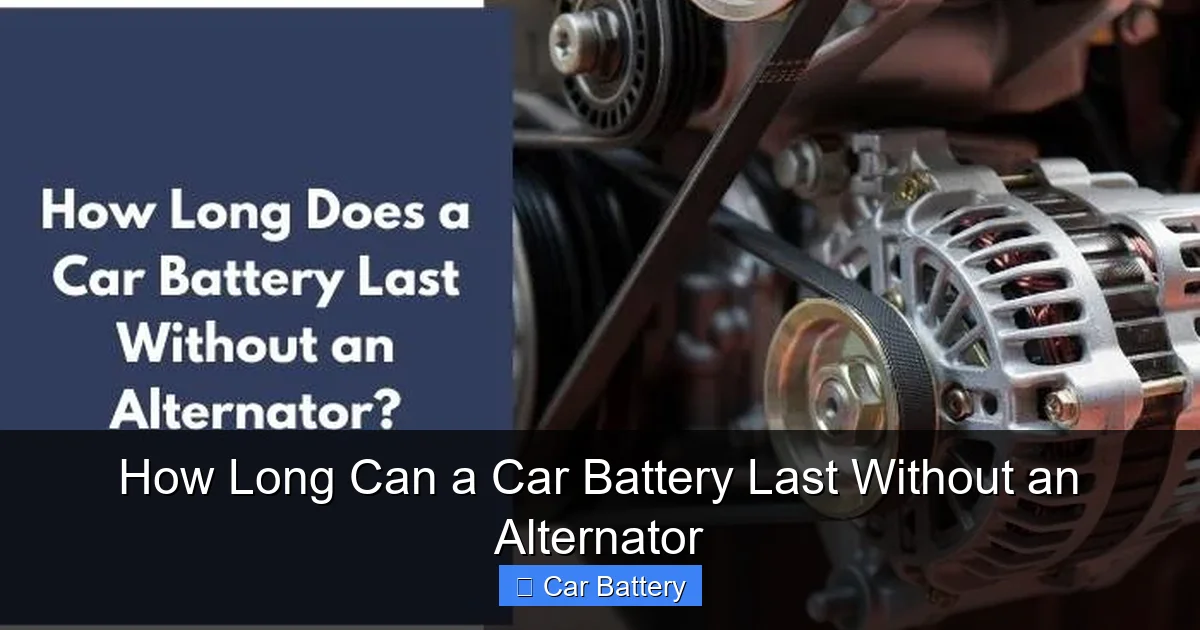
A car battery can power essential systems for 30 minutes to a few hours without an alternator, depending on battery health, electrical load, and vehicle type. Once the alternator fails, the battery becomes the sole power source—so knowing how to conserve energy and respond quickly is crucial.
In This Article
- 1 Key Takeaways
- 2 📑 Table of Contents
- 3 Understanding the Role of the Alternator and Battery
- 4 How Long Can a Car Battery Last Without an Alternator?
- 5 Signs That Your Alternator Is Failing
- 6 How to Extend Battery Life When the Alternator Fails
- 7 Can You Jump-Start a Car with a Failed Alternator?
- 8 Preventing Alternator and Battery Issues
- 9 What to Do If Your Car Dies from Alternator Failure
- 10 Conclusion
- 11 Frequently Asked Questions
Key Takeaways
- Battery life without an alternator varies widely: A healthy, fully charged battery may last 1–3 hours with minimal electrical use, but only 30–60 minutes under normal driving conditions.
- Electrical load is the biggest factor: Turning off headlights, AC, radio, and infotainment systems can significantly extend battery life.
- Battery age and health matter: A weak or old battery (over 3–5 years) may die in under 30 minutes, even with low power usage.
- Engine cranking drains power fast: Each time you start the car, it uses a large burst of energy—limiting restarts conserves battery.
- Alternator failure is a red flag: If your car dies shortly after starting, it’s likely not a dead battery but a faulty alternator.
- Safety first: If the alternator fails while driving, pull over safely and call for help—don’t risk being stranded.
- Prevention is key: Regular maintenance and checking charging system health can prevent sudden alternator failure.
📑 Table of Contents
- Understanding the Role of the Alternator and Battery
- How Long Can a Car Battery Last Without an Alternator?
- Signs That Your Alternator Is Failing
- How to Extend Battery Life When the Alternator Fails
- Can You Jump-Start a Car with a Failed Alternator?
- Preventing Alternator and Battery Issues
- What to Do If Your Car Dies from Alternator Failure
- Conclusion
Understanding the Role of the Alternator and Battery
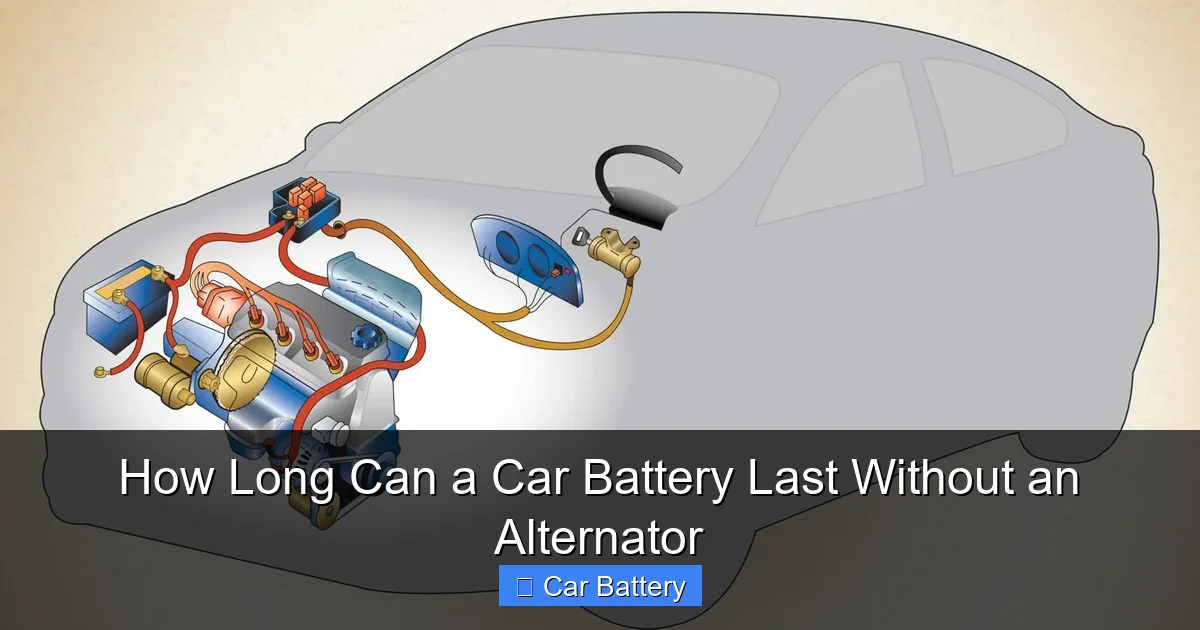
When you turn the key in your car, the battery springs into action, delivering a powerful burst of electricity to start the engine. But once the engine is running, the alternator takes over. Think of the battery as the sprinter—it gives a quick, strong push—while the alternator is the marathon runner, steadily supplying power to all the car’s electrical systems and recharging the battery as you drive.
The alternator is essentially a small generator powered by the engine via a belt. It converts mechanical energy into electrical energy, providing the voltage needed to run everything from your headlights and radio to the fuel injectors and onboard computers. At the same time, it replenishes the charge in your battery, ensuring it’s ready for the next startup.
Without a functioning alternator, your car is running on borrowed time. The battery will continue to supply power, but it wasn’t designed to do this alone for long. It’s like trying to run a marathon on a single energy bar—it might get you started, but you’ll burn out quickly. So, how long can a car battery last without an alternator? The answer depends on several key factors, which we’ll explore in detail.
How the Charging System Works Together
Your car’s electrical system is a team effort. The battery handles the initial startup, while the alternator powers everything once the engine is running. A voltage regulator ensures the alternator doesn’t overcharge the battery, and fuses protect the system from power surges. When all parts are working, it’s a smooth, efficient process.
But if the alternator fails, the battery is left to shoulder the entire load. This includes powering the ignition system, fuel pump, lights, dashboard, and any accessories you have running. Since the battery stores a finite amount of energy, it will eventually drain—especially if you’re using power-hungry features like air conditioning or heated seats.
Understanding this balance helps explain why a car might start fine but die shortly after. It’s not that the battery is dead—it’s that the alternator isn’t recharging it. This is a common sign of alternator failure, and it’s one of the most important clues that your car needs immediate attention.
How Long Can a Car Battery Last Without an Alternator?
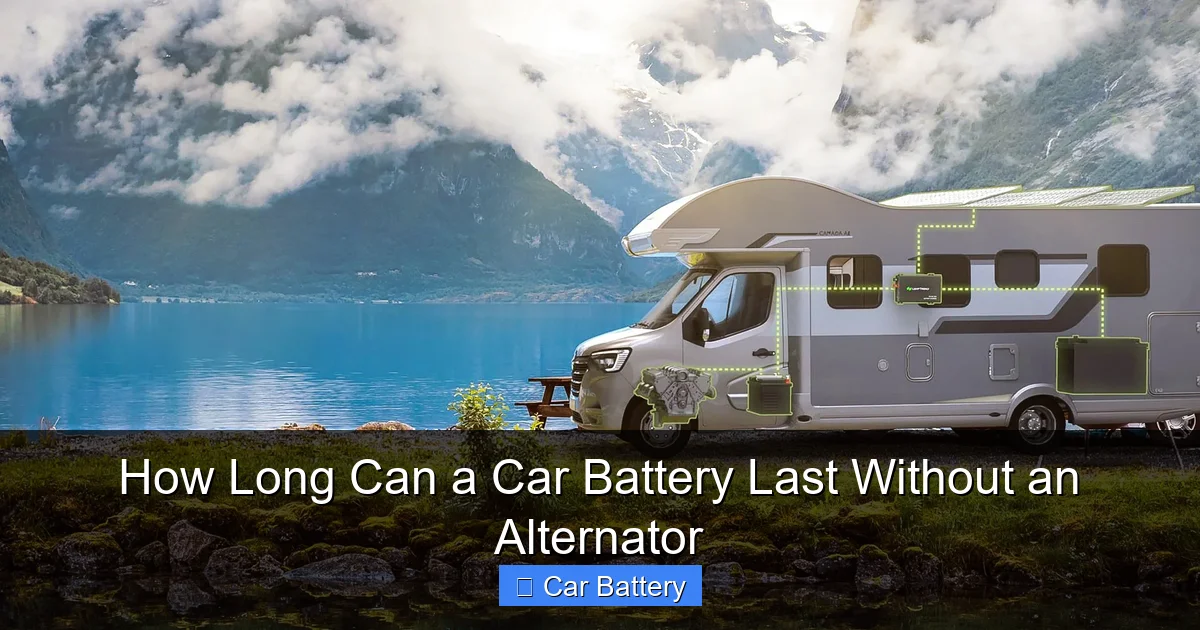
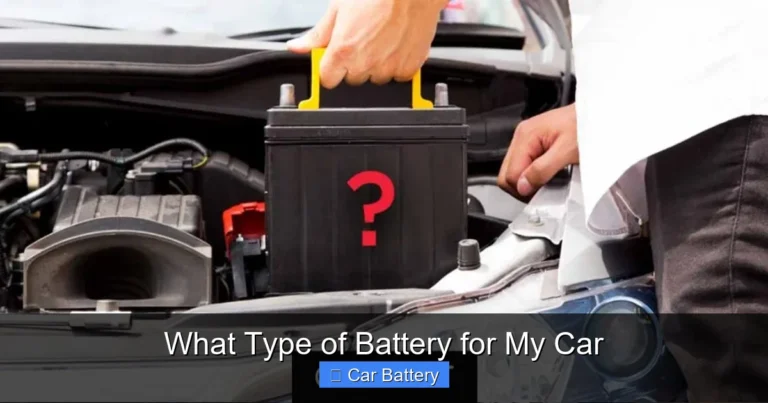
Visual guide about How Long Can a Car Battery Last Without an Alternator
Image source: leaptrend.com
So, what’s the real-world answer to “how long can a car battery last without an alternator?” The truth is, it’s not a fixed number. Most healthy, fully charged car batteries can keep a vehicle running for anywhere from 30 minutes to 2–3 hours—but only under ideal conditions. In real driving scenarios, especially with typical electrical loads, that time drops dramatically.
Let’s break it down. A standard 12-volt car battery holds about 48 amp-hours of charge. That means it can theoretically supply 1 amp of current for 48 hours, or 48 amps for one hour. But in practice, your car’s electrical systems draw far more than 1 amp. For example, headlights can use 10–15 amps each, the fuel pump might draw 5–8 amps, and the ignition system can pull 10–20 amps during operation.
Add in the radio, climate control, dashboard lights, and other accessories, and you’re easily looking at a total draw of 30–50 amps while driving. At that rate, even a fully charged battery might only last 1–2 hours. And that’s assuming you don’t restart the engine multiple times, which uses a huge surge of power each time.
Real-World Examples
Imagine you’re driving at night with your headlights, heater, and radio on. Your alternator fails suddenly. At that moment, your battery becomes the sole power source. If your battery is in good condition and fully charged, you might get about 45–60 minutes of driving time before the car starts to sputter and die.
Now, let’s say you’re parked with the engine off, but you leave the headlights on. Without the alternator running, the battery is draining rapidly. In this case, even a strong battery might only last 2–4 hours before it’s too weak to restart the car.
But if your battery is older—say, 4 or 5 years old—or it wasn’t fully charged to begin with, that time shrinks. A weak battery might give you only 20–30 minutes of power, especially if you’re using multiple electrical systems.
Factors That Influence Battery Life Without an Alternator
Several variables affect how long your battery will last once the alternator fails:
– **Battery age and health:** A new, well-maintained battery holds more charge and delivers power more efficiently. Older batteries lose capacity over time.
– **State of charge:** If your battery was already low before the alternator failed, you’ll have much less time.
– **Electrical load:** The more devices you have running, the faster the battery drains.
– **Temperature:** Cold weather reduces battery efficiency, while heat can accelerate internal degradation.
– **Driving conditions:** Stop-and-go traffic with frequent restarts uses more power than steady highway driving.
– **Vehicle type:** Modern cars with advanced electronics and larger batteries may last longer, but they also have higher power demands.
Understanding these factors can help you estimate how much time you have and make smarter decisions when the alternator fails.
Signs That Your Alternator Is Failing
Visual guide about How Long Can a Car Battery Last Without an Alternator
Image source: thepowerfacts.com
Knowing the symptoms of alternator failure can help you act before your battery dies completely. Many drivers mistake alternator problems for a dead battery, but the two issues are very different. A dead battery won’t start the car at all, while a failing alternator allows the car to start but causes it to die soon after.
Common Symptoms
One of the earliest signs is dimming or flickering headlights. If your lights seem weaker than usual, especially at idle or low RPMs, it could mean the alternator isn’t producing enough power. You might also notice interior lights dimming when you turn on the AC or radio.
Another red flag is electrical malfunctions. Your power windows might move slowly, the radio could cut in and out, or the dashboard warning lights might behave erratically. The battery warning light on your dashboard is a direct indicator—it lights up when the charging system isn’t working properly.
You might also hear unusual noises, like a whining or grinding sound from the engine bay. This could indicate a worn alternator belt or failing internal components. In some cases, you’ll smell burning rubber or electrical insulation, which suggests overheating.
What to Do If You Suspect Alternator Failure
If you notice any of these signs, it’s important to get your car checked as soon as possible. Continuing to drive with a failing alternator risks leaving you stranded when the battery finally dies. In the short term, you can try to conserve battery power by turning off non-essential electronics—but this is only a temporary fix.
If the alternator fails while you’re driving, your best move is to pull over safely and call for roadside assistance. Do not attempt to drive long distances or restart the car multiple times, as this will drain the battery faster. A tow to a repair shop is usually the safest and most practical option.
How to Extend Battery Life When the Alternator Fails
Visual guide about How Long Can a Car Battery Last Without an Alternator
Image source: lesschwab.com
If your alternator fails and you’re trying to get to a safe location or a repair shop, there are steps you can take to stretch your battery life. Every minute counts, and small changes in behavior can make a big difference.
Turn Off Non-Essential Electronics
The first and most effective step is to reduce electrical load. Turn off the radio, climate control, heated seats, and any interior lights. If it’s daytime, switch off the headlights. Even small drains like phone chargers or dashboard cameras add up over time.
Keep the engine running only when necessary. Avoid unnecessary idling, and try to drive steadily without frequent stops. Each time you stop and restart the engine, you use a large amount of battery power—sometimes enough to drain 10–20% of the battery’s capacity in one go.
Drive Efficiently
If you must drive, do so efficiently. Maintain a steady speed, avoid rapid acceleration, and use lower gears when possible to reduce strain on the electrical system. If you’re on a highway, try to keep the RPMs moderate—too high can increase alternator load (though it’s not helping now), and too low may not generate enough power if the alternator is partially working.
Limit Restarts
One of the biggest battery killers is restarting the engine. If you’re stuck in traffic or need to make a quick stop, consider whether it’s better to leave the engine running (if safe and legal) or shut it off and risk not being able to restart. In most cases, if the alternator has failed, shutting off the engine means you won’t be able to restart it.
Use Accessories Sparingly
Even small devices can drain the battery over time. Avoid using the power windows, sunroof, or entertainment system. If you need to use the defroster, use it in short bursts rather than leaving it on continuously.
By following these tips, you might gain an extra 15–30 minutes of driving time—enough to reach a service station or a safe place to call for help.
Can You Jump-Start a Car with a Failed Alternator?
A common question is whether you can jump-start a car when the alternator has failed. The short answer is yes—but with important caveats.
Jump-Starting Basics
Jump-starting provides a temporary boost to get the engine running. Once the engine is on, the alternator should take over and recharge the battery. But if the alternator is broken, it won’t recharge the battery, and the car will die again once the jump-start power is used up.
So, while you can jump-start the car, it’s not a long-term solution. You’ll still be running on battery power alone, and the same rules apply: conserve electricity, avoid restarts, and get to a repair shop quickly.
Risks of Jump-Starting with a Bad Alternator
There’s also a risk of damaging the electrical system. If the alternator is shorted or producing erratic voltage, it could send power surges through the car’s electronics when jump-started. This might fry sensitive components like the ECU, sensors, or infotainment system.
To minimize risk, use a quality jumper pack or cables, and follow proper jump-starting procedures. Once the engine is running, disconnect the jumper cables carefully and drive directly to a mechanic.
Alternative: Portable Battery Packs
Some drivers carry portable jump starters or battery packs. These can be useful in emergencies, but they only provide a one-time boost. They won’t solve the underlying alternator problem, and you’ll still need to get your car repaired.
Preventing Alternator and Battery Issues
The best way to avoid being stranded with a dead battery and no alternator is through regular maintenance. A little prevention goes a long way in keeping your car’s electrical system healthy.
Regular Inspections
Have your battery and charging system checked at least once a year, or during routine oil changes. Most auto shops offer free battery and alternator tests. These tests measure voltage, cranking power, and charging output to ensure everything is working properly.
Pay attention to the age of your battery. Most car batteries last 3–5 years, though some can last longer with good care. If your battery is over 4 years old, consider having it tested more frequently.
Belt and Connection Checks
The alternator is driven by a belt, usually the serpentine belt. If this belt is loose, worn, or broken, the alternator won’t spin properly and won’t generate power. Inspect the belt for cracks, fraying, or glazing, and replace it if needed.
Also, check the battery terminals and alternator connections. Corrosion or loose cables can prevent proper charging. Clean the terminals with a wire brush and baking soda solution, and tighten all connections.
Driving Habits Matter
Your driving habits can affect battery and alternator life. Short trips don’t give the alternator enough time to fully recharge the battery, which can lead to gradual depletion. If you mostly drive short distances, consider taking longer drives occasionally or using a battery maintainer.
Avoid leaving accessories on when the engine is off. Even small drains like interior lights or phone chargers can slowly kill the battery over time.
Listen to Your Car
Finally, pay attention to how your car behaves. If you notice dim lights, slow cranking, or electrical glitches, don’t ignore them. Early detection can prevent a full breakdown and save you money on repairs.
What to Do If Your Car Dies from Alternator Failure
If your car dies because the alternator failed and the battery drained, it’s important to respond safely and effectively.
Pull Over Safely
If the engine starts to sputter or lose power, signal and move to the shoulder or a safe area. Turn on your hazard lights to alert other drivers. Do not attempt to coast in traffic or across intersections.
Call for Help
Once you’re safe, call for roadside assistance or a tow truck. Explain that you suspect alternator failure—this helps the technician prepare the right tools and parts.
Do Not Attempt DIY Repairs on the Road
Unless you’re experienced with car repairs, do not try to fix the alternator on the side of the road. Alternator replacement can be complex and requires specialized tools. It’s safer and more efficient to have it done at a repair shop.
Prevent Future Issues
After the repair, ask the mechanic to inspect the entire charging system, including the battery and belts. Replacing the alternator is a good time to address any related wear and tear.
Conclusion
So, how long can a car battery last without an alternator? The answer isn’t one-size-fits-all, but in most cases, you’re looking at 30 minutes to a few hours—depending on battery health, electrical use, and driving conditions. The key takeaway is that the battery is not designed to power your car indefinitely. Once the alternator fails, you’re on borrowed time.
The best approach is prevention: regular maintenance, paying attention to warning signs, and responding quickly when problems arise. If you do find yourself with a failed alternator, conserve power, avoid unnecessary restarts, and get to a repair shop as soon as possible.
Your car’s electrical system is a delicate balance, and both the battery and alternator play vital roles. By understanding how they work together—and what happens when one fails—you can stay safer on the road and avoid the frustration of being stranded with a dead car.
Frequently Asked Questions
Can a car run indefinitely on battery power alone?
No, a car cannot run indefinitely on battery power. The battery is only designed to start the engine and provide short-term power. Without the alternator, it will drain within 30 minutes to a few hours, depending on usage and battery condition.
Will a new battery fix a car that keeps dying?
Not necessarily. If the alternator is failing, a new battery will only provide temporary relief. The car will still die once the new battery drains, so the alternator must be repaired or replaced.
How can I test if my alternator is working?
You can use a multimeter to check the voltage at the battery terminals. With the engine running, a healthy alternator should produce 13.8–14.4 volts. If it’s below 13 volts, the alternator may be failing.
Is it safe to drive with a bad alternator?
It’s not safe to drive long distances with a bad alternator. You risk being stranded when the battery dies. Drive only as far as necessary to reach a repair shop, and conserve power by turning off electronics.
Can a bad alternator damage the battery?
Yes, a failing alternator can overcharge or undercharge the battery, leading to reduced lifespan or complete failure. It can also cause electrical system damage if voltage spikes occur.
How much does it cost to replace an alternator?
Alternator replacement typically costs between $400 and $800, including parts and labor. Prices vary by vehicle make and model, and whether you choose a new, remanufactured, or used unit.