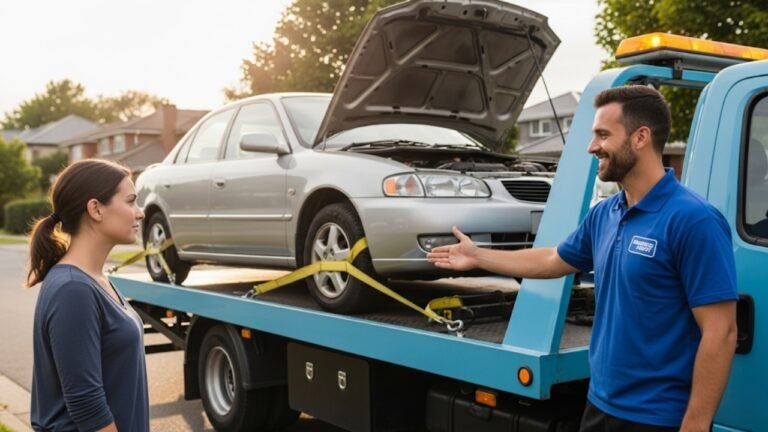
How Long Before a Tow Company Can Sell Your Car

If your car has been towed, you may be anxious about how long the tow company can hold it before selling it. The answer depends on state laws, the reason for towing, and whether you’ve paid storage fees. Understanding these rules can help you act quickly and protect your vehicle from being auctioned.
In This Article
- 1 Key Takeaways
- 2 📑 Table of Contents
- 3 How Long Before a Tow Company Can Sell Your Car? A Complete Guide
- 4 Why Was My Car Towed? Understanding the Reasons
- 5 State Laws: How Long Can a Tow Company Hold Your Car?
- 6 Storage Fees: The Hidden Cost of Delaying
- 7 What Happens If You Don’t Claim Your Car?
- 8 Your Rights as a Vehicle Owner
- 9 How to Avoid Losing Your Car to a Tow Company
- 10 What to Do If Your Car Is Towed
- 11 Conclusion: Act Fast to Protect Your Vehicle
- 12 Frequently Asked Questions
- 12.1 How long do I have to get my car back before it’s sold?
- 12.2 Can a tow company sell my car without notifying me?
- 12.3 What happens if I can’t afford the towing and storage fees?
- 12.4 Can I get my car back after it’s been sold at auction?
- 12.5 Do I have to pay storage fees even if the tow was wrongful?
- 12.6 Can I retrieve personal items from my car if I can’t pay the fees?
Key Takeaways
- State laws vary widely: The time a tow company can hold your car before selling it ranges from 3 to 30+ days, depending on where you live.
- Storage fees add up fast: Daily charges can make retrieving your car expensive, so acting quickly saves money.
- Notice requirements are mandatory: Most states require tow companies to notify you before selling your vehicle.
- Abandoned vs. impounded vehicles differ: Cars towed for parking violations have different rules than those left abandoned for weeks.
- You have rights as the owner: You can dispute wrongful towing or excessive fees in many cases.
- Check local ordinances: Cities and counties may have stricter rules than state law.
- Act fast to avoid loss: The sooner you contact the tow company, the better your chances of getting your car back.
📑 Table of Contents
- How Long Before a Tow Company Can Sell Your Car? A Complete Guide
- Why Was My Car Towed? Understanding the Reasons
- State Laws: How Long Can a Tow Company Hold Your Car?
- Storage Fees: The Hidden Cost of Delaying
- What Happens If You Don’t Claim Your Car?
- Your Rights as a Vehicle Owner
- How to Avoid Losing Your Car to a Tow Company
- What to Do If Your Car Is Towed
- Conclusion: Act Fast to Protect Your Vehicle
How Long Before a Tow Company Can Sell Your Car? A Complete Guide
Imagine this: You park your car legally, run into the store for just five minutes, and when you come back, it’s gone. Panic sets in. A quick look around reveals a bright orange tow notice taped to a nearby sign. Your heart sinks. Now you’re not just worried about the cost of getting your car back—you’re wondering, how long before a tow company can sell my car?
This is a common fear among drivers, and for good reason. Tow companies have the legal right to sell vehicles under certain conditions, especially if the owner doesn’t respond or pay fees. But the process isn’t instant. There are rules, timelines, and protections in place—though they vary significantly depending on where you live. Understanding these rules can mean the difference between getting your car back and losing it forever.
In this guide, we’ll walk you through everything you need to know about how long a tow company can hold your vehicle before selling it. We’ll cover state laws, notice requirements, storage fees, and what you can do to protect your rights. Whether your car was towed from a private lot, a public street, or an apartment complex, this information will help you act quickly and confidently.
Why Was My Car Towed? Understanding the Reasons
Before diving into timelines, it’s important to understand why your car was towed in the first place. The reason for towing affects how long the company can hold your vehicle and whether they can sell it.

Visual guide about How Long Before a Tow Company Can Sell Your Car
Image source: jonesboatyard.co.uk
Common Reasons for Towing
- Parking violations: Parking in a no-parking zone, blocking a fire hydrant, or exceeding time limits in a metered spot.
- Private property towing: Parking on private property (like a shopping center or apartment complex) without permission.
- Abandoned vehicles: Cars left unattended for days or weeks, often with expired registration or flat tires.
- Mechanical issues: Vehicles broken down and left on the side of the road or in a restricted area.
- Law enforcement tows: Cars towed after an accident, DUI arrest, or criminal investigation.
Each of these scenarios comes with different legal implications. For example, a car towed from private property may have a shorter holding period than one impounded by police. Similarly, abandoned vehicles are often treated differently because they’re considered a public nuisance.
Private vs. Public Towing: What’s the Difference?
One key distinction is whether the towing was done by a private company (hired by a property owner) or a public agency (like police or city services). Private tows often happen quickly and with less oversight, while public tows follow stricter procedures.
For instance, if you park in a grocery store lot without permission, the store may call a tow company immediately. In contrast, if your car is towed by city officials for blocking traffic, there’s usually a formal impound process with more documentation.
This difference matters because private tow companies may have more flexibility in how they handle your vehicle—but they’re still bound by state and local laws.
State Laws: How Long Can a Tow Company Hold Your Car?
The most important factor in determining how long before a tow company can sell your car is state law. Every state has its own regulations governing towing, storage, and vehicle sales. These laws set minimum holding periods, notice requirements, and procedures for selling unclaimed vehicles.

Visual guide about How Long Before a Tow Company Can Sell Your Car
Image source: shipvehicles.com
Typical Holding Periods by State
While there’s no one-size-fits-all answer, most states require tow companies to hold vehicles for at least 3 to 30 days before they can sell them. Here’s a breakdown of common timelines:
- 3–7 days: Some states, like Texas and Florida, allow tow companies to sell vehicles after just a few days if the owner can’t be reached.
- 10–14 days: States like California and New York typically require a 10- to 14-day holding period.
- 30 days or more: States like Illinois and Pennsylvania often mandate longer holding periods, especially for vehicles impounded by police.
For example, in California, a tow company must hold a vehicle for at least 10 days after sending a written notice to the registered owner. If the owner doesn’t respond or pay fees, the company can then apply to sell the vehicle at auction.
Notice Requirements: You Must Be Notified
One of the most critical protections for vehicle owners is the notice requirement. In most states, tow companies must send a written notice to the registered owner before they can sell the car. This notice typically includes:
- The date and location of the tow
- The reason for towing
- The name and contact information of the tow company
- The amount of towing and storage fees
- The deadline to claim the vehicle
- Information about the upcoming sale or auction
If the tow company fails to send this notice, they may not be allowed to sell your car—even if you don’t pay the fees. This is a powerful tool for protecting your rights.
What If You Can’t Be Reached?
Sometimes, tow companies can’t find the owner’s address or the notice gets lost in the mail. In these cases, some states require additional steps, such as publishing a notice in a local newspaper or posting it online.
For example, in New York, if the owner can’t be located, the tow company must publish a notice in a newspaper of general circulation for three consecutive weeks before selling the vehicle.
This extra step gives owners one last chance to claim their car, even if they didn’t receive the original notice.
Storage Fees: The Hidden Cost of Delaying
While you’re figuring out how long before a tow company can sell your car, another problem is quietly growing: storage fees. These daily charges can add up quickly, turning a simple tow into a financial nightmare.

Visual guide about How Long Before a Tow Company Can Sell Your Car
Image source: i.pinimg.com
How Much Do Storage Fees Cost?
Storage fees vary by location and company, but they typically range from $25 to $75 per day. In high-cost areas like Los Angeles or New York City, fees can exceed $100 per day.
Let’s say your car is towed on a Monday and you don’t retrieve it until the following Monday. That’s seven days of storage. At $50 per day, you’re already looking at $350—on top of the towing fee, which might be another $150.
If you wait two weeks, the total cost could easily surpass $1,000. And if the fees exceed the value of the car, the tow company may decide it’s not worth holding onto it anymore—leading to a quicker sale.
Can You Dispute Storage Fees?
Yes—especially if the fees seem unreasonable or the tow was unjustified. Many states have laws limiting how much tow companies can charge for storage. For example:
- In California, storage fees are capped at $25 per day for the first 30 days.
- In Texas, fees must be “reasonable” and posted in advance.
- In Illinois, tow companies must provide a written estimate before charging.
If you believe the fees are excessive, you can:
- Request an itemized bill
- File a complaint with your state’s consumer protection agency
- Take the tow company to small claims court
Even if you can’t get the fees reduced, knowing your rights can help you negotiate or avoid future issues.
What Happens If You Don’t Claim Your Car?
If you don’t retrieve your car within the legal holding period, the tow company can begin the process of selling it. But this doesn’t happen overnight. There are still steps they must follow.
The Auction Process
Most unclaimed vehicles are sold at public auction. The tow company will typically:
- Apply for a lien sale permit from the state
- Advertise the auction (online or in print)
- Hold the auction on a scheduled date
- Use the proceeds to cover towing and storage fees
- Send any leftover money to the owner (if known)
If the sale doesn’t cover the fees, the tow company may still pursue you for the balance—depending on state law. In some cases, they can place a lien on your other assets or take you to court.
Can You Get Your Car Back After the Auction?
Once the car is sold, it’s usually gone for good. The new owner has full rights to the vehicle, and you can’t reclaim it—even if you offer to pay the fees.
However, in rare cases, if the sale was conducted improperly (e.g., no notice was sent), you may be able to challenge the auction in court. But this is difficult and expensive, so it’s always better to act before the sale happens.
What If the Car Is Sold for Less Than It’s Worth?
Unfortunately, auction prices are often low—especially for older or damaged vehicles. A car worth $5,000 might sell for $1,500, leaving you with nothing and still owing fees.
This is why it’s so important to retrieve your car as soon as possible. Even if you’re short on cash, consider borrowing money, selling personal items, or negotiating a payment plan with the tow company.
Your Rights as a Vehicle Owner
Just because your car was towed doesn’t mean you have no rights. In fact, you have several protections under state and federal law.
Right to Retrieve Personal Belongings
Even if you can’t pay the towing fees, you have the right to retrieve personal items from your car—such as your phone, wallet, or important documents. Tow companies cannot charge you extra for this, and they must allow access during business hours.
However, they may require you to sign a waiver or show ID to verify ownership.
Right to Dispute Wrongful Towing
If your car was towed illegally—for example, you had a valid parking permit or the signage was unclear—you can dispute the tow. Many cities have appeal processes for wrongful towing.
Steps to take:
- Gather evidence (photos of signage, parking permit, time-stamped receipts)
- Contact the property owner or management
- File a complaint with the city or state towing authority
- Request a hearing or mediation
If your claim is successful, the tow company may be required to return your car and refund the fees.
Right to a Fair Hearing
In some states, you can request a hearing to challenge the towing or the fees. This is especially common in cases involving police impounds or large storage charges.
During the hearing, you can present evidence and testimony. If the judge rules in your favor, the tow company may be ordered to release your car or reduce the fees.
How to Avoid Losing Your Car to a Tow Company
The best way to protect your car is to prevent towing in the first place. Here are some practical tips:
Know the Parking Rules
Always check for signs before parking. Look for restrictions on time limits, permit requirements, and tow-away zones. If you’re unsure, ask a property manager or security guard.
Use Parking Apps
Apps like ParkWhiz, SpotHero, or Google Maps can help you find legal parking spots and avoid violations. Some even send reminders when your meter is about to expire.
Keep Your Registration Current
Expired registration tags are a red flag for tow companies and law enforcement. Renew your registration on time to avoid suspicion of abandonment.
Don’t Leave Your Car for Long Periods
If you’re going out of town, make sure your car is parked legally and won’t be considered abandoned. Ask a neighbor to move it periodically if needed.
Document Everything
If your car is towed, take photos of the scene, the tow notice, and any relevant signage. Keep receipts for towing and storage fees. This documentation can help if you need to dispute charges or file a claim.
What to Do If Your Car Is Towed
If your car has already been towed, don’t panic. Follow these steps to increase your chances of getting it back:
- Find out where it was taken: Look for a tow notice or call local tow companies. Many cities have online impound locators.
- Contact the tow company immediately: Ask about fees, holding period, and pickup process.
- Gather your documents: You’ll need your driver’s license, registration, and proof of insurance.
- Pay the fees or negotiate: If you can’t pay in full, ask about payment plans or fee reductions.
- Retrieve your car as soon as possible: The longer you wait, the higher the costs and the greater the risk of sale.
Remember, every day counts. The sooner you act, the better your chances of keeping your car—and your money.
Conclusion: Act Fast to Protect Your Vehicle
So, how long before a tow company can sell your car? The answer depends on your state, the reason for towing, and whether you respond promptly. In most cases, you have anywhere from a few days to a month to retrieve your vehicle before it’s sold at auction.
But time is not on your side. Storage fees pile up, and the longer you wait, the more likely your car will be sold. By understanding your rights, knowing the laws in your area, and acting quickly, you can avoid losing your vehicle—and your peace of mind.
Whether your car was towed from a private lot or impounded by police, don’t assume it’s gone for good. With the right information and quick action, you can often get it back. And if you’re lucky, you might even get your fees refunded.
Stay informed, stay alert, and always know where you’re parking. Your car—and your wallet—will thank you.
Frequently Asked Questions
How long do I have to get my car back before it’s sold?
The time varies by state, but most require tow companies to hold vehicles for 3 to 30 days before selling. Check your local laws for exact timelines.
Can a tow company sell my car without notifying me?
No. In most states, tow companies must send a written notice to the registered owner before selling the vehicle. Failure to notify can invalidate the sale.
What happens if I can’t afford the towing and storage fees?
You can try negotiating a payment plan or disputing the charges if they seem excessive. Some states also have fee caps to protect consumers.
Can I get my car back after it’s been sold at auction?
Generally, no. Once the car is sold, the new owner has full rights. However, if the sale was illegal (e.g., no notice was sent), you may have legal recourse.
Do I have to pay storage fees even if the tow was wrongful?
If the tow was illegal, you may not have to pay any fees. You can dispute the charges and request a refund through the proper channels.
Can I retrieve personal items from my car if I can’t pay the fees?
Yes. You have the right to retrieve personal belongings from your vehicle, even if you can’t pay the towing or storage fees.