How Hot Does a Radiator Get

Contents
- 1 Key Takeaways
- 2 📑 Table of Contents
- 3 How Hot Does a Radiator Get? A Complete Guide for Car Owners
- 4 What Is a Radiator and Why Does It Get Hot?
- 5 Normal vs. Dangerous Radiator Temperatures
- 6 Factors That Influence Radiator Temperature
- 7 Signs Your Radiator Is Overheating
- 8 How to Monitor and Maintain Radiator Health
- 9 Common Myths About Radiator Temperature
- 10 Conclusion: Stay Cool, Stay Safe
- 11 Frequently Asked Questions

Phone Mount for Bike

Car Seat Organizer

Car Mud Flaps (Universal)

Octane Booster
Radiators typically operate between 180°F and 210°F (82°C–99°C) in most vehicles. While they can briefly spike higher under stress, sustained temps above 220°F (104°C) signal potential overheating. Understanding these ranges helps you maintain engine health and avoid costly repairs.
Key Takeaways
- Normal radiator temperature: Most car radiators run between 180°F and 210°F (82°C–99°C) during regular driving conditions.
- Overheating threshold: Sustained temperatures above 220°F (104°C) indicate a problem and can cause engine damage if ignored.
- Coolant plays a key role: A proper 50/50 mix of antifreeze and water raises the boiling point and improves heat transfer.
- External factors matter: Hot weather, towing, stop-and-go traffic, and AC use can push radiator temps higher temporarily.
- Watch for warning signs: Steam, sweet smells, dashboard warnings, or erratic temperature gauge readings mean immediate action is needed.
- Maintenance prevents issues: Regular coolant flushes, radiator inspections, and thermostat checks keep your system running safely.
- Never open a hot radiator: Opening the cap when the engine is hot can cause dangerous coolant spray due to pressure buildup.
📑 Table of Contents
- How Hot Does a Radiator Get? A Complete Guide for Car Owners
- What Is a Radiator and Why Does It Get Hot?
- Normal vs. Dangerous Radiator Temperatures
- Factors That Influence Radiator Temperature
- Signs Your Radiator Is Overheating
- How to Monitor and Maintain Radiator Health
- Common Myths About Radiator Temperature
- Conclusion: Stay Cool, Stay Safe
How Hot Does a Radiator Get? A Complete Guide for Car Owners
If you’ve ever popped the hood of your car on a warm day and felt a wave of heat radiating from the engine bay, you’ve experienced firsthand just how hot a radiator can get. But what’s normal? When should you be concerned? And why does it even matter?
Understanding radiator temperature isn’t just for mechanics or gearheads—it’s essential knowledge for every driver. Your car’s radiator is the heart of its cooling system, working tirelessly to keep the engine from overheating. Without it, your engine would seize within minutes under load. But like any hardworking component, it has limits. Knowing how hot a radiator gets—and what those temperatures mean—can help you catch problems early, avoid breakdowns, and extend the life of your vehicle.
In this guide, we’ll break down everything you need to know about radiator temperatures: what’s typical, what’s dangerous, how to monitor it, and how to keep your cooling system in top shape. Whether you’re driving a compact sedan, a heavy-duty truck, or a classic muscle car, these principles apply. So let’s dive in and demystify one of the most important—and often misunderstood—parts of your car.
What Is a Radiator and Why Does It Get Hot?

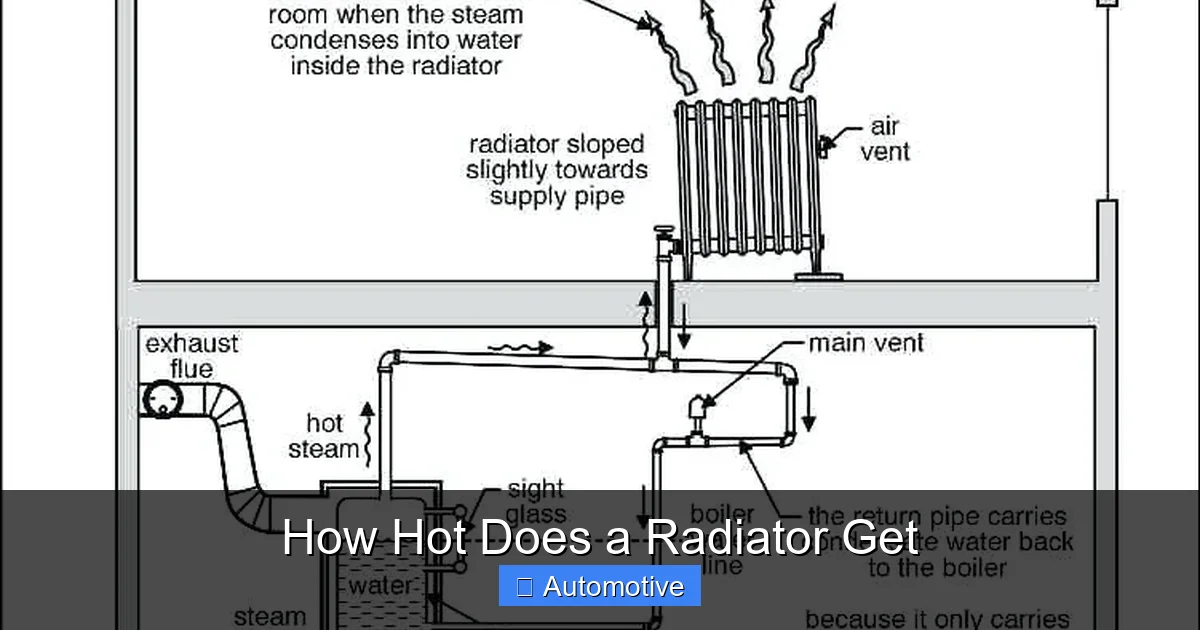
Visual guide about How Hot Does a Radiator Get
Image source: kseal.com
At its core, a radiator is a heat exchanger. Its job is simple: pull excess heat away from the engine and release it into the air. But how does it do that?
When your engine runs, it burns fuel to create power. This process generates intense heat—so much so that without cooling, metal parts would warp, gaskets would fail, and the engine would lock up. That’s where the cooling system steps in. Coolant (a mix of water and antifreeze) circulates through passages in the engine block and cylinder head, absorbing heat as it goes. Once heated, the coolant flows into the radiator, where thin metal fins and tubes allow airflow—either from driving or a fan—to cool it down before it returns to the engine.
The radiator itself gets hot because it’s literally transferring thermal energy from the engine to the atmosphere. Think of it like a cup of coffee cooling on a table: the mug gets warm as heat moves from the liquid to the air. In your car, the radiator is that mug—and it can get surprisingly hot to the touch.
Most modern radiators are made of aluminum or plastic-composite materials designed to handle high temperatures efficiently. But they’re not indestructible. Over time, corrosion, debris buildup, or coolant degradation can reduce their effectiveness, causing temperatures to rise beyond safe levels.
How the Cooling System Works
To understand radiator heat, you need to grasp the full cooling cycle:
1. **Coolant Circulation**: The water pump pushes coolant through the engine.
2. **Heat Absorption**: As coolant passes through hot engine components, it warms up.
3. **Radiator Transfer**: Hot coolant enters the radiator at the top and flows downward through small tubes.
4. **Air Cooling**: Airflow (from driving or electric fans) cools the tubes and fins.
5. **Return Cycle**: Cooled coolant re-enters the engine to repeat the process.
This cycle is regulated by the thermostat, which opens only when the engine reaches operating temperature (usually around 195°F). Once open, it allows coolant to flow freely. If the thermostat fails closed, coolant can’t reach the radiator—causing rapid overheating. If it fails open, the engine may never reach optimal temperature, reducing fuel efficiency and increasing emissions.
Why Radiator Temperature Matters
Engine manufacturers design motors to operate within a specific temperature range—typically 195°F to 220°F (90°C–104°C). This “sweet spot” ensures efficient combustion, minimal wear, and proper emissions control. If the engine runs too cool, fuel doesn’t burn completely, leading to sludge and poor mileage. If it runs too hot, components expand beyond tolerance, causing warping, cracking, or even catastrophic failure.
The radiator is the final checkpoint in this thermal balance. If it can’t shed enough heat, the entire system fails. That’s why monitoring radiator temperature—or at least understanding what influences it—is critical for vehicle health.
Normal vs. Dangerous Radiator Temperatures

Visual guide about How Hot Does a Radiator Get
Image source: i.ytimg.com
So, how hot is too hot? Let’s clarify the numbers.
In normal driving conditions—highway cruising, moderate weather, light load—your radiator and coolant should stabilize between **180°F and 210°F (82°C–99°C)**. This range keeps the engine efficient while preventing boiling or vapor lock.
However, under stress—like towing a trailer up a mountain pass, idling in traffic on a 100°F day, or running the AC at full blast—temperatures can spike temporarily to **220°F–230°F (104°C–110°C)**. Modern cooling systems are built to handle these short bursts. The radiator fan may kick on, coolant flow increases, and the system manages the extra heat.
But if your temperature gauge consistently reads above **220°F (104°C)**—or if it hits the red zone—you’re entering dangerous territory. Sustained operation at these levels can cause:
– Head gasket failure
– Cylinder head warping
– Coolant boiling and pressurization
– Hose or radiator leaks
– Engine seizure
Interpreting Your Dashboard Gauge
Most cars have a coolant temperature gauge or warning light. Here’s how to read it:
– **Mid-range (180°F–210°F)**: Normal operating temperature. You’re good to go.
– **Upper third (210°F–220°F)**: Elevated, but not yet critical. Watch for changes.
– **Red zone or “H” mark (220°F+)**: Overheating. Pull over safely and shut off the engine.
Note: Some vehicles use a digital readout or color-coded indicators (green = cool, red = hot). Always consult your owner’s manual for specifics.
Real-World Examples of Temperature Spikes
Let’s look at common scenarios where radiator temps rise:
– **Towing**: Pulling a 5,000-lb trailer uphill can push coolant temps to 225°F. That’s why heavy-duty trucks often have auxiliary coolers and larger radiators.
– **Summer Traffic**: Sitting in gridlock with the AC on? Expect temps to hover near 215°F. Electric fans help, but airflow is limited.
– **Off-Roading**: Mud, rocks, and steep inclines increase engine load. Radiator temps can spike if airflow is blocked by debris.
– **Older Vehicles**: Cars with worn water pumps or clogged radiators may run 10–15°F hotter than newer models under the same conditions.
The key takeaway: brief spikes are normal. Persistent high temps are not.
Factors That Influence Radiator Temperature
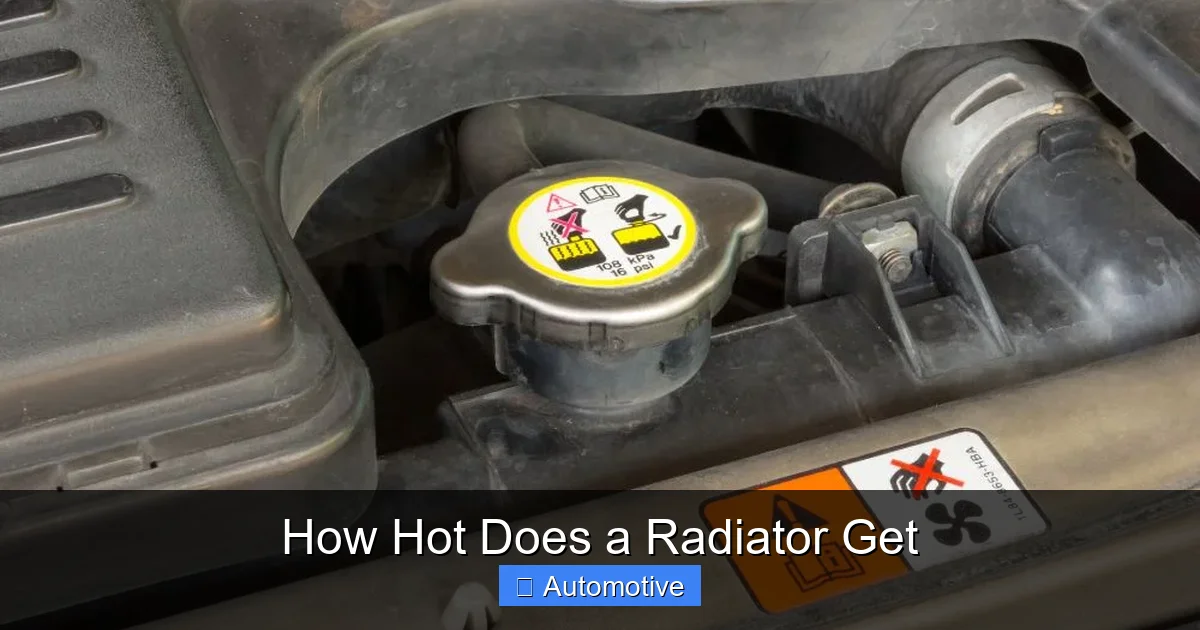
Visual guide about How Hot Does a Radiator Get
Image source: natrad.com.au
Radiator heat isn’t random—it’s the result of several interacting factors. Understanding these can help you anticipate and prevent overheating.
1. Ambient Temperature
On a 95°F summer day, your radiator has to work harder than on a 60°F spring morning. Hot air holds less heat, so the temperature difference between coolant and outside air shrinks—reducing cooling efficiency. This is why overheating is more common in summer.
2. Driving Conditions
Highway driving provides consistent airflow, keeping temps stable. But stop-and-go city traffic? Not so much. With little natural airflow, the radiator relies heavily on electric fans. If those fans fail or cycle improperly, temps climb fast.
3. Vehicle Load
Towing, hauling, or driving with a full passenger load increases engine workload. More fuel burned = more heat generated. Heavy-duty vehicles often have upgraded cooling systems for this reason.
4. Coolant Condition and Mixture
Using pure water or old, degraded coolant reduces heat transfer and lowers the boiling point. A proper 50/50 mix of antifreeze and distilled water raises the boiling point to around 223°F (106°C) at atmospheric pressure—and even higher under system pressure (thanks to the radiator cap).
5. Radiator Condition
A clogged radiator—whether from internal corrosion, external debris (bugs, leaves, dirt), or mineral buildup—can’t dissipate heat effectively. Even a 20% blockage can cause significant temperature increases.
6. Thermostat Function
A stuck thermostat is a common cause of overheating. If it won’t open, coolant stays trapped in the engine. If it opens too early or stays open, the engine runs cool—but this can also mask other issues.
7. Fan Operation
Electric cooling fans activate based on coolant temperature or AC demand. If a fan motor fails, relay burns out, or sensor malfunctions, the radiator won’t get the airflow it needs at low speeds.
Signs Your Radiator Is Overheating
You don’t need a thermometer to know something’s wrong. Watch for these red flags:
– **Steam or smoke from under the hood**: Often mistaken for exhaust, this is usually boiling coolant escaping through a leak or overflow tube.
– **Sweet, syrupy smell**: Antifreeze has a distinct odor. If you smell it inside or outside the car, you may have a leak.
– **Dashboard warning light**: Most cars have a temperature warning symbol (looks like a thermometer in water).
– **Gauge in the red**: Obvious, but worth mentioning—don’t ignore it.
– **Loss of power or rough running**: Overheating causes engine knock, misfires, or reduced performance.
– **Coolant puddle under the car**: Green, orange, or pink fluid near the front suggests a radiator or hose leak.
If you notice any of these, pull over safely, turn off the engine, and let it cool before investigating. Never open the radiator cap when hot—it’s under pressure and can cause severe burns.
What to Do If Your Radiator Overheats
1. **Pull over immediately** if safe to do so.
2. **Turn off the engine** to stop heat generation.
3. **Turn on the heater** to full blast. This draws heat away from the engine and into the cabin (yes, it’s uncomfortable, but it helps).
4. **Wait 30–60 minutes** for the system to cool.
5. **Check coolant level** only when cool. Add a 50/50 mix if low.
6. **Call for help** if you’re unsure or the problem persists.
Never drive with an overheating engine. Even a few miles can cause thousands of dollars in damage.
How to Monitor and Maintain Radiator Health
Prevention is always better than repair. Here’s how to keep your radiator running cool:
Regular Coolant Checks
Check your coolant level monthly. Look for the “Full” and “Low” marks on the overflow tank. Top off with the correct type of antifreeze (check your owner’s manual—some cars require specific formulations).
Coolant Flush Every 30,000–50,000 Miles
Over time, coolant loses its corrosion inhibitors and becomes acidic, eating away at radiator tubes and seals. A flush removes old fluid and replaces it with fresh, protective coolant.
Inspect the Radiator Visually
Look for:
– Bent or damaged fins (use a fin comb to straighten minor bends)
– Leaks around seams or connections
– Rust or discoloration (signs of internal corrosion)
– Debris blocking airflow (clean with compressed air or a soft brush)
Test the Thermostat
If your engine takes too long to warm up or overheats quickly, the thermostat may be faulty. A mechanic can test it or replace it during routine maintenance.
Check Fan Operation
Turn on the AC—the radiator fan should kick on within a minute. If it doesn’t, check fuses, relays, and the fan motor.
Use a Infrared Thermometer (Optional)
For DIY enthusiasts, an infrared thermometer lets you measure surface temps at different points on the radiator. A healthy system should show a gradual temperature drop from inlet to outlet. Large differences may indicate blockages.
Common Myths About Radiator Temperature
Let’s clear up some misconceptions:
Myth: “The radiator should feel cool to the touch.”
False. Even under normal operation, radiator surfaces can exceed 180°F—hot enough to cause burns. Never touch it without protection.
Myth: “Adding water is fine in a pinch.”
Temporary yes, but long-term no. Tap water contains minerals that cause scale and corrosion. Always use distilled water with antifreeze.
Myth: “Overheating only happens in old cars.”
Newer cars have sophisticated cooling systems, but they’re not immune. Software glitches, sensor failures, or manufacturing defects can still cause overheating.
Myth: “If the gauge is normal, the radiator is fine.”
Not necessarily. A faulty gauge or sensor can give false readings. Combine gauge monitoring with visual and sensory checks.
Conclusion: Stay Cool, Stay Safe
So, how hot does a radiator get? In normal operation, expect 180°F to 210°F. Brief spikes to 220°F–230°F are manageable under stress. But sustained temps above 220°F? That’s a warning sign you can’t ignore.
Your radiator is a silent guardian, working behind the scenes to keep your engine alive. By understanding its limits, monitoring its behavior, and maintaining it properly, you’ll avoid breakdowns, extend engine life, and drive with confidence—no matter the weather or workload.
Remember: a little prevention goes a long way. Check your coolant, watch your gauge, and don’t ignore the signs. Your car—and your wallet—will thank you.
Frequently Asked Questions
How hot is too hot for a car radiator?
Sustained temperatures above 220°F (104°C) are considered too hot and indicate potential overheating. Brief spikes to 230°F under heavy load are normal, but prolonged high temps can damage the engine.
Can I touch a hot radiator?
No. Radiator surfaces can exceed 180°F and cause severe burns. Always let the engine cool completely before inspecting or touching any part of the cooling system.
Why is my radiator hot but the engine isn’t overheating?
This is normal. The radiator transfers heat from the coolant, so it will feel hot even when the engine is at safe operating temperature. As long as the gauge reads normal, there’s no cause for concern.
What causes a radiator to overheat?
Common causes include low coolant, a faulty thermostat, clogged radiator, failed water pump, broken cooling fan, or external blockages like debris or bugs.
How often should I check my radiator coolant?
Check the coolant level monthly and top off if low. Perform a full coolant flush every 30,000 to 50,000 miles or as recommended in your owner’s manual.
Is it safe to drive with a radiator leak?
No. A leaking radiator reduces cooling capacity and can lead to overheating. Even small leaks can worsen quickly. Have it repaired immediately to avoid engine damage.