How Does Eco Pro Work on Bmw?

Contents
- 1 Key Takeaways
- 2 📑 Table of Contents
- 3 How Does Eco Pro Work on BMW?
- 4 What Is Eco Pro Mode and Why Does BMW Include It?
- 5 How Eco Pro Optimizes Your BMW’s Systems
- 6 Real-World Benefits: Fuel Savings and Environmental Impact
- 7 Tips to Maximize Eco Pro Efficiency
- 8 Common Misconceptions About Eco Pro
- 9 Eco Pro vs. Other BMW Efficiency Features
- 10 Final Thoughts: Is Eco Pro Worth Using?
- 11 Frequently Asked Questions
Car Neck Pillow

Tire Pressure Monitoring System (TPMS)

Diesel Fuel Additive
Car Phone Holder
Eco Pro mode on BMW optimizes fuel efficiency by intelligently adjusting engine performance, throttle response, and climate control to reduce energy consumption. It also provides real-time driving feedback through the iDrive system, encouraging smoother acceleration and earlier gear shifts to maximize savings. By prioritizing efficiency without sacrificing driving dynamics, Eco Pro helps BMW drivers lower emissions and extend range—especially in city and highway cruising conditions.
Key Takeaways
- Eco Pro adjusts engine performance to prioritize fuel efficiency and reduce consumption.
- It modifies climate control settings to minimize energy use without sacrificing comfort.
- Gear shift indicators guide driving for smoother, more efficient acceleration and deceleration.
- Coasting function disengages engine power when slowing down, saving fuel automatically.
- Driving behavior feedback helps improve habits for long-term efficiency gains.
- Eco Pro mode extends range by optimizing all vehicle systems for minimal energy waste.
📑 Table of Contents
- How Does Eco Pro Work on BMW?
- What Is Eco Pro Mode and Why Does BMW Include It?
- How Eco Pro Optimizes Your BMW’s Systems
- Real-World Benefits: Fuel Savings and Environmental Impact
- Tips to Maximize Eco Pro Efficiency
- Common Misconceptions About Eco Pro
- Eco Pro vs. Other BMW Efficiency Features
- Final Thoughts: Is Eco Pro Worth Using?
How Does Eco Pro Work on BMW?
So, you’ve just slid into the driver’s seat of your BMW, adjusted the leather-wrapped steering wheel, and fired up that smooth inline-six engine. The dashboard lights up like a spaceship, and you notice a little green icon glowing in the instrument cluster—Eco Pro mode. You’ve probably seen it before, maybe even tried it once or twice, but you’re not entirely sure what it does or how it actually helps you save fuel. Sound familiar?
Let’s be honest—BMW is known for performance, luxury, and that unmistakable driving thrill. But in today’s world, where fuel prices fluctuate like the stock market and environmental awareness is at an all-time high, even driving enthusiasts are looking for ways to be more efficient without sacrificing the joy of the drive. That’s where Eco Pro mode comes in. It’s not about turning your BMW into a Prius. It’s about helping you drive smarter, not harder. And the best part? You still get to enjoy that BMW magic—just with a little extra green in your wallet and a lighter footprint on the planet.
In this guide, we’ll break down exactly how Eco Pro works on BMW vehicles, what it changes under the hood and in the cabin, and how you can make the most of it—whether you’re commuting through city traffic or cruising down the highway. We’ll keep it real, practical, and easy to understand. No engineering degrees required. Just you, your Beemer, and a few smart tips to drive more efficiently.
What Is Eco Pro Mode and Why Does BMW Include It?
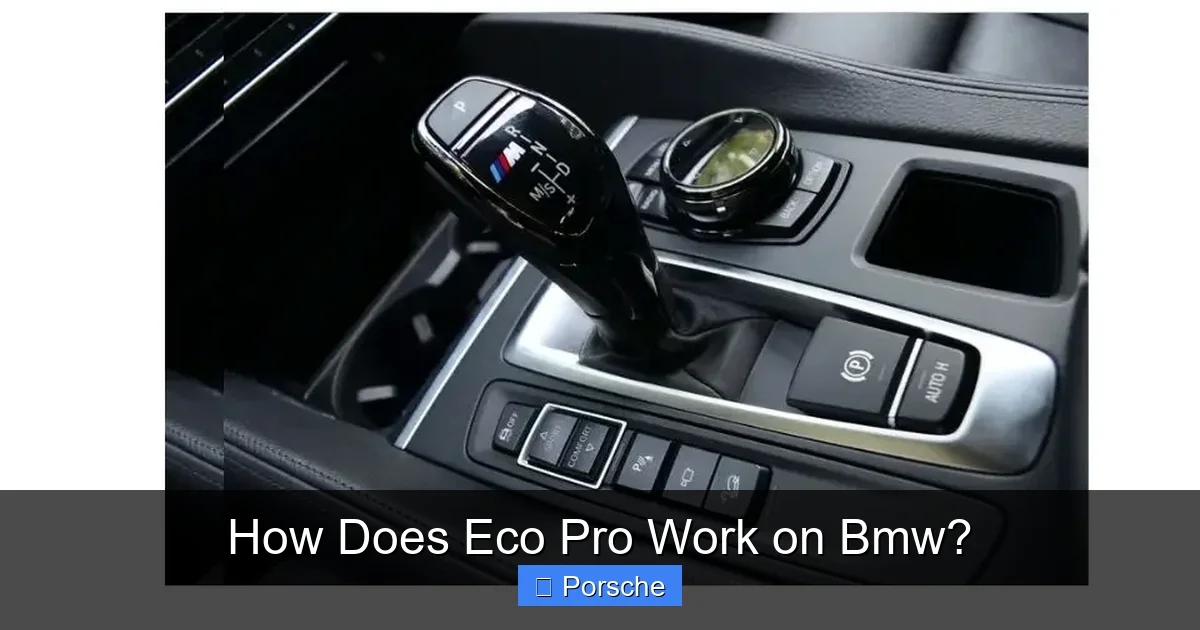
Eco Pro is BMW’s intelligent driving mode designed to help you maximize fuel efficiency and reduce emissions—without turning your sporty sedan into a sluggish economy car. It’s one of several driving modes available on most modern BMWs (alongside Comfort, Sport, and Sport+), but it’s the only one specifically tuned for efficiency. Think of it as your car’s “eco-coach”—quietly guiding you toward smarter driving habits while optimizing the vehicle’s systems behind the scenes.
Visual guide about How Does Eco Pro Work on Bmw?
Image source: yourbmwblog.com
BMW introduced Eco Pro around 2010 as part of its EfficientDynamics initiative, a broader strategy to improve fuel economy and reduce CO₂ emissions across its lineup. The goal wasn’t to compromise performance but to offer drivers a choice: go fast when you want to, or go farther on a tank when you need to. And let’s face it—most of us aren’t racing on the Autobahn every day. A lot of driving is stop-and-go traffic, school drop-offs, or long highway commutes. Eco Pro shines in those everyday scenarios.
How Does It Differ from Other Driving Modes?
Unlike Sport mode, which sharpens throttle response, firms up the suspension (on equipped models), and shifts gears later for more power, Eco Pro does the opposite—but in a smart, subtle way. It doesn’t just “turn things off.” Instead, it recalibrates multiple systems to reduce energy consumption. Here’s a quick comparison:
- Throttle Response: In Eco Pro, the accelerator pedal becomes less sensitive. Pressing it halfway doesn’t give you the same surge as in Comfort or Sport. This encourages smoother, more gradual acceleration.
- Transmission Behavior: The automatic or dual-clutch transmission shifts into higher gears earlier, keeping engine RPMs low and reducing fuel burn.
- Climate Control: The air conditioning and heating systems are dialed back slightly to reduce the load on the engine. BMW uses an intelligent system that still keeps you comfortable but avoids unnecessary energy use.
- Electrical Systems: Features like seat heaters, rear defrosters, and even the infotainment system may be optimized to use less power when possible.
The result? A car that feels a bit more relaxed—but not sluggish. You’ll still have plenty of power when you need it, especially if you press the accelerator firmly. Eco Pro doesn’t lock you into a slow lane; it just nudges you toward more efficient habits.
Real-World Example: City Driving
Imagine you’re driving your BMW 3 Series through downtown during rush hour. Without Eco Pro, you might find yourself accelerating quickly from stops, riding the brakes, and cranking the A/C to max. In Eco Pro, the car encourages smoother takeoffs, suggests optimal shift points via the gear indicator, and reduces cooling demand. Over a 30-minute commute, this could mean using 10–15% less fuel than in Comfort mode. That adds up—especially if you drive 15,000 miles a year.
How Eco Pro Optimizes Your BMW’s Systems
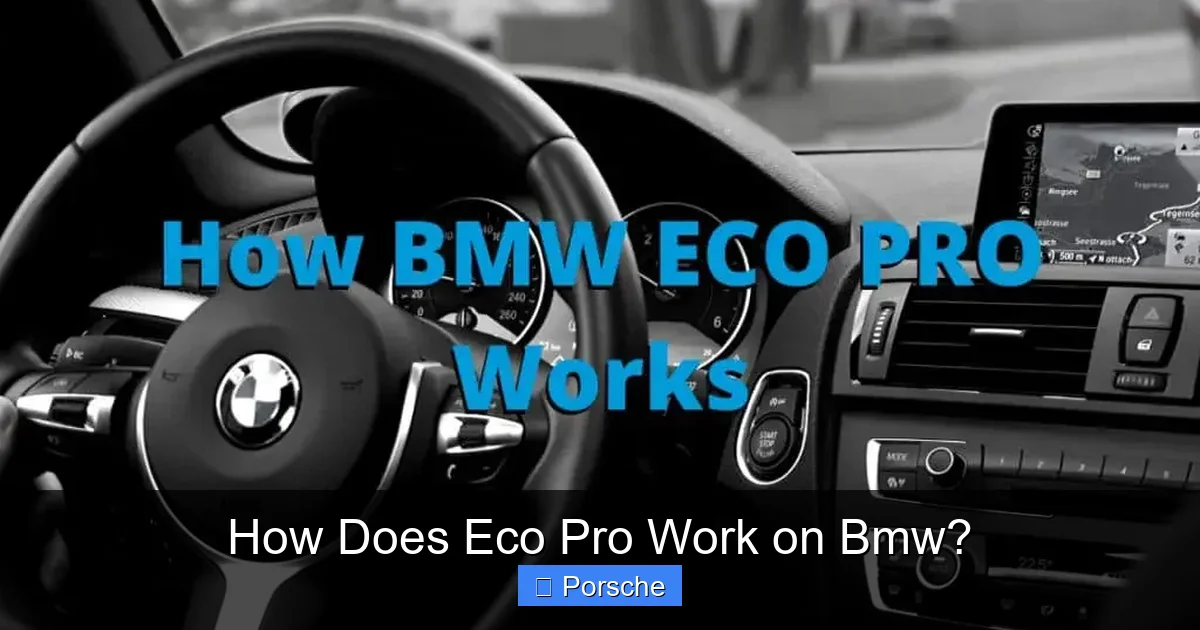
Now that you know what Eco Pro is and why BMW includes it, let’s dive into the nitty-gritty: how it actually works under the hood and inside the cabin. Eco Pro isn’t just a single feature—it’s a coordinated effort across multiple vehicle systems, all working together to reduce energy consumption. Think of it as a symphony of efficiency, with each component playing its part.
Visual guide about How Does Eco Pro Work on Bmw?
Image source: motobmw.com
Engine and Transmission Tuning
The heart of Eco Pro’s efficiency gains comes from how it manages the engine and transmission. When you activate Eco Pro, the engine control unit (ECU) adjusts the throttle mapping so that small inputs don’t result in large power outputs. This means you have to press the accelerator a bit farther to get the same response you’d get in Comfort mode. It’s not a limitation—it’s a nudge toward smoother driving.
At the same time, the transmission shifts into higher gears earlier. For example, in a BMW 5 Series with an 8-speed automatic, you might hit 5th gear by 40 mph in Eco Pro, whereas in Sport mode, it might stay in 3rd or 4th until 50 mph. Lower RPMs mean less fuel burned and less engine wear over time.
And if your BMW has an automatic start-stop system (which turns off the engine at red lights), Eco Pro enhances it by keeping the engine off longer when safe to do so. This is especially helpful in heavy traffic.
Climate Control and Electrical Load Management
Heating and cooling your cabin uses a surprising amount of energy—especially in extreme temperatures. In Eco Pro, BMW’s climate control system becomes more efficient. It reduces the compressor load on the A/C and may slightly raise the target cabin temperature in summer or lower it in winter. You’ll still stay comfortable, but the system won’t work as hard.
Additionally, Eco Pro can delay or reduce the use of high-draw electrical components. For instance, if you’re parked with the engine off, the system might limit how long seat heaters stay on or how often the rear defroster cycles. It’s all about balancing comfort with conservation.
Aerodynamics and Rolling Resistance
On some BMW models—especially the newer G-series vehicles like the X5 or 7 Series—Eco Pro can even influence aerodynamics. Active air flaps in the front grille may close to reduce drag at higher speeds. While this happens in other modes too, Eco Pro prioritizes it more aggressively.
And while you can’t change your tires via a button, BMW often equips Eco Pro-capable models with low-rolling-resistance tires. These tires are designed to reduce friction with the road, which means the engine doesn’t have to work as hard to maintain speed. It’s a small detail, but over thousands of miles, it makes a difference.
Driver Feedback and Coaching
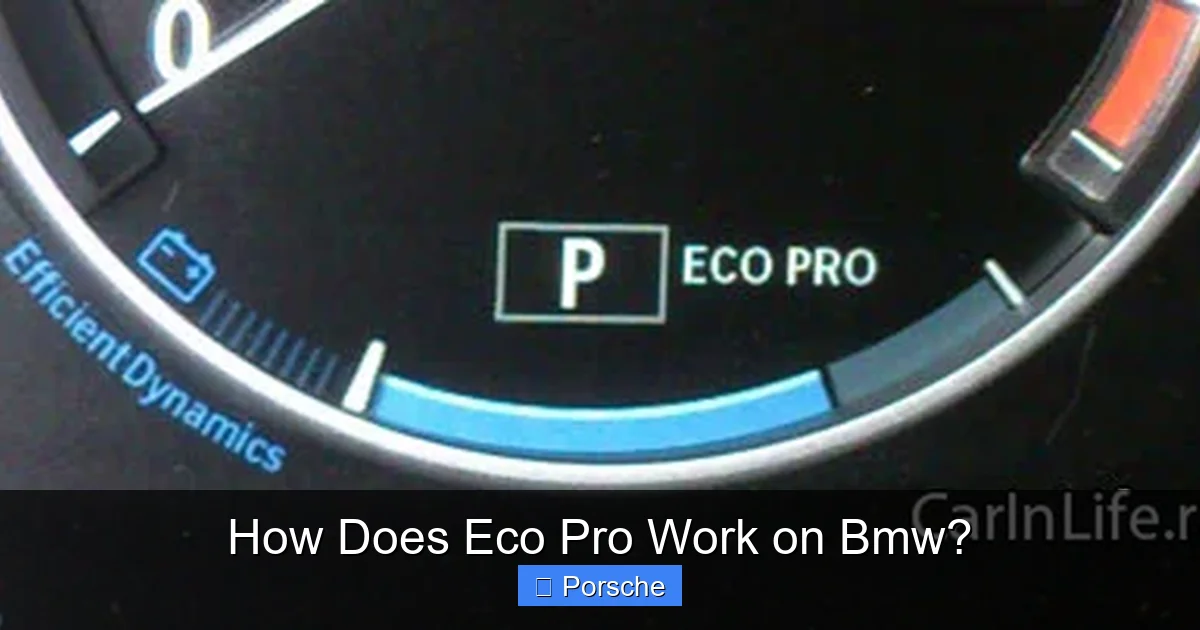
One of the smartest parts of Eco Pro is how it helps you become a better driver. The instrument cluster or central display shows real-time feedback, like a “driving efficiency” score or a gear shift indicator that tells you when to upshift for maximum efficiency. Some models even show a “bonus range” estimate—how many extra miles you’ve gained by driving efficiently.
For example, if you’re driving smoothly and maintaining steady speeds, you might see a message like “+3 miles range” appear. It’s a subtle gamification of fuel economy that actually works. People respond to positive reinforcement, and BMW knows it.
Real-World Benefits: Fuel Savings and Environmental Impact
Okay, so Eco Pro tweaks a bunch of systems—but does it actually save you money and help the planet? The short answer: yes. But let’s look at the numbers and real-world experiences to see just how much of a difference it can make.
Visual guide about How Does Eco Pro Work on Bmw?
Image source: carinlife.ru
Fuel Economy Improvements
BMW claims that Eco Pro can improve fuel efficiency by up to 20% compared to aggressive driving in Sport mode. In real-world testing by independent reviewers and BMW owners, the average improvement is closer to 10–15%—still significant. That means if your BMW 330i averages 28 mpg in mixed driving, you could see 31–32 mpg in Eco Pro with smooth driving habits.
Let’s do the math: If you drive 12,000 miles a year and gas costs $3.50 per gallon, a 12% improvement in fuel economy could save you over $150 annually. Over five years, that’s nearly $800—enough for a nice set of winter tires or a weekend getaway.
Reduced Emissions
Every gallon of gasoline burned produces about 8.89 kg of CO₂. So, saving 50 gallons a year (a realistic number with Eco Pro) means preventing over 440 kg of CO₂ from entering the atmosphere. That’s like planting 10 trees or skipping a round-trip flight from New York to Chicago. Not bad for just changing a driving mode.
Long-Term Vehicle Health
Eco Pro doesn’t just save fuel—it can also extend the life of your BMW. Smoother acceleration and earlier upshifting reduce engine and transmission stress. Less aggressive driving means less wear on brakes, tires, and suspension components. Over time, this can mean fewer repairs and longer intervals between maintenance.
For example, if you typically drive in Sport mode with frequent hard braking, your brake pads might need replacement every 30,000 miles. With Eco Pro and smoother driving, you could stretch that to 45,000 miles or more. That’s a savings of $300–$500 per set.
Practical Example: Highway vs. City Driving
Let’s say you take a 100-mile trip—50 miles on the highway and 50 miles in the city. In Comfort mode, you might average 26 mpg. In Eco Pro, with steady highway speeds and smooth city driving, you could hit 30 mpg. That’s 4 extra miles per gallon, or about 1.3 fewer gallons used. At $3.50 per gallon, that’s $4.55 saved on just one trip. Multiply that by weekly commutes, and the savings add up fast.
Tips to Maximize Eco Pro Efficiency
Eco Pro is a powerful tool, but it works best when you use it wisely. It’s not a magic button that makes your BMW hyper-efficient overnight. It’s a system that rewards smart driving habits. Here are some practical tips to get the most out of it.
Drive Smoothly and Anticipate Traffic
The biggest factor in fuel efficiency is how you drive. Eco Pro helps, but it can’t overcome aggressive habits. Focus on smooth acceleration and gentle braking. Look ahead and anticipate red lights, stop signs, and traffic slowdowns. Instead of speeding up only to brake hard, ease off the accelerator early and let the car coast.
For example, if you see a red light 200 yards ahead, take your foot off the gas and let the car slow naturally. You’ll use less fuel and reduce brake wear. Eco Pro’s gear shift indicator will help by suggesting the best time to upshift.
Use Cruise Control on the Highway
On long highway drives, set cruise control to a steady speed—ideally 65–70 mph. This prevents unnecessary speed fluctuations that waste fuel. Eco Pro works well with cruise control because it keeps engine load low and maintains efficient gear selection.
Just remember: cruise control is most efficient on flat roads. On hilly terrain, it may overwork the engine to maintain speed. In those cases, it’s better to let the car slow slightly uphill and regain speed downhill.
Reduce Weight and Drag
Extra weight and aerodynamic drag hurt fuel economy. Remove roof racks, bike carriers, or heavy items from the trunk when not in use. Even 100 pounds of extra weight can reduce fuel economy by 1–2%.
Also, keep windows closed at highway speeds. Open windows increase drag, especially above 50 mph. Use the climate control system instead—it’s more efficient at high speeds.
Maintain Your BMW
Eco Pro can’t compensate for poor maintenance. Keep your tires properly inflated—underinflated tires increase rolling resistance. Follow the recommended oil change schedule and use the correct grade of synthetic oil. A well-maintained engine runs more efficiently, and Eco Pro can amplify those gains.
For example, if your air filter is clogged, the engine has to work harder to breathe. That reduces the effectiveness of Eco Pro. Regular maintenance ensures all systems are working as intended.
Combine Eco Pro with Other Efficiency Features
Many BMWs come with additional efficiency aids. Use them together for maximum benefit:
- Auto Start-Stop: Let the engine turn off at red lights. It saves fuel and works seamlessly with Eco Pro.
- Coasting Function (on some models): When you lift off the accelerator, the engine disengages and the car coasts freely. This reduces fuel use to near zero.
- EfficientDynamics Display: Monitor your driving score and bonus range to stay motivated.
By combining these features, you create a holistic efficiency strategy that goes beyond just pressing a button.
Common Misconceptions About Eco Pro
Despite its benefits, Eco Pro is often misunderstood. Some drivers think it’s only for “tree-huggers” or that it makes the car feel underpowered. Let’s clear up a few myths.
“Eco Pro Makes My BMW Slow”
Not true. Eco Pro doesn’t reduce engine power—it just changes how the throttle responds. If you need quick acceleration, press the pedal firmly. The car will respond. It’s designed to encourage efficiency, not limit performance. You still have all the power when you need it.
“It Only Works in the City”
Eco Pro is effective in both city and highway driving. In the city, it helps with stop-and-go efficiency. On the highway, it promotes steady speeds and early upshifting. It’s versatile.
“I Have to Drive Like a Grandpa”
You don’t have to drive slowly or timidly. You just have to drive smoothly. You can still enjoy the handling and responsiveness of your BMW—just with a lighter touch on the accelerator.
“It’s Only for Hybrid or Electric BMWs”
Nope. Eco Pro is available on nearly all modern BMW gasoline and diesel models, from the 1 Series to the X7. It’s not limited to electrified vehicles.
Eco Pro vs. Other BMW Efficiency Features
BMW offers several technologies to improve efficiency. Here’s how Eco Pro compares to other features:
| Feature | Purpose | How It Works | Best Used With |
|---|---|---|---|
| Eco Pro Mode | Maximize fuel efficiency | Adjusts throttle, transmission, climate, and electrical systems | Daily driving, commuting |
| Auto Start-Stop | Reduce idle fuel consumption | Turns off engine at stops | City driving, traffic |
| Coasting Function | Save fuel when decelerating | Disengages engine when lifting off accelerator | Highway, downhill driving |
| Brake Energy Regeneration | Recover energy during braking | Uses alternator to charge battery when decelerating | All driving conditions |
Eco Pro is the most comprehensive of these, coordinating multiple systems for maximum efficiency. The others are complementary—use them together for the best results.
Final Thoughts: Is Eco Pro Worth Using?
So, should you use Eco Pro on your BMW? Absolutely—especially if you’re looking to save money, reduce emissions, and extend the life of your vehicle. It’s not about sacrificing the BMW driving experience. It’s about enhancing it with intelligence and efficiency.
Eco Pro works best when you embrace its philosophy: drive smoothly, anticipate traffic, and let the car’s systems work smarter. You’ll still enjoy that responsive steering, confident handling, and luxurious comfort—just with a little extra range on the tank and a lighter impact on the environment.
Next time you start your BMW, try switching to Eco Pro. Pay attention to the feedback, follow the shift indicators, and see how much extra range you can gain. You might be surprised. And who knows? You might even start to enjoy the challenge of driving efficiently. After all, the best drivers aren’t just fast—they’re smart.
Frequently Asked Questions
How does Eco Pro mode work on a BMW?
Eco Pro is a driving mode on BMW vehicles designed to improve fuel efficiency by optimizing engine performance, throttle response, and climate control. It adjusts various systems to reduce energy consumption and encourages smoother driving habits for better mileage.
What does the Eco Pro button do in a BMW?
Pressing the Eco Pro button activates the mode, which recalibrates the engine and transmission for maximum efficiency. It also provides real-time feedback on driving behavior through the iDrive system to help you save fuel.
Does Eco Pro mode actually save gas on BMW models?
Yes, Eco Pro can improve fuel economy by up to 20% depending on driving conditions and habits. By promoting efficient driving and reducing unnecessary power usage, it helps lower overall fuel consumption.
Can I use Eco Pro mode all the time in my BMW?
You can use Eco Pro mode regularly, especially for city or highway cruising, as it enhances efficiency without sacrificing comfort. However, for spirited driving or quick acceleration, switching to Comfort or Sport mode may be more suitable.
How does BMW Eco Pro affect air conditioning and electronics?
Eco Pro reduces the workload on the air conditioning and other electrical systems to conserve energy. This may result in slightly less aggressive cooling or delayed seat heating, but maintains comfort while prioritizing efficiency.
Is Eco Pro mode available on all BMW vehicles?
Most modern BMW models come equipped with Eco Pro mode, especially those with the iDrive system and efficient engine options. Check your vehicle’s settings or owner’s manual to confirm availability on your specific BMW.