How Do You Hook Up a Car Battery

Hooking up a car battery might seem simple, but doing it wrong can damage your vehicle or cause injury. This guide walks you through the correct steps, safety precautions, and common mistakes to avoid—whether you’re jump-starting or replacing a battery.
In This Article
- 1 Key Takeaways
- 2 📑 Table of Contents
- 3 Introduction: Why Knowing How to Hook Up a Car Battery Matters
- 4 Understanding Your Car Battery: The Basics
- 5 Safety First: Preparing to Hook Up a Car Battery
- 6 Step-by-Step Guide: How to Hook Up a Car Battery
- 7 How to Safely Remove an Old Car Battery
- 8 Jump-Starting a Car: Hooking Up Jumper Cables
- 9 Common Mistakes to Avoid When Hooking Up a Car Battery
- 10 Maintaining Your Car Battery for Long Life
- 11 Conclusion: Confidence in Every Connection
- 12 Frequently Asked Questions
- 12.1 Can I hook up a car battery while the engine is running?
- 12.2 What happens if I connect the battery cables backwards?
- 12.3 How tight should battery terminal nuts be?
- 12.4 Can I use any wrench to connect battery terminals?
- 12.5 Is it safe to jump-start a car in the rain?
- 12.6 How often should I replace my car battery?
Key Takeaways
- Safety first: Always wear protective gear like gloves and safety glasses when handling a car battery to prevent acid burns or sparks.
- Correct terminal order: Connect the positive (+) terminal first, then the negative (–) to avoid short circuits or electrical damage.
- Use the right tools: A wrench or socket set that fits your battery terminals ensures a secure connection without stripping bolts.
- Check battery condition: Inspect for cracks, leaks, or corrosion before connecting—damaged batteries can be dangerous.
- Follow vehicle-specific instructions: Some modern cars have sensitive electronics; consult your owner’s manual to avoid triggering error codes.
- Proper disposal matters: Old car batteries contain hazardous materials and must be recycled at approved centers.
- Test after installation: Start the engine and check dashboard lights to confirm the battery is working properly.
📑 Table of Contents
- Introduction: Why Knowing How to Hook Up a Car Battery Matters
- Understanding Your Car Battery: The Basics
- Safety First: Preparing to Hook Up a Car Battery
- Step-by-Step Guide: How to Hook Up a Car Battery
- How to Safely Remove an Old Car Battery
- Jump-Starting a Car: Hooking Up Jumper Cables
- Common Mistakes to Avoid When Hooking Up a Car Battery
- Maintaining Your Car Battery for Long Life
- Conclusion: Confidence in Every Connection
Introduction: Why Knowing How to Hook Up a Car Battery Matters
Imagine you’re running late for work, you turn the key in the ignition, and nothing happens. The dashboard lights flicker weakly, and the engine won’t turn over. Chances are, your car battery is dead—or maybe it was never connected properly in the first place. Whether you’re replacing an old battery, installing a new one, or jump-starting a vehicle, knowing how to hook up a car battery correctly is a vital skill for any driver.
While it might seem like a simple task—just clamp on the cables and go—there’s more to it than meets the eye. A wrong connection can lead to sparks, electrical shorts, damaged electronics, or even battery explosions. Modern vehicles are packed with sensitive computer systems that can be fried by a moment of carelessness. That’s why understanding the proper procedure, safety measures, and best practices is essential. This guide will walk you through everything you need to know, from identifying battery terminals to safely connecting cables and troubleshooting common issues.
Understanding Your Car Battery: The Basics
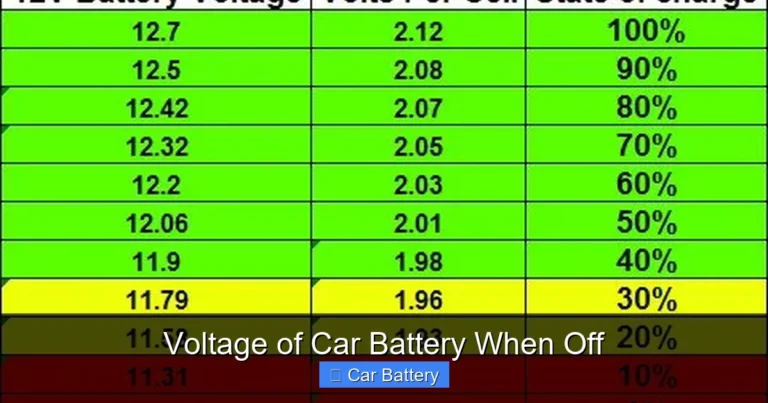
Before you even think about hooking up a car battery, it helps to understand what you’re working with. A car battery is a rechargeable power source that provides the electrical energy needed to start your engine and power accessories when the engine is off. Most vehicles use a 12-volt lead-acid battery, which consists of six cells producing about 2.1 volts each.
Types of Car Batteries
Not all car batteries are the same. The three most common types are:
- Flooded (or Wet) Lead-Acid: The most common and affordable type. Requires periodic maintenance, like checking water levels.
- Absorbent Glass Mat (AGM): More durable and vibration-resistant, ideal for vehicles with start-stop technology or high electrical demands.
- Gel Cell: Similar to AGM but uses a gel electrolyte. Less common and typically used in specialty vehicles.
Knowing your battery type helps you choose the right replacement and understand its maintenance needs.
Battery Terminals: Positive and Negative
Every car battery has two terminals: positive (+) and negative (–). The positive terminal is usually marked with a red cover or a “+” symbol and is connected to the vehicle’s electrical system. The negative terminal, often black or marked with a “–”, connects to the car’s chassis (ground).
It’s crucial to identify these correctly. Mixing them up can cause a short circuit, damage the battery, or even start a fire. Most batteries have the terminals labeled, but if they’re corroded or unclear, look for the thicker cable—it usually connects to the positive terminal.
Signs You Need a New Battery
How do you know if it’s time to replace your battery? Watch for these warning signs:
- Slow engine crank (takes longer to start)
- Dim headlights or interior lights
- Clicking sound when turning the key
- Battery warning light on the dashboard
- Swollen or bloated battery case
- Corrosion around terminals (white, green, or blue powdery substance)
If you notice any of these, it’s time to test or replace your battery.
Safety First: Preparing to Hook Up a Car Battery
Safety should always be your top priority when working with car batteries. These devices contain sulfuric acid and produce flammable hydrogen gas, so a few precautions can prevent serious injury.
Wear Protective Gear
Before touching anything, put on safety glasses and rubber or nitrile gloves. Acid can cause severe burns, and sparks can ignite hydrogen gas. Avoid wearing loose clothing or jewelry that could get caught or create a short circuit.
Work in a Well-Ventilated Area
Never work in a closed garage without ventilation. Hydrogen gas is invisible and odorless but highly explosive in confined spaces. Open the garage door or work outside if possible.
Turn Off the Engine and Remove the Key
Make sure the vehicle is completely off. Remove the keys from the ignition to prevent accidental starts. If you’re jump-starting, ensure both vehicles are off before connecting cables.
Inspect the Battery and Cables
Look for cracks, leaks, or bulges in the battery case. If you see any, do not attempt to connect it—replace it immediately. Check the cables for fraying, corrosion, or loose connections. Clean corroded terminals with a mixture of baking soda and water (1 tablespoon baking soda to 1 cup water) and a wire brush. Rinse with clean water and dry thoroughly.
Keep Metal Objects Away
Remove watches, rings, or tools that could accidentally bridge the terminals. A metal wrench touching both terminals can create a dangerous short circuit.
Step-by-Step Guide: How to Hook Up a Car Battery
Now that you’re prepared, let’s walk through the correct way to hook up a car battery. Whether you’re installing a new one or reconnecting an old one, follow these steps carefully.
Step 1: Position the Battery
If you’re replacing a battery, remove the old one first (see next section). Place the new battery in the tray, ensuring it’s oriented correctly—terminals should match the cable positions. Most batteries have a diagram on the side showing terminal placement.
Step 2: Connect the Positive Terminal First
This is the most important rule: always connect the positive terminal first. Use a wrench to loosen the nut on the positive terminal, then slide the red (positive) cable onto the post. Tighten the nut securely—don’t overtighten, as this can damage the terminal.
Why positive first? If you connect the negative first and your wrench touches the car’s metal frame while working on the positive, you’ll create a short circuit. Connecting positive first minimizes this risk.
Step 3: Connect the Negative Terminal
Next, attach the black (negative) cable to the negative terminal. Again, tighten the nut firmly but gently. The negative cable usually connects to the battery’s negative post and then to the engine block or chassis for grounding.
Step 4: Secure the Battery
Most batteries have a hold-down clamp or bracket to prevent movement. Reinstall it and tighten the bolts. A loose battery can vibrate, leak, or short out.
Step 5: Apply Terminal Protector (Optional but Recommended)
To prevent future corrosion, apply a thin layer of petroleum jelly or a commercial terminal protector spray to both terminals. This creates a barrier against moisture and acid fumes.
Step 6: Test the Connection
Turn on the ignition (but don’t start the engine yet). Check that dashboard lights come on. Then start the engine. If it starts smoothly and lights are bright, the connection is good. If the engine struggles or lights flicker, double-check your connections.
How to Safely Remove an Old Car Battery
Before installing a new battery, you’ll need to remove the old one. The process is similar but in reverse order.
Step 1: Disconnect the Negative Terminal First
Always remove the negative cable first to reduce the risk of short circuits. Loosen the nut and carefully lift the cable off the terminal. Secure it away from the battery with a cable tie or by tucking it aside.
Step 2: Disconnect the Positive Terminal
Next, remove the positive cable using the same method. Once both cables are off, inspect them for damage or corrosion.
Step 3: Remove the Hold-Down Clamp
Unbolt the clamp or bracket securing the battery. Some vehicles have a side bolt, others a top clamp. Use the appropriate tool to remove it.
Step 4: Lift Out the Battery
Car batteries are heavy—typically 30 to 50 pounds. Use proper lifting technique: bend your knees, keep your back straight, and lift with your legs. If the battery is stuck, wiggle it gently to break any corrosion seal.
Step 5: Clean the Tray and Cables
Before installing the new battery, clean the tray and cable ends. Remove any corrosion or debris. A clean connection ensures better conductivity and longevity.
Jump-Starting a Car: Hooking Up Jumper Cables
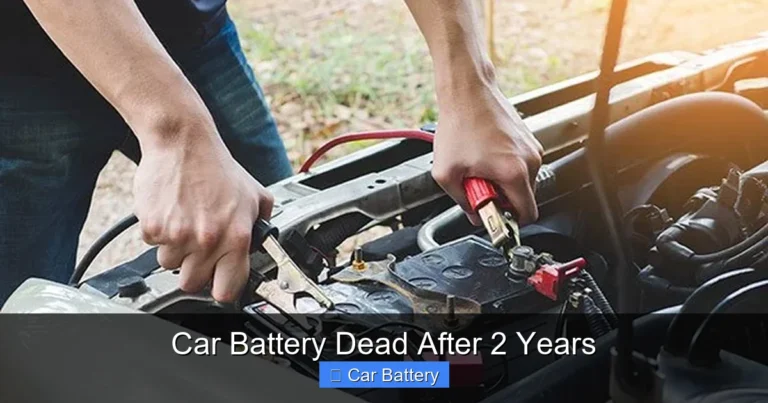
Sometimes, you don’t need to replace the battery—you just need a jump-start. This is common in cold weather or if lights were left on. Here’s how to do it safely.
Step 1: Position the Vehicles
Park the working vehicle close enough for jumper cables to reach, but don’t let the cars touch. Turn off both engines and engage the parking brakes.
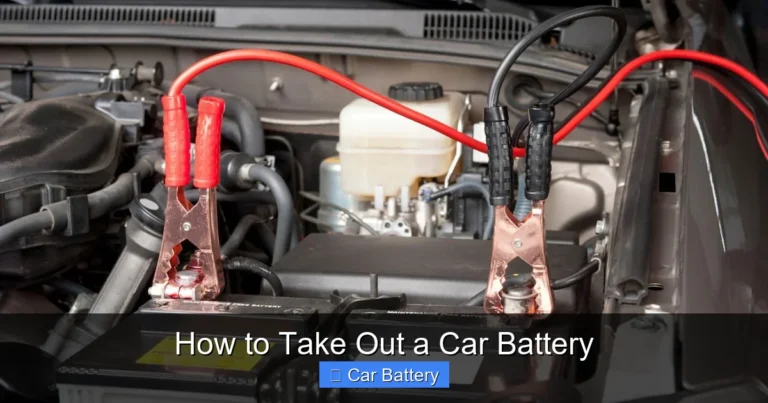
Step 2: Connect the Jumper Cables in the Correct Order
Follow this sequence exactly:
- Connect the red (positive) clamp to the dead battery’s positive terminal.
- Connect the other red clamp to the good battery’s positive terminal.
- Connect the black (negative) clamp to the good battery’s negative terminal.
- Connect the final black clamp to an unpainted metal surface on the dead car’s engine block (not the battery). This grounds the circuit and reduces sparking.
Never connect the negative clamp directly to the dead battery’s negative terminal—this can cause a spark near flammable gas.
Step 3: Start the Working Car
Let it run for 3–5 minutes to charge the dead battery. Then try starting the dead car. If it doesn’t start, wait a few more minutes and try again.
Step 4: Disconnect in Reverse Order
Once the dead car starts, disconnect the cables in reverse order:
- Remove the black clamp from the engine block.
- Remove the black clamp from the good battery.
- Remove the red clamp from the good battery.
- Remove the red clamp from the dead battery.
Drive the jumped car for at least 30 minutes to recharge the battery. If it dies again soon after, the battery may need replacement.
Common Mistakes to Avoid When Hooking Up a Car Battery
Even experienced drivers make mistakes. Here are some common pitfalls and how to avoid them.
Reversing the Terminals
Connecting positive to negative and vice versa can fry your car’s electronics, blow fuses, or damage the alternator. Always double-check the markings before connecting.
Using the Wrong Tools
A wrench that’s too big or too small can slip and cause sparks. Use the correct size socket or wrench for your battery terminals.
Over-tightening Connections
While secure connections are important, over-tightening can crack the terminal or strip the bolt. Tighten just enough to prevent movement.
Ignoring Corrosion
Corrosion increases resistance and can prevent proper charging. Clean terminals regularly, especially in humid or salty environments.
Leaving Cables Loose
Loose cables can vibrate loose over time, causing intermittent power loss. Always ensure a snug fit.
Not Testing After Installation
Always test the battery after hooking it up. A quick ignition check can catch problems early.
Maintaining Your Car Battery for Long Life
Proper maintenance can extend your battery’s life from 3 to 5 years or more. Here’s how to keep it in top shape.
Regular Inspections
Check your battery every few months for corrosion, leaks, or loose connections. Clean terminals as needed.
Keep It Charged
If you don’t drive often, consider a battery maintainer or trickle charger. A fully charged battery is less likely to freeze in winter.
Avoid Short Trips
Short drives don’t give the alternator enough time to recharge the battery. Take longer drives occasionally or use a charger.
Protect from Extreme Temperatures
Heat accelerates battery degradation; cold reduces its cranking power. Park in a garage when possible, especially in winter.
Replace When Needed
Most batteries last 3–5 years. If yours is older and showing signs of weakness, replace it before it leaves you stranded.
Conclusion: Confidence in Every Connection
Knowing how to hook up a car battery is more than just a handy skill—it’s a safety essential. Whether you’re replacing a worn-out battery, jump-starting a friend’s car, or simply reconnecting cables after maintenance, doing it right protects you, your vehicle, and others on the road.
By following the steps in this guide—wearing protective gear, connecting terminals in the correct order, and avoiding common mistakes—you can handle any battery situation with confidence. Remember, when in doubt, consult your owner’s manual or seek professional help. A little knowledge goes a long way in keeping your car running smoothly and safely.
Frequently Asked Questions
Can I hook up a car battery while the engine is running?
No, never connect or disconnect a car battery while the engine is running. This can cause voltage spikes that damage the alternator or other electronics. Always turn off the engine and remove the key first.
What happens if I connect the battery cables backwards?
Reversing the cables can cause a short circuit, blow fuses, damage the alternator, or even cause the battery to explode. Modern cars may also trigger error codes or disable systems. Always double-check terminal markings.
How tight should battery terminal nuts be?
Terminal nuts should be snug but not over-tightened. Use a wrench to tighten until you feel resistance, then give it a slight additional turn. Over-tightening can crack the terminal or strip the bolt.
Can I use any wrench to connect battery terminals?
Use a wrench or socket that fits the terminal nut perfectly. An ill-fitting tool can slip, cause sparks, or damage the terminal. Metric sizes are common—check your owner’s manual if unsure.
Is it safe to jump-start a car in the rain?
Yes, but take extra precautions. Keep cable connections away from puddles and avoid touching metal parts. Modern vehicles are generally safe, but water increases the risk of shock or short circuits.
How often should I replace my car battery?
Most car batteries last 3 to 5 years. Replace sooner if you notice slow cranking, dim lights, or corrosion. Have it tested annually after age 3, especially before winter.