How Do I Sell My Car in Arizona
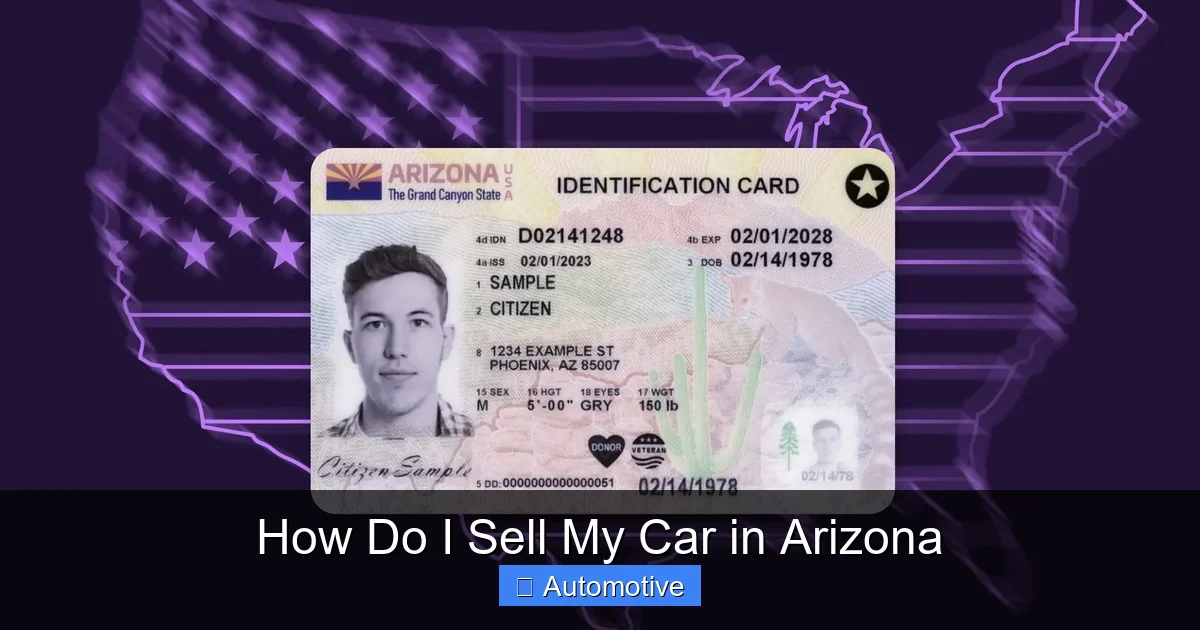
Selling your car in Arizona doesn’t have to be complicated. With the right preparation, paperwork, and pricing strategy, you can complete the sale quickly and legally. This guide walks you through every step—from cleaning your car to transferring ownership—so you can sell with confidence.
So, you’ve decided it’s time to sell your car in Arizona. Maybe you’re upgrading to a newer model, downsizing, or just ready for a change. Whatever the reason, selling a vehicle can feel overwhelming—especially if you’ve never done it before. But don’t worry. With the right guidance, the process can be smooth, legal, and even profitable.
Arizona has specific rules and requirements when it comes to selling a car, and understanding them upfront can save you time, money, and headaches down the road. From emissions testing to title transfers, there are steps you must follow to ensure the sale is legitimate and binding. Plus, knowing how to price your car competitively and present it well can make all the difference in attracting serious buyers.
In this guide, we’ll walk you through everything you need to know about how to sell your car in Arizona—step by step. Whether you’re selling privately or trading in at a dealership, we’ve got practical tips, legal insights, and real-world examples to help you succeed. Let’s get started.
In This Article
- 1 Key Takeaways
- 2 📑 Table of Contents
- 3 Step 1: Prepare Your Vehicle for Sale
- 4 Step 2: Determine the Right Price
- 5 Step 3: Gather Required Documents
- 6 Step 4: Complete a Smog Check (If Required)
- 7 Step 5: Choose How to Sell Your Car
- 8 Step 6: Finalize the Sale and Transfer Ownership
- 9 Safety Tips for Selling Your Car
- 10 Common Mistakes to Avoid
- 11 Conclusion
- 12 Frequently Asked Questions
- 12.1 Do I need a smog check to sell my car in Arizona?
- 12.2 Can I sell my car without a title in Arizona?
- 12.3 How long do I have to notify the MVD after selling my car?
- 12.4 What payment methods are safest when selling a car?
- 12.5 Can I sell my car if it has a loan on it?
- 12.6 Do I need to provide a warranty when selling privately?
Key Takeaways
- Prepare your vehicle: Clean it inside and out, fix minor issues, and gather maintenance records to boost its value and appeal.
- Determine a fair price: Use tools like Kelley Blue Book or Edmunds to research market value based on your car’s year, make, model, mileage, and condition.
- Gather required documents: You’ll need the title, vehicle identification number (VIN), odometer disclosure, and a completed bill of sale.
- Complete a smog check if required: Most vehicles in Maricopa and Pima counties must pass emissions testing before sale.
- Transfer ownership properly: Sign over the title, submit the necessary forms to the Arizona MVD, and notify them of the sale to avoid liability.
- Choose the right selling method: Decide between private sale, trade-in, or selling to a dealer based on speed, convenience, and profit.
- Stay safe during transactions: Meet in public places, accept secure payment methods, and avoid sharing personal information unnecessarily.
📑 Table of Contents
- Step 1: Prepare Your Vehicle for Sale
- Step 2: Determine the Right Price
- Step 3: Gather Required Documents
- Step 4: Complete a Smog Check (If Required)
- Step 5: Choose How to Sell Your Car
- Step 6: Finalize the Sale and Transfer Ownership
- Safety Tips for Selling Your Car
- Common Mistakes to Avoid
- Conclusion
Step 1: Prepare Your Vehicle for Sale
Before you even think about listing your car, take the time to prepare it properly. A well-maintained, clean vehicle not only sells faster but also commands a higher price. Think of it this way: would you buy a car that looks neglected? Probably not. The same goes for potential buyers.
Clean It Inside and Out
Start with a thorough cleaning. Wash the exterior, wax it if possible, and clean the windows inside and out. Don’t forget the wheels and tires—grime and brake dust can make even a nice car look tired. For the interior, vacuum the carpets and seats, wipe down all surfaces, and remove any personal items. Consider using an odor eliminator if there are lingering smells from pets, smoking, or food.
A small investment in detailing can pay off big. For example, a $100 professional detail might increase your car’s value by $500 or more. It’s a smart move that shows buyers you’ve cared for the vehicle.
Address Minor Repairs
You don’t need to rebuild the engine, but fixing small issues can make a big difference. Replace burnt-out light bulbs, fix cracked windshield wipers, and patch up minor dents or scratches if it’s cost-effective. If your car has a check engine light on, get it diagnosed—some issues are cheap to fix and can prevent buyers from lowballing you.
Keep receipts for any repairs or maintenance. These records build trust and prove the car has been well cared for. A buyer is more likely to pay top dollar if they see you’ve kept up with oil changes, brake inspections, and other routine services.
Gather Maintenance and Ownership Records
Collect all service records, warranty information, and the owner’s manual. If you’ve done regular maintenance at a dealership or trusted mechanic, ask for a printed history. This documentation reassures buyers that the car has been properly maintained and reduces their perceived risk.
Also, make sure you have the original window sticker (if available) and any aftermarket upgrades documented. Features like a new sound system, tires, or suspension can add value—but only if the buyer knows about them.
Step 2: Determine the Right Price
Pricing your car correctly is one of the most important steps in the selling process. Overprice it, and it may sit on the market for months. Underprice it, and you leave money on the table. The goal is to find that sweet spot where your car is competitive but still reflects its true value.
Research Market Value
Start by using trusted pricing tools like Kelley Blue Book (KBB), Edmunds, or NADA Guides. Enter your car’s year, make, model, trim, mileage, and condition. These tools will give you a range—typically labeled “Private Party Value” or “Trade-In Value.”
For example, a 2018 Honda Civic LX with 60,000 miles in good condition might be valued at $16,000–$18,000 in Arizona. But remember, these are estimates. Local demand, seasonality, and your car’s specific features can influence the final price.
Check Local Listings
Look at similar cars for sale in your area on platforms like Craigslist, Facebook Marketplace, Autotrader, or Cars.com. Pay attention to how long they’ve been listed and whether they’ve had price drops. This gives you a real-world sense of what buyers are willing to pay.
If you see a nearly identical car priced at $17,500 but it’s been up for three weeks, that’s a red flag. It might be overpriced, or there could be hidden issues. Use this info to adjust your own listing.
Factor in Condition and Extras
Be honest about your car’s condition. If it’s in excellent shape with low mileage and recent upgrades, you can price it at the higher end of the range. If it has high mileage, cosmetic flaws, or needs repairs, price it lower to reflect that.
Don’t forget to account for extras like a sunroof, leather seats, navigation system, or all-wheel drive. These features can justify a higher price—but only if they’re in working order.
Step 3: Gather Required Documents
Selling a car in Arizona isn’t just about handing over the keys. You need the right paperwork to make the sale legal and protect yourself from future liability. Missing a document can delay the transfer or even void the sale.
Vehicle Title
The title is the most important document. It proves you own the car and have the right to sell it. Make sure the title is signed correctly and that there are no liens (loans) against the vehicle. If there is a lien, you’ll need to pay it off before selling or work with the lender to transfer ownership.
If you’ve lost the title, you can apply for a duplicate from the Arizona Motor Vehicle Division (MVD). It takes a few weeks, so plan ahead.
Bill of Sale
Arizona doesn’t require a bill of sale by law, but it’s highly recommended. This document records the sale details, including the buyer’s and seller’s names, addresses, vehicle information, sale price, and date. It protects both parties and is often needed for registration.
You can download a free Arizona bill of sale template from the MVD website or create your own. Just make sure it includes all the essential details.
Odometer Disclosure
Federal law requires you to disclose the vehicle’s mileage at the time of sale. This is typically done on the title itself, but if your title doesn’t have a space for it, you’ll need a separate odometer disclosure statement.
Be honest. Tampering with the odometer is a federal crime and can result in fines or jail time.
Vehicle Identification Number (VIN)
The VIN is a 17-character code that uniquely identifies your car. You’ll need it for the title, bill of sale, and any inspections. It’s usually located on the dashboard near the windshield or on the driver’s side door jamb.
Release of Liability
After the sale, you must notify the Arizona MVD that you’re no longer responsible for the vehicle. This is done by submitting a Release of Liability form, which can be done online or by mail. This step is crucial—it protects you from tickets, tolls, or accidents involving the car after the sale.
Step 4: Complete a Smog Check (If Required)
Not all cars in Arizona need a smog check, but many do—especially in larger counties. Emissions testing helps reduce air pollution and is required for most vehicles in Maricopa and Pima counties, which include Phoenix, Tucson, Mesa, and Scottsdale.
Who Needs a Smog Check?
In Maricopa and Pima counties, gasoline-powered vehicles that are more than five years old must pass an emissions test every two years. Diesel vehicles over 14,000 pounds also require testing.
If you’re selling a car in one of these areas, you’ll need a valid emissions certificate. The test must be completed within 90 days before the sale.
Where to Get It Done
Emissions tests are performed at state-approved testing stations. You can find locations on the Arizona Department of Environmental Quality (ADEQ) website. The cost is usually around $25–$30.
During the test, a technician will check your car’s exhaust emissions, gas cap, and onboard diagnostics (OBD) system. If your car fails, you’ll need to fix the issue and retest.
Exemptions
Some vehicles are exempt from emissions testing, including:
– New vehicles (first four model years)
– Electric vehicles
– Motorcycles
– Vehicles registered in rural counties outside Maricopa and Pima
If your car is exempt, you don’t need a smog check—but you should still confirm this with the MVD to avoid confusion.
Step 5: Choose How to Sell Your Car
Now that your car is ready and the paperwork is in order, it’s time to decide how to sell it. Your options include a private sale, trade-in, or selling to a dealership. Each has pros and cons, so choose the one that best fits your goals.
Private Sale
Selling privately typically gets you the highest price. You’re dealing directly with the buyer, so there’s no middleman taking a cut. Platforms like Facebook Marketplace, Craigslist, and OfferUp are popular in Arizona.
But private sales take more effort. You’ll need to create a listing, respond to inquiries, schedule test drives, and handle the paperwork. There’s also a higher risk of scams or unsafe meetings.
To increase your chances of success, write a detailed ad with high-quality photos, highlight key features, and be honest about any flaws. Price it competitively and be ready to negotiate.
Trade-In at a Dealership
Trading in your car at a dealership is the easiest option. You can apply the value of your old car toward the purchase of a new one, and the dealer handles all the paperwork.
The downside? You’ll usually get less money than a private sale. Dealers need to make a profit, so they’ll offer you less than market value.
Still, the convenience can be worth it—especially if you’re buying a new car. Just get multiple trade-in offers to ensure you’re getting a fair deal.
Sell to a Dealer or Online Car Buyer
Some dealerships and online companies (like CarMax, Carvana, or Vroom) will buy your car outright—no trade-in required. They’ll inspect your vehicle, make an offer, and handle the title transfer.
These services are fast and convenient, but again, you’ll likely get less than a private sale. However, they’re a great option if you need to sell quickly or don’t want to deal with strangers.
Step 6: Finalize the Sale and Transfer Ownership
Once you’ve found a buyer, it’s time to close the deal. This step involves exchanging money, signing documents, and officially transferring ownership.
Accept Secure Payment
Never accept cash for large amounts—it’s risky and hard to trace. Instead, use a cashier’s check, bank draft, or electronic transfer. If using a check, wait for it to clear before handing over the keys.
Avoid personal checks or money orders from unknown sources. Scammers often use fake checks that bounce after you’ve already transferred the car.
Sign Over the Title
Both you and the buyer must sign the title in the designated areas. Make sure the buyer fills in their name, address, and the sale price. If the title has a lien release section, complete that too.
Keep a copy of the signed title for your records.
Complete the Bill of Sale
Fill out the bill of sale with all required information. Both parties should sign it and keep a copy. This document serves as proof of the transaction.
Notify the MVD
Within 10 days of the sale, submit a Release of Liability form to the Arizona MVD. You can do this online at ServiceArizona.com or by mailing the form. This step is critical—it removes your responsibility for the vehicle.
The buyer is responsible for registering the car and paying sales tax, but you should remind them to do so promptly.
Remove License Plates and Personal Items
In Arizona, license plates stay with the vehicle—they’re not transferred to the new owner. However, you should remove any personal items, garage door openers, or registration stickers.
If you’re keeping the plates (e.g., for a new car), you can transfer them—but that’s a separate process.
Safety Tips for Selling Your Car
Selling a car involves meeting strangers, handling money, and sharing personal information. Stay safe by following these tips:
– Meet in a public place, like a police station parking lot or busy shopping center.
– Bring a friend or family member with you.
– Never share your home address or financial information.
– Avoid test drives alone—ask for a copy of the buyer’s driver’s license and insurance.
– Use secure payment methods and verify funds before handing over the keys.
Trust your instincts. If something feels off, walk away.
Common Mistakes to Avoid
Even experienced sellers make mistakes. Here are a few to watch out for:
– **Not cleaning the car:** A dirty car turns buyers away instantly.
– **Overpricing:** Be realistic about your car’s value.
– **Skipping the smog check:** If required, don’t sell without it.
– **Failing to notify the MVD:** This leaves you liable for future issues.
– **Accepting unsafe payment:** Protect yourself from fraud.
Avoid these pitfalls, and your sale will go smoothly.
Conclusion
Selling your car in Arizona doesn’t have to be stressful. By preparing your vehicle, pricing it right, gathering the right documents, and following the legal steps, you can complete the sale quickly and safely. Whether you choose a private sale, trade-in, or dealer purchase, the key is to be informed and proactive.
Remember, the goal isn’t just to sell—it’s to sell smart. Take the time to do it right, and you’ll walk away with a fair price and peace of mind. So clean up that car, gather your papers, and get ready to hand over the keys with confidence.
Frequently Asked Questions
Do I need a smog check to sell my car in Arizona?
It depends on where you live. Vehicles in Maricopa and Pima counties must pass an emissions test if they’re more than five years old. Cars in rural counties are usually exempt.
Can I sell my car without a title in Arizona?
No, you must have a valid title to sell your car. If you’ve lost it, apply for a duplicate from the Arizona MVD before listing the vehicle.
How long do I have to notify the MVD after selling my car?
You must submit a Release of Liability form within 10 days of the sale. This protects you from future liability related to the vehicle.
What payment methods are safest when selling a car?
Cashier’s checks, bank drafts, or electronic transfers are safest. Avoid personal checks or large amounts of cash.
Can I sell my car if it has a loan on it?
Yes, but you’ll need to pay off the loan first or work with the lender to transfer ownership. The title must be lien-free before the sale.
Do I need to provide a warranty when selling privately?
No, private sales in Arizona are typically “as-is,” meaning the buyer accepts the car in its current condition. Be honest about any known issues to avoid disputes.