How Do I Sell a Car Privately
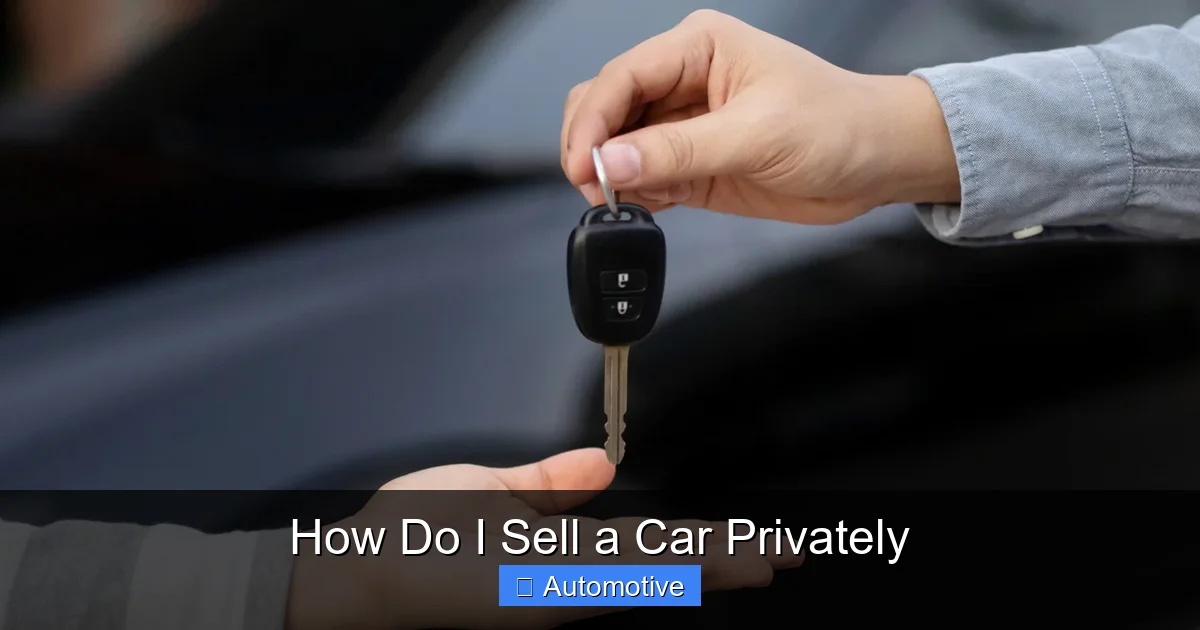
Selling a car privately can get you more money than trading it in, but it takes planning and effort. From pricing your vehicle right to meeting buyers safely, this guide walks you through every step to help you sell your car quickly and securely.
So, you’ve decided to sell your car privately. Maybe you’re upgrading to something newer, downsizing, or just ready to part ways with your trusty old ride. Whatever the reason, selling a car on your own can be a smart financial move—private sales often bring in more cash than trading in at a dealership. But it’s not as simple as slapping a “For Sale” sign on the windshield and waiting for offers to roll in.
The good news? With the right approach, you can sell your car quickly, safely, and for a fair price. This guide will walk you through every step of the process, from pricing your vehicle to handing over the keys. We’ll cover how to prepare your car, write a great ad, handle inquiries, meet buyers, and complete the sale without headaches or scams. Whether you’re selling a sedan, SUV, truck, or even a classic car, these tips apply to all makes and models.
Selling privately means you’re in control. You decide the price, who you sell to, and when the deal happens. But that control comes with responsibility. You’ll need to do your homework, stay organized, and be cautious—especially when dealing with strangers. Don’t worry, though. By the end of this article, you’ll feel confident and ready to sell your car like a pro.
In This Article
- 1 Key Takeaways
- 2 📑 Table of Contents
- 3 Step 1: Research Your Car’s Value
- 4 Step 2: Prepare Your Car for Sale
- 5 Step 3: Write a Compelling Ad and List Your Car
- 6 Step 4: Handle Inquiries and Test Drives Safely
- 7 Step 5: Complete the Sale and Transfer Ownership
- 8 Common Mistakes to Avoid
- 9 Frequently Asked Questions
Key Takeaways
- Research your car’s value: Use tools like Kelley Blue Book or Edmunds to price your vehicle competitively based on condition, mileage, and market trends.
- Prepare your car for sale: Clean it inside and out, fix minor issues, and gather maintenance records to boost buyer confidence.
- Write a compelling ad: Include clear photos, a detailed description, and key features to attract serious buyers.
- Stay safe during showings: Meet in public places, bring a friend, and avoid sharing personal information until you’re ready to close the deal.
- Handle paperwork correctly: Complete the title transfer, bill of sale, and release of liability to protect yourself legally.
- Negotiate confidently: Know your bottom line and be ready to walk away if the offer isn’t fair.
- Finalize the sale securely: Accept cash, cashier’s check, or use an escrow service to avoid scams and ensure payment clears.
📑 Table of Contents
Step 1: Research Your Car’s Value
Before you even think about listing your car, you need to know what it’s worth. Pricing it too high will scare off buyers. Pricing it too low means leaving money on the table. The key is finding that sweet spot—fair, competitive, and realistic.
Start by gathering basic information about your vehicle: make, model, year, trim level, mileage, and overall condition. Then, use trusted online valuation tools like Kelley Blue Book (KBB), Edmunds, or NADA Guides. These platforms let you input your car’s details and get an estimated value based on current market data. They usually offer three price ranges: trade-in value, private party value, and retail value. For a private sale, focus on the private party value—it’s what similar cars are selling for in your area.
But don’t stop there. Check local listings on sites like Craigslist, Facebook Marketplace, Autotrader, and Cars.com. Look for cars that are similar to yours in terms of age, mileage, condition, and features. Are they priced higher or lower? Why? Maybe one has a sunroof or leather seats, which could justify a higher price. Or perhaps another has high mileage and needs new tires, so it’s listed lower.
For example, let’s say you’re selling a 2018 Honda Civic EX with 60,000 miles in good condition. KBB might suggest a private party value of $16,500. But if you see three similar Civics in your city listed at $15,900, $16,200, and $16,800, you’ll know your target should be around $16,300–$16,500. That gives you room to negotiate while staying competitive.
Also, consider your car’s condition. Is it in excellent shape with no dents or scratches? Does it have a clean history with no accidents? Has it been well-maintained with regular oil changes and service records? These factors can increase its value. On the flip side, if your car has mechanical issues, high mileage, or cosmetic damage, you’ll need to adjust the price accordingly.
One common mistake sellers make is overvaluing their car based on emotion. Just because you loved driving it doesn’t mean it’s worth more. Buyers care about facts—mileage, condition, features, and market demand. Stay objective.
Pro tip: Take screenshots or print out your research. This will help you explain your pricing to potential buyers and show you’ve done your homework.
Step 2: Prepare Your Car for Sale
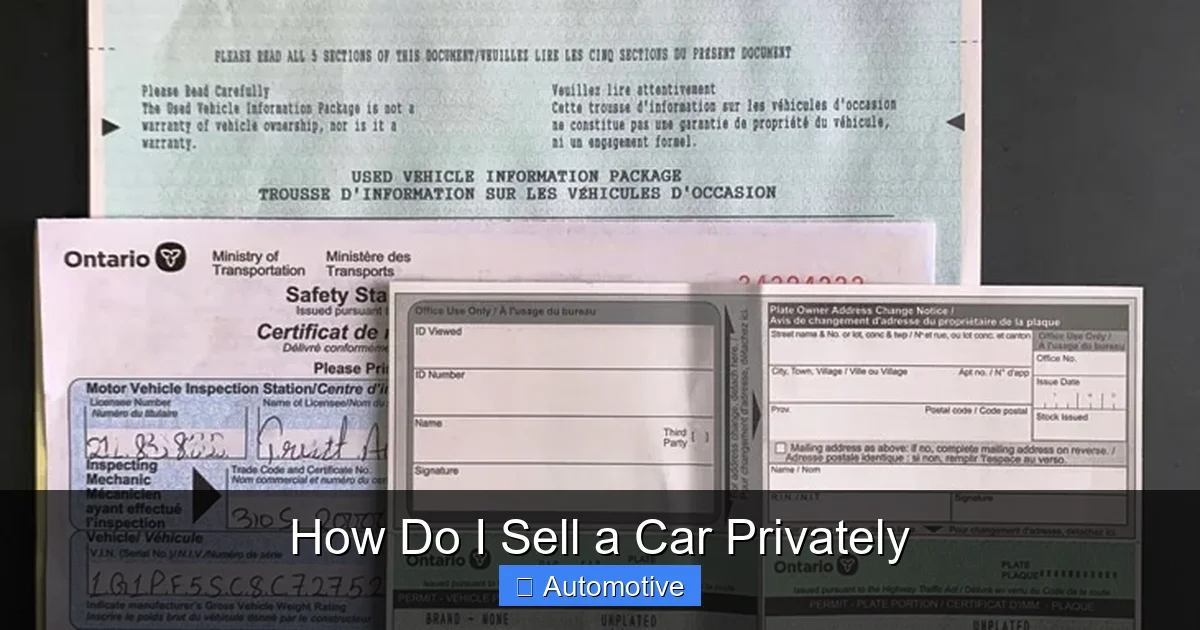
Visual guide about How Do I Sell a Car Privately
Image source: sellmycar.ca
First impressions matter—especially when selling a car. A clean, well-maintained vehicle tells buyers you’ve taken care of it. It also increases your chances of getting a higher offer. Think of it this way: would you buy a car that looks dirty and smells like old fries? Probably not.
Start with a thorough cleaning. Wash the exterior, wax it if possible, and clean the windows inside and out. Don’t forget the wheels and tires—grime buildup can make even a nice car look neglected. For the interior, vacuum every corner, wipe down surfaces, and remove any personal items like CDs, garage door openers, or air fresheners. If your car has odors, consider using an odor eliminator or having it professionally detailed.
Small fixes can make a big difference. Replace burnt-out light bulbs, fix cracked windshield wipers, and touch up minor scratches or dents. These aren’t expensive repairs, but they show buyers the car is in good working order. If your tires are worn or your brakes are squeaking, consider addressing those issues—especially if they’re safety-related. Buyers will notice, and it could affect their offer.
Gather all your maintenance records. If you’ve kept receipts for oil changes, tire rotations, brake jobs, or major repairs, now’s the time to organize them. A well-documented service history builds trust and proves the car has been cared for. You can include these in a folder or binder to show during test drives.
Also, make sure your car is mechanically sound. Get a pre-sale inspection from a trusted mechanic. This isn’t required, but it’s a smart move. The inspection can uncover hidden issues you might not know about—like a failing transmission or worn suspension components. If problems are found, you can either fix them or adjust your price accordingly. Either way, being upfront builds credibility.
Finally, take high-quality photos. Use natural light and shoot from multiple angles: front, back, sides, interior, trunk, and engine bay. Show any flaws honestly—buyers appreciate transparency. Avoid filters or overly edited images. A clear, well-lit photo of your car parked in a clean driveway will attract more interest than a blurry shot taken at night.
Step 3: Write a Compelling Ad and List Your Car
Now that your car is clean and priced right, it’s time to write your ad. A great listing does more than describe the car—it tells a story and grabs attention. Your goal is to make buyers say, “I need to see this car!”
Start with a strong headline. Include the year, make, model, and a key selling point. For example: “2018 Honda Civic EX – Low Miles, One Owner, Excellent Condition.” Avoid vague titles like “Car for Sale” or “Nice Vehicle.” Be specific.
In the description, be detailed but concise. Mention the trim level, mileage, engine size, transmission type (automatic or manual), and fuel efficiency. Highlight features like Bluetooth, backup camera, heated seats, sunroof, or Apple CarPlay. If your car has low mileage, a clean title, or a recent major repair (like new brakes or tires), say so.
Be honest about the condition. If there are minor scratches, a small dent, or a warning light on the dashboard, mention it. Buyers will find out anyway, and hiding flaws can kill a deal. Instead, frame it positively: “Minor scratch on rear bumper—barely noticeable” or “Check engine light was on due to loose gas cap—now resolved.”
Include why you’re selling. It’s not required, but it adds a human touch. “Selling because I’m moving and don’t need a second car” or “Upgrading to a larger SUV for my growing family” feels genuine and relatable.
Use bullet points to make your ad easy to scan. For example:
– 2018 Honda Civic EX
– 60,000 miles
– Automatic transmission
– Backup camera, Bluetooth, Apple CarPlay
– One owner, clean title, no accidents
– Recent oil change and tire rotation
Add your photos at the top of the listing. Most platforms let you upload multiple images—use that feature. Include shots of the exterior, interior, dashboard, trunk, and engine. If your car has unique features, like a premium sound system or custom wheels, take close-ups.
Choose the right platforms to list your car. Popular options include:
– Craigslist: Free in most areas, great for local buyers
– Facebook Marketplace: Easy to use, integrates with your profile
– Autotrader: Targets serious buyers, but may charge a fee
– Cars.com: Professional platform with wide reach
– OfferUp: Mobile-friendly, good for quick sales
Each platform has its pros and cons. Craigslist is free but attracts scammers. Facebook Marketplace is convenient but may show your personal info. Autotrader reaches more buyers but costs money. Consider listing on two or three platforms to maximize exposure.
Set your price slightly above your target to leave room for negotiation. For example, if you want $16,000, list it at $16,500. Most buyers will try to negotiate, so starting high gives you flexibility.
Finally, respond to inquiries quickly and professionally. If someone messages you, reply within a few hours. Be polite, answer questions honestly, and avoid pushy sales tactics. If a buyer seems serious, suggest a test drive.
Step 4: Handle Inquiries and Test Drives Safely
Once your ad is live, you’ll start getting messages. Some will be from serious buyers. Others might be scammers or tire-kickers. Your job is to filter them and protect yourself.
When someone contacts you, ask basic questions: “Are you looking to buy soon?” or “Have you seen similar cars in your price range?” This helps gauge their seriousness. If they reply with vague answers or ask odd questions (like “Can you ship it to me?”), be cautious.
Never give out personal information like your home address, phone number, or Social Security number upfront. Use the platform’s messaging system until you’re ready to meet. If they ask for your number, offer to call them instead—this keeps your info private.
When scheduling a test drive, always meet in a public place. A busy parking lot, mall, or police station parking lot is ideal. Avoid meeting at your home or a remote location. Bring a friend or family member with you—two people are safer than one.
Before the test drive, ask to see the buyer’s driver’s license and make sure it’s valid. You can take a photo of it (with their permission) for your records. Also, verify they have insurance—some states require proof before a test drive.
During the drive, stay in control. You’re the one driving. Let the buyer sit in the passenger seat and get a feel for the car. Point out features, answer questions, and be honest about any issues. If they want to drive, make sure they’re comfortable and insured. Some sellers require a copy of their insurance card or add them as a temporary driver.
After the test drive, ask for feedback. “What did you think?” or “Any concerns?” This shows you’re open to discussion and helps you address objections.
If the buyer seems interested, discuss price. Don’t rush into negotiation. Let them make the first offer. If it’s too low, explain your pricing based on your research. Be firm but polite. Remember, you don’t have to accept the first offer.
Step 5: Complete the Sale and Transfer Ownership
Congratulations—you’ve found a buyer! Now it’s time to finalize the sale. This step is critical. If you skip it or do it wrong, you could face legal or financial trouble.
First, agree on the final price and payment method. Cash is the safest option—it’s immediate and can’t bounce. If the buyer wants to pay by check, insist on a cashier’s check from their bank. Personal checks can take days to clear and may be fraudulent. Avoid wire transfers or money orders unless you’re certain they’re legitimate.
Once payment is secured, it’s time to transfer ownership. You’ll need to sign over the title. Make sure the buyer’s name is correctly listed and that you sign in the right place. Some states require a notarized signature, so check your local DMV requirements.
Complete a bill of sale. This document records the sale details: date, price, vehicle info, and both parties’ names and addresses. You can find free templates online or use your state’s official form. Keep a copy for your records.
Next, submit a release of liability to your state’s DMV. This form protects you if the buyer gets a ticket or causes an accident after the sale. It proves you’re no longer responsible for the vehicle. In most states, you can file this online or by mail.
Remove your license plates. In some states, you keep them. In others, the buyer needs them. Check your local laws. Also, cancel your insurance on the car once the sale is complete—don’t wait.
Finally, hand over the keys, owner’s manual, and any extra items like spare keys or service records. Wish the buyer well and walk away knowing you’ve sold your car safely and legally.
Common Mistakes to Avoid
Even with the best plan, sellers make mistakes. Here are a few to watch out for:
– Overpricing: Don’t let emotion cloud your judgment. Use data, not feelings, to set your price.
– Skipping maintenance: A dirty or broken car turns buyers away. Invest in cleaning and small repairs.
– Poor photos: Blurry or dark images make your car look unappealing. Use good lighting and multiple angles.
– Ignoring safety: Never meet alone or in private. Always bring a friend and meet in public.
– Rushing the sale: Take your time. A hasty decision can lead to regret or scams.
– Forgetting paperwork: Always complete the title transfer, bill of sale, and release of liability.
Avoiding these pitfalls will help you sell your car smoothly and stress-free.
Selling a car privately takes effort, but the payoff is worth it. You’ll likely get more money than a trade-in, and you’ll have control over the entire process. With the right preparation, pricing, and safety measures, you can sell your car quickly and confidently. So go ahead—clean it up, list it, and find it a new home.
Frequently Asked Questions
How long does it take to sell a car privately?
It varies, but most cars sell within 2–6 weeks if priced right and listed on popular platforms. Well-maintained, in-demand vehicles may sell faster, while older or less popular models could take longer.
Should I fix minor issues before selling?
Yes, small repairs like replacing wipers, fixing dents, or cleaning the interior can increase your car’s appeal and value. Buyers are more likely to pay a higher price for a car that looks and feels cared for.
Can I sell my car if I still owe money on it?
Yes, but you’ll need to pay off the loan first. Contact your lender to get the payoff amount, then use the sale proceeds to settle the debt. Some buyers may agree to pay the lender directly, but this requires coordination.
Is it safe to sell a car online?
It can be safe if you take precautions. Meet in public, bring a friend, verify the buyer’s ID, and avoid sharing personal info. Use secure payment methods like cash or cashier’s checks to reduce risk.
Do I need to provide a warranty when selling privately?
No, private sales are typically “as-is,” meaning the buyer accepts the car in its current condition. Be honest about any known issues to avoid disputes later.
What documents do I need to sell my car?
You’ll need the vehicle title, bill of sale, release of liability form, and possibly a smog or safety inspection certificate (depending on your state). Keep copies of all paperwork for your records.