How Big Is a 305 Tire in Inches

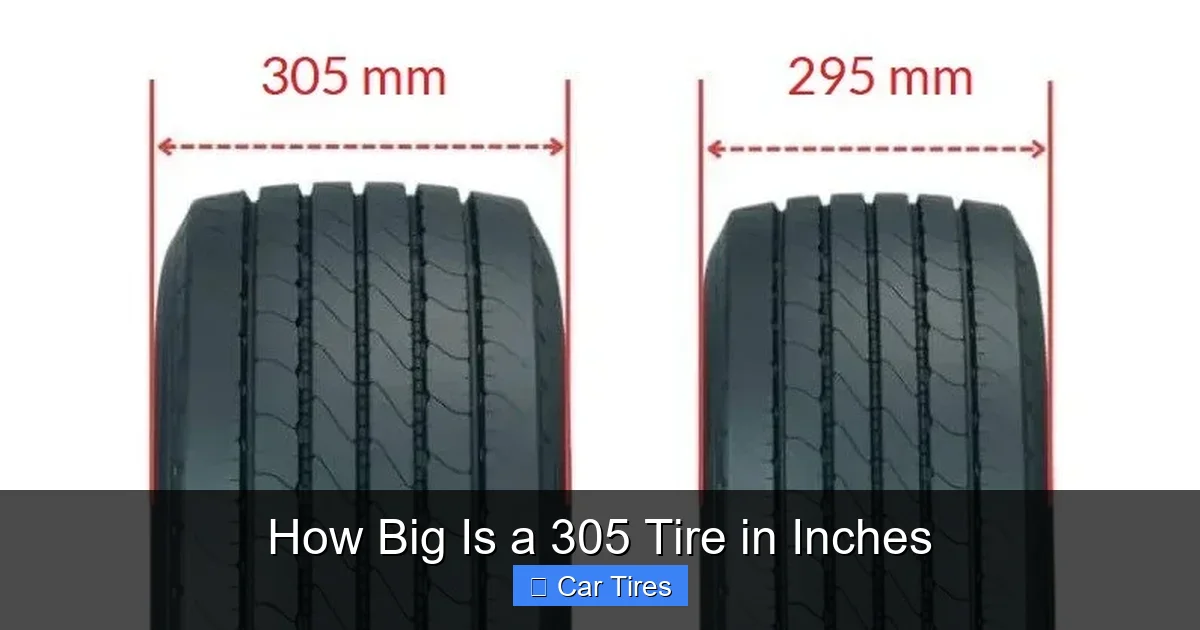
A 305 tire refers to its tread width in millimeters, which converts to about 12 inches. When mounted on a typical 20-inch wheel, the overall diameter is roughly 33–34 inches, making it a popular choice for trucks and SUVs.
In This Article
- 1 Key Takeaways
- 2 📑 Table of Contents
- 3 Understanding What “305” Really Means in Tire Sizing
- 4 How Big Is a 305 Tire in Inches? Breaking Down the Dimensions
- 5 Why Do People Choose 305 Tires? Performance and Aesthetics
- 6 305 Tires on Different Vehicles: Trucks, SUVs, and Performance Cars
- 7 Pros and Cons of Running 305 Tires
- 8 How to Know If 305 Tires Will Fit Your Vehicle
- 9 Maintaining and Getting the Most Out of Your 305 Tires
- 10 Conclusion: Is a 305 Tire Right for You?
- 11 Frequently Asked Questions
Key Takeaways
- 305 refers to tread width: The number 305 indicates the tire’s width is 305 millimeters, or approximately 12 inches across.
- Overall diameter varies by rim size: A 305 tire’s total height depends on the wheel diameter—commonly ranging from 32 to 35 inches.
- Common on trucks and performance vehicles: This size is popular for lifted trucks, Jeeps, and high-performance cars due to its aggressive look and grip.
- Sidewall height affects ride comfort: Taller sidewalls (lower aspect ratio) offer a smoother ride, while shorter ones improve handling.
- Always check load and speed ratings: Not all 305 tires are equal—match the tire’s rating to your vehicle’s requirements.
- Proper fitment is critical: Installing a 305 tire may require suspension modifications or fender trimming to avoid rubbing.
- Fuel economy and handling trade-offs: Wider tires like the 305 can reduce fuel efficiency but improve traction and cornering.
📑 Table of Contents
- Understanding What “305” Really Means in Tire Sizing
- How Big Is a 305 Tire in Inches? Breaking Down the Dimensions
- Why Do People Choose 305 Tires? Performance and Aesthetics
- 305 Tires on Different Vehicles: Trucks, SUVs, and Performance Cars
- Pros and Cons of Running 305 Tires
- How to Know If 305 Tires Will Fit Your Vehicle
- Maintaining and Getting the Most Out of Your 305 Tires
- Conclusion: Is a 305 Tire Right for You?
Understanding What “305” Really Means in Tire Sizing
When you see a tire labeled “305,” your first thought might be, “Is that inches?” The short answer is no—it’s actually millimeters. The number 305 refers to the tire’s **section width**, which is the measurement of the tire’s tread from sidewall to sidewall when mounted and inflated to the recommended pressure. This width is measured in millimeters, so a 305 tire is 305 mm wide.
To put that into perspective, 305 millimeters converts to about **12 inches** (specifically, 11.99 inches). That’s a seriously wide tire—wider than most standard passenger car tires, which typically range from 205 to 275 mm. This extra width gives the 305 tire a bold, aggressive stance, which is one reason it’s so popular on trucks, SUVs, and performance vehicles.
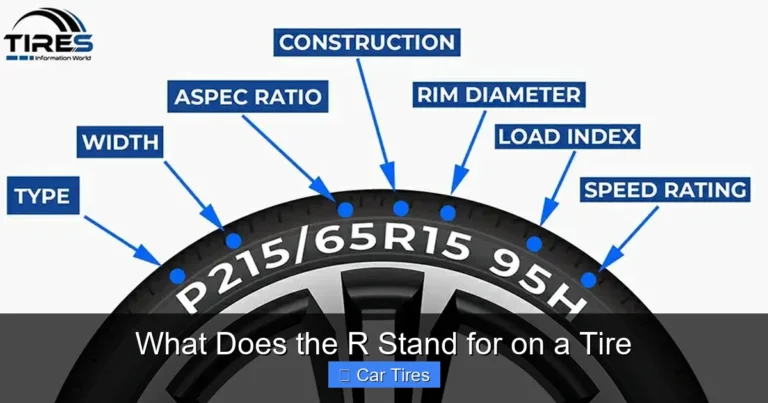
But here’s the thing: tire size isn’t just about width. A full tire size includes three key numbers, like **305/60R20**. Let’s break that down:
– **305**: Tread width in millimeters
– **60**: Aspect ratio (sidewall height as a percentage of width)
– **R**: Radial construction
– **20**: Rim diameter in inches
So while the “305” tells us how wide the tire is, the overall size—how tall it is from ground to top—depends on the other numbers too. That’s why two 305 tires on different rims can look completely different in height.
How Big Is a 305 Tire in Inches? Breaking Down the Dimensions

Visual guide about How Big Is a 305 Tire in Inches
Image source: tireblogger.com
Now that we know what the “305” stands for, let’s answer the main question: *How big is a 305 tire in inches?* The answer isn’t a single number—it depends on the full tire size. But we can calculate it using a simple formula.
Let’s use a common example: **305/60R20**.
Step 1: Convert Width to Inches
As mentioned, 305 mm = 11.99 inches ≈ **12 inches** wide.
Step 2: Calculate Sidewall Height
The aspect ratio is 60, meaning the sidewall height is 60% of the tire’s width.
So:
– 305 mm × 0.60 = 183 mm
– Convert to inches: 183 mm ÷ 25.4 = **7.2 inches**
That means each sidewall (top and bottom) is about 7.2 inches tall.
Step 3: Add Rim Diameter and Sidewalls
The rim is 20 inches in diameter. To get the total tire height, add the rim size plus both sidewalls:
– 20 inches (rim) + 7.2 inches (top sidewall) + 7.2 inches (bottom sidewall) = **34.4 inches**
So a 305/60R20 tire is approximately **34.4 inches tall**.
Let’s look at another example: **305/55R20**.
– Width: 305 mm = 12 inches
– Sidewall: 305 × 0.55 = 167.75 mm ≈ 6.6 inches
– Total height: 20 + 6.6 + 6.6 = **33.2 inches**
As you can see, even with the same width, the overall diameter changes based on the aspect ratio and rim size.
Quick Reference: Common 305 Tire Sizes and Their Heights
Here are a few popular 305 tire sizes and their approximate overall diameters:
– 305/60R20 → 34.4 inches
– 305/55R20 → 33.2 inches
– 305/50R20 → 32.0 inches
– 305/65R18 → 33.6 inches
– 305/70R17 → 33.8 inches
These sizes are commonly found on lifted trucks, Jeeps, and off-road vehicles. The taller the aspect ratio (like 70), the taller the sidewall and the more cushioning you get over bumps.
Why Do People Choose 305 Tires? Performance and Aesthetics
Visual guide about How Big Is a 305 Tire in Inches
Image source: tireblogger.com
So why would someone choose a 305 tire over a narrower one? There are several reasons, and they usually come down to **performance, appearance, and capability**.
1. Improved Traction and Grip
A wider tire means a larger contact patch—the area of the tire that touches the road. More rubber on the ground translates to better grip, especially during acceleration, braking, and cornering. This is why performance cars and trucks often use wider tires like the 305.
For example, a Ford F-150 Raptor or a lifted Toyota Tacoma might come equipped with 305 tires to handle off-road terrain or high-speed desert runs. The extra width helps distribute weight and prevents sinking into soft sand or mud.
2. Aggressive, Rugged Look
Let’s be honest—305 tires just *look* cool. They give vehicles a bold, muscular stance that turns heads. Whether it’s a lifted Chevy Silverado or a modified Jeep Wrangler, the wide, chunky tires scream “I’m ready for anything.”
This aesthetic appeal is a big driver for many truck and SUV owners. Even if they don’t go off-roading, the visual impact of a 305 tire can make a stock vehicle look custom and powerful.
3. Better Stability at High Speeds
Wider tires improve high-speed stability. The larger footprint reduces lateral movement, making the vehicle feel more planted on the highway. This is especially important for large SUVs and trucks, which can feel top-heavy or sway in crosswinds.
4. Off-Road Capability
For off-road enthusiasts, 305 tires are a game-changer. The extra width provides better flotation over sand, mud, and snow. Plus, when paired with a lower tire pressure, the larger contact patch helps the tire conform to uneven terrain, improving traction.
Many rock crawlers and overlanders run 305/70R17 or 305/65R18 tires because they offer a great balance of width, sidewall flex, and durability.
5. Customization and Lift Kits
Installing 305 tires often goes hand-in-hand with a suspension lift. A 2- to 6-inch lift allows the larger tires to fit without rubbing against the fenders or suspension components. This combo transforms a stock truck into a capable off-road machine or a head-turning street cruiser.
However, it’s important to note that not all vehicles can accommodate 305 tires without modifications. We’ll cover fitment in a later section.
305 Tires on Different Vehicles: Trucks, SUVs, and Performance Cars
Visual guide about How Big Is a 305 Tire in Inches
Image source: corwheels.com
The 305 tire isn’t just for one type of vehicle. It’s used across a range of platforms, from heavy-duty trucks to high-performance sports cars. Let’s explore where you’ll commonly find them.
Pickup Trucks
Full-size and heavy-duty trucks are the most common users of 305 tires. Models like the Ford F-250, Ram 2500, and Chevrolet Silverado 2500 often come with or can be upgraded to 305/60R20 or 305/65R18 tires. These sizes provide the strength and grip needed for towing, hauling, and off-roading.
For example, a Ram 2500 with a 6.7L Cummins diesel might run 305/60R20 tires to handle the torque and weight. The wide footprint helps prevent tire slip when towing a 15,000-pound trailer.
SUVs and Crossovers
Large SUVs like the Toyota Sequoia, Ford Expedition, and GMC Yukon can also benefit from 305 tires. While most come with narrower stock tires, many owners upgrade for better off-road performance or a more aggressive look.
A lifted Yukon with 305/55R20 tires will have improved ground clearance and a commanding presence on the road. Just make sure the suspension and fenders can handle the size.
Jeeps and Off-Road Vehicles
Jeep Wranglers and Gladiators are prime candidates for 305 tires. With a 2.5- to 4-inch lift, a Wrangler Rubicon can easily fit 305/70R17 tires, which are about 33.8 inches tall. These tires offer excellent off-road traction and a rugged appearance.
Many Jeep owners also choose all-terrain or mud-terrain 305 tires for weekend trail adventures. The extra width helps them power through mud, rocks, and sand.
Performance and Muscle Cars
Believe it or not, some high-performance cars use 305 tires—especially on the rear axle. For example, the Dodge Challenger SRT Hellcat often comes with 305/35R20 rear tires to handle the 707 horsepower. The wide rear tires provide maximum grip during hard launches.
Similarly, the Ford Mustang GT and Chevrolet Camaro SS may use 305-width tires on the rear for improved acceleration and cornering.
Custom and Lifted Vehicles
Beyond factory applications, 305 tires are a favorite in the custom vehicle scene. Whether it’s a slammed truck, a desert runner, or a show vehicle, the 305 size offers a perfect blend of width, height, and style.
Custom builders often pair 305 tires with aftermarket wheels, suspension kits, and fender flares to create a unique look and improved performance.
Pros and Cons of Running 305 Tires
Like any modification, switching to 305 tires comes with trade-offs. Let’s look at the advantages and disadvantages so you can make an informed decision.
Pros
- Better traction and grip: Wider contact patch improves acceleration, braking, and cornering.
- Enhanced off-road performance: Great for sand, mud, snow, and rocky terrain.
- Improved high-speed stability: Feels more planted and secure on the highway.
- Aggressive, custom look: Gives your vehicle a bold, muscular appearance.
- Increased load capacity: Many 305 tires are rated for heavy loads, ideal for trucks and SUVs.
Cons
- Reduced fuel economy: Wider tires create more rolling resistance, which can lower MPG by 1–3 miles per gallon.
- Harsher ride quality: Lower aspect ratios (shorter sidewalls) can make the ride feel stiffer and less comfortable.
- Potential rubbing and fitment issues: May require suspension lifts, fender trimming, or wheel spacers.
- Higher cost: 305 tires are generally more expensive than narrower sizes, both upfront and for replacements.
- Increased wear on suspension components: The added weight and size can stress steering and suspension parts over time.
- Speedometer inaccuracy: Changing tire size can throw off your speedometer and odometer readings unless recalibrated.
Tips to Minimize the Downsides
– Choose a tire with a higher aspect ratio (like 60 or 65) for a smoother ride.
– Use lightweight wheels to reduce unsprung weight.
– Recalibrate your speedometer after installation.
– Stick to reputable brands to ensure durability and performance.
– Consider all-terrain tires for a balance of on-road comfort and off-road capability.
How to Know If 305 Tires Will Fit Your Vehicle
Before you buy a set of 305 tires, you need to make sure they’ll fit your vehicle without causing problems. Here’s how to check.
1. Check Your Current Tire Size
Look at the sidewall of your current tires. You’ll see something like P275/65R18 or LT285/70R17. Compare the width and overall diameter to the 305 tire you’re considering.
Use an online tire size calculator to see how much taller or wider the new tire will be.
2. Measure Clearance
Jack up your vehicle and measure the space between the tire and:
– Fender liner
– Suspension components (control arms, shocks)
– Brake lines
– Steering linkage
You need at least 0.5 to 1 inch of clearance on all sides to prevent rubbing, especially when turning or going over bumps.
3. Consider a Lift or Leveling Kit
Most stock trucks and SUVs won’t fit 305 tires without modifications. A 2-inch leveling kit or a 4-inch suspension lift can provide the necessary clearance.
For example, a stock Ford F-150 might only fit up to 33-inch tires. But with a 2-inch leveling kit, it can handle 305/60R20 tires (34.4 inches) with minor fender trimming.
4. Check Wheel Width and Offset
305 tires require wider wheels—typically 9 to 11 inches wide. Using a wheel that’s too narrow can cause the tire to bulge or wear unevenly.
Also, pay attention to offset (how far the wheel sits in or out). A lower offset pushes the tire outward, which can improve stance but may cause rubbing.
5. Consult a Professional
When in doubt, talk to a tire shop or off-road specialist. They can recommend the right tire and wheel combo for your vehicle and driving needs.
Maintaining and Getting the Most Out of Your 305 Tires
Once you’ve installed your 305 tires, proper maintenance is key to maximizing their lifespan and performance.
Rotate Regularly
Rotate your tires every 5,000 to 7,000 miles to ensure even wear. Front and rear tires wear differently, especially on rear-wheel-drive or 4WD vehicles.
Check Tire Pressure Weekly
Underinflated tires wear faster and reduce fuel economy. Overinflated tires can cause a harsh ride and center tread wear. Use the recommended PSI listed on the driver’s door jamb.
Align Your Wheels
After installing larger tires, get a wheel alignment. Improper alignment causes uneven wear and poor handling.
Inspect for Damage
Check for cuts, punctures, bulges, or uneven wear patterns. Off-road tires are especially prone to sidewall damage.
Balance When Needed
If you feel vibrations at highway speeds, your tires may need rebalancing.
Store Properly If Not in Use
If you swap to seasonal tires, store your 305s in a cool, dry place away from sunlight and ozone sources (like electric motors).
Conclusion: Is a 305 Tire Right for You?
So, how big is a 305 tire in inches? As we’ve learned, it’s about **12 inches wide**, and its overall height ranges from **32 to 35 inches**, depending on the aspect ratio and rim size. This makes it one of the wider tires on the market, ideal for trucks, SUVs, and performance vehicles.
The 305 tire offers impressive benefits: better grip, a bold look, and enhanced off-road capability. But it also comes with trade-offs like reduced fuel economy, potential fitment issues, and a higher price tag.
If you’re looking to upgrade your vehicle’s performance or style, a 305 tire could be a great choice—especially if you’re already planning a lift or leveling kit. Just make sure to do your research, check clearance, and choose the right tire for your driving needs.
Whether you’re conquering trails, towing a trailer, or just want your ride to stand out, the 305 tire delivers on both function and form. With proper installation and maintenance, it can be a worthwhile investment that transforms your driving experience.
Frequently Asked Questions
What does 305 mean on a tire?
The number 305 refers to the tire’s width in millimeters. This means the tire is 305 mm wide, which is approximately 12 inches across the tread.
How tall is a 305/60R20 tire?
A 305/60R20 tire is about 34.4 inches tall. This includes the 20-inch rim plus two sidewalls, each roughly 7.2 inches high.
Can I put 305 tires on my stock truck?
It depends on your vehicle. Most stock trucks won’t fit 305 tires without a lift or leveling kit. Check clearance and consult a professional before installing.
Do 305 tires reduce fuel economy?
Yes, wider tires like the 305 can reduce fuel efficiency by 1–3 MPG due to increased rolling resistance and weight.
Are 305 tires good for off-roading?
Absolutely. The wide footprint and aggressive tread patterns make 305 tires excellent for sand, mud, rocks, and snow.
What vehicles commonly use 305 tires?
305 tires are popular on full-size trucks (Ford F-250, Ram 2500), SUVs (Toyota Sequoia), Jeeps, and performance cars like the Dodge Challenger Hellcat.