Hot Sell Plastic Parts for Car
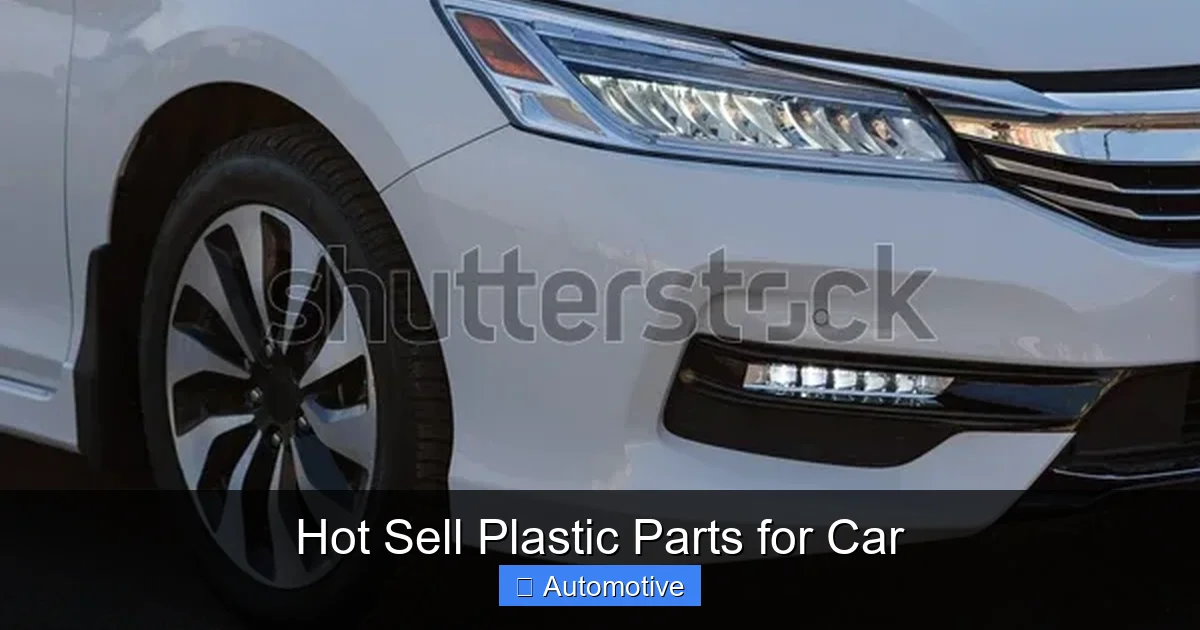
Hot sell plastic parts for car are revolutionizing vehicle maintenance and customization. From dashboards to bumpers, these lightweight, durable components offer cost-effective solutions without sacrificing quality or performance.
This is a comprehensive guide about hot sell plastic parts for car.
In This Article
- 1 Key Takeaways
- 2 Why Plastic Parts Are Taking Over the Automotive World
- 3 The Rise of Plastic in Modern Vehicle Design
- 4 Top Applications of Hot Sell Plastic Parts for Car
- 5 Why These Parts Are Flying Off the Shelves
- 6 Choosing the Right Plastic Parts for Your Vehicle
- 7 Installation Tips and Best Practices
- 8 The Future of Plastic in the Automotive Industry
- 9 Conclusion
- 10 Frequently Asked Questions
Key Takeaways
- High Demand Driven by Affordability: Plastic car parts are cheaper to produce and replace, making them a go-to choice for budget-conscious drivers and repair shops.
- Lightweight Design Enhances Fuel Efficiency: Replacing metal components with high-grade plastic reduces overall vehicle weight, improving gas mileage and reducing emissions.
- Resistant to Corrosion and Rust: Unlike metal, plastic parts won’t rust or corrode, especially in harsh weather conditions, extending their lifespan.
- Wide Range of Applications: From interior trim and dashboards to exterior bumpers and grilles, plastic parts are used throughout modern vehicles.
- Eco-Friendly Innovations on the Rise: Many manufacturers now use recycled or recyclable plastics, supporting sustainable automotive practices.
- Easy to Customize and Repair: Plastic can be molded into complex shapes and is simpler to fix with adhesives or heat, reducing downtime.
- OEM and Aftermarket Options Available: Whether you need factory-original or performance-enhanced parts, the market offers reliable choices for every need.
[FEATURED_IMAGE_PLACEHOLDER]
Why Plastic Parts Are Taking Over the Automotive World
If you’ve ever opened the hood of a modern car or peeked inside the cabin, you’ve likely noticed something surprising: more and more components are made of plastic. From the dashboard to the bumper, plastic is quietly becoming the material of choice in the automotive industry. And it’s not just about cutting costs—there are real, tangible benefits that make hot sell plastic parts for car applications a smart move for drivers, mechanics, and manufacturers alike.
Gone are the days when plastic was seen as flimsy or low-quality. Today’s automotive-grade plastics are engineered to withstand extreme temperatures, UV exposure, and physical stress. They’re lightweight, durable, and often more resistant to damage than their metal counterparts. In fact, many car manufacturers now use plastic in critical areas like fuel tanks, air intake manifolds, and even structural reinforcements. This shift isn’t just a trend—it’s a transformation driven by innovation, efficiency, and consumer demand.
But why are these parts flying off the shelves? The answer lies in a combination of affordability, performance, and versatility. Whether you’re repairing a cracked bumper or upgrading your interior trim, plastic parts offer a fast, reliable solution. And with advancements in material science, today’s plastic components can match or even exceed the performance of traditional materials. So whether you’re a DIY enthusiast or a professional mechanic, understanding the role of plastic in modern vehicles is essential.
The Rise of Plastic in Modern Vehicle Design
The automotive industry has undergone a massive shift in material usage over the past few decades. While steel and aluminum once dominated car construction, plastic has steadily gained ground—and for good reason. The rise of plastic parts isn’t just about saving money; it’s about rethinking how vehicles are built, driven, and maintained.
One of the biggest drivers behind this shift is the push for fuel efficiency. Automakers are under constant pressure to reduce vehicle weight, and plastic is significantly lighter than metal. For every 10% reduction in vehicle weight, fuel economy can improve by up to 6-8%. That’s a huge incentive, especially as emissions regulations tighten globally. By replacing metal components with high-strength plastics, manufacturers can shave off pounds without compromising safety or performance.
But it’s not just about weight. Plastic offers design flexibility that metal simply can’t match. Complex shapes, integrated features, and sleek contours can be molded in a single piece, reducing the need for assembly and minimizing weak points. This is especially important for interior components like door panels, center consoles, and instrument clusters, where aesthetics and functionality go hand in hand.
Take the example of the Toyota Prius. Its entire rear hatch is made from a lightweight plastic composite, reducing weight and improving aerodynamics. Similarly, BMW uses plastic fuel tanks in many of its models because they’re lighter, safer in collisions, and resistant to rust. These aren’t niche applications—they’re mainstream solutions that prove plastic’s value in real-world driving conditions.
How Plastic Improves Vehicle Performance
You might think that lighter parts mean weaker performance, but that’s a common misconception. Modern engineering plastics like polycarbonate, ABS (acrylonitrile butadiene styrene), and nylon are incredibly strong and resilient. They’re designed to absorb impact, resist cracking, and maintain their shape under stress.
For instance, bumpers made from thermoplastic olefin (TPO) can withstand minor collisions without denting or breaking. This not only protects the vehicle but also reduces repair costs. Similarly, plastic intake manifolds improve engine efficiency by reducing weight and allowing for smoother airflow. These small changes add up, resulting in better acceleration, handling, and overall performance.
Another advantage is noise reduction. Plastic has natural dampening properties, which means it can help reduce vibrations and road noise inside the cabin. This contributes to a quieter, more comfortable ride—something that luxury car buyers especially appreciate.
Environmental and Economic Benefits
Beyond performance, plastic parts offer significant environmental and economic benefits. Because they’re lighter, they contribute to lower fuel consumption and reduced CO2 emissions. This aligns with global sustainability goals and helps automakers meet regulatory standards.
From a manufacturing standpoint, plastic is also more cost-effective. It requires less energy to produce than metal, and injection molding allows for high-volume production with minimal waste. This efficiency translates to lower prices for consumers, making repairs and upgrades more accessible.
Moreover, the recycling industry is catching up. Many automotive plastics are now recyclable, and companies are investing in closed-loop systems where old parts are collected, processed, and reused in new vehicles. This circular approach reduces landfill waste and conserves resources.
Top Applications of Hot Sell Plastic Parts for Car
When it comes to hot sell plastic parts for car use, the applications are vast and varied. These components are found in nearly every part of the vehicle, from the engine bay to the trunk. Let’s explore some of the most common and impactful uses.
Interior Components: Comfort and Style
The interior of your car is where plastic truly shines. Dashboards, door panels, center consoles, and trim pieces are almost universally made from high-grade plastics. These parts need to look good, feel premium, and withstand daily wear and tear—and modern plastics deliver on all fronts.
For example, polycarbonate is often used for instrument cluster covers because it’s transparent, scratch-resistant, and shatterproof. ABS plastic is popular for door handles and trim because it’s tough, easy to paint, and holds up well in extreme temperatures. Even seat frames and armrests are increasingly made from reinforced plastics to reduce weight and improve comfort.
One standout example is the Tesla Model 3. Its minimalist interior relies heavily on molded plastic surfaces that are both sleek and functional. The center console, for instance, integrates storage, climate controls, and wireless charging in a single, seamless piece. This kind of design wouldn’t be possible without advanced plastic molding techniques.
Exterior Parts: Protection and Aerodynamics
On the outside, plastic plays a crucial role in protecting your vehicle and enhancing its performance. Bumpers, fenders, grilles, and mirror housings are commonly made from durable plastics like polypropylene and TPO. These materials are impact-resistant, UV-stable, and can be molded into aerodynamic shapes that improve fuel efficiency.
Take the Ford F-150, for example. Its front grille and bumper are made from high-impact plastic that can absorb minor collisions without cracking. This not only saves money on repairs but also helps maintain the truck’s rugged appearance. Similarly, many SUVs use plastic skid plates and rocker panels to protect the underbody from rocks and debris—without adding significant weight.
Another growing trend is the use of plastic in active aerodynamics. Some high-performance cars feature adjustable spoilers and air dams made from lightweight composites. These parts can change shape at high speeds to reduce drag or increase downforce, all while being lighter and more corrosion-resistant than metal alternatives.
Under-the-Hood Innovations
You might be surprised to learn that plastic is also making its way under the hood. Engine covers, air intake manifolds, and fluid reservoirs are increasingly made from heat-resistant plastics. These components need to withstand high temperatures and chemical exposure, and modern engineering plastics are up to the task.
For instance, nylon is often used for engine covers because it’s lightweight, heat-resistant, and reduces engine noise. Similarly, plastic coolant tanks are transparent, allowing drivers to easily check fluid levels without opening the cap. This improves safety and convenience, especially during routine maintenance.
One of the most innovative uses is in turbocharged engines, where plastic intake manifolds help reduce weight and improve airflow efficiency. This leads to better throttle response and fuel economy—key selling points for performance-oriented drivers.
Why These Parts Are Flying Off the Shelves
So, what makes hot sell plastic parts for car applications so popular? The answer lies in a perfect storm of affordability, availability, and performance. These parts aren’t just trendy—they’re practical solutions that meet real-world needs.
First and foremost, they’re affordable. Whether you’re replacing a cracked bumper or upgrading your interior trim, plastic parts are significantly cheaper than metal or composite alternatives. This makes them ideal for budget-conscious drivers, insurance companies, and repair shops looking to keep costs down.
But low cost doesn’t mean low quality. Thanks to advances in material science, today’s plastic components are built to last. They’re resistant to UV rays, moisture, and temperature fluctuations, meaning they won’t fade, warp, or crack over time. Many also come with manufacturer warranties, giving buyers peace of mind.
Another reason for their popularity is ease of installation. Plastic parts are often designed to snap into place or attach with simple screws, reducing labor time and complexity. This is especially helpful for DIY enthusiasts who want to tackle repairs themselves. Plus, if a part does get damaged, it’s usually easier to repair with plastic welding or adhesives than to replace an entire metal component.
Aftermarket vs. OEM: What’s the Difference?
When shopping for plastic car parts, you’ll likely come across two main types: OEM (Original Equipment Manufacturer) and aftermarket. OEM parts are made by the same company that supplied the original component to the car manufacturer. They’re typically more expensive but offer a perfect fit and reliable performance.
Aftermarket parts, on the other hand, are produced by third-party companies. They’re often more affordable and may include performance enhancements or custom designs. While quality can vary, many aftermarket brands now meet or exceed OEM standards.
For example, companies like Dorman, URO Parts, and Replace offer high-quality plastic bumpers, trim pieces, and interior components that are compatible with a wide range of vehicles. These parts are rigorously tested for durability and fit, making them a smart choice for many drivers.
Customization and Personalization
One of the biggest advantages of plastic parts is their versatility. Because they can be easily molded and painted, they’re ideal for customization. Want a custom-colored grille or a unique dashboard trim? Plastic makes it possible.
Car enthusiasts often use plastic parts to personalize their vehicles. From carbon fiber-look mirror covers to LED-lit door sills, the options are nearly endless. And because plastic is lightweight, these modifications won’t negatively impact performance.
Even mainstream automakers are embracing this trend. Many offer optional plastic trim packages in different colors and finishes, allowing buyers to tailor their cars to their tastes. This level of personalization was once reserved for luxury vehicles but is now accessible to a much wider audience.
Choosing the Right Plastic Parts for Your Vehicle
With so many options available, selecting the right plastic parts can feel overwhelming. But with a few key considerations, you can make smart, informed decisions that enhance your vehicle’s performance and appearance.
Know Your Vehicle’s Make and Model
The first step is to identify your vehicle’s exact make, model, and year. Plastic parts are often designed for specific applications, and even small differences can affect fit and function. Most reputable suppliers provide compatibility charts or VIN lookup tools to help you find the right part.
For example, a 2020 Honda Civic and a 2020 Honda Accord may look similar, but their bumpers and trim pieces are not interchangeable. Using the wrong part could lead to gaps, misalignment, or even safety issues.
Check Material Quality and Certifications
Not all plastics are created equal. Look for parts made from high-grade materials like ABS, polycarbonate, or TPO. These offer the best balance of strength, flexibility, and durability. Avoid cheap, brittle plastics that may crack or fade quickly.
Also, check for certifications like ISO 9001 or TS 16949, which indicate that the manufacturer follows strict quality control standards. Some parts may also be DOT (Department of Transportation) approved, especially for exterior components like bumpers and mirrors.
Read Reviews and Compare Brands
Before making a purchase, take the time to read customer reviews and compare different brands. Look for feedback on fit, durability, and ease of installation. Sites like Amazon, RockAuto, and CarID often have detailed reviews from real users.
For instance, a quick search might reveal that Brand X’s plastic grille fits perfectly on a 2018 Toyota Camry, while Brand Y’s version requires modifications. This kind of insight can save you time, money, and frustration.
Consider Warranty and Return Policies
A good warranty is a sign of confidence in a product’s quality. Many reputable suppliers offer 1- to 3-year warranties on plastic parts, covering defects and premature wear. Make sure to read the fine print and understand what’s included.
Also, check the return policy. If a part doesn’t fit or meet your expectations, you should be able to return it within a reasonable timeframe. Most online retailers offer 30-day return windows, but it’s always good to confirm.
Installation Tips and Best Practices
Installing plastic parts doesn’t have to be complicated, but it does require some care and attention. Whether you’re replacing a bumper or upgrading your interior trim, following these tips can help ensure a smooth, professional-looking result.
Prepare the Work Area
Start by cleaning the area where the new part will be installed. Remove any dirt, grease, or old adhesive that could interfere with the fit. Use a mild detergent and a soft cloth to avoid scratching the surface.
If you’re working on an exterior part, consider doing the installation in a shaded area to prevent the plastic from expanding due to heat. This can affect alignment and make the process more difficult.
Use the Right Tools
Most plastic parts come with installation instructions and may require specific tools. Common items include screwdrivers, trim removal tools, and torque wrenches. Avoid using excessive force, as plastic can crack or strip under pressure.
For snap-in parts, gently press them into place using even pressure. If a part feels too tight, double-check the alignment before forcing it. Sometimes, a slight adjustment is all that’s needed.
Test Fit Before Final Installation
Before securing the part permanently, do a test fit to ensure everything lines up correctly. This is especially important for bumpers, grilles, and trim pieces that need to match the vehicle’s contours.
If adjustments are needed, use a heat gun to gently warm the plastic. This makes it more flexible and easier to shape. Be careful not to overheat, as this can cause warping or melting.
Secure and Seal Properly
Once the part is in place, secure it according to the manufacturer’s instructions. Use the recommended screws, clips, or adhesives to ensure a tight, lasting fit.
For exterior parts, consider applying a sealant around the edges to prevent water intrusion. This is especially important for bumpers and mirror housings, which are exposed to the elements.
The Future of Plastic in the Automotive Industry
As technology continues to evolve, the role of plastic in vehicles is only set to grow. Innovations in material science, manufacturing, and sustainability are paving the way for even more advanced applications.
One exciting development is the use of bio-based plastics made from renewable resources like corn or sugarcane. These materials offer the same performance as traditional plastics but with a smaller environmental footprint. Companies like Ford and Toyota are already using bio-plastics in interior components, reducing reliance on fossil fuels.
Another trend is the integration of smart features into plastic parts. Imagine a dashboard that lights up with touch controls or a bumper with built-in sensors for parking assistance. These “smart plastics” are already in development and could become standard in the next decade.
Challenges and Considerations
Despite their many benefits, plastic parts aren’t without challenges. One concern is end-of-life disposal. While recycling is improving, not all automotive plastics are currently recyclable, and some end up in landfills.
There’s also the issue of microplastic pollution. As plastic parts degrade over time, they can release tiny particles into the environment. Researchers are working on solutions, such as self-healing plastics and improved filtration systems, to address this problem.
What’s Next?
Looking ahead, we can expect to see even greater use of plastic in electric vehicles (EVs). EVs are inherently lighter and more efficient, making plastic an ideal material for body panels, battery casings, and interior components. As the EV market expands, demand for high-quality plastic parts will continue to rise.
Conclusion
The rise of hot sell plastic parts for car applications is more than just a passing trend—it’s a fundamental shift in how we design, build, and maintain vehicles. These components offer a winning combination of affordability, durability, and performance, making them a smart choice for drivers and manufacturers alike.
From reducing weight and improving fuel efficiency to enabling sleek designs and easy customization, plastic parts are transforming the automotive landscape. Whether you’re repairing a damaged bumper or upgrading your interior, there’s a high-quality plastic solution that fits your needs.
As technology advances and sustainability becomes a top priority, the future of plastic in cars looks brighter than ever. By choosing the right parts and following best practices, you can enjoy a safer, more efficient, and more personalized driving experience.
So the next time you’re shopping for car parts, don’t overlook the power of plastic. It’s not just a material—it’s a revolution on wheels.
Frequently Asked Questions
Are plastic car parts as durable as metal parts?
Yes, modern automotive-grade plastics are engineered to be highly durable. They resist impact, UV damage, and corrosion, often outperforming metal in specific applications like bumpers and interior trim.
Can I install plastic car parts myself?
Absolutely! Many plastic parts are designed for easy DIY installation. With basic tools and careful alignment, you can replace bumpers, trim, and interior components at home.
Do plastic parts affect my car’s resale value?
Not necessarily. High-quality plastic parts that are properly installed and maintained can preserve or even enhance your vehicle’s appearance and functionality, supporting resale value.
Are plastic car parts recyclable?
Many are. Advances in recycling technology now allow for the recovery and reuse of automotive plastics. Look for parts made from recyclable materials and check local recycling programs.
Will plastic parts fit my car perfectly?
OEM and reputable aftermarket parts are designed to match factory specifications. Always verify compatibility using your vehicle’s make, model, and year before purchasing.
Do plastic parts come with warranties?
Yes, most quality plastic car parts come with manufacturer warranties ranging from 1 to 3 years, covering defects and premature wear. Always check the warranty terms before buying.