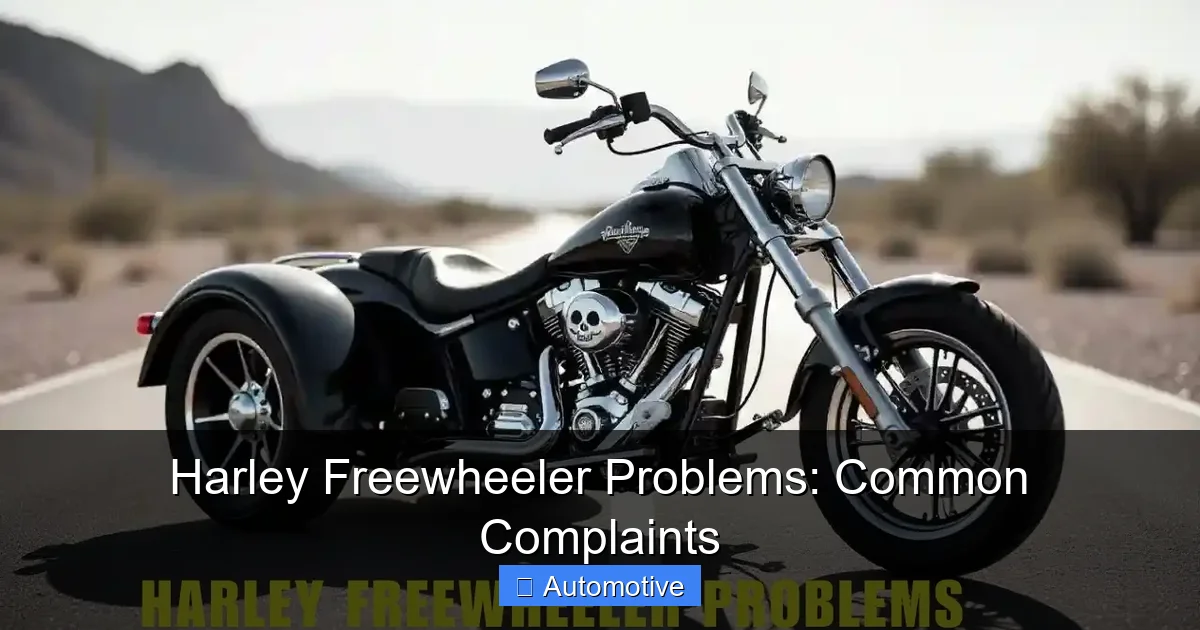
Harley Freewheeler Problems: Common Complaints

Contents
- 1 Key Takeaways
- 2 📑 Table of Contents
- 3 Introduction: The Allure and Reality of the Harley Freewheeler
- 4 Transmission and Clutch Problems: Shifting Gears on Shaky Ground
- 5 Electrical System Glitches: When the Lights Don’t Stay On
- 6 Suspension and Handling: The Trike Trade-Off
- 7 Brake System Concerns: Stopping Power Under Scrutiny
- 8 Engine Overheating: The Heat Challenge
- 9 Fit and Finish Issues: The Quality Control Question
- 10 Conclusion: Riding Smart with the Freewheeler
- 11 Frequently Asked Questions

Windshield Washer Fluid

Car MP3 Player

Car USB Charger

Car Shampoo Concentrate
The Harley-Davidson Freewheeler is a stylish, powerful trike loved for its low-slung design and touring comfort—but it’s not without its issues. From transmission troubles to electrical glitches, many owners report recurring problems that can affect performance and safety. Understanding these common complaints helps you make informed decisions and keep your ride in top shape.
Key Takeaways
- Transmission and clutch issues are frequent: Many Freewheeler owners report hard shifting, slipping clutches, and premature wear, especially in early model years.
- Electrical system glitches are common: Problems with the CAN bus system, flickering lights, and faulty sensors can lead to unexpected shutdowns or warning lights.
- Suspension and handling complaints: The rear suspension can feel stiff or bouncy, and the trike’s weight affects cornering and braking performance.
- Brake system concerns: Some riders experience spongy brakes, uneven wear, or premature pad degradation due to the trike’s unique braking setup.
- Engine overheating in stop-and-go traffic: The air-cooled Milwaukee-Eight engine can struggle with heat management during long idling or slow rides.
- Fit and finish inconsistencies: Paint flaws, loose trim, and poor assembly quality have been reported, especially in earlier production runs.
- Regular maintenance is critical: Staying on top of fluid changes, belt inspections, and electrical checks can prevent many of these problems.
📑 Table of Contents
- Introduction: The Allure and Reality of the Harley Freewheeler
- Transmission and Clutch Problems: Shifting Gears on Shaky Ground
- Electrical System Glitches: When the Lights Don’t Stay On
- Suspension and Handling: The Trike Trade-Off
- Brake System Concerns: Stopping Power Under Scrutiny
- Engine Overheating: The Heat Challenge
- Fit and Finish Issues: The Quality Control Question
- Conclusion: Riding Smart with the Freewheeler
Introduction: The Allure and Reality of the Harley Freewheeler
The Harley-Davidson Freewheeler has carved out a unique space in the motorcycle world. As part of Harley’s three-wheeled trike lineup, it blends the classic cruiser aesthetic with modern touring capabilities. With its low center of gravity, powerful Milwaukee-Eight engine, and relaxed riding position, the Freewheeler appeals to riders who want stability, comfort, and that unmistakable Harley rumble—without the balance challenges of a traditional two-wheeler.
But like any complex machine, the Freewheeler isn’t perfect. While it delivers on style and presence, many owners have come forward with complaints about recurring mechanical and electrical issues. These problems don’t necessarily mean the Freewheeler is a bad bike—far from it. But they do highlight areas where potential buyers and current owners should stay informed and proactive. Whether you’re considering a purchase or already own one, understanding these common Harley Freewheeler problems can save you time, money, and frustration down the road.
Transmission and Clutch Problems: Shifting Gears on Shaky Ground

Visual guide about Harley Freewheeler Problems: Common Complaints
Image source: motorbikeinsider.com
One of the most frequently reported issues among Harley Freewheeler owners revolves around the transmission and clutch system. The Freewheeler uses a six-speed transmission paired with a wet clutch, which is generally reliable—but not immune to trouble. Many riders, especially those with 2015–2018 models, have reported hard shifting, clutch slippage, and premature wear.
Hard Shifting and Gear Grinding
Hard shifting is a common complaint, particularly when downshifting or shifting from neutral into first gear. Some owners describe a “clunk” or resistance when engaging gears, which can be both annoying and potentially damaging over time. This issue is often attributed to poor clutch adjustment, worn shift forks, or low transmission fluid levels.
For example, a 2016 Freewheeler owner from Ohio reported that his trike would often refuse to go into first gear unless he revved the engine slightly. After a visit to the dealership, technicians found that the clutch cable needed adjustment and the transmission fluid was below the recommended level. A simple fix—but one that shouldn’t be necessary on a brand-new trike.
Clutch Slippage Under Load
Clutch slippage is another red flag. Riders have noted that the engine revs increase without a corresponding increase in speed, especially when accelerating from a stop or climbing hills. This can be dangerous, particularly in traffic or on inclines, where sudden loss of power can lead to stalling or rollback.
In some cases, the problem stems from a contaminated clutch pack—oil or debris getting into the clutch plates—causing them to lose grip. In others, it’s simply a matter of the clutch wearing out faster than expected. Harley recommends inspecting the clutch every 10,000 miles, but many owners report issues well before that mark.
Preventive Tips for Transmission Health
To avoid transmission and clutch problems, regular maintenance is key. Always check your transmission fluid level and condition during oil changes. Use only Harley-approved fluids, as generic alternatives can cause compatibility issues. If you notice hard shifting or slipping, don’t ignore it—have it inspected by a certified technician. Early intervention can prevent costly repairs down the line.
Electrical System Glitches: When the Lights Don’t Stay On
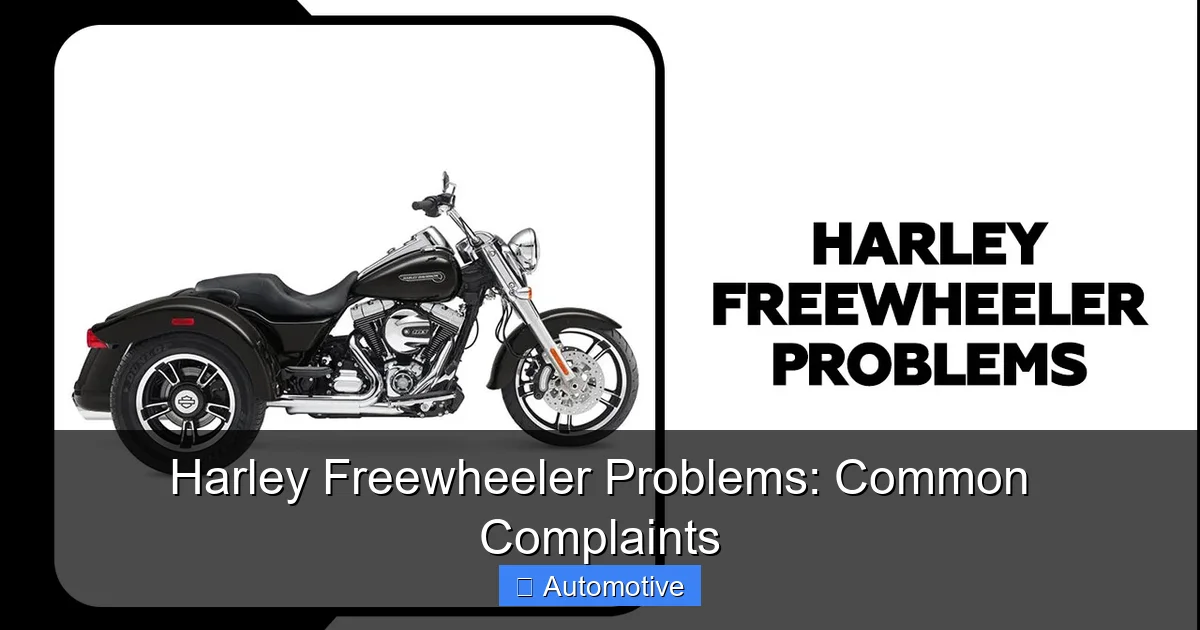
Visual guide about Harley Freewheeler Problems: Common Complaints
Image source: motorbikeinsider.com
Modern Harleys, including the Freewheeler, rely heavily on complex electrical systems. The CAN (Controller Area Network) bus system manages everything from engine performance to lighting and instrumentation. While this technology enables advanced features, it also introduces new points of failure.
CAN Bus Communication Errors
One of the most frustrating electrical issues is the CAN bus error. This can cause the dashboard to go blank, warning lights to flash randomly, or even prevent the engine from starting. Some riders report that their Freewheeler would suddenly shut off while riding, only to restart after a few minutes.
These errors are often caused by faulty sensors, loose wiring harnesses, or software glitches. For instance, a 2017 Freewheeler owner in Florida experienced repeated shutdowns during highway rides. After multiple dealership visits, the issue was traced to a defective crankshaft position sensor. Replacing the sensor resolved the problem—but only after weeks of troubleshooting.
Flickering Lights and Battery Drain
Flickering headlights, turn signals, or instrument lights are another common complaint. This can be due to poor grounding, corroded connectors, or a failing voltage regulator. In some cases, aftermarket accessories—like heated grips or phone chargers—can overload the electrical system if not properly installed.
Battery drain is also a concern, especially for riders who don’t use their trike daily. The Freewheeler’s electrical system draws power even when the key is off, and a weak or aging battery can die unexpectedly. Many owners recommend using a battery tender during long periods of inactivity.
How to Diagnose and Fix Electrical Issues
If you suspect an electrical problem, start with the basics: check the battery voltage, inspect wiring for damage, and ensure all connections are tight. Use a diagnostic tool compatible with Harley’s Digital Technician software to read error codes. If the issue persists, consult a Harley-certified mechanic—DIY fixes can sometimes make things worse.
Suspension and Handling: The Trike Trade-Off

Visual guide about Harley Freewheeler Problems: Common Complaints
Image source: motorbikeinsider.com
The Freewheeler’s three-wheel design offers stability and confidence, especially for new riders or those with balance concerns. But it also introduces unique handling characteristics that can be a double-edged sword.
Stiff or Bouncy Rear Suspension
One of the most common complaints is the rear suspension’s ride quality. The Freewheeler uses a single shock absorber on the rear axle, which some riders find too stiff or too soft, depending on load and road conditions. On rough pavement, the ride can feel harsh, while on smooth highways, it may seem overly bouncy.
This issue is often exacerbated by improper preload settings. The rear shock has an adjustable preload collar, but many owners never touch it—or don’t know how to adjust it correctly. For example, a rider carrying a passenger or luggage may need to increase preload to prevent bottoming out, while a solo rider might prefer a softer setting for comfort.
Cornering and Braking Challenges
Cornering on a trike is fundamentally different from a motorcycle. The Freewheeler’s wide rear track provides stability, but it also means the trike leans less and turns wider. Some riders find this disconcerting, especially when navigating tight turns or parking lots.
Braking performance is another area of concern. The Freewheeler uses a linked braking system—applying the front brake also activates the rear brakes. While this improves stopping power, it can also lead to uneven brake wear or a spongy feel if the system isn’t properly bled.
Improving Ride Quality and Control
To enhance suspension performance, consider upgrading to an aftermarket shock absorber with adjustable damping. Brands like Progressive Suspension and Öhlins offer trike-specific options that can dramatically improve ride comfort.
For better handling, practice slow-speed maneuvers in an empty parking lot. Learn how the trike responds to steering input and weight shifts. And always ensure your tires are properly inflated and in good condition—tire pressure has a huge impact on trike stability.
Brake System Concerns: Stopping Power Under Scrutiny
Brakes are critical on any vehicle, but especially on a heavy trike like the Freewheeler. With a curb weight often exceeding 900 pounds, the braking system must work hard to bring the trike to a safe stop.
Spongy or Soft Brake Pedal
A spongy brake pedal is a common complaint. This can be caused by air in the brake lines, worn brake pads, or a failing master cylinder. Some riders report that the pedal feels “mushy” even after multiple brake bleeds.
In one case, a 2018 Freewheeler owner in Texas noticed that his brakes felt less responsive after a long ride. A mechanic found that the brake fluid was contaminated with moisture, reducing its boiling point and effectiveness. Flushing the system and replacing the fluid resolved the issue.
Uneven Brake Wear and Noise
Uneven wear on the brake pads is another issue. Because the Freewheeler’s rear brakes are linked to the front, they may wear faster or slower depending on riding style and road conditions. Some riders also report squealing or grinding noises, which can indicate worn pads or warped rotors.
Maintaining Safe Braking Performance
To keep your brakes in top shape, inspect the pads and rotors regularly. Replace pads when they reach the wear indicator, and have the system bled every 2–3 years or if you notice a change in pedal feel. Avoid riding with the parking brake engaged for long periods, as this can cause the rear brakes to drag and overheat.
Engine Overheating: The Heat Challenge
The Harley Freewheeler is powered by the Milwaukee-Eight engine, an air-cooled V-twin known for its torque and reliability. But like all air-cooled engines, it’s prone to overheating in certain conditions.
Overheating in Stop-and-Go Traffic
The most common scenario for overheating is stop-and-go traffic or long periods of idling. Without sufficient airflow, the engine can’t dissipate heat effectively, leading to elevated temperatures. Some riders report the temperature gauge climbing into the red zone during summer commutes.
This isn’t necessarily a sign of a major problem—air-cooled engines are designed to run hot—but sustained high temperatures can cause oil breakdown, engine damage, or even seizure.
Cooling Modifications and Tips
To combat overheating, consider installing engine guards with cooling fins or aftermarket oil coolers. These can help lower operating temperatures, especially in hot climates. Also, avoid prolonged idling and use synthetic oil, which handles heat better than conventional oil.
If your Freewheeler overheats frequently, have the cooling system inspected. Check the oil level and condition, and ensure the engine isn’t running too lean (a common issue with aftermarket exhausts or air filters).
Fit and Finish Issues: The Quality Control Question
While the Freewheeler is built to high standards, some owners have reported inconsistencies in fit and finish. These issues are more common in earlier model years but can still occur.
Paint Flaws and Scratches
Paint problems include thin spots, orange peel texture, and premature chipping. Some riders have noticed scratches or scuffs on new trikes straight from the dealership. While cosmetic, these flaws can affect resale value and overall satisfaction.
Loose Trim and Assembly Gaps
Loose fairings, misaligned panels, and uneven gaps between body parts are also reported. In one case, a 2015 Freewheeler owner found that the left-side saddlebag wouldn’t latch properly due to a misaligned hinge. A dealership adjustment fixed it, but the issue shouldn’t have occurred in the first place.
Addressing Quality Concerns
If you notice fit or finish issues, document them with photos and contact your dealer immediately. Harley’s warranty typically covers manufacturing defects, so don’t hesitate to request repairs. For older models, aftermarket solutions or DIY fixes may be necessary.
Conclusion: Riding Smart with the Freewheeler
The Harley-Davidson Freewheeler is a remarkable machine—offering stability, style, and the classic Harley experience in a three-wheeled package. But like any vehicle, it comes with its share of challenges. From transmission troubles to electrical glitches, suspension quirks, and brake concerns, these common problems are well-documented by real riders.
The good news? Most of these issues are manageable with proper maintenance, timely repairs, and a proactive mindset. Regular inspections, using quality parts, and staying informed can go a long way in keeping your Freewheeler running smoothly.
If you’re considering buying a Freewheeler, do your homework. Read owner forums, check service records, and take a test ride. And if you already own one, don’t ignore warning signs—early intervention can prevent small problems from becoming big ones.
At the end of the day, the Freewheeler is more than just a trike. It’s a statement, a lifestyle, and for many, a lifelong passion. With the right care, it can deliver years of reliable, enjoyable rides.
Frequently Asked Questions
Are Harley Freewheeler problems common?
Yes, certain issues like transmission problems, electrical glitches, and brake concerns are frequently reported by owners. However, many of these can be prevented or fixed with proper maintenance.
What year Freewheeler has the most problems?
Early models, particularly from 2015 to 2018, have the most reported issues, including clutch wear, CAN bus errors, and fit-and-finish flaws. Later models have seen improvements in reliability.
Can I fix Freewheeler electrical problems myself?
Some basic issues like loose connections or battery maintenance can be handled at home. However, complex CAN bus or sensor problems should be diagnosed by a certified Harley technician.
How often should I service my Harley Freewheeler?
Harley recommends service every 5,000 miles or annually, whichever comes first. This includes oil changes, brake inspections, and belt checks. More frequent checks are advised for heavy use.
Is the Freewheeler safe to ride despite these problems?
Yes, when properly maintained, the Freewheeler is a safe and stable trike. Most reported issues are mechanical or electrical and don’t compromise structural safety if addressed promptly.
Should I avoid buying a used Harley Freewheeler?
Not necessarily. A used Freewheeler can be a great value if it has a clean service history and no major issues. Always get a pre-purchase inspection by a qualified mechanic.