Harley 6-speed Transmission Problems

Contents


Harley-Davidson’s 6-speed transmission has improved performance and fuel efficiency, but it’s not without issues. From gear slippage to shifting problems, understanding these common problems helps riders maintain their bikes and avoid costly repairs.
Key Takeaways
- Common Symptoms: Difficulty shifting, grinding noises, and clutch slippage are early warning signs of 6-speed transmission trouble.
- Design Flaws: Some models suffer from weak shift forks and gear dogs, leading to premature wear and failure.
- Maintenance Matters: Regular fluid changes and proper clutch adjustment can prevent many transmission issues.
- Aftermarket Upgrades: Reinforced shift forks and improved gear sets can enhance durability and performance.
- Professional Diagnosis: Persistent problems should be checked by a certified Harley mechanic to avoid further damage.
- Rider Habits Impact Longevity: Smooth shifting and avoiding aggressive downshifting extend transmission life.
- Model-Specific Concerns: Certain years and models, like the 2006–2010 Touring bikes, are more prone to transmission problems.
📑 Table of Contents
Understanding the Harley 6-Speed Transmission
When Harley-Davidson introduced the 6-speed transmission in the early 2000s, it marked a significant upgrade for touring riders. The addition of a sixth gear improved highway cruising, reduced engine RPMs, and boosted fuel efficiency. Models like the Electra Glide, Road King, and Street Glide quickly adopted this new gearbox, making long-distance rides more comfortable and efficient.
But like any mechanical system, the 6-speed transmission isn’t perfect. While it brought benefits, it also introduced new challenges. Over the years, riders and mechanics have reported a range of issues—from minor shifting quirks to complete transmission failures. Understanding how this transmission works and what can go wrong is key to keeping your Harley running smoothly.
The 6-speed transmission uses a constant-mesh design, meaning all gears are always engaged. A shift drum and shift forks move the gears into place when you change speeds. This system is reliable when maintained properly, but it’s sensitive to wear, improper fluid, and rider technique. The transmission also relies on a wet clutch system, which shares oil with the gearbox—making fluid quality critical.
How the 6-Speed Transmission Works
At its core, the Harley 6-speed transmission is a manually operated, sequential gearbox. When you pull the clutch and tap the shifter, a shift fork moves a gear along the mainshaft or countershaft, engaging it with its mating gear. The sixth gear is an overdrive ratio, meaning it turns the output shaft faster than the input shaft—perfect for highway speeds.
The shift mechanism is controlled by a cam plate and detent system that ensures precise gear engagement. Each gear has “dogs” or locking lugs that mesh with corresponding slots on adjacent gears. If these dogs wear down or break, the gear can slip or fail to engage properly. This is one of the most common causes of transmission problems in Harley 6-speed models.
Why the 6-Speed Was a Game Changer
Before the 6-speed, Harley touring bikes used a 5-speed transmission. While functional, it limited top-end efficiency. The sixth gear reduced engine strain at highway speeds, lowered fuel consumption, and decreased noise. Riders could cruise at 70–80 mph with the engine humming at a relaxed 2,500–3,000 RPM instead of screaming at 4,000+.
This improvement was especially welcome on cross-country trips. Less engine vibration meant less rider fatigue. Plus, the smoother power delivery made the bike feel more refined. However, the added complexity of the sixth gear and associated components also introduced new failure points—something Harley engineers and riders are still learning to manage.
Common Harley 6-Speed Transmission Problems
Despite its advantages, the Harley 6-speed transmission has developed a reputation for certain recurring issues. These problems don’t affect every bike, but they’re common enough that Harley owners should be aware of them. Recognizing the symptoms early can save you from a roadside breakdown or a costly rebuild.
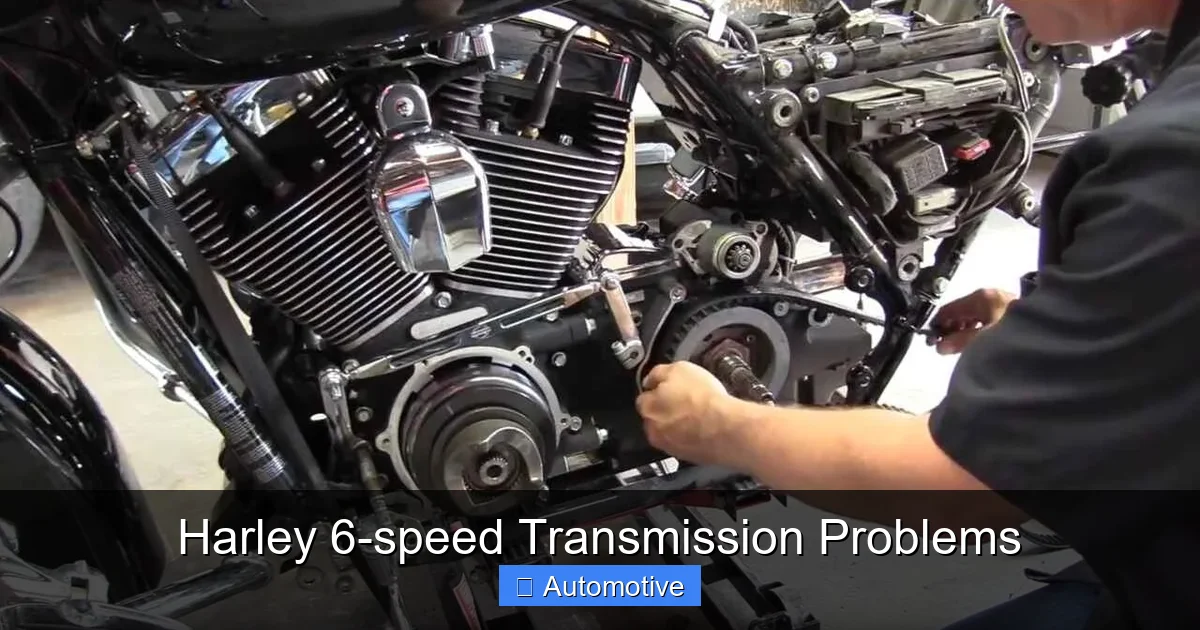
Visual guide about Harley 6-speed Transmission Problems
Image source: motorbikeinsider.com
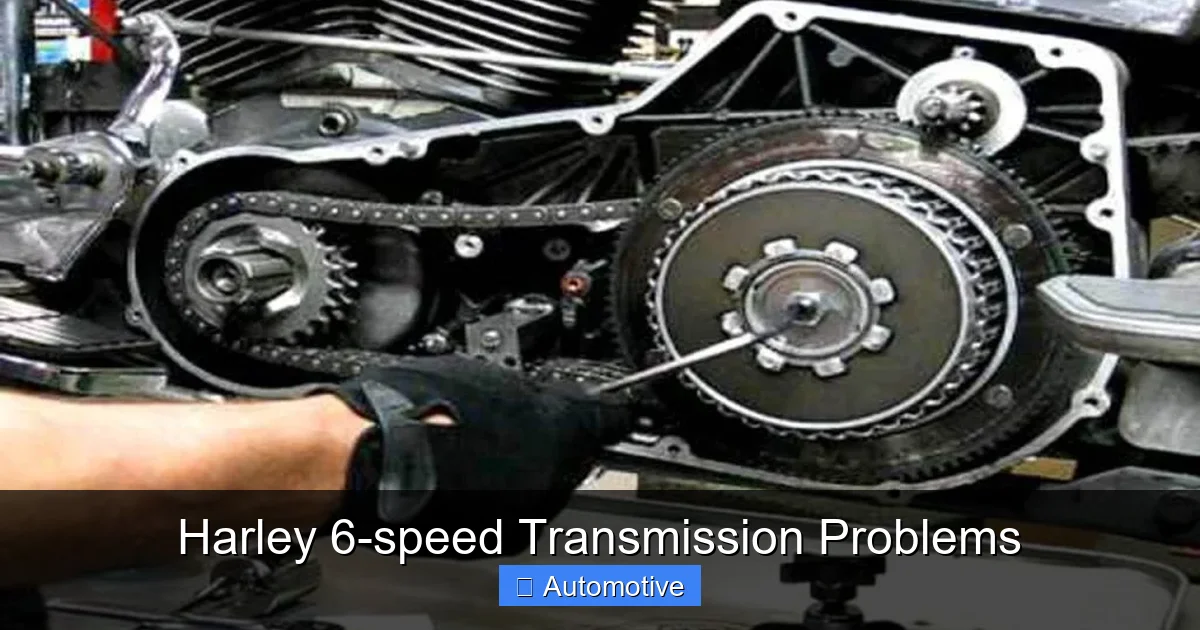
The most frequent complaints include hard shifting, gear slippage, grinding noises, and difficulty finding neutral. In severe cases, the transmission may lock up or fail to engage any gear. While some issues are due to normal wear, others stem from design flaws or poor maintenance. Let’s break down the most common problems and what causes them.
Hard or Notchy Shifting
One of the most reported issues is hard shifting—especially when going into first gear or downshifting. Riders often describe it as “notchy” or “clunky,” requiring extra force to engage the gear. This problem is usually worse when the bike is cold or after long rides.
The primary cause is often clutch adjustment. If the clutch isn’t fully disengaging, the gears remain partially meshed, making it hard to shift. This can happen if the clutch cable is too tight or the hydraulic system (on newer models) has air in the line. Another culprit is worn shift forks. Over time, the forks that move the gears can bend or wear, preventing smooth engagement.
For example, a 2008 Road King owner might notice that shifting into first gear from a stop requires a firm stomp. After checking the clutch adjustment and finding it correct, a mechanic might discover a slightly bent shift fork. Replacing the fork—or upgrading to a reinforced aftermarket version—can restore smooth shifting.
Gear Slippage or Jumping Out of Gear
Gear slippage happens when the transmission unexpectedly pops out of gear, especially under load or during acceleration. This is not only annoying—it’s dangerous. Imagine cruising down the highway in sixth gear when the bike suddenly drops into fifth or neutral without warning.
This issue is often linked to worn gear dogs or damaged shift forks. The dogs are the small metal tabs that lock gears in place. If they’re chipped or rounded, the gear can disengage under stress. In some cases, the problem is due to a weak detent spring that doesn’t hold the shift drum in position.
A classic example is a 2010 Street Glide that jumps out of sixth gear on long highway runs. The rider might assume it’s a clutch issue, but a teardown reveals worn sixth-gear dogs. Replacing the gear set or installing a stronger detent mechanism can solve the problem. Some riders also report improvement after switching to a higher-quality transmission oil.
Grinding Noises During Shifts
Grinding when shifting is a red flag. It means the gears aren’t meshing smoothly, often because the clutch isn’t fully disengaging or the transmission is low on fluid. In severe cases, it can indicate damaged synchronizers—though Harley’s 6-speed doesn’t use traditional synchros like a car, the principle is similar.
Grinding is most common when downshifting or shifting into first gear. It can also occur if the rider “rides the clutch” or shifts too aggressively. Over time, this wears down gear teeth and shift components. In some cases, the noise is due to a failing input shaft bearing, which allows the gears to wobble and grind against each other.
For instance, a rider might hear a metallic grinding when slowing down and shifting into second. A quick check reveals low transmission fluid. Topping it off with the correct Harley-specific oil (like Syn3 or a high-quality 20W-50 synthetic) often resolves the issue. If the noise persists, a bearing or gear inspection is needed.
Difficulty Finding Neutral
Many Harley riders complain about struggling to find neutral, especially when stopped at a light. The bike may feel like it’s still in gear, or the neutral light won’t come on. This is frustrating and can make stopping in traffic a chore.
The usual cause is misalignment in the shift drum or worn detent notches. The detent system uses spring-loaded balls to “click” the shift drum into the correct position for each gear. If the notches are worn or the spring is weak, the drum may not seat properly in neutral.
Another factor is clutch drag—when the clutch doesn’t fully disengage, making it hard to shift into neutral. This can be due to a warped clutch plate, incorrect cable adjustment, or contaminated fluid. A simple adjustment or fluid change often fixes the problem. In older bikes, replacing the detent spring and balls can restore positive neutral engagement.
Transmission Fluid Leaks
Leaks around the transmission case are another common issue. The 6-speed transmission shares oil with the primary drive and clutch, so any leak affects multiple systems. Common leak points include the transmission cover gasket, shift shaft seal, and output shaft seal.
A leaking transmission not only loses fluid but can also allow dirt and moisture to enter, accelerating wear. Over time, low fluid levels lead to overheating, poor lubrication, and component failure. Riders might notice oil spots under the bike or a burning smell after long rides.
For example, a 2007 Electra Glide might develop a slow leak from the shift shaft seal. The rider notices a drop in fluid level and a greasy buildup around the transmission. Replacing the seal and gasket, then refilling with fresh oil, usually solves the problem. Using a high-quality sealant during reassembly can prevent future leaks.
Causes and Contributing Factors
While the symptoms of Harley 6-speed transmission problems are clear, the root causes are often a mix of design, maintenance, and usage. Understanding these factors helps riders prevent issues before they start. It’s not just about fixing problems—it’s about avoiding them altogether.
Visual guide about Harley 6-speed Transmission Problems
Image source: motorbikeinsider.com
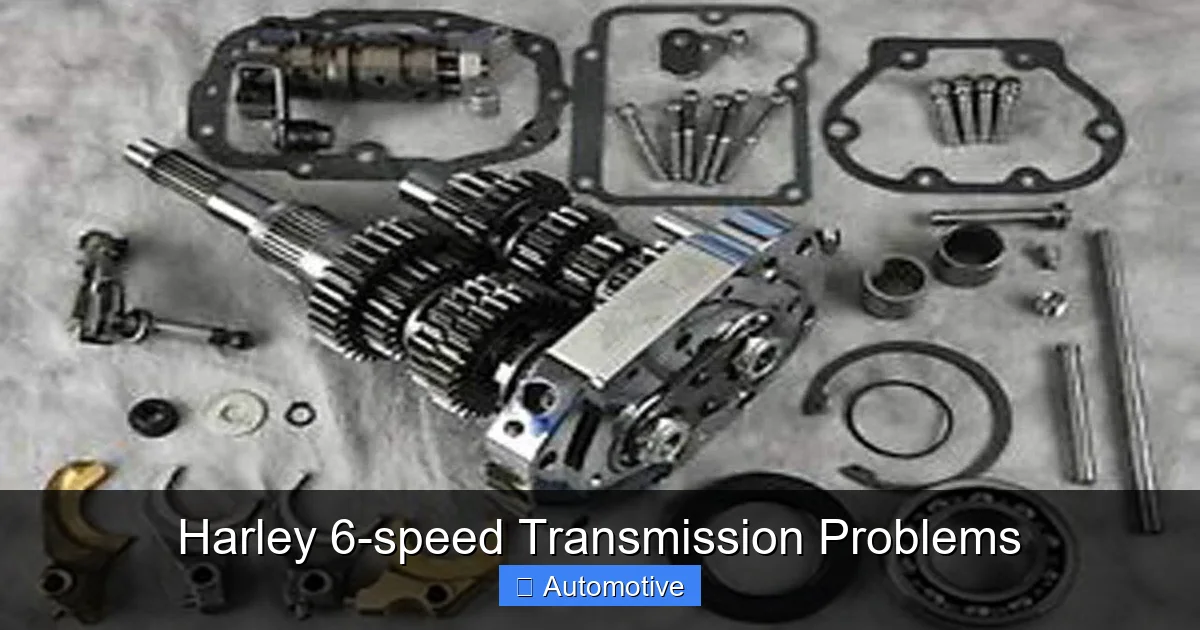
One major factor is the transmission’s design. Harley’s 6-speed was introduced during a time of rapid innovation, and some early versions had weaknesses. For example, the shift forks in pre-2010 models were made of softer steel and prone to bending. Similarly, gear dogs on certain gears were too small or poorly heat-treated, leading to premature wear.
Another contributor is maintenance habits. The transmission relies on clean, high-quality oil to lubricate gears, bearings, and the clutch. Using the wrong type of oil—or going too long between changes—can cause sludge buildup, overheating, and wear. Harley recommends changing the transmission fluid every 10,000 to 20,000 miles, depending on riding conditions.
Poor Maintenance Practices
Neglecting regular maintenance is one of the biggest causes of transmission problems. Many riders treat their Harley like a car—assuming it can go years without service. But motorcycles, especially heavy touring bikes, endure more stress and require more frequent attention.
For example, using automotive oil in a Harley transmission is a common mistake. Car oils often contain additives that can damage the wet clutch, causing slippage or failure. Harley-specific oils like Syn3 or Red Line V-Twin are formulated to protect both the transmission and clutch.
Another issue is infrequent fluid changes. Over time, transmission oil breaks down, loses viscosity, and collects metal particles. This accelerates wear on gears and bearings. A simple fluid change every 10,000 miles can add years to your transmission’s life.
Rider Technique and Habits
How you ride your Harley has a direct impact on transmission longevity. Aggressive shifting, riding the clutch, and abrupt downshifting put extra stress on components. For example, “speed shifting” (shifting without using the clutch) might sound cool, but it wears out gear dogs and shift forks quickly.
Similarly, downshifting from sixth to second at high speed can shock the transmission. The sudden load can damage gear teeth or bend shift forks. Smooth, deliberate shifts—especially when slowing down—help preserve the transmission.
One rider might downshift one gear at a time, rev-matching as they slow. Another might slam through the gears to save time. The first rider’s transmission will likely last much longer. Developing good shifting habits is one of the easiest ways to prevent problems.
Environmental and Usage Factors
Where and how you ride also matters. Bikes used for long highway trips face different stresses than those used for city commuting. Highway riding puts more load on the transmission, especially in overdrive. City riding, with frequent stops and starts, increases clutch and gear wear.
Extreme temperatures also play a role. Cold weather thickens transmission oil, making shifting harder. Hot weather can cause oil to break down faster. Riders in cold climates should consider using a lighter oil in winter, while those in hot areas may need more frequent changes.
For example, a rider in Arizona might notice their transmission runs hotter and shifts rougher in summer. Switching to a high-performance synthetic oil with better heat resistance can help. Similarly, a rider in Minnesota might use a 10W-40 oil in winter instead of 20W-50 to improve cold-weather shifting.
Diagnosing Transmission Issues
When your Harley starts acting up, it’s important to diagnose the problem correctly. Misdiagnosis can lead to unnecessary repairs or missed issues. Start with the basics: check the clutch, fluid level, and shifting technique. Many transmission problems are actually clutch or adjustment issues in disguise.
Visual guide about Harley 6-speed Transmission Problems
Image source: motorbikeinsider.com
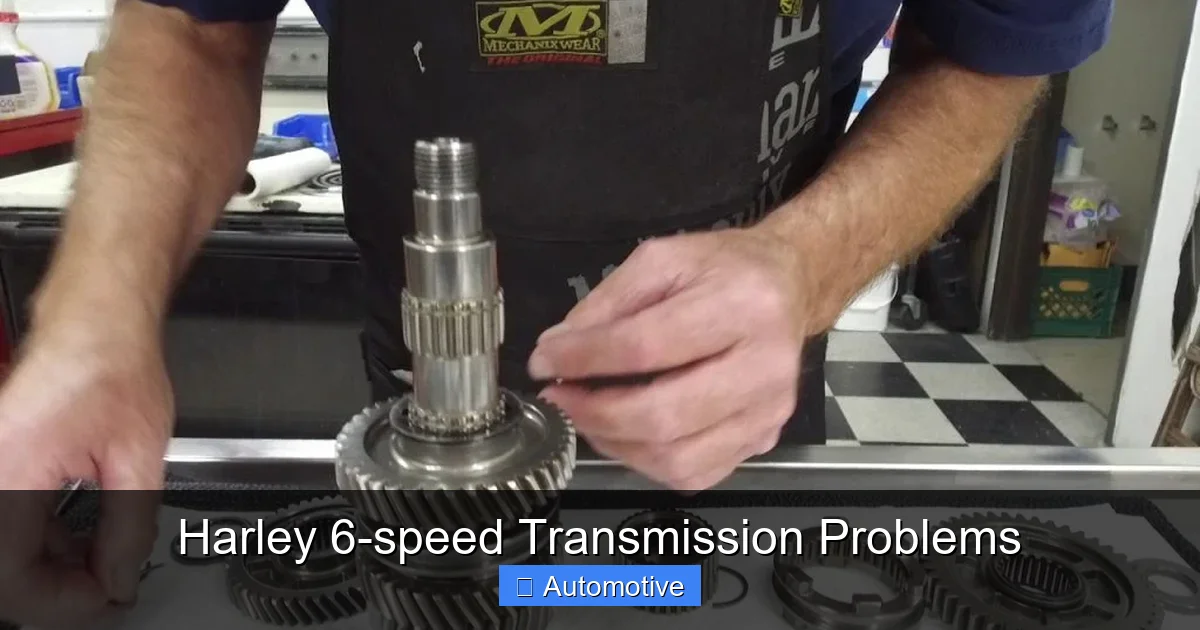
The first step is a visual inspection. Look for leaks, loose bolts, or damaged shift linkage. Check the clutch cable or hydraulic system for proper adjustment. If the clutch isn’t disengaging fully, shifting will be difficult regardless of the transmission’s condition.
Next, check the transmission fluid. Locate the fill plug (usually on the left side of the transmission) and remove it. The oil should be clean and at the correct level. If it’s low, top it off. If it’s dirty or smells burnt, a fluid change is needed. Metal shavings in the oil are a serious warning sign—indicating internal wear.
Listening for Clues
Your ears are a powerful diagnostic tool. Pay attention to noises during shifting. A clunk when shifting into gear might indicate a loose component. A whine could point to a failing bearing. Grinding suggests gear or clutch problems.
For example, a high-pitched whine in neutral that disappears when the clutch is pulled likely points to an input shaft bearing. A loud clunk when shifting into first could mean a worn shift fork or gear dog. These sounds help narrow down the issue before opening the transmission.
Test Riding and Shifting Patterns
Take the bike for a short test ride to observe shifting behavior. Note when the problem occurs—cold, hot, under load, or at certain speeds. Does it happen only when shifting into a specific gear? That can help identify which component is failing.
If the bike shifts fine when cold but gets worse as it warms up, it might be a fluid or clutch issue. If it only grinds when downshifting, the problem could be related to the clutch or shift drum. Documenting these patterns helps your mechanic diagnose the issue faster.
When to See a Mechanic
If basic checks don’t resolve the issue, it’s time to visit a certified Harley mechanic. Transmission work requires special tools and expertise. Attempting a DIY rebuild without experience can lead to further damage or safety risks.
A professional can perform a pressure test, inspect internal components, and recommend repairs or upgrades. They may also have access to technical service bulletins (TSBs) from Harley that address known issues in specific models.
Prevention and Maintenance Tips
The best way to deal with Harley 6-speed transmission problems is to prevent them. Regular maintenance and smart riding habits go a long way in keeping your transmission healthy. A little effort now can save you thousands in repairs later.
Start with a consistent maintenance schedule. Change the transmission fluid every 10,000 to 20,000 miles using Harley-approved oil. Inspect the clutch cable or hydraulic system for proper adjustment. Check for leaks and address them promptly.
Fluid Changes: The Golden Rule
Transmission fluid is the lifeblood of your gearbox. Clean oil reduces friction, prevents overheating, and protects against wear. Use only oils recommended by Harley, such as Syn3, Red Line V-Twin, or Amsoil Synthetic V-Twin. Avoid automotive oils or multi-viscosity oils not designed for wet clutches.
When changing the fluid, replace the drain plug gasket to prevent leaks. Warm the bike before draining to ensure all old oil flows out. Fill to the correct level—overfilling can cause foaming and poor lubrication.
Clutch Adjustment and Care
A properly adjusted clutch is essential for smooth shifting. Check the clutch cable free play (usually 1/4 to 1/2 inch) or hydraulic system for air bubbles. Adjust as needed. Replace worn clutch plates if slippage occurs.
Avoid riding the clutch or “feathering” it at stops. This generates heat and wears out components. Use the clutch only when shifting or coming to a complete stop.
Upgrades and Reinforcements
For riders who want extra durability, consider aftermarket upgrades. Reinforced shift forks, stronger gear sets, and improved detent systems are available from companies like Baker Drivetrain, T-Man, and RevTech. These parts are designed to handle higher torque and reduce wear.
For example, a Baker 6-speed upgrade kit includes hardened shift forks and improved gear dogs. It’s a popular choice for high-mileage bikes or those used for heavy touring. While not cheap, it can add years of reliable service.
Rider Education and Technique
Finally, educate yourself on proper shifting techniques. Practice smooth, deliberate shifts. Downshift gradually, matching engine speed to road speed. Avoid aggressive shifting or “power shifting” unless you’re on a track.
Consider taking a riding course or watching instructional videos. Many transmission problems stem from poor technique, not mechanical failure. A little training can make a big difference.
Conclusion
The Harley 6-speed transmission is a solid piece of engineering that has improved the riding experience for thousands of touring enthusiasts. But like any complex system, it’s not immune to problems. From hard shifting to gear slippage, the issues are well-documented—and often preventable.
By understanding the common problems, maintaining your bike properly, and riding with care, you can enjoy a smooth, reliable transmission for years. Don’t wait for a breakdown to take action. Regular fluid changes, clutch adjustments, and attention to symptoms can keep your Harley running strong.
And if problems do arise, don’t panic. Many are fixable with the right knowledge and tools. Whether you’re a DIY enthusiast or prefer to leave it to the pros, staying informed is your best defense against transmission troubles. Your Harley deserves the best care—so give it the attention it needs to keep rolling down the highway.
Frequently Asked Questions
What are the most common Harley 6-speed transmission problems?
The most common issues include hard shifting, gear slippage, grinding noises, difficulty finding neutral, and fluid leaks. These problems are often caused by worn components, poor maintenance, or improper riding techniques.
Why does my Harley transmission grind when shifting?
Grinding usually means the clutch isn’t fully disengaging or the transmission is low on fluid. It can also indicate worn gear dogs or damaged shift forks. Check the clutch adjustment and fluid level first.
How often should I change the transmission fluid on my Harley?
Harley recommends changing the transmission fluid every 10,000 to 20,000 miles, depending on riding conditions. Use only Harley-approved oils like Syn3 or high-quality synthetic V-twin oils.
Can I fix a slipping transmission myself?
Minor issues like clutch adjustment or fluid top-offs can be done at home. However, internal problems like worn gears or shift forks require professional diagnosis and repair. Attempting a DIY rebuild without experience can cause further damage.
Are certain Harley models more prone to transmission problems?
Yes, models from 2006 to 2010—especially Touring bikes like the Electra Glide and Street Glide—are more likely to experience issues due to early design flaws in shift forks and gear dogs. Later models have improved components.
What upgrades can improve my Harley’s transmission durability?
Aftermarket upgrades like reinforced shift forks, stronger gear sets, and improved detent systems from brands like Baker Drivetrain or T-Man can enhance durability. These are ideal for high-mileage or heavy-use bikes.