
Firestone vs Michelin: Which Tire Brand Is Actually Better?

As a former tire shop manager, I have mounted thousands of tires. I know how rubber holds up on real roads. If you want the absolute best grip and a smooth ride, Michelin wins hands down.
But if you want a great daily tire that saves you money, Firestone is the smart pick. Both of these tire brands make great products. They just serve very different drivers and budgets.
We will break down exactly how they compare on the road. You will know exactly which rubber to buy.
Quick Brand Overview and Spec Comparison
It helps to look at the raw facts first. This chart shows a high-level view of how both brands stack up.
| Feature | Firestone | Michelin |
| Price Range | Low to Medium | High |
| Tread Life | Good | Excellent |
| Warranty | 40k to 70k miles | 50k to 80k miles |
| Best For | Daily drivers on a budget | Premium comfort and safety |
As you can see, Michelin costs more but offers longer warranties. Firestone gives you a lower upfront price for solid daily use.
Brand Reputation and Market Positioning
Michelin is known as a premium, top-tier tire maker. People buy them when they want the absolute best safety and comfort. They focus heavily on high-tech rubber blends.
Firestone aims squarely at the middle of the market. They make tough, reliable tires for everyday people. They offer great value without the luxury price tag.
“A Michelin tire is an investment in a quiet ride, while a Firestone tire keeps your wallet happy without sacrificing safety.”
Comparing the Overall Tire Lineups
Both brands offer a wide range of tires for cars and trucks. But they each shine in very different areas of the market. Let us look closely at their main tire styles.
What Firestone Brings to the Table
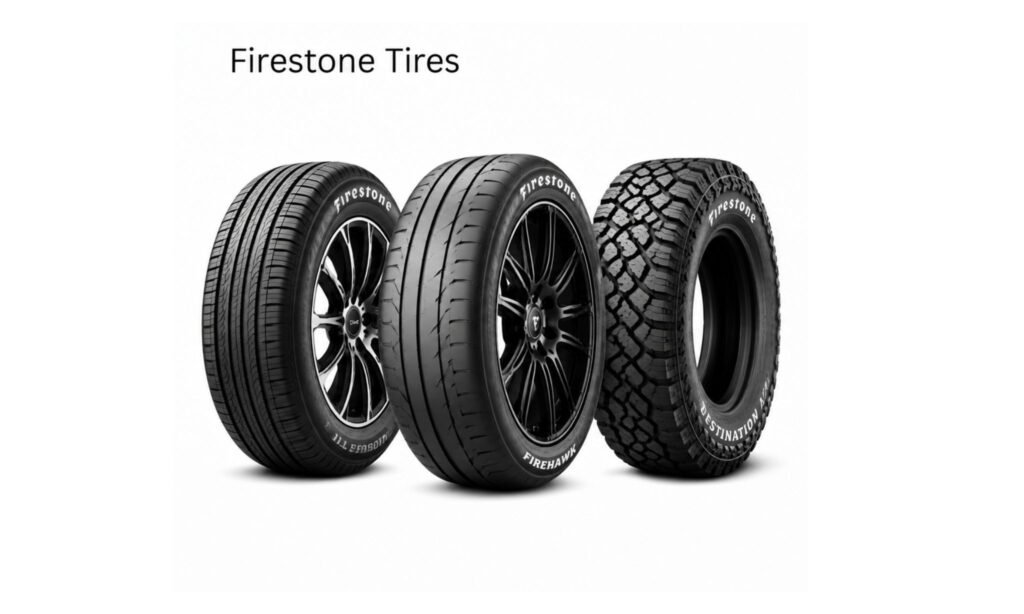
Firestone builds a lot of great truck and SUV tires. Their Destination line is a huge hit for daily driving. They also make the Firehawk line for sports cars.
What Michelin Brings to the Table
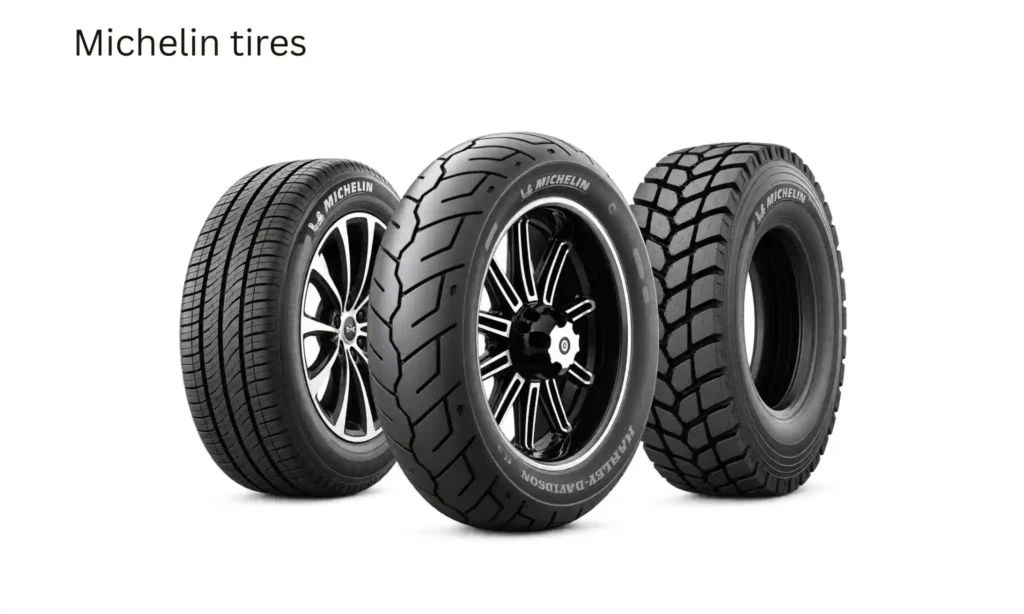
Michelin makes a tire for almost every car. The Defender line is legendary for long tread life. Their Pilot Sport line is the top choice for fast cars.
Who Should Avoid Each Brand
Skip Michelin if you are on a very tight budget. You will pay a lot just for the name. Skip Firestone if you drive a luxury car and want zero road noise.
Dry Performance Across Popular Models
Dry roads test how well a tire grips the pavement. A good tire will stop fast and turn sharp. We can see a big difference between these two brands here.
| Dry Road Trait | Firestone Rating | Michelin Rating |
| Fast Stops | 8 out of 10 | 10 out of 10 |
| Sharp Turns | 7 out of 10 | 9 out of 10 |
| Highway Speed | 8 out of 10 | 10 out of 10 |
Michelin stops much faster on dry summer asphalt because of soft rubber. Firestone still stops well, but takes a few extra feet. When I drove the Michelin Pilot Sport, it gripped corners like glue. The difference in dry traction is very clear.
Wet Performance and Hydroplaning Tech
Hydroplaning happens when tires float on top of puddles. This is very dangerous in heavy rain. Good tires have deep grooves to push water away.
How Firestone Handles Rain
Firestone uses smart tread blocks to clear water fast. The grooves shoot water out the sides. This keeps the tire on the road in bad storms.
How Michelin Handles Rain
Michelin is the king of wet roads. They use special rubber that stays soft when wet. This means their tires stop much shorter in a storm.
The Clear Winner in the Rain
Michelin wins the wet weather test easily. Their water-clearing tech is just unmatched. You feel much safer driving in heavy rain with them.
Winter Performance and Snow Capabilities
Winter driving is hard on any tire. Cold rubber gets hard and loses its grip. Let us see how they handle snow and ice.
| Snow Condition | Firestone | Michelin |
| Light Flurries | Good | Great |
| Deep Snow | Fair | Excellent |
| Black Ice | Fair | Very Good |
Michelin offers the CrossClimate 2, which is amazing in snow and bites into slush. Firestone has the WeatherGrip, which is good but not as strong. If you face heavy snow, Michelin is the safer bet to stop on black ice.
Comfort, Road Noise, and Ride Quality
Noise, Vibration, and Harshness is how much you feel the road. A stiff tire makes you feel every bump. A soft tire rides like a cloud. Let us compare the ride quality.
Firestone Ride Comfort
Firestone tires are fairly smooth. They absorb most small bumps well. However, you might hear a slight hum on the highway at high speeds.
Michelin Ride Comfort
Michelin is famous for a quiet, soft ride. They use special bands inside the tire to block noise. You barely feel the potholes in the road.
When I mounted Michelin tires on my own family car, the cabin went silent. The stiff sidewalls on some Firestone tires just pass more bumps into the car.
Tread Life and Overall Rubber Durability
Tread life shows how long the rubber will last. The UTQG rating is a number stamped on the side of the tire. A higher number means the rubber lasts longer.
| Tire Model | Wear Rating | Mileage Warranty |
| Firestone LE3 | 700 | 70,000 miles |
| Michelin Defender 2 | 820 | 80,000 miles |
| Firestone Firehawk | 340 | None |
| Michelin Pilot Sport | 300 | 30,000 miles |
Michelin tires consistently last longer than Firestone on the road. The Defender line can easily reach 80,000 miles with regular rotations. You will replace Firestone tires more often, but the lower cost helps the math.
Proprietary Tire Technology Explained
Tire makers use fancy words to sell rubber. Let us break down what those terms actually mean for your daily drive. Siping is one term you will see a lot.
Michelin Siping Tech
Siping means cutting tiny slits into the tread blocks. These slits open up to bite into snow and wet roads. Michelin cuts these slits all the way down to the base.
Firestone Rubber Tech
Firestone uses a strong inner steel belt. This belt keeps the tire shape flat on the highway. A flat shape means the tire wears evenly over time.
Comparing Warranties and Customer Guarantees
A good warranty protects you if the tire wears out too fast. Both brands offer solid coverage, but the details matter. They both fix clear factory defects.
| Warranty Type | Firestone | Michelin |
| Treadwear Limit | Up to 70k miles | Up to 80k miles |
| Workmanship | 5 years | 6 years |
| Trial Period | 90 days | 60 days |
Michelin offers a longer defect warranty by a full year. Firestone gives you a longer test drive period to see if you like them. This 90-day guarantee is great for unsure buyers.
“Always keep your rotation receipts. A tire warranty means nothing if you cannot prove you rotated your tires on time.”
Price and Overall Value Breakdown
Price is often the biggest factor for drivers. Upfront cost is easy to see. But the cost over time is what really matters most for your budget.
| Cost Factor | Firestone | Michelin |
| Average Price | $120 to $180 | $180 to $280 |
| Lifetime Value | Good | Excellent |
| Cost Per Mile | Very Low | Low |
| Replacement Rate | Medium | Low |
Firestone tires are much cheaper to buy today and save you money upfront. Michelin tires cost more, but they last much longer. If you drive a lot of miles each year, Michelin is the better long-term value.
The Absolute Best Tire From Each Brand
It is hard to pick just one winner from each brand. But some tires just stand out above the rest. These are the top sellers for a very good reason.
Firestone Destination LE3
This is Firestone’s best tire for small SUVs and trucks. It rides smooth and lasts a good while. It is the perfect daily driver for a fair price.
Michelin CrossClimate 2
This tire is a total game changer for all weather. It has a cool V-shape tread that cuts through deep snow. It grips like a snow tire but works all year.
Once I tested the CrossClimate 2 in a heavy storm, I was stunned. It stopped perfectly on slick pavement. It is truly the best tire Michelin makes right now.
Which Tire Brand Is Better for Your Needs?
Choosing between Firestone vs Michelin comes down to your wallet and your car. You have to ask yourself what you care about most on the road.
| Driver Type | Best Brand Choice | Main Reason Why |
| Budget Shopper | Firestone | Lower upfront cost |
| Long Commuter | Michelin | Longer lasting rubber |
| Sports Car Driver | Michelin | Better fast cornering |
| City Driver | Firestone | Good for short trips |
If you want the absolute safest ride for your family, buy Michelin. The shorter stopping distance can literally save your life. If you just need a round, black tire that works well, Firestone gets the job done right.
Final Verdict: Firestone vs Michelin
Michelin is the overall winner in this matchup. They simply make a better, safer, and longer-lasting tire. Their wet grip and snow traction are just unbeatable.
But Firestone is still a fantastic choice for budget buyers. They offer great value and solid daily performance. You cannot go wrong with either one.