Emergency Jump Starter
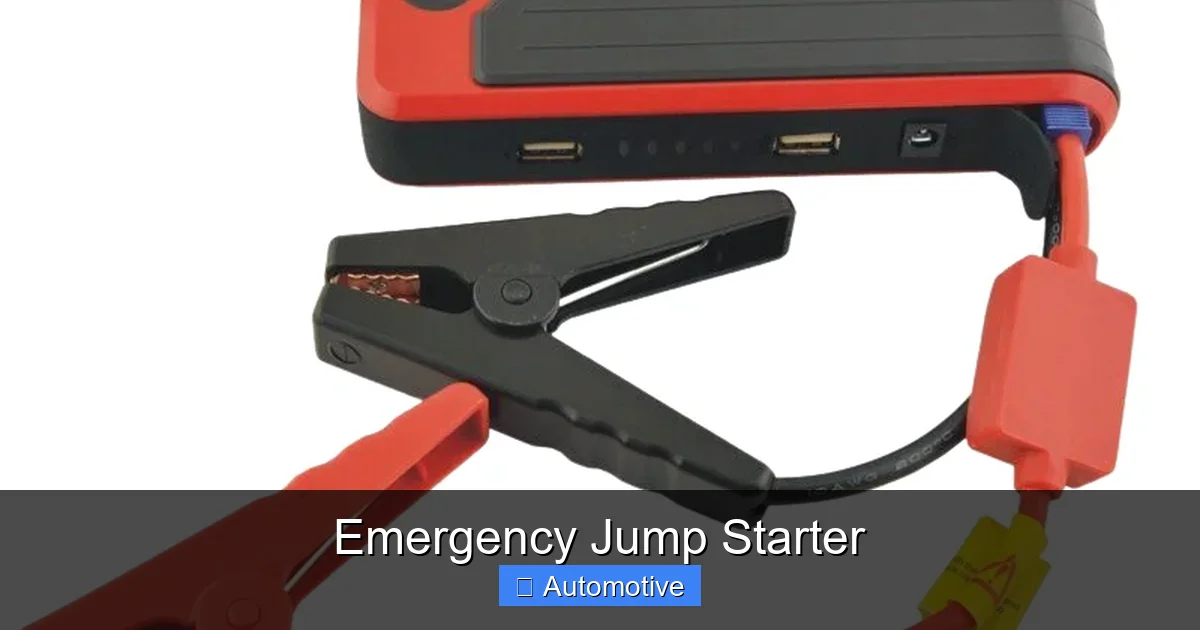
An emergency jump starter is a portable device that revives dead car batteries without another vehicle. It’s a lifesaving tool for stranded drivers, offering safety, convenience, and peace of mind—especially in cold weather or remote areas.
In This Article
- 1 Key Takeaways
- 2 📑 Table of Contents
- 3 What Is an Emergency Jump Starter?
- 4 How Does an Emergency Jump Starter Work?
- 5 Why Every Driver Needs an Emergency Jump Starter
- 6 Features to Look for in a Quality Emergency Jump Starter
- 7 Top Brands and Models to Consider
- 8 Maintenance and Care Tips
- 9 Conclusion
- 10 Frequently Asked Questions
- 10.1 Can an emergency jump starter damage my car?
- 10.2 How long does it take to charge an emergency jump starter?
- 10.3 Can I use a jump starter in the rain or snow?
- 10.4 How many times can a jump starter revive a dead battery?
- 10.5 Do I need to turn off the jump starter after use?
- 10.6 Can I use a jump starter to charge my phone?
Key Takeaways
- No second vehicle needed: Unlike traditional jumper cables, an emergency jump starter works independently, making it ideal for solo drivers or remote locations.
- <>Built-in safety features: Modern jump starters include reverse polarity protection, spark-proof technology, and short-circuit prevention to protect you and your vehicle.
- Multi-functional power banks: Most models double as USB chargers for phones, tablets, and other devices, adding everyday utility beyond roadside emergencies.
- Compact and portable: Lightweight and easy to store in your glove compartment or trunk, they’re designed for quick access when you need them most.
- Works in extreme temperatures: High-quality jump starters perform reliably in both freezing cold and hot summer conditions.
- Easy to use: With clear instructions and color-coded clamps, even first-time users can safely jump-start a car in minutes.
- Cost-effective insurance: A one-time purchase prevents costly tow truck fees and reduces dependency on roadside assistance services.
📑 Table of Contents
What Is an Emergency Jump Starter?
Imagine you’re running late for work, you hop in your car, turn the key—and nothing happens. The dashboard lights flicker weakly, the engine won’t crank, and your heart sinks. You’ve got a dead battery. Now picture this: instead of calling a friend, waiting for roadside assistance, or flagging down a stranger with jumper cables, you reach into your glove box, pull out a small, handheld device, clip it to your battery terminals, and—voilà—your engine roars back to life. That’s the magic of an emergency jump starter.
An emergency jump starter is a portable, battery-powered device designed to deliver a powerful burst of energy directly to your vehicle’s dead battery, allowing you to restart your engine without needing another car. Think of it as a personal roadside rescue kit that fits in your pocket. These devices have become increasingly popular over the past decade, thanks to advancements in lithium-ion battery technology, improved safety features, and growing awareness among drivers about the importance of being self-reliant on the road.
Unlike traditional jumper cables—which require a second vehicle with a working battery—emergency jump starters are completely self-contained. They store electrical energy in an internal battery and release it through heavy-duty clamps when needed. This makes them especially valuable for solo drivers, commuters, road trippers, and anyone who frequently drives in areas with limited help nearby. Whether you’re stuck in a parking garage at midnight or stranded on a rural highway during a snowstorm, having an emergency jump starter can mean the difference between a minor inconvenience and a major crisis.
How Does an Emergency Jump Starter Work?
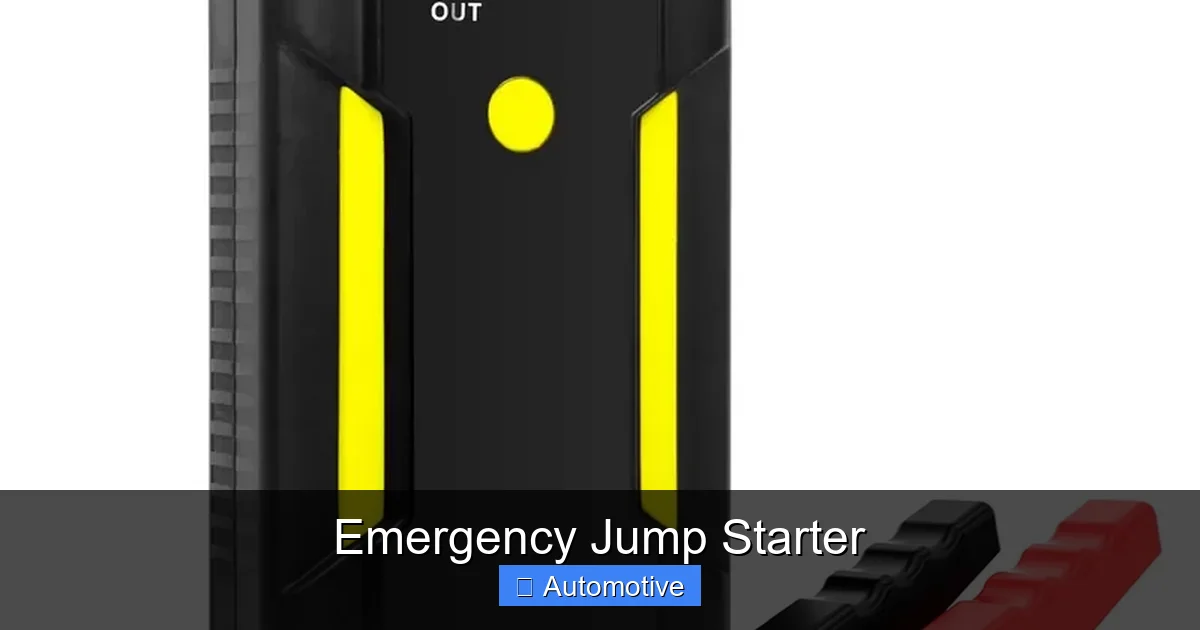
Visual guide about Emergency Jump Starter
Image source: jumpstarterpacks.com
At its core, an emergency jump starter works much like a traditional jump-start—but without the need for another vehicle. It uses a high-capacity internal battery (usually lithium-ion or lithium-polymer) to deliver a surge of current directly to your car’s dead battery. When you connect the jump starter’s clamps to your vehicle’s battery terminals (positive to positive, negative to negative), it sends enough power to crank the engine and get it running again.
The process is surprisingly simple. Most modern jump starters come with clear instructions and color-coded clamps—red for positive (+), black for negative (–)—to minimize confusion. Once connected, you simply press a button or flip a switch to activate the device. Many models also feature built-in LED indicators that show the charge level, so you always know if it’s ready to use. Some even have digital displays that provide real-time voltage readings or error messages if something goes wrong.
One of the biggest advantages of using an emergency jump starter is speed. While waiting for a tow truck can take anywhere from 30 minutes to several hours—especially during peak times or bad weather—a jump starter can get you back on the road in under five minutes. And because it’s portable, you can use it anywhere: in your driveway, at the airport, on a hiking trail, or even in your RV.
Key Components of a Jump Starter
To understand how these devices work, it helps to know what’s inside them. Most emergency jump starters include the following components:
- Internal Battery: This is the heart of the device. High-quality models use lithium-ion batteries because they’re lightweight, rechargeable, and capable of holding a charge for months. Some premium units even use lithium iron phosphate (LiFePO4) batteries, which offer longer lifespans and better performance in extreme temperatures.
- Clamps and Cables: Heavy-duty copper clamps connect the jump starter to your car’s battery terminals. The cables are usually thick and insulated to handle high currents safely.
- Control Circuitry: This manages the flow of electricity and includes safety features like reverse polarity protection, overload protection, and short-circuit prevention.
- LED Flashlight: Many jump starters include a bright LED light, which is incredibly useful during nighttime emergencies or when working in dimly lit areas.
- USB Ports and DC Outlets: These allow the device to double as a power bank for charging phones, tablets, laptops, or even small appliances like air compressors.
- Display Screen (on advanced models): Shows battery level, voltage output, and error codes to help users troubleshoot issues.
Step-by-Step: How to Use an Emergency Jump Starter
Using an emergency jump starter is easier than you might think. Here’s a simple guide:
- Turn off the vehicle and all electronics. Make sure the ignition, lights, radio, and air conditioning are all switched off to prevent power surges.
- Locate the battery. Open the hood and find your car’s battery. If you’re unsure where it is, check your owner’s manual—some vehicles have batteries in the trunk or under the rear seat.
- Check the jump starter’s charge. Most devices have an indicator light or display. If it’s low, plug it into a wall outlet or car charger to recharge before use.
- Connect the clamps. Attach the red clamp to the positive (+) terminal and the black clamp to the negative (–) terminal. Ensure a secure connection—loose clamps can cause sparks or fail to deliver power.
- Activate the jump starter. Press the power button or switch. Some models require you to hold it for a few seconds.
- Start the engine. Turn the key in the ignition. If the engine doesn’t start immediately, wait 30 seconds and try again. Avoid cranking for more than 10 seconds at a time to prevent overheating.
- Disconnect and store. Once the engine is running, remove the clamps in reverse order (black first, then red). Turn off the jump starter and store it safely.
Always read the manufacturer’s instructions before first use—different models may have slight variations in operation.
Why Every Driver Needs an Emergency Jump Starter
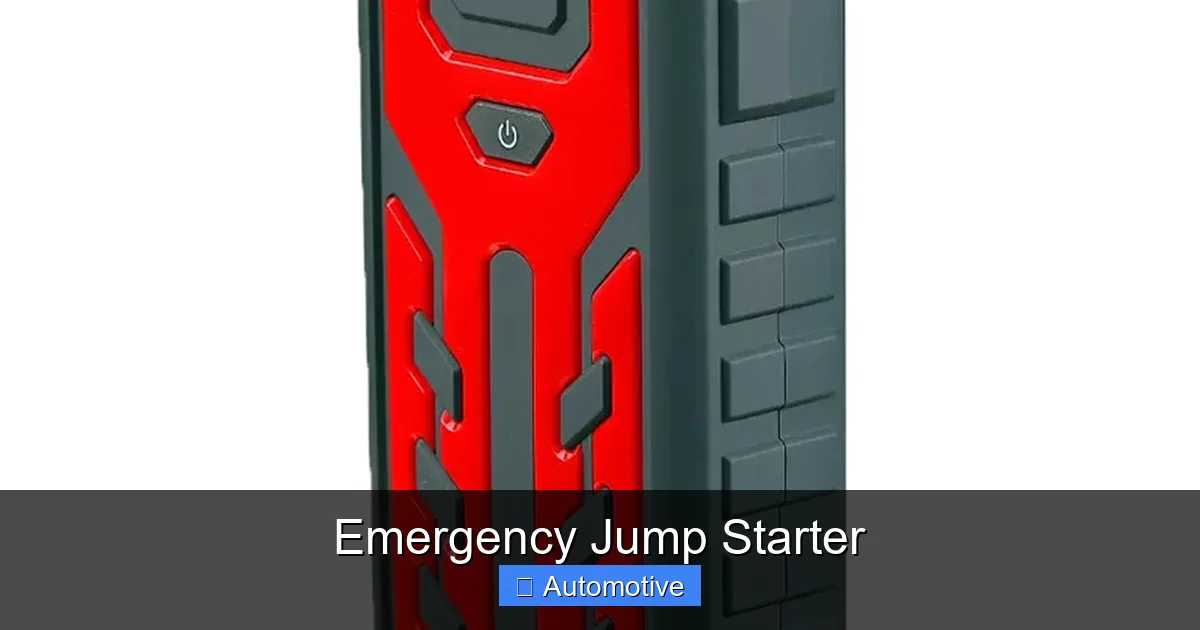
Visual guide about Emergency Jump Starter
Image source: media.takealot.com
You might be thinking, “I have roadside assistance—why do I need a jump starter?” That’s a fair question. But here’s the truth: roadside assistance isn’t instant. Depending on your location, traffic, and service provider, help could take anywhere from 30 minutes to over an hour to arrive. And if you’re in a remote area or during a holiday weekend, wait times can be even longer. An emergency jump starter puts the power back in your hands—literally.
But convenience is just one benefit. Safety is another major reason to own one. Traditional jumper cables require you to park two cars close together, which can be risky on busy roads or in poor weather. You also have to rely on a stranger’s help, which isn’t always safe or comfortable—especially for solo female drivers or those traveling alone at night. With a jump starter, you stay in control, stay safe, and get back on the road quickly.
Then there’s the cost factor. A quality emergency jump starter typically costs between $50 and $150—a small price to pay compared to the average $100–$200 tow truck fee. Over time, that one purchase can save you hundreds of dollars. Plus, many jump starters last for years with proper care, making them a smart long-term investment.
Real-Life Scenarios Where a Jump Starter Saves the Day
Let’s look at a few real-world examples:
- Winter Morning Commute: It’s -10°F outside, and your car won’t start. Your battery is drained from the cold. Instead of waiting in the freezing car for a tow, you use your jump starter, get the engine running in minutes, and drive to work warm and on time.
- Road Trip Breakdown: You’re 200 miles from home, parked at a rest stop in the middle of nowhere. Your phone is dead, and there’s no cell service. Your jump starter not only revives your car but also charges your phone so you can call for directions or help.
- Parking Garage Mishap: You leave your lights on overnight in a multi-level parking structure. No one else is around to help. With your jump starter in the glove box, you’re back on the road in under five minutes—no awkward requests for help from strangers.
- RV or Camper Emergency: You’re camping in a national park, and your RV battery dies. Your jump starter powers up the engine so you can drive to the nearest service station without missing your reservation.
These aren’t just hypotheticals—they’re common situations that happen to drivers every day. And in each case, an emergency jump starter turns a stressful situation into a quick fix.
Features to Look for in a Quality Emergency Jump Starter
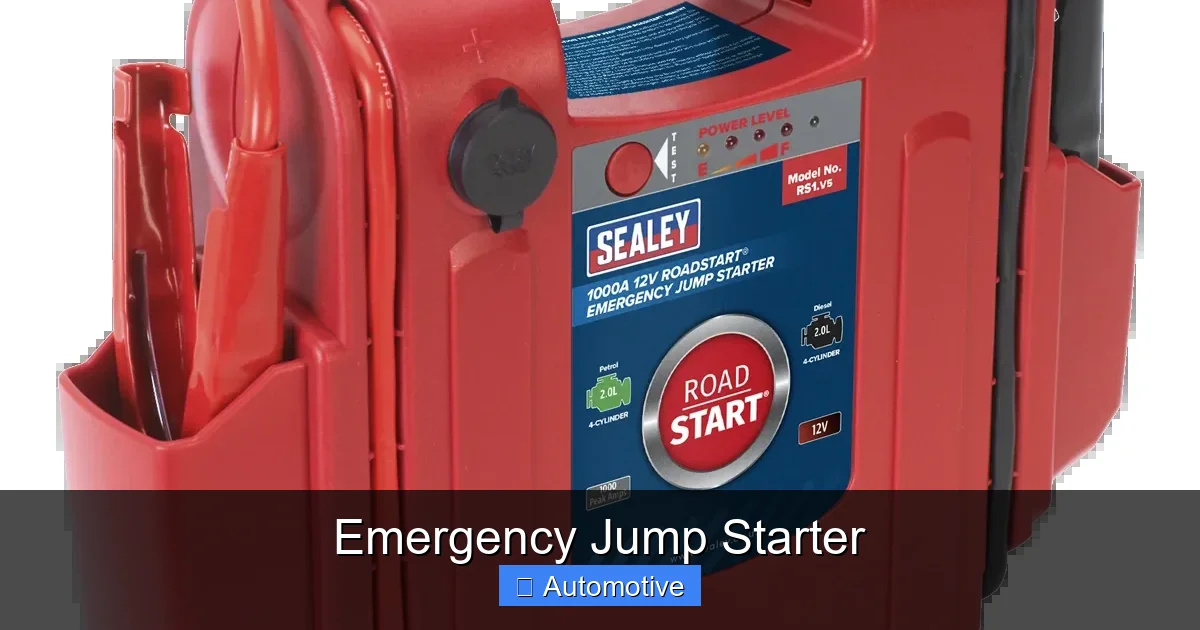
Visual guide about Emergency Jump Starter
Image source: huttie.com
Not all jump starters are created equal. With so many options on the market, it’s important to know what to look for. Here are the key features that separate a reliable device from a dud:
Battery Capacity and Peak Amps
The most important specs to check are battery capacity (measured in milliampere-hours, or mAh) and peak amperage (measured in amps). Capacity determines how many times the device can jump-start a vehicle before needing a recharge. For most cars, a jump starter with 10,000–20,000 mAh is sufficient. Trucks, SUVs, and diesel engines may require higher capacity—look for models rated at 30,000 mAh or more.
Peak amps refer to the maximum current the device can deliver in a short burst. A higher peak amp rating means more power to crank larger engines. For compact cars, 400–600 peak amps are usually enough. For full-size trucks or diesel engines, aim for 1000+ peak amps.
Safety Features
Safety should be your top priority. Look for these essential protections:
- Reverse Polarity Protection: Prevents damage if you accidentally connect the clamps backward.
- Spark-Proof Technology: Reduces the risk of sparks when connecting or disconnecting clamps.
- Overcurrent and Short-Circuit Protection: Automatically shuts off power if a fault is detected.
- Overcharge and Overdischarge Protection: Extends battery life and prevents damage from improper charging.
- Temperature Control: Some models have built-in sensors that prevent operation in extreme heat or cold.
These features not only protect your vehicle but also reduce the risk of injury during use.
Portability and Design
A good jump starter should be lightweight and easy to carry. Most models weigh between 1 and 3 pounds and fit comfortably in a glove box, center console, or trunk. Look for ergonomic handles, compact designs, and durable casing that can withstand drops or rough handling.
Additional Functions
Many modern jump starters go beyond just jump-starting. Consider models with:
- USB Charging Ports: Charge smartphones, tablets, or GPS devices.
- 12V DC Output: Power car accessories like air compressors, coolers, or vacuum cleaners.
- LED Flashlight with SOS Mode: Useful for emergencies, camping, or nighttime repairs.
- Digital Display: Shows battery level, voltage, and error messages.
- Built-in Air Compressor: Some high-end models include a tire inflator for flat tires.
These extras turn your jump starter into a multi-tool for road trips, camping, or everyday use.
Battery Type and Lifespan
Lithium-ion batteries are the most common and offer a good balance of power, weight, and cost. However, lithium iron phosphate (LiFePO4) batteries are more durable, last longer (up to 10 years), and perform better in extreme temperatures. They’re also safer and more environmentally friendly, though they tend to be more expensive.
Check the manufacturer’s rated cycle life—how many charge/discharge cycles the battery can handle before losing capacity. A good jump starter should last 500–1000 cycles or more.
Top Brands and Models to Consider
While we won’t endorse specific products, here are some well-known brands that consistently receive high ratings for performance, safety, and reliability:
- NOCO: Known for innovative designs, strong safety features, and user-friendly interfaces. Popular models include the NOCO Boost Plus and Boost HD.
- DBPower: Offers affordable, high-capacity jump starters with multi-function capabilities like air compressors and LED lights.
- GOOLOO: Provides a wide range of models for different vehicle types, with clear displays and robust build quality.
- Schumacher: A trusted name in automotive electronics, offering durable jump starters with reliable performance.
- Avapow: Known for compact designs and strong safety protections, ideal for everyday drivers.
When choosing a model, read customer reviews, check warranty terms (most offer 1–3 years), and compare specs based on your vehicle type and usage needs.
Maintenance and Care Tips
To keep your emergency jump starter in top condition, follow these simple maintenance tips:
- Recharge regularly: Even if you don’t use it, recharge the device every 3–6 months to maintain battery health.
- Store in a cool, dry place: Avoid extreme temperatures, direct sunlight, or humid environments like garages or trunks in summer.
- Keep clamps clean: Wipe the clamps with a dry cloth to prevent corrosion and ensure good contact.
- Inspect cables and casing: Look for cracks, fraying, or damage before each use.
- Follow charging instructions: Use only the charger provided or one recommended by the manufacturer to avoid overcharging.
- Test periodically: Every few months, turn on the device and check the flashlight and display to ensure it’s functioning.
With proper care, your jump starter can last for years and be ready when you need it most.
Conclusion
An emergency jump starter is more than just a gadget—it’s a smart, practical investment in your safety, independence, and peace of mind. Whether you’re a daily commuter, weekend adventurer, or long-haul traveler, this compact device can save you time, money, and stress when your car battery fails. With no need for another vehicle, built-in safety features, and multi-functional capabilities, it’s one of the most useful tools you can keep in your car.
Don’t wait until you’re stranded in the rain or stuck in a dark parking lot. Take control of your roadside emergencies today. Choose a reliable emergency jump starter that matches your vehicle and lifestyle, store it where you can easily reach it, and rest easy knowing you’re prepared for whatever the road throws your way.
Frequently Asked Questions
Can an emergency jump starter damage my car?
No, a quality emergency jump starter with proper safety features will not damage your vehicle. Modern units include protections like reverse polarity detection and spark-proof technology to prevent harm to your car’s electrical system.
How long does it take to charge an emergency jump starter?
Most jump starters take 3 to 6 hours to fully recharge using a standard wall outlet. Some fast-charging models can reach full capacity in under 2 hours. Always use the included charger for best results.
Can I use a jump starter in the rain or snow?
Yes, but with caution. While many jump starters are water-resistant, they are not fully waterproof. Avoid submerging the device or using it in heavy rain. Dry the clamps and terminals before connecting to prevent short circuits.
How many times can a jump starter revive a dead battery?
It depends on the model and battery size. A typical 10,000–15,000 mAh jump starter can jump-start a compact car 3 to 5 times on a full charge. Larger vehicles may only get 1–2 jumps per charge.
Do I need to turn off the jump starter after use?
Yes, always turn off the device after disconnecting the clamps. This conserves battery life and prevents accidental activation. Some models automatically shut off after a period of inactivity.
Can I use a jump starter to charge my phone?
Absolutely! Most emergency jump starters include USB ports specifically for charging phones, tablets, and other USB-powered devices. This makes them great for road trips, camping, or power outages.