Emergency Battery Booster
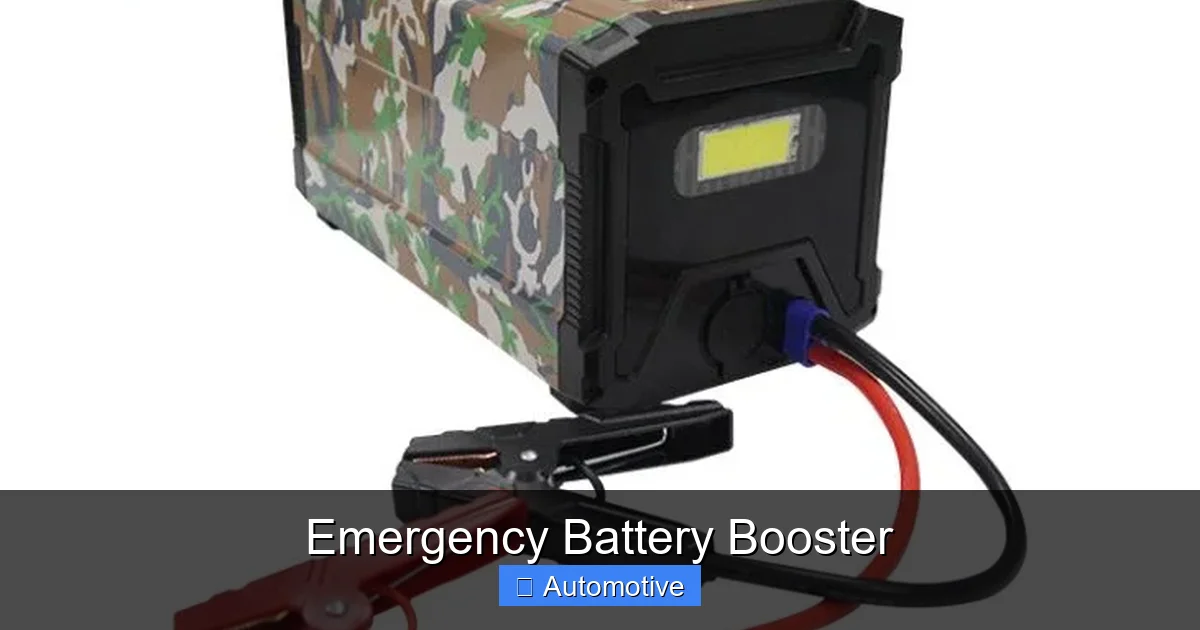
An emergency battery booster is a portable device that jump-starts your car when the battery dies, eliminating the need for another vehicle or jumper cables. Compact, safe, and easy to use, these boosters are a must-have for every driver, especially during cold weather or long trips.
In This Article
- 1 Key Takeaways
- 2 What Is an Emergency Battery Booster?
- 3 How Does an Emergency Battery Booster Work?
- 4 Why Every Driver Needs an Emergency Battery Booster
- 5 Choosing the Right Emergency Battery Booster
- 6 How to Use an Emergency Battery Booster Safely
- 7 Maintenance and Care Tips
- 8 Conclusion
- 9 FAQs
- 10 Key Takeaways
- 11 Frequently Asked Questions
Key Takeaways
- What It Is: An emergency battery booster is a compact, rechargeable power pack that delivers a high burst of energy to start a dead car battery.
- How It Works: It connects directly to your car’s battery terminals (or cigarette lighter) and provides enough power to crank the engine.
- Safety First: Modern boosters include built-in protection against reverse polarity, short circuits, overheating, and overcharging.
- Portability & Convenience: Most models are lightweight, fit in a glove box, and double as USB chargers for phones and other devices.
- No Second Vehicle Needed: Unlike traditional jump-starting, you don’t need another car or jumper cables—ideal for remote areas or solo drivers.
- Weather Resilience: Many boosters perform well in cold temperatures, making them reliable in winter months when batteries are most likely to fail.
- Maintenance Tips: Keep your booster charged, store it properly, and test it periodically to ensure it’s ready when you need it.
[FEATURED_IMAGE_PLACEHOLDER]
What Is an Emergency Battery Booster?
Imagine you’re running late for work, you hop into your car, turn the key—and nothing happens. The dashboard lights flicker weakly, the engine doesn’t turn over, and you realize your battery is dead. It’s a frustrating, all-too-common scenario that can leave you stranded. But what if you had a small device in your glove box that could get your car running in minutes—without needing another vehicle or calling for roadside assistance?
That’s exactly what an emergency battery booster does. Also known as a jump starter or portable car battery charger, this compact device stores electrical energy and delivers a powerful surge to your car’s dead battery, allowing the engine to start. Unlike traditional jumper cables, which require a second vehicle to provide power, an emergency battery booster is self-contained and rechargeable. It’s like having a personal roadside rescue team in a box.
These devices have evolved significantly over the past decade. Early versions were bulky, unreliable, and often unsafe. Today’s models are sleek, lightweight, and packed with smart technology. Many include USB ports for charging phones, LED flashlights for nighttime use, and digital displays that show battery level and connection status. Some even feature built-in air compressors to inflate tires—making them multi-functional emergency tools.
Whether you’re a daily commuter, a weekend road-tripper, or someone who lives in a rural area with limited help nearby, an emergency battery booster can be a lifesaver. It’s not just for older cars or weak batteries—modern vehicles with advanced electronics are actually more prone to battery drain from infotainment systems, GPS, and security features. Even a fully charged battery can die unexpectedly due to extreme temperatures, leaving lights on, or simply aging components.
In short, an emergency battery booster is a proactive solution to a common automotive problem. It gives you independence, peace of mind, and the confidence to drive anywhere, knowing you’re prepared for the unexpected.
How Does an Emergency Battery Booster Work?
At its core, an emergency battery booster works by storing electrical energy in an internal lithium-ion or lithium-polymer battery. When your car battery is dead, the booster delivers a high-current burst to the vehicle’s electrical system, mimicking the power that would normally come from a functioning battery. This surge allows the starter motor to turn over the engine, initiating the combustion process and getting your car running again.
The Science Behind the Jump
Car batteries typically operate at 12 volts and require a significant amount of current—often 200 to 600 amps—to start the engine. A dead battery can’t deliver this current, even if it still has some charge left. The emergency booster steps in by providing that missing power. Most modern boosters use high-capacity lithium batteries that can store enough energy to deliver multiple jump starts on a single charge.
The process is surprisingly simple. Once the booster is connected to your car’s battery terminals (or sometimes via the cigarette lighter), it detects the voltage and activates its internal circuitry. Smart boosters will only send power if the connection is correct and safe, preventing damage to your vehicle’s electronics. Within seconds, your engine should crank and start.
Connection Methods: Clamps vs. Cigarette Lighter
There are two primary ways to connect an emergency battery booster to your vehicle:
- Direct Terminal Connection: This method uses heavy-duty jumper cables with clamps that attach directly to the positive (+) and negative (-) terminals of your car battery. It’s the most reliable and powerful option, especially for larger engines or deeply discharged batteries. Most high-performance boosters use this method.
- Cigarette Lighter Port: Some boosters can deliver power through the car’s 12V accessory socket (formerly known as the cigarette lighter). This is convenient and requires no tools, but it’s less effective for severely dead batteries or cold weather starts. It’s best used as a backup or for mild battery drain.
For maximum effectiveness, always use the direct terminal connection when possible. Make sure the booster is fully charged and the cables are securely attached. Follow the manufacturer’s instructions carefully to avoid sparks or incorrect polarity.
Smart Features and Safety Mechanisms
Modern emergency battery boosters are far more than just power packs—they’re intelligent devices designed with safety and usability in mind. Many include advanced features such as:
- Reverse Polarity Protection: Alerts you (via LED or sound) if the clamps are connected incorrectly, preventing damage to the booster or your car.
- Short Circuit Protection: Automatically shuts off power if a short is detected, protecting both the device and your vehicle.
- Overcharge and Overheat Protection: Prevents the internal battery from overheating or overcharging during use or storage.
- Spark-Proof Technology: Ensures safe connections without dangerous sparks, even in damp or dusty conditions.
- Digital Displays: Show battery level, voltage, and connection status for real-time monitoring.
These features make today’s boosters much safer and easier to use than older models. You don’t need to be a mechanic to operate one—just follow the simple steps, and the device does the rest.
Why Every Driver Needs an Emergency Battery Booster
You might think, “I’ve never had a dead battery before—why do I need this?” But the truth is, battery failure can happen to anyone, anytime. And when it does, the consequences can range from mildly inconvenient to seriously dangerous. Let’s explore why owning an emergency battery booster isn’t just a smart idea—it’s essential.
Independence and Self-Reliance
One of the biggest advantages of an emergency battery booster is that it gives you independence. You don’t have to wait for a Good Samaritan to stop and help, call a tow truck, or rely on roadside assistance that might take hours to arrive. With a booster, you can get back on the road in minutes—on your own terms.
This is especially important if you live in a rural area, travel frequently, or drive alone. Imagine being stranded on a remote highway at night with no cell service. A booster could mean the difference between waiting in the cold for hours or driving home safely.
Cost Savings Over Time
While a quality emergency battery booster costs between $50 and $200, it can save you hundreds—or even thousands—in the long run. A single tow truck call can cost $75 to $150, and roadside assistance memberships often run $50 to $100 per year. If you use your booster just once, it pays for itself.
Plus, frequent jump-starts from another vehicle can strain your alternator and battery, potentially leading to costly repairs. Using a booster reduces wear and tear on your car’s electrical system, helping it last longer.
Safety in Emergencies
Dead batteries often fail at the worst possible times—during storms, late at night, or in unsafe neighborhoods. Being stranded increases your risk of accidents, theft, or exposure to extreme weather. An emergency battery booster helps you avoid these risks by getting your car moving quickly and safely.
Many boosters also include bright LED flashlights, which can be used for signaling, repairs, or visibility in dark conditions. Some even have SOS strobe modes for emergency situations.
Convenience for Modern Lifestyles
Today’s drivers rely heavily on their vehicles for work, family, and social activities. A dead battery can disrupt your entire schedule—missed meetings, late pickups, canceled plans. With a booster, you minimize downtime and keep your life on track.
And let’s not forget the convenience of multi-functionality. Many boosters double as power banks, letting you charge your phone, tablet, or GPS while on the go. Some even include built-in air compressors to inflate tires, making them perfect for road trips or outdoor adventures.
Peace of Mind for Families and Seniors
For parents, caregivers, or older drivers, knowing that help is always within reach is invaluable. An emergency battery booster provides peace of mind, especially for those who may not be comfortable handling traditional jumper cables or waiting alone for assistance.
It’s also a great gift idea for new drivers, college students, or elderly relatives. Giving someone a booster is like giving them confidence and security on the road.
Choosing the Right Emergency Battery Booster
Not all emergency battery boosters are created equal. With so many options on the market, it’s important to choose one that fits your needs, vehicle type, and budget. Here’s what to look for when shopping for the right booster.
Peak Amps and Cranking Power
The most important spec to consider is the booster’s peak amperage (measured in amps). This determines how much power it can deliver to start your engine. For most cars, SUVs, and light trucks, a booster with 400 to 1000 peak amps is sufficient. Larger vehicles like trucks or diesel engines may require 1000 to 2000+ amps.
Look for both peak amps (the maximum burst of power) and cranking amps (the sustained power delivered). A higher peak amp rating means better performance in cold weather or for deeply discharged batteries.
Battery Capacity and Type
The internal battery capacity (measured in milliampere-hours or mAh) affects how many jump starts the device can deliver on a single charge. A 10,000 to 20,000 mAh booster can typically jump-start a car 3 to 7 times before needing a recharge.
Most modern boosters use lithium-ion or lithium-polymer batteries, which are lightweight, rechargeable, and hold their charge well over time. Avoid older lead-acid models—they’re heavier, bulkier, and less efficient.
Portability and Size
Since you’ll likely store your booster in your car, size and weight matter. Look for a compact, lightweight model that fits easily in a glove box, trunk, or under a seat. Many top-rated boosters are about the size of a hardcover book and weigh less than 2 pounds.
Some models come with carrying cases or built-in handles for added convenience. If you plan to use it for camping or outdoor activities, consider a rugged, water-resistant design.
Safety Features
Always prioritize safety. Choose a booster with built-in protections like reverse polarity alerts, short circuit prevention, and spark-proof clamps. These features reduce the risk of damage to your vehicle or injury to yourself.
Look for certifications like UL, CE, or FCC, which indicate the device meets safety and performance standards.
Additional Features
Many boosters offer extra functions that enhance their usefulness:
- USB Charging Ports: Charge your phone, tablet, or other devices—great for emergencies or travel.
- LED Flashlight: Useful for nighttime repairs or signaling for help.
- Digital Display: Shows battery level, voltage, and connection status.
- Air Compressor: Inflates tires, sports equipment, or air mattresses.
- Fast Charging: Recharges the booster quickly via USB-C or wall adapter.
While these extras are nice, don’t sacrifice core performance for bells and whistles. Focus on a booster that reliably starts your car first and foremost.
Battery Chemistry and Longevity
Lithium-based boosters generally last 3 to 5 years with proper care. Check the manufacturer’s warranty—most offer 1 to 3 years. Avoid cheap, no-name brands that may use low-quality components or lack safety certifications.
Also consider how the booster holds its charge. Some models can retain 80% of their charge for up to a year, while others may lose power faster. Look for “low self-discharge” technology if you don’t plan to use it frequently.
How to Use an Emergency Battery Booster Safely
Using an emergency battery booster is simple, but it’s important to follow the correct steps to ensure safety and effectiveness. Here’s a step-by-step guide to help you jump-start your car with confidence.
Step 1: Prepare Your Vehicle
Park your car on a flat, stable surface and turn off the ignition. Engage the parking brake and remove the keys. Make sure all lights, radios, and accessories are turned off to reduce electrical load.
Step 2: Locate the Battery
Open the hood and locate your car’s battery. It’s usually a rectangular box with two terminals: positive (+) and negative (-). The positive terminal is typically marked with a red cover or “+” symbol.
Step 3: Charge the Booster (If Needed)
Check the booster’s charge level using its display or indicator lights. If it’s low, plug it into a wall outlet or USB port to recharge. Most boosters take 2 to 4 hours to fully charge.
Step 4: Connect the Cables
Attach the red (positive) clamp to the positive terminal of your car battery. Then attach the black (negative) clamp to a grounded metal part of the engine block—not the negative battery terminal. This reduces the risk of sparks near the battery, which can emit flammable gases.
Double-check that the connections are secure and that the clamps aren’t touching each other.
Step 5: Power On the Booster
Turn on the booster using the power button. Some models will automatically detect the connection and activate. Others may require you to press a “boost” or “start” button.
Step 6: Start the Engine
Wait 30 to 60 seconds for the booster to transfer power to your battery. Then try starting your car. If it doesn’t start on the first try, wait a minute and try again. Most boosters allow multiple attempts.
Step 7: Disconnect and Store
Once your engine is running, disconnect the clamps in reverse order: black first, then red. Turn off the booster and store it in your vehicle. Let your car run for at least 20 minutes to recharge the battery.
Safety Tips
- Never connect the clamps to the wrong terminals—this can damage your car or the booster.
- Don’t use the booster in rain or snow unless it’s rated for wet conditions.
- Keep the booster away from children and pets.
- If your battery is swollen, leaking, or damaged, do not attempt to jump-start it—call a professional.
Maintenance and Care Tips
To keep your emergency battery booster ready when you need it, regular maintenance is key. A little care goes a long way in ensuring reliability and longevity.
Keep It Charged
Even when not in use, lithium batteries slowly lose charge. Recharge your booster every 3 to 6 months to maintain optimal performance. Some models have a “maintenance mode” that keeps the battery at 50–80% charge for long-term storage.
Store Properly
Store the booster in a cool, dry place—ideally in your car’s glove box or trunk. Avoid extreme temperatures, as heat can degrade the battery and cold can reduce its effectiveness.
Clean the Clamps
Wipe the clamps with a dry cloth to remove dirt, grease, or corrosion. Dirty connections can reduce conductivity and make jump-starting less effective.
Test Periodically
Every few months, test your booster by turning it on and checking the display. Some models have a “test” mode that simulates a jump-start without connecting to a car.
Replace When Needed
Most boosters last 3 to 5 years. If you notice reduced performance, slow charging, or frequent failures, it may be time for a replacement.
Conclusion
An emergency battery booster is more than just a gadget—it’s a practical, life-saving tool that every driver should own. It offers independence, safety, and peace of mind in a compact, easy-to-use package. Whether you’re facing a dead battery on a cold morning or stranded in a remote location, this device can get you back on the road quickly and safely.
With advancements in technology, today’s boosters are smarter, safer, and more versatile than ever. They’re no longer just for emergencies—they’re everyday companions that help you stay connected, prepared, and in control. Investing in a quality emergency battery booster is a small step that can make a big difference in your driving experience.
So don’t wait until your battery dies to think about it. Add an emergency battery booster to your car today, and drive with confidence knowing you’re ready for whatever comes your way.
FAQs
Can an emergency battery booster damage my car?
No, a quality booster with built-in safety features will not damage your car. Modern devices include protections against reverse polarity, short circuits, and overvoltage, ensuring safe operation.
How many times can a booster jump-start a car on one charge?
Most boosters can jump-start a car 3 to 7 times on a single charge, depending on the battery capacity and engine size. Check the manufacturer’s specifications for exact numbers.
Can I use a booster in cold weather?
Yes, many boosters are designed to work in temperatures as low as -4°F (-20°C). Lithium batteries perform better in cold weather than traditional lead-acid models.
Do I need to recharge the booster after each use?
Yes, it’s best to recharge the booster as soon as possible after use. This ensures it’s ready for the next emergency and helps maintain battery health.
Can I use a booster on a diesel engine?
Yes, but you’ll need a booster with higher cranking amps (1000+). Diesel engines require more power to start, so choose a model rated for heavy-duty use.
Is it safe to leave a booster in my car?
Yes, but avoid extreme temperatures. Store it in a shaded area of your trunk or glove box, and recharge it every few months to maintain charge.
This is a comprehensive guide about Emergency Battery Booster.
Key Takeaways
- Understanding Emergency Battery Booster: Provides essential knowledge
Frequently Asked Questions
What is Emergency Battery Booster?
Emergency Battery Booster is an important topic with many practical applications.