
Dunlop Tires vs Michelin: Which Brand Gives Better Grip?

In my years mounting tires and pushing treadwear limits, I get asked about Dunlop tires vs Michelin every week. These two heavyweights promise great handling, but they serve very different drivers. The core difference is simple: Michelin wins on premium wet grip, comfort, and long life, while Dunlop gives budget-minded drivers strong sporty handling for less cash. Let us break down exactly how these rubber compounds hold up on real roads.
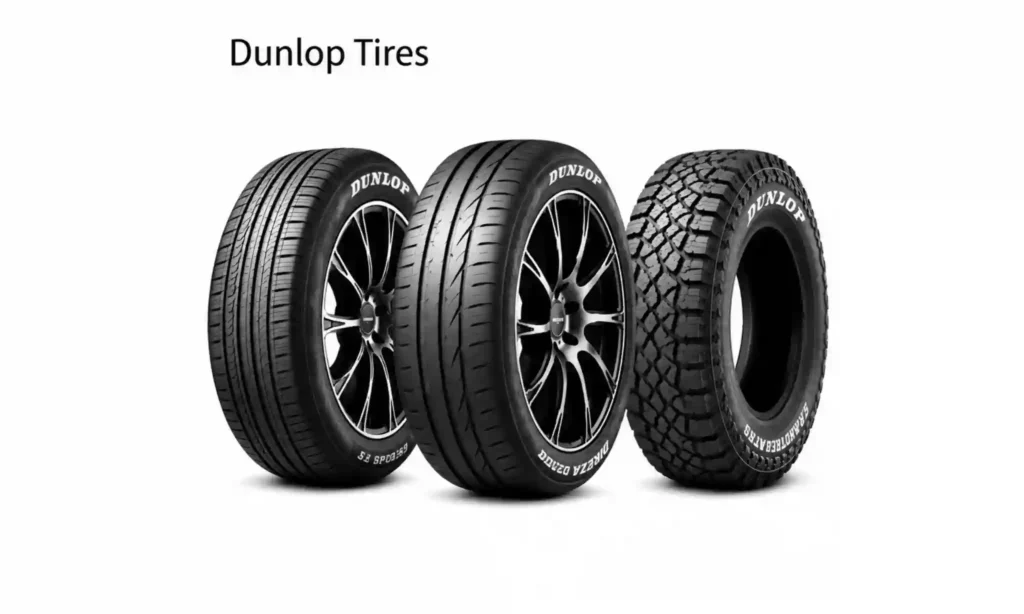
The Ultimate Brand Showdown: Dunlop Tires vs Michelin
Comparing these two tire giants means looking at how they grip the street every single day. Both brands make good tires, but they do not perform exactly the same under heavy stress.
To help you decide, we will look at real road data. Here is a quick look at how the two brands match up overall.
| Feature | Dunlop Tires | Michelin Tires |
| Price Range | Medium to High | High to Premium |
| Main Focus | Sport handling and value | Wet grip and long life |
| Ride Comfort | Good, slightly stiff | Extremely smooth |
| Wear Rating | Average | Excellent |
As you can see, Michelin costs more upfront but often lasts much longer. Dunlop saves you money at the shop while still giving solid sport performance.
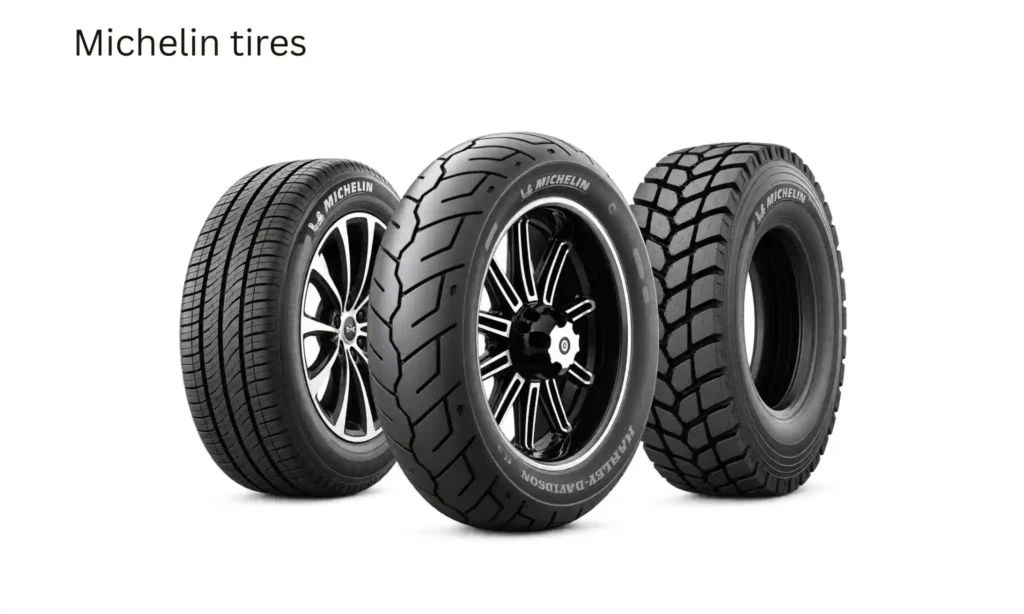
Brand Reputation and Market Positioning
Michelin is known as a premium, top-tier tire maker all over the world. Drivers buy them when they want the absolute best safety and longest-lasting tread for their families.
Dunlop is seen as a strong mid-range brand with deep roots in street racing. They offer fun, sporty handling without the huge price tag that premium brands demand.
Comparing the Overall Tire Lineups
Michelin builds a huge range of tires for nearly every car on earth. They have top-rated touring, winter, and fast sport models that fit tiny cars and massive trucks.
Dunlop focuses mostly on summer sport tires and good daily driver models. They do not have as many premium options, but their sport tires hold their own on twisty back roads.
Dry Performance Across Popular Models
When the sun is out, both brands stick to the road very well. Dry grip means how well the car turns and stops on warm, dry pavement during summer months.
Let us look at how their popular summer and sport models score in the dry.
| Metric | Dunlop SportMaxx | Michelin Pilot Sport |
| Dry Braking | Very Good | Outstanding |
| Cornering Grip | Excellent | Excellent |
| Steering Feel | Quick and sharp | Smooth and direct |
| High-Speed Stability | Great | Exceptional |
The Dunlop models feel very sharp when you turn the wheel fast. However, Michelin stops a few feet shorter when you slam the brakes hard to avoid a crash.
The “Why It Won” Justification for Dry Grip
Michelin takes the win for dry roads because of its soft silica rubber blend. The tires heat up fast and stick like hot glue on tight highway turns.
“A quick rule of thumb: soft rubber stops shorter but wears faster. Michelin found a magic formula that stops short without burning off the tread in one summer.”
I mounted a set of Dunlop sport tires on a quick sedan, and they carved dry canyons perfectly. But when I pushed the car hard, the Michelin set simply held the line with less tire squeal.
Wet Performance and Hydroplaning Tech
Driving in heavy rain can be very scary if your tires are bald. Wet performance shows how well a tire throws water away from the contact patch. (The contact patch is the flat part of the tire that touches the road.)
Here is how both brands handle deep puddles and heavy rain storms.
| Wet Feature | Dunlop Tires | Michelin Tires |
| Wet Braking | Good | Superior |
| Hydroplaning Risk | Low | Very Low |
| Wet Cornering | Safe | Highly Confident |
| Deep Puddle Clearing | Average | Excellent |
Michelin cuts through heavy rain better than almost anything else on the market today. Dunlop does a good job, but you might feel a slight slip on slick, oily roads.
Who Should AVOID Each Tire in the Rain
Skip the basic Dunlop all-season if you live in a very rainy place like Seattle. The harder rubber can spin out much easier when pulling away from a wet stoplight.
Michelin uses wide, deep grooves that pump water out fast. This keeps the rubber touching the road instead of floating dangerously on top of the water.
Winter Performance and Snow Capabilities
When the snow falls, regular summer tires turn hard like plastic toys. You need special soft rubber to grip cold, icy streets safely.
Both brands make dedicated snow models for freezing weather to keep you out of the ditch.
Real-World Driving Scenarios on Ice
I once tested Dunlop winter tires on a freezing morning with thick black ice. They grabbed the slick road well enough to stop safely at a red light.
Michelin snow tires use thousands of tiny cuts called sipes. Siping gives the tire sharp edges that bite into hard snow, giving you amazing winter traction.
Comfort, Road Noise, and Ride Quality
NVH stands for Noise, Vibration, and Harshness. It simply means how loud and bumpy the tire feels inside your car.
Let us compare how smooth these tires ride on bad city roads.
| Comfort Area | Dunlop Tires | Michelin Tires |
| Highway Drone | Noticeable | Very Quiet |
| Bump Shock | Firm | Soft and Forgiving |
| Sidewall Flex | Stiff | Adaptive |
| Cabin Quietness | Average | Best in Class |
Michelin designs its luxury tires to soak up deep potholes easily. Dunlop tires often have stiffer sidewalls, which makes you feel more of the rough bumps.
Ride Comfort and Sidewall Stiffness Compared
A stiff sidewall helps a car corner fast, but it hurts your daily comfort. Dunlop leans toward a firmer, sporty feel, which is fun but can get tiring on long road trips.
Michelin gives you a plush, silent ride at 70 mph. If you want a quiet cabin to hear your radio clearly, Michelin is the perfect choice.
Tread Life and Overall Rubber Durability
Tread life tells you how many miles a tire will last before it goes totally bald. The UTQG is a government rating stamped on the tire that shows expected wear.
Here is how long you can expect these tires to keep going strong.
| Durability Factor | Dunlop Tires | Michelin Tires |
| UTQG Wear Rating | 300 – 500 | 400 – 800 |
| Average Lifespan | 40,000 miles | 60,000 miles+ |
| Rubber Hardening | Medium | Slow |
| Wear Evenness | Good | Excellent |
Michelin tires are famous for lasting a very long time. Many of their models come with massive mileage warranties that easily beat Dunlop.
Tread Life & Value Analysis
Replacing tires often is a huge pain and costs a lot of money. Dunlop tires wear out a bit faster, meaning you will be back at the shop much sooner.
When I drove cross-country, my Michelin touring tires still looked almost new after 15,000 miles. They wear evenly, so they stay quiet as they age.
Proprietary Tire Technology Explained
Both brands pack cool tech into their black rubber donuts to keep you safe. Michelin uses a smart system that reveals new, wider grooves as the tire wears down.
This means a worn Michelin still grips the wet road like a brand-new tire. Dunlop uses special Kevlar layers in some models to stop sharp rocks from popping them.
Comparing Warranties and Customer Guarantees
A strong warranty saves you money if a tire fails early. Michelin offers flat-tire help and great treadwear coverage on almost every model they sell.
Dunlop gives standard defect warranties and decent mileage limits. However, Michelin goes the extra mile to fully stand behind its pricey rubber.
Price and Overall Value Breakdown
Price is the biggest reason drivers look at Dunlop instead of Michelin. Premium tires cost a lot, but cheap tires wear out very fast.
Let us see which brand actually saves you cash in the long run.
| Cost Factor | Dunlop Tires | Michelin Tires |
| Set of 4 Price | $500 – $800 | $800 – $1,200 |
| Cost Per Mile | Moderate | Very Low |
| Fuel Savings | Fair | Great |
| Resale Value Add | Low | High |
Dunlop is much cheaper when you buy them at the local tire shop counter. But because Michelin lasts thousands of miles longer, it often costs less per mile driven.
Initial Cost vs Long-Term Value
If you only plan to keep your car for one more year, buy the Dunlop set to save money.
If you plan to drive your car for five years, buy Michelin. You will buy fewer tires over time, saving you big money in the end.
The Absolute Best Tire From Each Brand
Every tire maker has a star player in its lineup. Michelin has the famous Defender for daily drivers and the Pilot Sport for very fast cars.
Dunlop shines with the SportMaxx series, built for tight curves and heavy braking.
Comprehensive Pros and Cons Breakdown
Let us sum up the good and bad parts of both tire brands to help you pick quickly.
| Brand | The Good Parts | The Bad Parts |
| Dunlop | Lower upfront price, sharp steering | Wears out faster, slightly noisy |
| Michelin | Amazing wet grip, very long life | High initial cost, softer sidewalls |
Dunlop offers great bang for your buck if you love back-road driving. Michelin gives you ultimate peace of mind in heavy rain and deep snow.
Which Tire Brand Is Better for Your Needs?
Your choice depends on how and where you drive every day. Choose Dunlop if you are on a tight budget but still want safe, sporty handling.
Choose Michelin if you drive your kids in the rain and want the safest, quietest ride possible.
Final Verdict: The Best Brand Choice
In the grand battle of Dunlop tires vs Michelin, Michelin takes the overall crown. Their advanced rubber simply grips better, stops shorter, and lasts much longer on real roads. Dunlop is still a great, affordable sporty option, but Michelin is worth the extra cash.
Now it is your turn to take action. Go outside, grab a penny, and check your current tire tread depth right now. If Lincoln’s head is fully showing, it is time to order a fresh set of rubber.