Does Running the Heater Help Cool the Engine?

Contents
- 1 Key Takeaways
- 2 📑 Table of Contents
- 3 Does Running the Heater Help Cool the Engine?
- 4 How the Engine Cooling System Works
- 5 How Running the Heater Cools the Engine
- 6 When to Use the Heater to Cool the Engine
- 7 When NOT to Rely on the Heater
- 8 Step-by-Step: How to Use the Heater to Cool the Engine
- 9 Preventing Engine Overheating
- 10 Common Myths About Engine Cooling
- 11 Conclusion
- 12 Frequently Asked Questions

Magnetic Car Phone Mount
Tire Shine Spray

Car Paint Touch Up Pen

Carburetor Cleaner
Yes, running the heater can help cool the engine—but only in specific situations. It works by pulling heat away from the engine and into the cabin, offering a temporary fix during mild overheating. However, it’s not a permanent solution and should never replace proper cooling system maintenance.
Key Takeaways
- Running the heater redirects engine heat: It pulls hot coolant into the heater core, releasing heat inside the car to reduce engine temperature.
- Useful during mild overheating: This method can buy time in traffic or low-speed driving when the engine is slightly overheating.
- Not a fix for serious problems: If your engine is severely overheating, pulling over and turning off the engine is safer than relying on the heater.
- Works best with fan on high: Turning the heater fan to maximum increases airflow through the heater core, improving heat dissipation.
- Monitor temperature gauge closely: Always keep an eye on your dashboard to avoid engine damage from prolonged overheating.
- Prevention is better than reaction: Regular maintenance of the cooling system is the best way to avoid overheating altogether.
- Know when to stop driving: If steam, smoke, or warning lights appear, stop immediately—don’t rely on the heater to save the engine.
📑 Table of Contents
- Does Running the Heater Help Cool the Engine?
- How the Engine Cooling System Works
- How Running the Heater Cools the Engine
- When to Use the Heater to Cool the Engine
- When NOT to Rely on the Heater
- Step-by-Step: How to Use the Heater to Cool the Engine
- Preventing Engine Overheating
- Common Myths About Engine Cooling
- Conclusion
Does Running the Heater Help Cool the Engine?
You’re driving down the highway on a hot summer day when you notice the temperature gauge creeping into the red zone. Your first instinct might be to panic—but before you pull over, you remember hearing that turning on the heater can actually help cool the engine. Is that true? And if so, how does it work?
The short answer is yes, running the heater can help cool the engine—but only under certain conditions and as a temporary measure. It’s not a magic fix, and it won’t solve underlying mechanical issues. However, understanding how your car’s heating and cooling systems interact can give you a valuable tool in an emergency. In this article, we’ll break down exactly how the heater helps cool the engine, when it’s safe to use this trick, and what you should do if your car starts overheating.
How the Engine Cooling System Works
Visual guide about Does Running the Heater Help Cool the Engine?
Image source: cdn.shopify.com
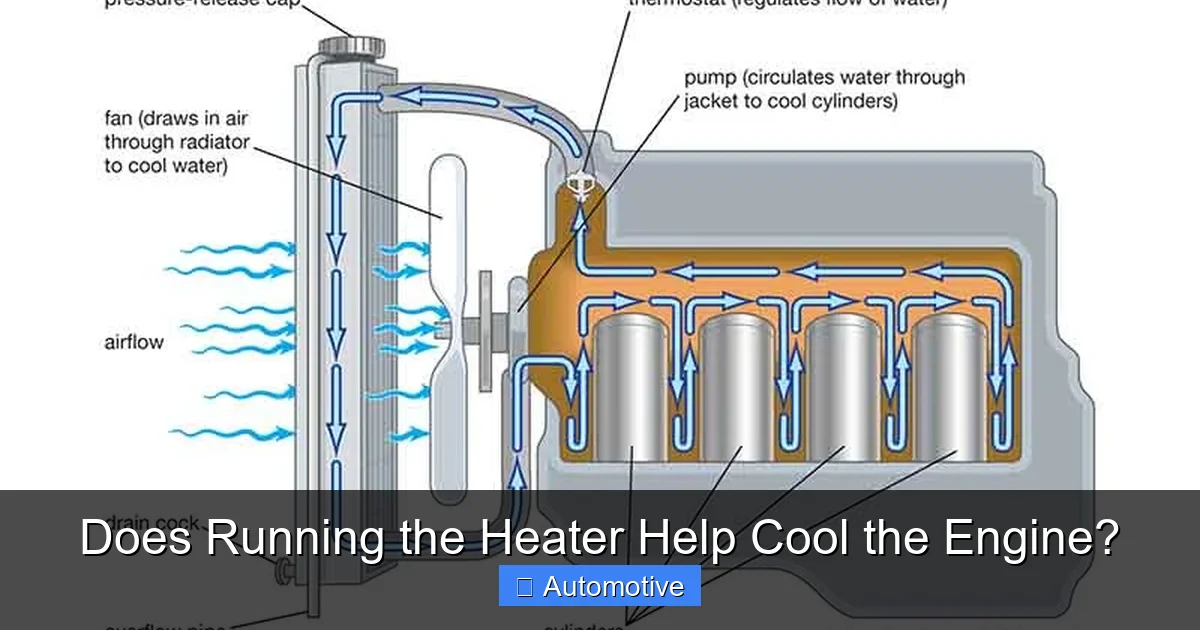
To understand why running the heater can help cool the engine, you first need to know how your car’s cooling system functions. The engine generates a tremendous amount of heat when it runs—enough to melt metal if left unchecked. That’s why every car has a cooling system designed to keep the engine at a safe operating temperature, typically between 195°F and 220°F (90°C to 105°C).
The cooling system uses a mixture of coolant (also called antifreeze) and water that circulates through the engine block and cylinder head. As the coolant absorbs heat, it flows to the radiator, where air passing through the radiator fins cools it down. A water pump keeps the coolant moving, while a thermostat regulates the flow based on engine temperature. Fans help pull air through the radiator when the car is moving slowly or idling.
If any part of this system fails—like a leak, a broken water pump, or a clogged radiator—the engine can overheat. That’s when you might see the temperature warning light come on or feel steam coming from under the hood.
The Role of the Heater Core
Now, here’s where the heater comes into play. Inside your car’s dashboard is a small radiator-like component called the heater core. It’s connected to the engine’s cooling system and receives hot coolant from the engine. When you turn on the heater, a blend door opens, allowing air from the cabin to pass over the heater core. A fan then blows this warmed air into the passenger compartment, providing heat on cold days.
But the heater core isn’t just for comfort—it’s also a secondary heat exchanger. When the heater is on, hot coolant flows through the heater core, and the fan helps dissipate that heat into the cabin. This process removes some of the thermal load from the engine, effectively acting as an extra cooling pathway.
How Running the Heater Cools the Engine
Visual guide about Does Running the Heater Help Cool the Engine?
Image source: shutterstock.com
So, how exactly does turning on the heater help cool the engine? It all comes down to heat transfer. When your engine starts to overheat, the coolant becomes extremely hot. By turning on the heater and setting the fan to high, you’re forcing more hot coolant to flow through the heater core. The fan then pulls air across the core, releasing that heat into the cabin instead of letting it build up in the engine.
Think of it like opening a window on a hot day. The heat inside the car escapes, making the interior cooler. Similarly, the heater core acts as a “heat dump” for the engine. It doesn’t cool the engine directly, but it helps reduce the overall heat load by giving the hot coolant another place to go.
When the Heater Helps Most
This method works best in situations where the engine is only slightly overheating—say, due to heavy traffic, a malfunctioning cooling fan, or a minor coolant leak. For example, if you’re stuck in stop-and-go traffic on a 95°F day and the temperature gauge starts to rise, turning on the heater with the fan on high can help stabilize the engine temperature.
It’s especially useful when the radiator isn’t getting enough airflow. At highway speeds, air naturally flows through the radiator, but in slow-moving traffic or when idling, the cooling fan must do all the work. If the fan isn’t working properly, the engine can overheat quickly. In that case, the heater core provides an alternative way to shed heat.
Why It’s Not a Permanent Fix
While running the heater can help in a pinch, it’s important to understand its limitations. The heater core has a much smaller surface area than the radiator, so it can only dissipate a fraction of the heat. It’s not designed to handle the full cooling load of the engine. Plus, it relies on the same coolant system—so if there’s a leak, low coolant, or a failing water pump, the heater won’t be able to compensate.
Additionally, using the heater to cool the engine only works if the coolant is still circulating. If the water pump fails or the thermostat gets stuck closed, coolant won’t flow to the heater core, and the trick won’t work at all.
When to Use the Heater to Cool the Engine

Visual guide about Does Running the Heater Help Cool the Engine?
Image source: m.media-amazon.com
Knowing when to use this technique is just as important as knowing how it works. Here are some scenarios where turning on the heater can be helpful:
Mild Overheating in Traffic
If you’re sitting in heavy traffic and notice the temperature gauge rising slightly, turning on the heater with the fan on high can help. This is especially true if your car has an electric cooling fan that may not be kicking on properly. The extra airflow through the heater core can buy you time to get to a safe place to stop.
Low-Speed Driving with Cooling Issues
If you’re driving slowly—like in a parking lot or on a residential street—and the engine starts to overheat, the heater can help. At low speeds, there’s less natural airflow through the radiator, so the cooling system relies more on the fan and coolant circulation. Using the heater gives the system an extra outlet for heat.
After a Minor Coolant Leak
If you’ve recently topped off your coolant after a small leak and the engine is running a bit hot, the heater can help manage the temperature while you drive to a repair shop. Just make sure you have enough coolant in the system—low coolant levels reduce the effectiveness of both the radiator and the heater core.
When the Cooling Fan Isn’t Working
Some cars have cooling fans that only activate when the engine reaches a certain temperature. If the fan fails to turn on, the engine can overheat quickly at idle or low speeds. In this case, turning on the heater can help reduce the load on the cooling system until you can get the fan fixed.
When NOT to Rely on the Heater
While the heater can be a useful tool, there are times when it’s not safe or effective to use it as a cooling method.
Severe Overheating
If your engine is severely overheating—indicated by steam, smoke, or the temperature gauge in the red zone—do not rely on the heater. This is a sign of a serious problem, such as a blown head gasket, a cracked engine block, or a major coolant leak. Continuing to drive in this condition can cause irreversible engine damage.
In these cases, pull over immediately, turn off the engine, and let it cool. Do not open the radiator cap while the engine is hot, as it can cause scalding steam to escape.
Coolant Loss or Low Levels
If your coolant level is low or you’ve lost coolant due to a leak, the heater may not work at all. The heater core needs coolant to transfer heat, so if there’s not enough fluid in the system, it can’t help cool the engine. Always check your coolant level before attempting this method.
Electrical or Fan Failure
If the heater fan isn’t working, you won’t get any airflow through the heater core, making the technique useless. Similarly, if the blower motor is faulty, you won’t be able to generate the airflow needed to dissipate heat.
Older or Damaged Heater Core
Over time, the heater core can become clogged with debris or corroded from old coolant. A blocked heater core won’t allow coolant to flow properly, reducing its ability to help cool the engine. If your heater doesn’t blow hot air in winter, the core may be compromised.
Step-by-Step: How to Use the Heater to Cool the Engine
If you find yourself in a situation where the engine is mildly overheating, here’s how to safely use the heater to help cool it down:
1. Turn on the Heater
Set the temperature control to the hottest setting. This opens the blend door and allows hot coolant to flow into the heater core.
2. Set the Fan to High
Turn the fan speed to the highest setting. This maximizes airflow through the heater core, improving heat dissipation.
3. Turn Off the A/C
The air conditioning system puts extra load on the engine and can contribute to overheating. Turn it off to reduce strain.
4. Monitor the Temperature Gauge
Keep a close eye on the dashboard. If the temperature starts to drop or stabilize, you’re on the right track. If it continues to rise, pull over immediately.
5. Drive to Safety
Use this method to get to a safe location, such as a service station or your home. Do not continue driving if the engine remains hot.
6. Let the Engine Cool
Once stopped, turn off the engine and let it cool completely before checking coolant levels or inspecting for leaks.
Preventing Engine Overheating
While knowing how to use the heater in an emergency is helpful, the best strategy is to prevent overheating in the first place. Regular maintenance is key to keeping your cooling system in top shape.
Check Coolant Levels Regularly
Coolant should be checked every few months, especially before long trips. Look at the coolant reservoir when the engine is cold. The level should be between the “min” and “max” marks. Top it off with the correct type of coolant if needed.
Inspect for Leaks
Look under your car for puddles of green, orange, or pink fluid—these are signs of a coolant leak. Common leak points include the radiator, hoses, water pump, and heater core. Address leaks promptly to avoid overheating.
Replace the Thermostat
Thermostats can fail over time, causing the engine to run too hot or too cold. Most manufacturers recommend replacing the thermostat every 50,000 to 100,000 miles, or if you notice temperature fluctuations.
Maintain the Radiator and Fans
Keep the radiator clean and free of debris. Bugs, leaves, and dirt can block airflow and reduce cooling efficiency. Also, ensure the cooling fans are working properly. Listen for them to kick on when the engine is hot.
Flush the Cooling System
Over time, coolant can become contaminated with rust, scale, and debris. A coolant flush every 30,000 to 50,000 miles helps keep the system clean and efficient.
Watch for Warning Signs
Be alert for symptoms of overheating, such as a rising temperature gauge, steam from the engine, a sweet smell (from burning coolant), or reduced engine performance. Address these issues early to avoid costly repairs.
Common Myths About Engine Cooling
There are several misconceptions about how to cool an overheating engine. Let’s clear up a few:
Myth: Turning on the A/C helps cool the engine
Actually, the opposite is true. The A/C compressor is driven by the engine via a belt, so turning it on increases engine load and can make overheating worse. Always turn off the A/C if your engine is hot.
Myth: Pouring cold water on the engine helps
Never pour cold water on a hot engine. The sudden temperature change can cause metal parts to crack, especially the engine block or cylinder head. Let the engine cool naturally.
Myth: The heater only works if the engine is running
This is true—the heater relies on hot coolant from the engine. If the engine is off, the heater won’t produce heat. However, if the engine is still warm, the heater may continue to blow warm air for a short time.
Myth: All cars can use the heater to cool the engine
Most modern cars with a properly functioning cooling system can use this method. However, older vehicles or those with damaged heater cores may not benefit. Always assess your car’s condition before relying on this trick.
Conclusion
So, does running the heater help cool the engine? Yes—but with important caveats. It’s a temporary solution that works by redirecting heat from the engine into the cabin via the heater core. This can be a lifesaver in mild overheating situations, such as traffic jams or fan failures, giving you time to reach safety.
However, it’s not a substitute for proper maintenance or repairs. If your engine is severely overheating, pulling over and turning off the engine is the safest choice. And remember, prevention is always better than reaction. Regular coolant checks, radiator cleaning, and system inspections can help you avoid overheating altogether.
Next time you’re behind the wheel and the temperature gauge starts to climb, don’t panic. Turn on the heater, keep the fan on high, and drive carefully to the nearest service station. Just don’t forget to roll down the windows—your passengers might not appreciate the sudden sauna!
Frequently Asked Questions
Can running the heater damage my car?
No, running the heater to cool the engine won’t damage your car if done correctly. It’s a safe temporary measure during mild overheating. However, don’t rely on it for extended periods or if the engine is severely overheating.
How long can I drive with the heater on to cool the engine?
You should only use this method to reach a safe location, such as a repair shop or your home. Ideally, drive no more than 10–15 minutes while monitoring the temperature gauge closely.
Will the heater work if my coolant is low?
No, the heater core needs coolant to transfer heat. If the coolant level is too low, the heater won’t help cool the engine and may not blow hot air at all.
Can I use this method in cold weather?
Yes, the heater can still help cool the engine in cold weather. The outside temperature doesn’t affect the heat transfer process, though you may need to bundle up inside the car.
Why doesn’t my heater blow hot air when the engine is overheating?
This could indicate a clogged heater core, low coolant, or a faulty thermostat. If the heater isn’t working, it won’t help cool the engine, and you should have the system inspected.
Is it safe to open the radiator cap if the engine is hot?
No, never open the radiator cap when the engine is hot. The system is under pressure, and hot coolant or steam can spray out, causing serious burns. Wait until the engine is completely cool.