Does Owner Have to Be Present to Sell Car
You don’t always need to be physically present to sell your car—thanks to powers of attorney, trusted agents, and online tools. With proper documentation and planning, the process can be smooth, legal, and stress-free, even from afar.
In This Article
- 1 Key Takeaways
- 2 📑 Table of Contents
- 3 Does Owner Have to Be Present to Sell Car? The Short Answer
- 4 Understanding the Legal Requirements for Selling a Car
- 5 How Power of Attorney Enables Remote Car Sales
- 6 Selling Your Car Online: Can It Be Done Remotely?
- 7 Working with Dealerships: A Hands-Off Option
- 8 Safety and Scam Prevention When Selling Remotely
- 9 Common Mistakes to Avoid When Selling Without Being Present
- 10 Conclusion: You Can Sell Your Car Without Being There
- 11 Frequently Asked Questions
- 11.1 Can I sell my car if I’m out of state?
- 11.2 Do I need to be present to sign the title?
- 11.3 What documents are required to sell a car remotely?
- 11.4 Can a family member sell my car for me?
- 11.5 Is it safe to sell a car online without meeting the buyer?
- 11.6 What happens if I don’t submit the release of liability?
Key Takeaways
- The owner doesn’t always need to be present: A legally authorized representative can handle the sale with a power of attorney.
- Documentation is critical: Title, bill of sale, and ID copies must be in order, regardless of who completes the transaction.
- State laws vary: Some states require notarization or specific forms when the owner isn’t present.
- Online sales are possible: Platforms like Carvana, Vroom, and private listings allow remote selling with digital paperwork.
- Safety matters: Always verify buyer legitimacy and use secure payment methods to avoid scams.
- Dealerships simplify the process: Trading in or selling to a dealer often requires minimal owner involvement.
- Timing and planning help: Start gathering documents early to avoid last-minute delays.
📑 Table of Contents
- Does Owner Have to Be Present to Sell Car? The Short Answer
- Understanding the Legal Requirements for Selling a Car
- How Power of Attorney Enables Remote Car Sales
- Selling Your Car Online: Can It Be Done Remotely?
- Working with Dealerships: A Hands-Off Option
- Safety and Scam Prevention When Selling Remotely
- Common Mistakes to Avoid When Selling Without Being Present
- Conclusion: You Can Sell Your Car Without Being There
Does Owner Have to Be Present to Sell Car? The Short Answer
Selling a car doesn’t always mean you have to be there in person. Many people assume that the car owner must be physically present at every step—from test drives to signing the title—but that’s not always true. Thanks to legal tools like power of attorney, digital platforms, and dealership services, you can sell your vehicle even if you’re out of town, out of the country, or simply unable to attend.
The key lies in proper planning and understanding your state’s specific rules. While some transactions can be completed entirely remotely, others may require notarized documents or in-person signatures. The good news? With the right preparation, you can sell your car smoothly—no matter where you are.
Understanding the Legal Requirements for Selling a Car
Visual guide about Does Owner Have to Be Present to Sell Car
Image source: cdn1.iconfinder.com
Every state has its own rules about selling a vehicle, but there are common legal elements that apply nationwide. At the heart of any car sale is the transfer of ownership, which requires clear documentation and, in many cases, the owner’s authorization—even if they’re not physically present.
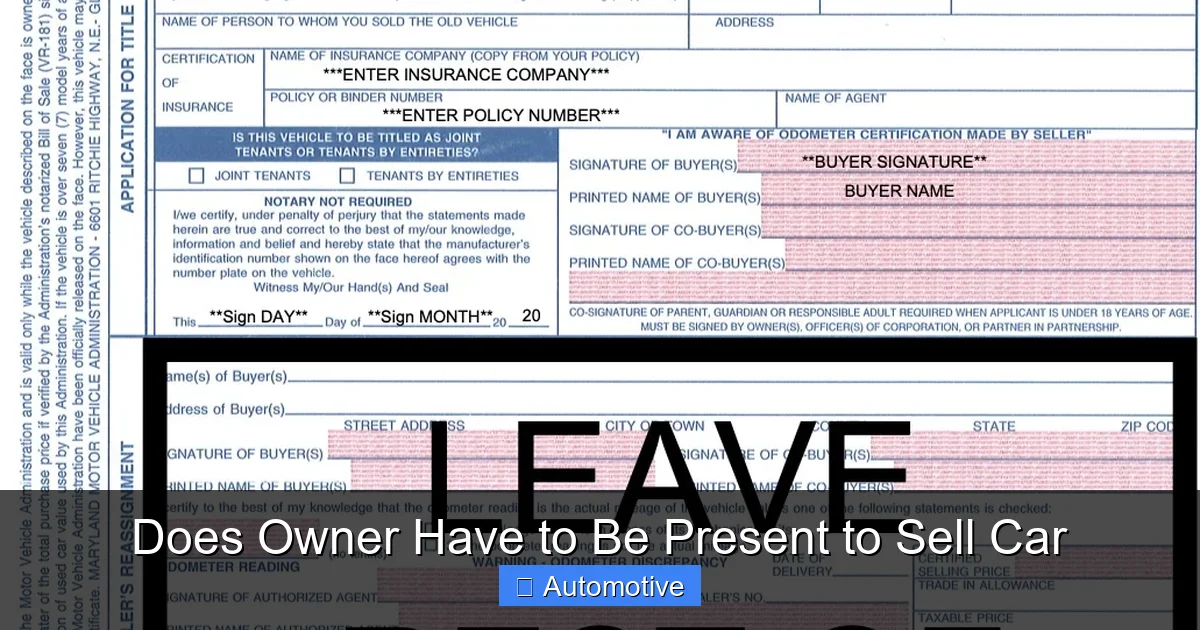
The most important document is the vehicle title. This legal paper proves ownership and must be signed over to the buyer. In most states, the seller’s signature on the title is required. However, if the owner can’t be there, a legally appointed representative can sign on their behalf—provided they have the right paperwork.
Other essential documents include a bill of sale, which outlines the sale price, date, and parties involved, and a release of liability form, which protects the seller from future tickets or accidents after the sale. Some states also require a smog or emissions test certificate, especially for older vehicles.
It’s also important to note that while the owner doesn’t need to be present, their identity and authorization must be verified. This is where tools like power of attorney come into play, allowing someone else to act legally on the owner’s behalf.
State-Specific Rules You Should Know
Not all states treat remote car sales the same way. For example, California allows a notarized power of attorney for vehicle transactions, meaning the owner can appoint someone to handle the sale without being present. In Texas, the same applies, but the power of attorney must be recorded with the county.
In contrast, some states like New York require the seller’s signature on the title to be notarized if they’re not present during the sale. Others may allow mail-in transfers but require additional identification or verification steps.
Always check your state’s Department of Motor Vehicles (DMV) website or contact them directly to confirm the rules. A small oversight—like missing a notarization—can delay the sale or even invalidate the transfer.
How Power of Attorney Enables Remote Car Sales
Visual guide about Does Owner Have to Be Present to Sell Car
Image source: global-uploads.webflow.com
One of the most effective ways to sell a car without being present is by using a power of attorney (POA). This legal document allows you to appoint someone you trust—like a family member, friend, or attorney—to act on your behalf in specific matters, including selling your vehicle.
There are two main types of POA: general and limited. For car sales, a limited or special power of attorney is usually best. It grants the agent authority only for the purpose of selling the vehicle, nothing more. This protects you from misuse of power and keeps the transaction focused.
To create a valid POA, you’ll typically need to fill out a form, sign it in front of a notary public, and provide identification. The agent will then use this document to sign the title, complete the bill of sale, and handle DMV paperwork.
For example, imagine you’re deployed overseas and need to sell your car. You can appoint your sibling as your agent using a notarized POA. They can then meet with the buyer, sign the title, and submit the transfer forms to the DMV—all without you being there.
Choosing the Right Person as Your Agent
Picking someone to act as your agent is a big decision. You need someone reliable, organized, and familiar with the process. Ideally, they should live nearby, have access to your documents, and be comfortable dealing with paperwork and potential buyers.
It’s also wise to discuss the sale details in advance—like the minimum price you’re willing to accept and whether you prefer a private sale or trade-in. Clear communication prevents misunderstandings and ensures the sale goes smoothly.
Keep in mind that the agent will need copies of your ID, the car’s title, and the POA document. Store these securely and share them only with your trusted representative.
Selling Your Car Online: Can It Be Done Remotely?
Visual guide about Does Owner Have to Be Present to Sell Car
Image source: workflowautomation.net
The rise of online car marketplaces has made it easier than ever to sell a vehicle without being present. Platforms like Carvana, Vroom, Shift, and even Facebook Marketplace allow you to list your car, communicate with buyers, and complete the sale—often entirely online.
Companies like Carvana and Vroom offer instant cash offers based on your car’s details and condition. If you accept, they’ll schedule a pickup or drop-off, handle the paperwork, and transfer funds electronically. In many cases, you never need to meet a buyer face-to-face.
Private online sales work similarly. You can take photos, write a detailed description, and communicate with interested buyers via email or messaging. Once you agree on a price, the buyer can come to your location (or your agent’s), inspect the car, and complete the transaction.
Steps to Sell Your Car Online Without Being Present
1. **Gather all necessary documents:** Title, registration, maintenance records, and any required inspection certificates.
2. **Create a detailed listing:** Include high-quality photos, mileage, condition, and features. Be honest about any flaws.
3. **Set a fair price:** Use tools like Kelley Blue Book or Edmunds to determine your car’s market value.
4. **Communicate clearly with buyers:** Respond promptly and answer questions honestly.
5. **Arrange for transfer:** If you’re using an agent, have them meet the buyer. If selling to a company, follow their pickup or drop-off instructions.
6. **Complete the paperwork:** Ensure the title is signed correctly, the bill of sale is filled out, and the release of liability is submitted to the DMV.
One tip: Always meet in a public place if your agent is handling the handoff. Safety should never be compromised, even when you’re not there.
Working with Dealerships: A Hands-Off Option
If you want to sell your car with minimal involvement, selling or trading it in at a dealership is one of the easiest options. Most dealerships will handle the entire process—from appraisal to paperwork—often in under an hour.
When you trade in your car, the dealer applies its value toward the purchase of a new vehicle. This can simplify the transaction and reduce taxes on your new car in many states. Alternatively, you can sell your car directly to the dealership for cash, though you may get less than a private sale.
The best part? You don’t need to be present for every step. Once you agree on a price, the dealer will take care of the title transfer, registration, and DMV notifications. In some cases, they’ll even pick up the car from your location.
Tips for Getting the Best Deal at a Dealership
– **Do your research:** Know your car’s value before walking in. Use online tools to compare offers.
– **Clean your car:** A well-maintained vehicle makes a better impression and can increase its value.
– **Bring all documents:** Title, registration, service records, and any warranties.
– **Negotiate confidently:** Don’t accept the first offer. Be prepared to walk away if the deal isn’t fair.
– **Ask about fees:** Some dealers charge documentation or processing fees—know what you’re paying for.
Dealerships are convenient, but they’re also businesses looking to make a profit. Being informed and prepared helps you get the best possible outcome.
Safety and Scam Prevention When Selling Remotely
Selling a car remotely introduces unique risks, especially when you’re not there to oversee the transaction. Scammers often target sellers who are out of town or using online platforms, so it’s crucial to stay vigilant.
One common scam involves fake cashier’s checks or wire transfers. A buyer may send a check for more than the agreed amount and ask for the difference to be refunded. The original check later bounces, leaving you out of pocket. Always wait for funds to fully clear before handing over the car or documents.
Another red flag is a buyer who refuses to meet in person or insists on using unconventional payment methods. Legitimate buyers will want to inspect the car and use secure payment options like cash, certified check, or bank transfer.
How to Protect Yourself
– **Verify the buyer’s identity:** Ask for a driver’s license and confirm their address.
– **Use secure payment methods:** Avoid personal checks, money orders, or cryptocurrency unless you’re certain they’re legitimate.
– **Meet in a safe location:** If your agent is meeting the buyer, choose a public place like a police station parking lot.
– **Keep records:** Save all communication, receipts, and signed documents.
– **Report suspicious activity:** If something feels off, contact your local DMV or law enforcement.
When in doubt, consult a legal professional or your state’s DMV for guidance. It’s better to be cautious than to fall victim to fraud.
Common Mistakes to Avoid When Selling Without Being Present
Even with the best planning, mistakes can happen. One of the most common is failing to properly sign the title. If the signature doesn’t match the name on the title or isn’t notarized when required, the DMV may reject the transfer.
Another mistake is not submitting the release of liability form. This document informs the DMV that you’re no longer responsible for the vehicle. Without it, you could be held liable for parking tickets or accidents after the sale.
Some sellers also forget to remove their license plates or cancel their insurance. In many states, plates stay with the owner, not the car. And once the sale is complete, you should notify your insurance company to avoid paying for coverage you no longer need.
Checklist for a Smooth Remote Sale
– [ ] Sign the title correctly (or have your agent do it with POA)
– [ ] Complete a bill of sale with buyer and seller details
– [ ] Submit a release of liability form to the DMV
– [ ] Provide the buyer with a copy of the title and bill of sale
– [ ] Remove license plates and personal items from the car
– [ ] Cancel or transfer insurance
– [ ] Keep copies of all documents for your records
Using a checklist ensures nothing slips through the cracks, especially when you’re not there to oversee every step.
Conclusion: You Can Sell Your Car Without Being There
So, does the owner have to be present to sell a car? The answer is no—not always. With the right tools, documentation, and planning, you can successfully sell your vehicle from anywhere in the world. Whether you’re using a power of attorney, selling online, or working with a dealership, there are multiple paths to a smooth and legal transaction.
The key is understanding your state’s requirements, choosing trustworthy partners, and staying organized. Don’t let distance or scheduling conflicts stop you from getting top dollar for your car. With today’s resources, selling remotely isn’t just possible—it’s often the smartest choice.
Take the time to prepare, protect yourself from scams, and follow the rules. When done right, selling your car without being present can be just as easy—and just as rewarding—as doing it in person.
Frequently Asked Questions
Can I sell my car if I’m out of state?
Yes, you can sell your car even if you’re out of state. Use a power of attorney to appoint someone to handle the sale, or sell through an online platform that handles remote transactions.
Do I need to be present to sign the title?
Not necessarily. If you’ve granted someone power of attorney, they can sign the title on your behalf. Some states also allow mail-in transfers with notarized documents.
What documents are required to sell a car remotely?
You’ll need the signed title, a bill of sale, a release of liability form, and possibly a notarized power of attorney. Check your state’s DMV for specific requirements.
Can a family member sell my car for me?
Yes, as long as they have a valid power of attorney and all necessary documents. Make sure the POA is notarized and specific to the vehicle sale.
Is it safe to sell a car online without meeting the buyer?
It can be safe if you take precautions. Use reputable platforms, verify the buyer’s identity, and ensure payment is secure and cleared before transferring ownership.
What happens if I don’t submit the release of liability?
If you don’t file a release of liability, you could still be held responsible for tickets, tolls, or accidents involving the car after the sale. Always submit this form to your DMV.