Does Jumping Your Car Hurt Battery

Contents
- 1 Key Takeaways
- 2 Does Jumping Your Car Hurt Battery? The Truth Explained
- 3 How Jump-Starting Works: A Simple Breakdown
- 4 Can Jump-Starting Damage Your Battery?
- 5 Best Practices for Safe Jump-Starting
- 6 What to Do After a Jump-Start
- 7 Myths and Misconceptions About Jump-Starting
- 8 Conclusion: Jump-Start Smart, Stay Safe
- 9 Frequently Asked Questions


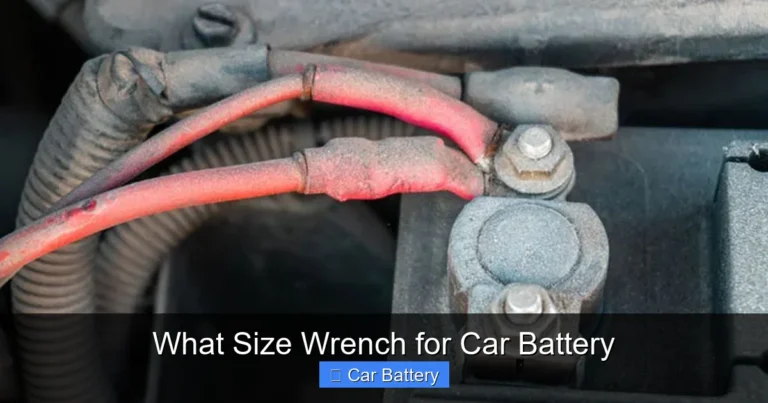
Jumping your car the right way won’t damage your battery—but doing it wrong can. With proper technique, jumper cables, and a healthy donor battery, you can safely revive a dead battery without harm. However, mistakes like reversed cables or sparking near the battery can cause serious damage or even explosions.
This is a comprehensive guide about does jumping your car hurt battery.
Key Takeaways
- Proper jump-starting doesn’t hurt your battery: When done correctly, jump-starting is safe and won’t damage your car’s electrical system or battery.
- Incorrect connections can cause damage: Reversing positive and negative cables can fry electronics, damage the alternator, or destroy the battery.
- Use quality jumper cables: Thick, well-insulated cables with strong clamps reduce resistance and prevent overheating or sparking.
- Let the donor car run for a few minutes: This helps build charge in the dead battery and reduces strain on the donor vehicle.
- Avoid jump-starting in extreme cold or heat: Batteries are more vulnerable to damage in extreme temperatures, increasing the risk of failure during a jump.
- Repeated jump-starts signal a bigger problem: If your battery dies often, it may be old, damaged, or your alternator isn’t charging properly.
- Consider a portable jump starter: These battery packs eliminate the need for another vehicle and reduce risk when used properly.
[FEATURED_IMAGE_PLACEHOLDER]
Does Jumping Your Car Hurt Battery? The Truth Explained
We’ve all been there—you turn the key, and instead of that familiar engine roar, you get nothing but a weak click or silence. A dead battery can strike at the worst times, leaving you stranded in a parking lot, at home, or even on the side of the road. In these moments, jump-starting your car feels like a lifesaver. But here’s a question many drivers quietly worry about: Does jumping your car hurt the battery?
The short answer? Not if you do it right. Jump-starting is a standard, safe procedure when performed correctly. In fact, it’s one of the most common roadside fixes and is designed to get you back on the road without harming your vehicle. However, like any automotive task, there’s a right way and a wrong way. Mistakes during a jump-start—like connecting cables in the wrong order or using damaged equipment—can lead to serious damage, including fried electronics, blown fuses, or even a battery explosion.
In this guide, we’ll break down everything you need to know about jump-starting your car safely. You’ll learn how the process works, what risks to avoid, and how to protect both your battery and your vehicle’s electrical system. Whether you’re a new driver or a seasoned road warrior, understanding the ins and outs of jump-starting can save you time, money, and stress. So let’s dive in and clear up the confusion once and for all.
How Jump-Starting Works: A Simple Breakdown
Before we talk about whether jump-starting hurts your battery, it helps to understand how it actually works. At its core, jump-starting is just a way to give your dead battery a temporary boost of power so your car can start. Think of it like giving a tired runner a quick energy drink—it doesn’t fix the underlying fatigue, but it gets them moving again.
The Role of the Battery in Your Car
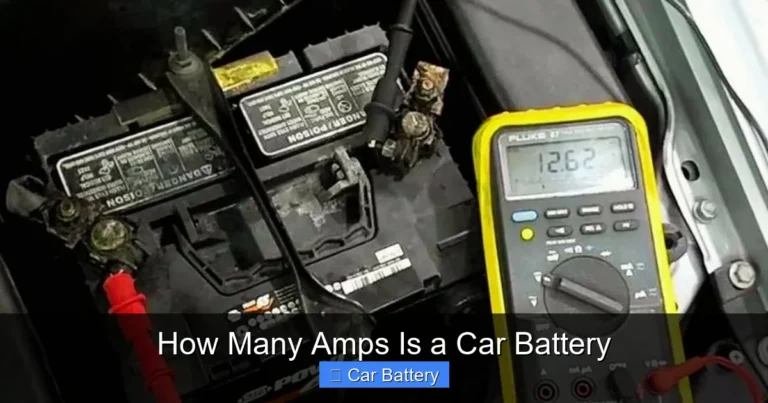
Your car battery stores electrical energy and delivers it to the starter motor when you turn the key. Once the engine is running, the alternator takes over, recharging the battery and powering the car’s electrical systems. A healthy battery should hold a charge of around 12.6 volts when the car is off. When it drops below 12 volts, starting your car becomes difficult or impossible.
Batteries naturally lose charge over time, especially in cold weather or if the car sits unused for days. Parasitic drains—like a glove compartment light staying on—can also slowly kill a battery. When the voltage gets too low, the battery can’t deliver the burst of power needed to crank the engine.
How Jumper Cables Transfer Power
Jumper cables are thick, insulated wires with heavy-duty clamps on each end. They act as a bridge between a working battery (from another car or a portable jump starter) and your dead battery. Here’s how the power flows:
- The positive (red) clamp connects to the positive terminal of the dead battery.
- The other end of the red cable connects to the positive terminal of the donor battery.
- The negative (black) clamp connects to the negative terminal of the donor battery.
- The final black clamp connects to an unpainted metal surface on your car—like a bolt or bracket—away from the battery. This is called grounding and helps prevent sparks near the battery, which could ignite hydrogen gas.
Once connected, the donor battery sends electrical current through the cables to your dead battery. This boosts the voltage enough to allow the starter motor to turn over the engine. Once your car starts, the alternator begins recharging the battery naturally.
Why Grounding Matters
You might wonder why the final negative clamp doesn’t go directly to the dead battery’s negative terminal. The reason is safety. Car batteries emit small amounts of hydrogen gas, especially when charging. A spark near the battery—like when connecting or disconnecting a cable—can ignite this gas, leading to an explosion.
By connecting the final negative clamp to a grounded metal part of the engine block, you reduce the risk of sparking near the battery. It’s a simple step that makes a big difference in safety.
Can Jump-Starting Damage Your Battery?
Now for the million-dollar question: Does jumping your car hurt the battery? The answer depends on how you do it and the condition of your battery.
When Jump-Starting Is Safe
In most cases, jump-starting a healthy battery that’s simply run down is completely safe. Modern cars are designed to handle this process, and the electrical systems can tolerate the influx of power from another battery. As long as you follow the correct procedure—using the right cables, connecting in the right order, and grounding properly—your battery won’t be harmed.
For example, if your battery died because you left the headlights on overnight, a jump-start should get you going without any lasting damage. Once the engine runs, the alternator will recharge the battery over the next 30 minutes to an hour of driving.
When Jump-Starting Can Cause Harm
Problems arise when jump-starting is done incorrectly or when the battery is already damaged. Here are common scenarios where jumping can hurt your battery or car:
- Reversed cables: Connecting positive to negative and vice versa sends current in the wrong direction. This can fry the car’s computer, blow fuses, damage the alternator, or even cause the battery to explode.
- Sparking near the battery: If you connect the final negative clamp directly to the dead battery’s terminal, a spark could ignite hydrogen gas. Always ground the last clamp away from the battery.
- Using damaged cables: Frayed wires, loose clamps, or thin cables can overheat, melt, or fail to deliver enough power. This can cause inconsistent charging or even start a fire.
- Jumping a frozen or leaking battery: If your battery is cracked, swollen, or frozen (common in winter), jump-starting can be dangerous. The internal pressure can build up, leading to rupture or explosion.
- Overcharging after a jump: If your alternator is faulty, it might send too much voltage to the battery after a jump, causing it to overheat or boil the electrolyte.
Signs Your Battery Is Already Damaged
Sometimes, a dead battery isn’t just “dead”—it’s failing. If your battery is more than 3–5 years old, has visible damage, or dies frequently, jump-starting might not help—and could even make things worse. Look for these warning signs:
- The battery case is swollen or cracked.
- There’s a foul smell (like rotten eggs) near the battery—a sign of leaking acid.
- The battery terminals are corroded (white or green crust).
- Your car struggles to start even after a jump and a long drive.
If you notice any of these, it’s time to replace the battery. Continuing to jump-start a damaged battery risks further damage to your car’s electrical system.
Best Practices for Safe Jump-Starting
Now that you know the risks, let’s talk about how to jump-start your car the right way. Following these steps will protect your battery, your car, and yourself.
Step-by-Step Jump-Start Guide
- Park the donor car close but not touching. Turn off both engines and engage the parking brakes.
- Identify the batteries and terminals. Most batteries are under the hood, but some are in the trunk or under a seat. Look for the positive (+) and negative (−) markings.
- Connect the red (positive) clamp to the positive terminal of the dead battery.
- Connect the other red clamp to the positive terminal of the donor battery.
- Connect the black (negative) clamp to the negative terminal of the donor battery.
- Connect the final black clamp to an unpainted metal surface on the dead car’s engine block—not the battery.
- Start the donor car and let it run for 3–5 minutes to build charge.
- Try starting the dead car. If it doesn’t start, wait a few more minutes and try again.
- Once running, disconnect the cables in reverse order: black from the grounded metal, black from the donor battery, red from the donor battery, red from the dead battery.
- Drive the jumped car for at least 30 minutes to allow the alternator to recharge the battery.
Tips for Success
- Use thick, high-quality jumper cables. Look for cables rated for at least 400 amps and with heavy-duty clamps.
- Wear safety glasses and gloves. Battery acid is corrosive, and sparks can happen.
- Don’t smoke or use open flames near the battery.
- If the battery is frozen, don’t jump it. Warm it up slowly or replace it.
- Avoid jump-starting in the rain if possible—water increases the risk of shock.
When to Use a Portable Jump Starter
Portable jump starters (also called jump boxes) are battery-powered devices that eliminate the need for another car. They’re compact, easy to use, and safer in many situations. Simply connect the clamps to your battery (following the same polarity rules), turn on the device, and start your car.
These are especially useful if you’re stranded alone or in a remote area. Just make sure your jump starter is fully charged before you need it.
What to Do After a Jump-Start
Getting your car started is just the first step. What you do next can determine whether your battery recovers or fails completely.
Drive to Recharge the Battery
After a jump-start, your battery is still low on charge. The alternator needs time to replenish it. Drive for at least 30 minutes at highway speeds to allow the system to recharge fully. Avoid short trips, which don’t give the alternator enough time to work.
Test the Battery and Charging System
If your battery dies again soon after a jump, there’s likely an underlying issue. Visit an auto parts store—many offer free battery and alternator testing. They can check:
- Battery voltage and health
- Alternator output
- Parasitic drains
A weak alternator might not be charging the battery properly, while a parasitic drain could be slowly killing it overnight.
Replace Old or Damaged Batteries
Car batteries typically last 3–5 years. If yours is older or showing signs of failure, replace it before it leaves you stranded again. Modern batteries are more reliable and often come with warranties.
Myths and Misconceptions About Jump-Starting
There’s a lot of misinformation out there about jump-starting. Let’s clear up some common myths.
Myth: Jump-starting damages the alternator
False. The alternator is designed to handle the charging process. In fact, it’s working harder after a jump to recharge the battery, which is normal.
Myth: You can jump-start any car with any battery
Not quite. While most 12-volt systems are compatible, some hybrid or electric vehicles have different procedures. Always check your owner’s manual.
Myth: Jump-starting will fully recharge a dead battery
No. A jump-start only provides enough power to start the engine. The alternator must recharge the battery during driving.
Myth: It’s safe to leave jumper cables connected while driving
Absolutely not. Always disconnect the cables once the car is running. Leaving them connected can cause electrical surges or damage.
Conclusion: Jump-Start Smart, Stay Safe
So, does jumping your car hurt the battery? The answer is clear: when done correctly, jump-starting is safe and won’t damage your battery. It’s a reliable, time-tested method to get your car running again. But like any automotive task, it requires care, attention, and the right tools.
By following the proper steps—using quality cables, connecting in the right order, grounding safely, and driving to recharge—you can revive a dead battery without risking damage. However, if your battery is old, damaged, or dying frequently, a jump-start is only a temporary fix. Address the root cause to avoid repeated breakdowns.
Remember, safety comes first. Wear protective gear, avoid sparks near the battery, and never attempt to jump-start a frozen or leaking battery. And when in doubt, call a professional. With the right knowledge and preparation, you’ll never have to panic over a dead battery again.
Frequently Asked Questions
Can jump-starting hurt my car’s electronics?
Jump-starting done correctly won’t harm your car’s electronics. However, reversing the cables or creating sparks near the battery can cause voltage surges that damage computers, sensors, or the alternator.
How long should I let the donor car run before jumping?
Let the donor car run for 3–5 minutes to build up charge in its battery. This ensures it can deliver enough power to start your car without straining its own system.
Can I jump-start a car in the rain?
It’s possible, but not ideal. Water increases the risk of electrical shock. If you must jump in the rain, wear rubber gloves and avoid touching metal parts of the cables.
Why does my battery keep dying after a jump?
Frequent dead batteries often point to a failing battery, a bad alternator, or a parasitic drain. Have your charging system tested to find the root cause.
Is it safe to jump-start a hybrid or electric car?
Some hybrids and EVs have specific jump-start procedures. Check your owner’s manual—some require connecting to auxiliary batteries, not the main high-voltage system.
Can I use a portable jump starter on any car?
Most portable jump starters work on standard 12-volt gasoline or diesel cars. Make sure the device has enough cranking amps for your vehicle’s engine size.