Does Car Insurance Cover Mechanical Problems?

Contents
- 1 Key Takeaways
- 2 📑 Table of Contents
- 3 Does Car Insurance Cover Mechanical Problems?
- 4 What Is Covered by Standard Car Insurance?
- 5 What Isn’t Covered: The Reality of Mechanical Failures
- 6 Mechanical Breakdown Insurance: Your Best Bet for Coverage
- 7 Other Ways to Protect Against Mechanical Problems
- 8 Roadside Assistance: Help When You’re Stranded
- 9 What to Do If Your Mechanical Problem Isn’t Covered
- 10 Final Thoughts: Be Proactive, Not Reactive
- 11 Frequently Asked Questions


Standard car insurance typically does not cover mechanical problems caused by wear and tear, age, or lack of maintenance. However, certain types of coverage—like comprehensive or mechanical breakdown insurance—may help in specific situations. Understanding your policy and exploring add-ons can save you from costly repairs.
[FEATURED_IMAGE_PLACEOLDER]
Key Takeaways
- Standard auto insurance excludes mechanical failures: Routine breakdowns due to aging parts or poor maintenance are not covered under liability, collision, or comprehensive policies.
- Comprehensive coverage may apply in rare cases: If a mechanical issue is caused by a covered event like a collision, fire, or vandalism, repairs might be included.
- Mechanical breakdown insurance (MBI) offers targeted protection: This optional add-on covers repairs for engine, transmission, and other major components not due to accidents.
- Extended warranties differ from insurance: Unlike insurance, extended service contracts are purchased from manufacturers or third parties and cover specific mechanical failures over time.
- Regular maintenance prevents costly surprises: Keeping up with oil changes, brake checks, and fluid levels reduces the risk of mechanical failure and keeps your vehicle reliable.
- Read your policy carefully: Coverage varies widely by insurer and plan—always review your declarations page to understand what’s included.
- Consider roadside assistance for peace of mind: While it doesn’t fix mechanical issues, it provides towing and emergency help when your car breaks down.
📑 Table of Contents
- Does Car Insurance Cover Mechanical Problems?
- What Is Covered by Standard Car Insurance?
- What Isn’t Covered: The Reality of Mechanical Failures
- Mechanical Breakdown Insurance: Your Best Bet for Coverage
- Other Ways to Protect Against Mechanical Problems
- Roadside Assistance: Help When You’re Stranded
- What to Do If Your Mechanical Problem Isn’t Covered
- Final Thoughts: Be Proactive, Not Reactive
Does Car Insurance Cover Mechanical Problems?
You’re driving down the highway, enjoying the breeze through your open window, when suddenly—your engine sputters, the check engine light flashes, and your car comes to a grinding halt. Your first thought? “Will my car insurance cover this?” It’s a common concern, especially when faced with unexpected repair bills that can run into the thousands.
The short answer? Most standard car insurance policies do not cover mechanical problems—at least not the kind caused by normal wear and tear, aging parts, or lack of maintenance. But that doesn’t mean you’re completely out of luck. Depending on your coverage type, the cause of the breakdown, and any additional protection plans you’ve purchased, there may be ways to get help.
Understanding what your car insurance actually covers—and what it doesn’t—can save you time, money, and a lot of frustration. In this guide, we’ll break down exactly how car insurance interacts with mechanical issues, explore your options for protection, and give you practical tips to keep your vehicle running smoothly.
What Is Covered by Standard Car Insurance?

Visual guide about Does Car Insurance Cover Mechanical Problems?
Image source: proinsuranceinfo.com
Before diving into mechanical problems, it’s important to understand the basics of what standard auto insurance covers. Most drivers carry three main types of coverage: liability, collision, and comprehensive.
Liability insurance is required in nearly every state and covers damage or injuries you cause to others in an accident. It does not cover your own vehicle or personal injuries. Collision coverage pays for damage to your car after an accident with another vehicle or object, like a tree or guardrail. Comprehensive coverage protects against non-collision events such as theft, vandalism, fire, hail, or animal collisions.
Now, here’s the key point: none of these standard coverages are designed to pay for mechanical breakdowns due to normal use. If your transmission fails because it’s old and worn out, or your alternator dies after 150,000 miles, your insurer won’t foot the bill. These are considered maintenance issues—not sudden, accidental damage.
For example, imagine you’re driving and hit a pothole so hard that your suspension system is damaged. In this case, collision coverage might apply because the damage resulted from a specific incident. But if your suspension slowly deteriorates over time and eventually fails without any impact, that’s considered wear and tear—and it’s not covered.
When Comprehensive Coverage Might Help
While comprehensive insurance doesn’t cover mechanical failure directly, there are rare situations where it could indirectly help. Suppose a tree falls on your car during a storm, crushing the hood and damaging the engine. The physical damage to the engine would likely be covered under comprehensive coverage because it resulted from a covered peril—in this case, falling objects.
Similarly, if your car is stolen and later recovered with a damaged transmission due to rough handling by thieves, comprehensive might cover those repairs. But again, this only applies when the mechanical issue is a direct result of a covered event, not gradual deterioration.
It’s also worth noting that comprehensive coverage typically excludes mechanical breakdowns even if they occur during a covered event. For instance, if your car is in a flood and the water causes your engine to seize, some insurers may argue that the root cause was mechanical failure due to improper operation (like driving through deep water), not the flood itself. This can lead to claim denials, so always document the circumstances carefully.
What Isn’t Covered: The Reality of Mechanical Failures
Visual guide about Does Car Insurance Cover Mechanical Problems?
Image source: bankrate.com
Let’s get real: mechanical problems are one of the most common reasons people think their insurance should pay—but it usually doesn’t. Here’s why.
Car insurance is designed to protect against sudden, unexpected events—accidents, theft, natural disasters—not the slow decline of vehicle components over time. Think of it like health insurance: it covers emergencies and accidents, but not routine checkups or age-related conditions unless you have specific supplemental plans.
Common mechanical issues that are not covered include:
– Engine failure due to overheating or lack of oil
– Transmission slipping or failing from normal use
– Brake pad wear and rotor damage
– Alternator or battery failure
– Suspension component breakdown
– Cooling system leaks from aging hoses
These are all considered part of regular vehicle ownership and maintenance. Just as you’d expect to pay for new tires or brake fluid, you’re expected to budget for major component replacements as your car ages.
For example, if you ignore warning signs like strange noises, warning lights, or poor performance, and your engine eventually seizes, your insurer will likely deny the claim. Why? Because the damage resulted from neglect—not a sudden, unforeseeable event.
The Role of Maintenance in Coverage Eligibility
One of the biggest factors insurers consider when evaluating a claim is whether the driver maintained the vehicle properly. If you can prove that you followed the manufacturer’s recommended maintenance schedule—oil changes every 5,000 miles, timing belt replacements at 60,000 miles, etc.—you may have a stronger case if a mechanical failure occurs due to a manufacturing defect.
However, even then, standard insurance won’t cover it. That’s where warranties and mechanical breakdown insurance come into play, which we’ll discuss shortly.
The bottom line? Keeping up with maintenance doesn’t guarantee insurance coverage, but it does reduce the risk of mechanical failure and strengthens your position if you need to file a claim related to a covered event.
Mechanical Breakdown Insurance: Your Best Bet for Coverage
Visual guide about Does Car Insurance Cover Mechanical Problems?
Image source: rateforce.com
If you’re worried about mechanical problems and want real protection, mechanical breakdown insurance (MBI) is your best option. Also known as car repair insurance or vehicle service contracts (though technically different), MBI is an optional add-on that covers repairs to major vehicle systems—even if they fail due to normal use.
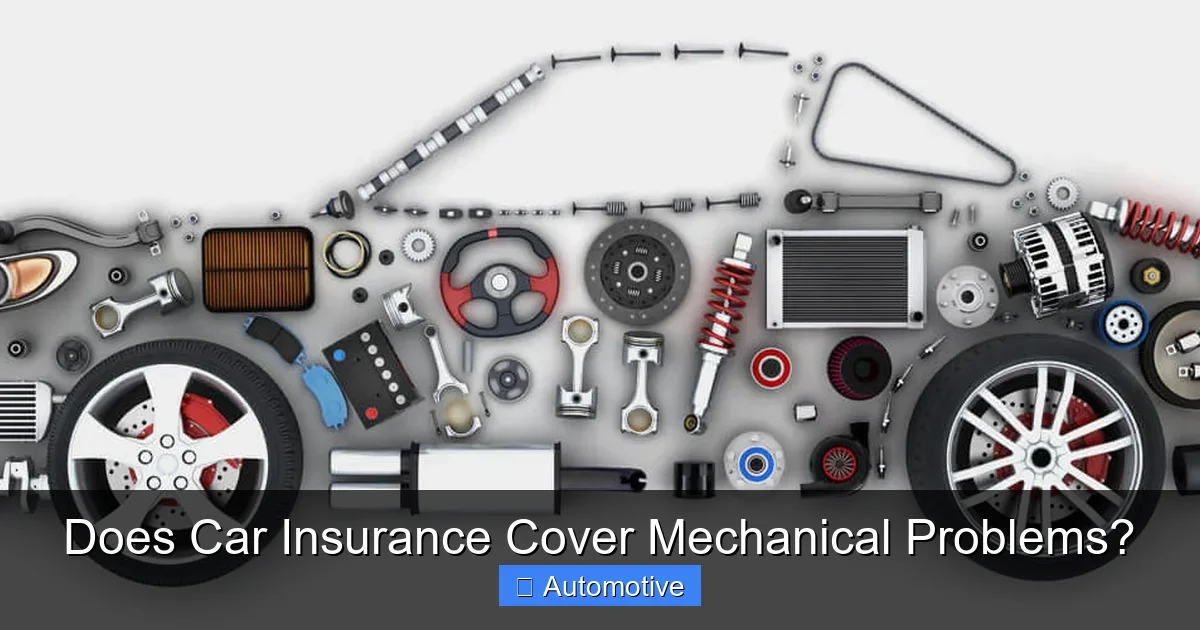
Unlike standard auto insurance, MBI is specifically designed to handle mechanical failures. It typically covers:
– Engine and engine cooling systems
– Transmission and drivetrain
– Electrical systems (alternator, starter, wiring)
– Fuel system components
– Steering and suspension
– Air conditioning and heating
Some plans even include roadside assistance, rental car reimbursement, and trip interruption benefits.
How MBI Differs from Extended Warranties
It’s easy to confuse mechanical breakdown insurance with extended warranties, but they’re not the same. Extended warranties are usually sold by car manufacturers or dealerships and cover defects in materials or workmanship for a set period or mileage. They often come with your new car and can be extended for additional years.
MBI, on the other hand, is offered by insurance companies and functions more like a traditional insurance policy. You pay a premium, and if a covered component fails, the insurer pays for repairs (minus any deductible). MBI often has broader coverage and may include wear-and-tear items that extended warranties exclude.
For example, an extended warranty might cover a faulty transmission solenoid but not a worn clutch. An MBI plan might cover both, depending on the terms.
Is MBI Worth It?
That depends on your vehicle, driving habits, and budget. If you drive an older car with high mileage, MBI can provide valuable peace of mind. Newer cars under factory warranty may not need it, but if your warranty is about to expire, adding MBI could be a smart move.
Costs vary widely—typically ranging from $500 to $2,000 for a multi-year plan—so shop around and read the fine print. Look for plans with low deductibles, broad coverage, and reputable providers.
Keep in mind that MBI usually doesn’t cover routine maintenance like oil changes, tires, or brakes. It’s meant for major component failures, not everyday upkeep.
Other Ways to Protect Against Mechanical Problems
Even without MBI, there are steps you can take to minimize the risk of mechanical breakdowns and unexpected repair costs.
Regular Maintenance Is Key
The single most effective way to prevent mechanical problems is to follow your vehicle’s maintenance schedule. This includes:
– Oil and filter changes every 3,000 to 7,500 miles (depending on your car and oil type)
– Tire rotations and alignments every 6,000 to 8,000 miles
– Brake inspections at least once a year
– Coolant flushes every 30,000 to 50,000 miles
– Timing belt replacement at the manufacturer’s recommended interval (usually 60,000–100,000 miles)
Skipping these services might save you money short-term, but it can lead to expensive repairs down the road. For instance, failing to replace a timing belt can cause catastrophic engine damage if it snaps.
Use Quality Parts and Fluids
Not all car parts are created equal. Using cheap aftermarket components or low-quality fluids can shorten the life of your vehicle’s systems. Stick to OEM (original equipment manufacturer) parts or reputable aftermarket brands whenever possible.
Similarly, use the correct type of oil, coolant, and transmission fluid specified in your owner’s manual. Using the wrong fluid can cause seals to degrade or systems to overheat.
Pay Attention to Warning Signs
Your car often gives you clues before a major breakdown occurs. Watch for:
– Check engine or warning lights
– Unusual noises (grinding, knocking, squealing)
– Vibrations or shaking while driving
– Reduced performance or poor fuel economy
– Leaks under the car
Addressing these issues early can prevent small problems from becoming big, expensive ones.
Consider a Pre-Purchase Inspection
If you’re buying a used car, always get a pre-purchase inspection from a trusted mechanic. This can uncover hidden mechanical issues before you sign the paperwork. It’s a small investment that can save you thousands in repairs.
Build an Emergency Fund
Even with the best maintenance, mechanical failures can still happen. Setting aside $50 to $100 per month in a dedicated car repair fund can help you cover unexpected expenses without derailing your budget.
Roadside Assistance: Help When You’re Stranded
While roadside assistance doesn’t fix mechanical problems, it can be a lifesaver when your car breaks down. Most auto insurers offer it as an add-on, and many credit cards and membership programs (like AAA) include it for free or at a low cost.
Roadside assistance typically covers:
– Towing to the nearest repair shop
– Jump-starts for dead batteries
– Flat tire changes
– Lockout service
– Fuel delivery if you run out
Some plans even offer trip interruption benefits, like hotel stays or rental cars if you’re far from home when your car breaks down.
For example, if your alternator fails in the middle of a road trip, roadside assistance can tow your car to a mechanic and help arrange a rental so you can continue your journey. It won’t pay for the alternator repair, but it reduces the stress and inconvenience.
How to Add Roadside Assistance
You can usually add roadside assistance when you purchase or renew your auto insurance policy. Costs are typically low—around $5 to $15 per year—making it a worthwhile investment for most drivers.
Alternatively, consider joining a service like AAA, which offers comprehensive roadside help, travel discounts, and other perks for an annual fee.
What to Do If Your Mechanical Problem Isn’t Covered
So, you’ve broken down, and your insurance won’t cover the repair. What now?
First, don’t panic. There are still options.
Negotiate with the Repair Shop
Many mechanics are willing to work with you on pricing, especially if you’re a repeat customer. Ask about discounts, payment plans, or used/remanufactured parts that cost less than new ones.
Some shops also offer financing options or accept third-party payment plans like CareCredit.
Check for Recalls or Manufacturer Programs
Sometimes, mechanical failures are due to known defects that the manufacturer has acknowledged. Check the National Highway Traffic Safety Administration (NHTSA) website or your carmaker’s site for recalls or customer service campaigns. If your issue is covered, repairs may be free—even years after purchase.
Explore Third-Party Warranty Providers
If your car is out of warranty but still relatively new, you might qualify for an extended warranty from a third-party provider. These plans can cover major repairs for a fraction of the cost of paying out of pocket.
Just be sure to research the company thoroughly—some are scams or have very restrictive terms.
Consider Selling or Trading In
If repair costs exceed your car’s value, it might be time to cut your losses. You can sell the car “as-is” to a junkyard or private buyer, or trade it in at a dealership (though you’ll likely get less than market value).
Use the proceeds toward a more reliable vehicle—one with a good maintenance history and possibly a remaining warranty.
Final Thoughts: Be Proactive, Not Reactive
At the end of the day, car insurance is not a substitute for proper vehicle care. While it protects you from financial disaster in the event of an accident or theft, it’s not designed to cover the inevitable wear and tear that comes with owning a car.
To avoid costly surprises:
– Maintain your vehicle regularly
– Address warning signs immediately
– Consider mechanical breakdown insurance if you drive an older or high-mileage car
– Add roadside assistance for emergency support
– Build a repair fund for unexpected expenses
By being proactive, you can extend the life of your vehicle, reduce the risk of breakdowns, and avoid the frustration of denied insurance claims.
Remember: your car is a complex machine with hundreds of moving parts. It needs care and attention—just like anything else you rely on. Treat it well, and it’ll take you where you need to go.
Frequently Asked Questions
Does car insurance cover engine failure?
Standard car insurance does not cover engine failure due to wear and tear, overheating, or lack of maintenance. However, if the failure results from a covered event like a collision or flood, comprehensive or collision coverage may apply.
Will my insurance pay for a blown transmission?
No, unless the transmission damage was caused by a covered incident such as an accident or vandalism. Normal transmission failure from age or use is not covered under standard policies.
What is mechanical breakdown insurance?
Mechanical breakdown insurance (MBI) is an optional add-on that covers repairs to major vehicle systems—like the engine, transmission, and electrical components—due to mechanical failure, even if it’s not caused by an accident.
Can I get coverage for my old car’s mechanical problems?
Yes, through mechanical breakdown insurance or an extended warranty, though availability and cost depend on the vehicle’s age, mileage, and condition. Some insurers exclude very old or high-mileage cars.
Does comprehensive insurance cover mechanical issues?
Only if the mechanical problem is a direct result of a covered event, such as fire, theft, or falling objects. It does not cover breakdowns from normal use or lack of maintenance.
How can I avoid unexpected car repair bills?
Follow your vehicle’s maintenance schedule, pay attention to warning signs, use quality parts, and consider adding mechanical breakdown insurance or roadside assistance to your policy.