Does Car Insurance Cover a Blown Engine

Contents
- 1 Key Takeaways
- 2 📑 Table of Contents
- 3 Does Car Insurance Cover a Blown Engine?
- 4 What Is a Blown Engine?
- 5 What Does Standard Car Insurance Cover?
- 6 When Might Insurance Cover a Blown Engine?
- 7 Alternative Coverage Options for Engine Repairs
- 8 How to Prevent a Blown Engine
- 9 What to Do If Your Engine Blows
- 10 Final Thoughts: Protecting Yourself from Engine Failure
- 11 Frequently Asked Questions


Most standard car insurance policies do not cover a blown engine unless it results from a covered incident like an accident or vandalism. However, mechanical breakdown insurance or an extended warranty may help. Understanding your coverage options can save you thousands in repair costs.
Key Takeaways
- Standard auto insurance typically excludes engine failure: Comprehensive and collision coverage won’t pay for a blown engine due to wear and tear, overheating, or mechanical issues.
- Mechanical breakdown insurance (MBI) may cover engine repairs: This add-on policy, offered by some insurers, covers repairs to major components like the engine and transmission.
- Extended warranties can help with engine problems: Purchased separately or from a dealer, these plans often cover engine failure beyond the manufacturer’s warranty period.
- Accident-related engine damage might be covered: If your engine blows due to a collision or hitting debris, collision coverage may apply.
- Regular maintenance prevents most engine failures: Keeping up with oil changes, coolant checks, and tune-ups reduces the risk of a blown engine.
- Check your policy details carefully: Coverage varies by insurer and plan—always review your declarations page or speak with your agent.
- Consider roadside assistance for emergency help: While it won’t pay for repairs, it can tow your car to a shop if the engine fails on the road.
📑 Table of Contents
- Does Car Insurance Cover a Blown Engine?
- What Is a Blown Engine?
- What Does Standard Car Insurance Cover?
- When Might Insurance Cover a Blown Engine?
- Alternative Coverage Options for Engine Repairs
- How to Prevent a Blown Engine
- What to Do If Your Engine Blows
- Final Thoughts: Protecting Yourself from Engine Failure
Does Car Insurance Cover a Blown Engine?
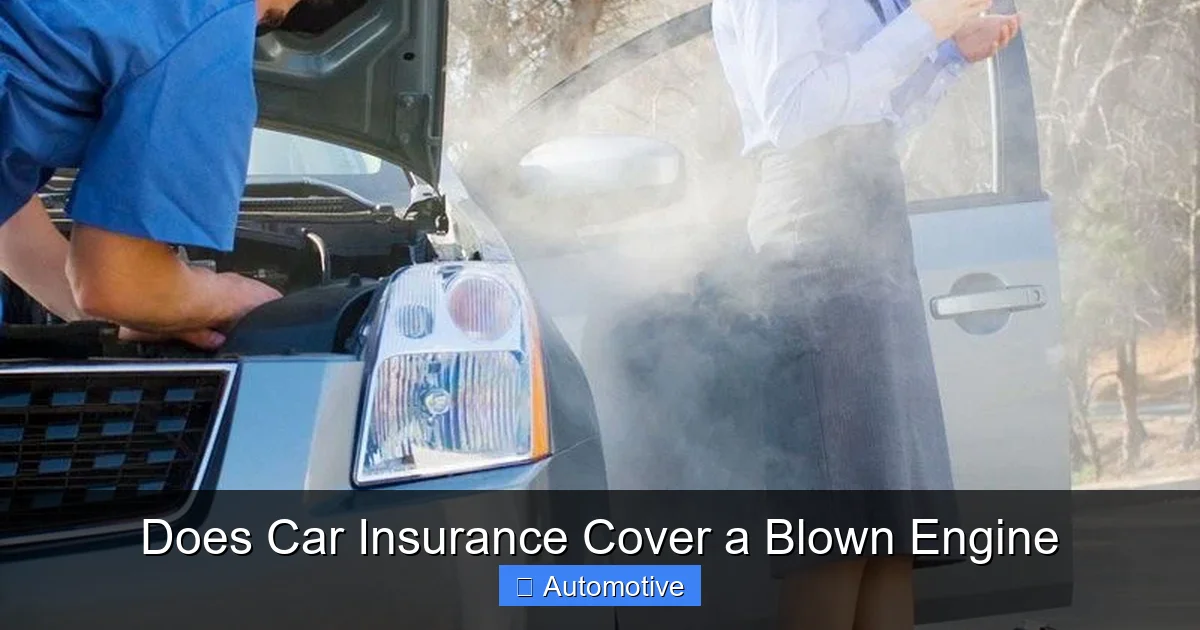
Picture this: You’re cruising down the highway, enjoying the breeze through your open window, when suddenly—your car starts making a loud knocking noise. The check engine light flashes, and within minutes, your vehicle sputters to a halt. You pop the hood and see smoke rising from the engine. Your heart sinks. You’re facing a blown engine—and the repair bill could run into the thousands.
Now, the big question hits: Will your car insurance cover this expensive problem?
The short answer? Probably not—unless specific conditions are met. Most standard auto insurance policies are designed to cover damage from accidents, theft, vandalism, or natural disasters—not mechanical failures like a blown engine. But that doesn’t mean you’re completely out of luck. There are exceptions, add-ons, and alternative protection plans that might help.
In this guide, we’ll break down exactly what car insurance does—and doesn’t—cover when it comes to engine failure. We’ll explore the types of policies that might help, explain why engines blow in the first place, and give you practical tips to protect yourself from costly repairs. Whether you’re driving a brand-new sedan or a trusty 10-year-old SUV, understanding your coverage options could save you from a financial headache.
What Is a Blown Engine?
Before we dive into insurance, let’s clarify what we mean by a “blown engine.” This term is often used loosely, but it generally refers to severe internal damage that prevents the engine from functioning. It doesn’t always mean the engine literally explodes—though that can happen in extreme cases.
Common Signs of a Blown Engine
You might notice one or more of these warning signs:
Visual guide about Does Car Insurance Cover a Blown Engine
Image source: gebhardtinsurancegroup.com
- Loud knocking or clunking noises from under the hood
- White or blue smoke pouring from the exhaust
- Engine overheating, even after coolant top-offs
- Loss of power or sudden stalling
- Oil leaking onto the ground or mixing with coolant (milky oil on the dipstick)
- The check engine light stays on, even after diagnostics
What Causes an Engine to Blow?
A blown engine usually results from one of several underlying issues:
- Overheating: Running the engine without enough coolant or with a faulty thermostat can cause metal parts to warp or seize.
- Lack of oil: Oil lubricates moving parts. Without it, friction increases, leading to overheating and component failure.
- Detonation (engine knocking): Using the wrong fuel or having a timing issue can cause uncontrolled combustion, damaging pistons and cylinders.
- Worn-out components: Over time, parts like piston rings, bearings, or head gaskets degrade and fail.
- Manufacturer defects: Rare, but some engines have design flaws that lead to premature failure.
For example, imagine you forget to check your oil for months. The level drops dangerously low, and during a long drive, the engine overheats. The pistons seize, and the engine stops. This is a classic case of a blown engine due to neglect—and it’s not something standard insurance will cover.
What Does Standard Car Insurance Cover?
To understand whether your insurance will pay for a blown engine, you need to know what your policy includes. Most drivers carry three main types of coverage: liability, collision, and comprehensive. Let’s look at each.
Liability Coverage
This is the minimum required in most states. It covers damage you cause to other people’s property or injuries in an accident. It does not cover your own vehicle—so a blown engine? Nope, not covered.
Visual guide about Does Car Insurance Cover a Blown Engine
Image source: i.pinimg.com
Collision Coverage
This pays for damage to your car after a crash with another vehicle or object—like a tree or guardrail. If you hit a pothole so hard that it damages your engine mounts or causes internal damage, there’s a chance collision coverage might apply. But if the engine fails due to internal wear, overheating, or lack of maintenance, it won’t be covered.
Comprehensive Coverage
This covers non-collision events like theft, vandalism, fire, hail, or hitting an animal. If a fallen tree limb smashes your hood and damages the engine, comprehensive might pay. But again, if the engine fails due to mechanical issues, it’s excluded.
In short: Standard auto insurance is not designed to cover mechanical breakdowns. It’s meant for sudden, external events—not slow deterioration or internal failures.
When Might Insurance Cover a Blown Engine?
While routine engine failure isn’t covered, there are rare situations where your policy might kick in.
Accident-Related Engine Damage
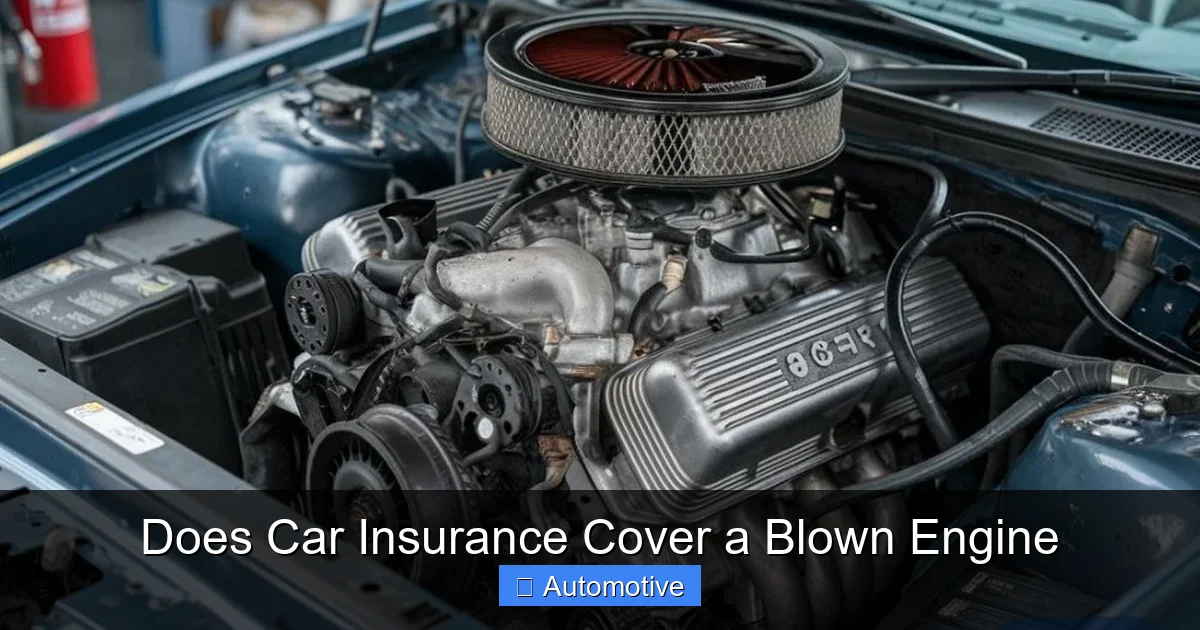
If you’re in a collision and the impact causes your engine to fail—say, a front-end crash damages the oil pan and leads to a seized engine—your collision coverage may pay for repairs. The key is proving the accident directly caused the failure.
Visual guide about Does Car Insurance Cover a Blown Engine
Image source: cdn.stratospherewebsites.com
For instance, imagine you swerve to avoid a deer and hit a curb. The oil pan cracks, oil leaks out, and the engine overheats and seizes within minutes. If you can show the timeline and damage, your insurer might approve the claim.
Vandalism or Theft-Related Damage
If someone breaks into your car and tampers with the engine—like draining the oil or cutting coolant lines—comprehensive coverage may cover the resulting damage. This is rare, but possible.
Manufacturer Recalls or Lemon Laws
If your engine fails due to a known defect and the manufacturer issues a recall, they may repair or replace it at no cost. Some states also have “lemon laws” that protect buyers of defective new cars. While this isn’t insurance, it’s a form of protection.
Acts of Nature
If a flood submerges your car and water enters the engine, causing it to hydrolock and fail, comprehensive coverage may apply. However, you must have comprehensive coverage, and the damage must be directly tied to the weather event.
These scenarios are exceptions, not the rule. Most blown engines happen gradually due to wear, neglect, or overheating—none of which are covered by standard policies.
Alternative Coverage Options for Engine Repairs
Since standard insurance won’t help with most engine problems, you’ll need to look elsewhere for protection. Here are the best options.
Mechanical Breakdown Insurance (MBI)
Also called “repair coverage” or “component coverage,” MBI is an add-on offered by some insurers (like USAA, American Family, or Nationwide). It covers repairs to major systems—engine, transmission, electrical, air conditioning—beyond what a warranty covers.
For example, if your 5-year-old car’s engine fails due to a blown head gasket, MBI might pay for the $3,000 repair. Policies vary, so check deductibles, limits, and exclusions.
Extended Warranties (Service Contracts)
Often sold by dealerships or third-party providers, extended warranties cover repairs after the manufacturer’s warranty expires. They can be comprehensive (“bumper-to-bumper”) or powertrain-only (engine, transmission, drivetrain).
Let’s say you buy a 3-year extended warranty that covers the engine. Two years later, the timing belt snaps and damages internal components. The warranty pays for the repair. Just be sure to read the fine print—some exclude pre-existing conditions or require specific maintenance records.
Manufacturer Powertrain Warranties
New cars often come with a powertrain warranty (e.g., 5 years/60,000 miles). This covers the engine, transmission, and drivetrain. If your engine fails within this period due to a defect, the manufacturer will fix it for free.
For instance, Hyundai offers a 10-year/100,000-mile powertrain warranty. If your engine blows at 80,000 miles due to a factory flaw, they’ll replace it.
Credit Card or Auto Club Benefits
Some premium credit cards or auto clubs (like AAA) offer mechanical repair reimbursement or discounts. While not full coverage, they can reduce out-of-pocket costs.
How to Prevent a Blown Engine
The best way to avoid engine failure—and the repair bills—is prevention. Most blown engines result from neglect, not bad luck.
Follow the Maintenance Schedule
Your owner’s manual lists recommended services. Stick to them. Key tasks include:
- Oil changes every 5,000–7,500 miles (or as recommended)
- Coolant flushes every 30,000–50,000 miles
- Replacing spark plugs and air filters
- Checking belts and hoses for cracks
Monitor Warning Lights
Don’t ignore the check engine light. Use an OBD2 scanner to read error codes, or visit a mechanic. A small issue—like a faulty coolant sensor—can lead to overheating and engine damage if ignored.
Watch Fluid Levels
Check oil and coolant weekly. Low oil? Top it off. Coolant low? Add the right mix. Running low on either can cause catastrophic failure.
Avoid Overheating
If your temperature gauge rises, pull over safely and turn off the engine. Let it cool before checking coolant. Driving while overheated can warp cylinder heads and ruin the engine.
Use the Right Fuel and Oil
Use the octane rating recommended in your manual. For oil, stick to the viscosity grade (e.g., 5W-30). Using the wrong type can increase wear.
Don’t Ignore Strange Noises
Knocking, ticking, or grinding sounds are red flags. Have them checked immediately. A $100 diagnostic could save you $3,000 in repairs.
What to Do If Your Engine Blows
Even with the best care, engine failure can happen. Here’s what to do.
Stop Driving Immediately
If you hear knocking or see smoke, pull over and turn off the engine. Continuing to drive can cause more damage.
Call for a Tow
Use roadside assistance (if you have it) or call a tow truck. Don’t attempt to drive the car—it could cause a fire or further damage.
Get a Professional Diagnosis
Take your car to a trusted mechanic. They’ll determine if the engine can be repaired or needs replacement. A rebuild might cost $2,500–$4,000; a replacement engine can run $5,000–$10,000.
Check Your Coverage
Review your insurance policy, extended warranty, or MBI plan. Contact your provider to see if the failure is covered. Have your maintenance records ready—they may be required.
Consider Your Options
If the repair cost exceeds the car’s value, you might be better off selling it for parts or trading it in. Some dealerships accept cars with engine problems, though at a steep discount.
Final Thoughts: Protecting Yourself from Engine Failure
So, does car insurance cover a blown engine? In most cases, no—unless the failure results from a covered event like an accident or vandalism. Standard policies are not mechanical warranties. They’re designed for sudden, external damage, not internal wear and tear.
But that doesn’t mean you’re helpless. By understanding your coverage options—like mechanical breakdown insurance, extended warranties, and manufacturer protections—you can reduce your risk. And by maintaining your vehicle properly, you can prevent most engine failures before they happen.
Think of it this way: Your car is like your body. You wouldn’t expect health insurance to cover a heart attack caused by poor diet and lack of exercise. Similarly, car insurance won’t cover an engine failure caused by skipped oil changes and overheating. But with the right preventive care and smart coverage choices, you can keep your engine—and your wallet—running smoothly for years to come.
Frequently Asked Questions
Does liability insurance cover a blown engine?
No, liability insurance only covers damage you cause to others. It does not pay for repairs to your own vehicle, including engine failure.
Will my insurance pay if my engine blows due to overheating?
Generally, no. Overheating is considered a mechanical issue or result of poor maintenance, which is excluded from standard policies. However, if overheating was caused by a covered event like a collision, it might be covered.
Can I add engine coverage to my existing car insurance?
Some insurers offer mechanical breakdown insurance (MBI) as an add-on. Check with your provider to see if it’s available. Otherwise, you’ll need a separate extended warranty.
What’s the difference between an extended warranty and mechanical breakdown insurance?
An extended warranty is typically sold by dealers or third parties and covers repairs after the factory warranty ends. MBI is offered by some insurers and works like insurance, often with deductibles and claim processes.
Will my credit card cover engine repairs?
Some premium credit cards offer purchase protection or extended warranty benefits, but they rarely cover mechanical breakdowns. Check your card’s terms for details.
Should I buy an extended warranty to protect against engine failure?
It depends on the car’s age, mileage, and reliability. For older or high-mileage vehicles, an extended warranty might be worth it. For newer, reliable models, regular maintenance may be enough.