Does a Lift Kit Void the Warranty on a Gmc?

Contents
- 1 Key Takeaways
- 2 📑 Table of Contents
- 3 Understanding Your GMC Warranty
- 4 How Lift Kits Affect Your GMC’s Warranty
- 5 Your Rights Under Federal Law
- 6 Choosing the Right Lift Kit for Your GMC
- 7 Dealing with GMC Dealers and Service Centers
- 8 Alternatives and Additional Protection
- 9 Conclusion
- 10 Frequently Asked Questions


Installing a lift kit on your GMC doesn’t automatically void your entire warranty—but it can affect coverage for related components. The key is understanding the Magnuson-Moss Warranty Act and how manufacturers evaluate damage claims. With proper documentation and smart choices, you can lift your truck and keep most of your warranty intact.
So, you’ve got your hands on a rugged GMC Sierra or a bold Yukon, and you’re dreaming of bigger tires, improved off-road capability, and that aggressive lifted stance. A lift kit seems like the perfect upgrade—until you start wondering: *Will this void my warranty?* It’s a fair and common concern, especially when you’ve invested in a new or certified pre-owned vehicle still under factory protection.
The short answer? **No, a lift kit doesn’t automatically void your entire GMC warranty.** But—and this is a big but—it can affect your coverage, particularly for parts directly related to the modification. Think suspension, steering, drivetrain, and even the frame. The good news is that federal law protects you from blanket warranty denials just because you’ve customized your truck. The bad news? You’ll need to be smart, informed, and proactive to keep your warranty intact.
In this guide, we’ll walk you through everything you need to know about lift kits and GMC warranties. From understanding your legal rights to choosing the right kit and installer, we’ll help you make informed decisions so you can enjoy your lifted GMC without constant worry about repair costs. Whether you’re eyeing a 2-inch leveling kit or a full 6-inch suspension lift, this article will give you the clarity and confidence to move forward.
Key Takeaways
- A lift kit does not automatically void your entire GMC warranty. Only components directly affected by the modification may be excluded from coverage.
- The Magnuson-Moss Warranty Act protects consumers. Manufacturers must prove the lift kit caused the damage to deny a claim.
- Suspension and drivetrain parts are most at risk. Issues with shocks, axles, or steering may be denied if linked to the lift.
- Document everything—installation, parts, and maintenance. Keep receipts and service records to support warranty claims.
- Choose reputable brands and professional installation. Poor-quality kits or DIY errors increase the chance of warranty disputes.
- Dealer relationships matter. Some GMC dealers are more modification-friendly than others—know your service center’s stance.
- Consider a warranty add-on or extended coverage. Third-party plans may offer protection for modified vehicles.
📑 Table of Contents
Understanding Your GMC Warranty
Before diving into lift kits, it’s important to understand what your GMC warranty actually covers. GMC vehicles come with a comprehensive factory warranty that typically includes:
– **Bumper-to-bumper coverage** for 3 years or 36,000 miles (whichever comes first)
– **Powertrain warranty** for 5 years or 60,000 miles
– **Rust perforation warranty** for 6 years or 100,000 miles
– **Roadside assistance and courtesy transportation** during warranty repairs
This warranty is designed to protect you against defects in materials or workmanship. It covers repairs needed because the vehicle wasn’t built correctly—not because of normal wear, accidents, or modifications.
Now, here’s the critical point: **warranties are not all-or-nothing.** Just because you modify one part of your truck doesn’t mean GMC can legally void the entire warranty. They can only deny coverage for issues that are directly caused by the modification.
For example, if you install a lift kit and later experience a failure in the rear differential, GMC can deny the claim *only if* they can prove the lift kit caused the failure. If your radio stops working or your air conditioning fails, those issues are unrelated—and still covered.
What the Warranty Covers (and What It Doesn’t)
Your GMC warranty covers factory defects. That means if a part breaks because it was poorly made or installed incorrectly at the factory, GMC will fix it for free. However, it does *not* cover:
– Damage from accidents, misuse, or off-road abuse
– Wear-and-tear items like brake pads, tires, or wiper blades
– Damage caused by aftermarket modifications
– Improper maintenance or lack of service
This is where lift kits come into play. While the lift itself isn’t inherently damaging, it changes how your truck operates. It alters weight distribution, suspension geometry, and stress on components. If those changes lead to a failure, GMC may argue the lift kit is to blame.
The Role of the Magnuson-Moss Warranty Act
This is where federal law steps in to protect you. The **Magnuson-Moss Warranty Act** is a U.S. law passed in 1975 that governs consumer product warranties. One of its most important provisions is that **manufacturers cannot void a warranty simply because a vehicle has been modified**—unless they can prove the modification caused the specific problem.
In other words, GMC can’t say, “You lifted your truck, so your warranty is void.” But they *can* say, “We won’t cover your broken axle because the lift kit put excessive stress on it.”
This law puts the burden of proof on the manufacturer. If you file a warranty claim, GMC must investigate and demonstrate a direct link between the lift kit and the failure. If they can’t, they must honor the warranty.
This protection is crucial for truck owners who want to customize their vehicles. It means you’re not forced to choose between personalization and peace of mind.
How Lift Kits Affect Your GMC’s Warranty

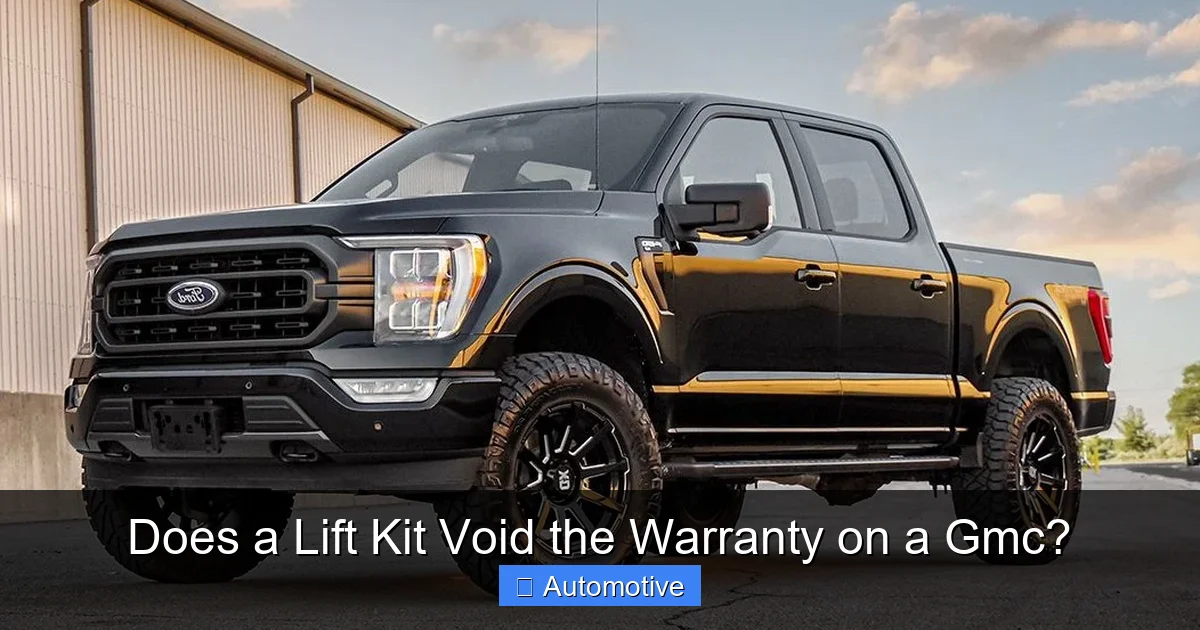
Visual guide about Does a Lift Kit Void the Warranty on a Gmc?
Image source: offgridessential.com
Now let’s get into the nitty-gritty: how exactly do lift kits impact your warranty? The answer depends on the type of lift, the quality of installation, and which parts fail.
Types of Lift Kits and Their Risks
Not all lift kits are created equal. The two main types are:
– **Body lift kits:** These use spacers to raise the body off the frame. They’re less invasive and typically don’t affect suspension components. Because they don’t alter drivetrain geometry, they pose a lower risk to your warranty.
– **Suspension lift kits:** These replace or modify suspension components (like shocks, springs, and control arms) to raise the entire vehicle. They’re more complex and can significantly impact how your truck handles and wears.
Suspension lifts are more likely to raise red flags with warranty claims, especially if they exceed 2–3 inches. Larger lifts (4 inches or more) often require additional modifications—like extended brake lines, driveshaft adjustments, or steering upgrades—which can complicate warranty assessments.
Components Most Likely to Be Affected
When you lift your GMC, certain systems are under increased stress. These are the areas where warranty claims are most likely to be challenged:
– **Suspension system:** Shocks, struts, springs, and control arms may wear faster or fail prematurely due to altered angles and increased load.
– **Steering components:** Tie rods, steering knuckles, and the steering box can experience excessive wear if not properly aligned after a lift.
– **Drivetrain:** CV joints, axles, and differentials may suffer from increased angles and torque stress, especially with larger lifts.
– **Frame and body mounts:** In extreme cases, lifting can cause stress cracks or misalignment, particularly if the kit is poorly designed or installed.
If any of these parts fail, GMC may investigate whether the lift kit contributed to the issue. For example, if your front CV joint fails after a 6-inch lift, the dealer might argue that the increased operating angle caused premature wear.
Real-World Example: A Denied Claim
Let’s say you install a 4-inch suspension lift on your GMC Sierra. Six months later, your rear differential starts making noise and eventually fails. You take it to the dealer for a warranty repair.
The technician inspects the vehicle and notes the lift kit. They find that the driveshaft angle is now steeper than factory specifications, which can increase stress on the differential. Based on this, they deny the warranty claim, stating the lift kit caused the failure.
In this case, GMC has a strong argument—because they can show a direct mechanical link between the modification and the damage. However, if you had installed a 2-inch leveling kit and the same differential failed, the argument would be weaker, as the change in geometry is minimal.
This is why the *degree* of modification matters. Smaller, well-designed lifts are less likely to trigger warranty disputes.
Your Rights Under Federal Law
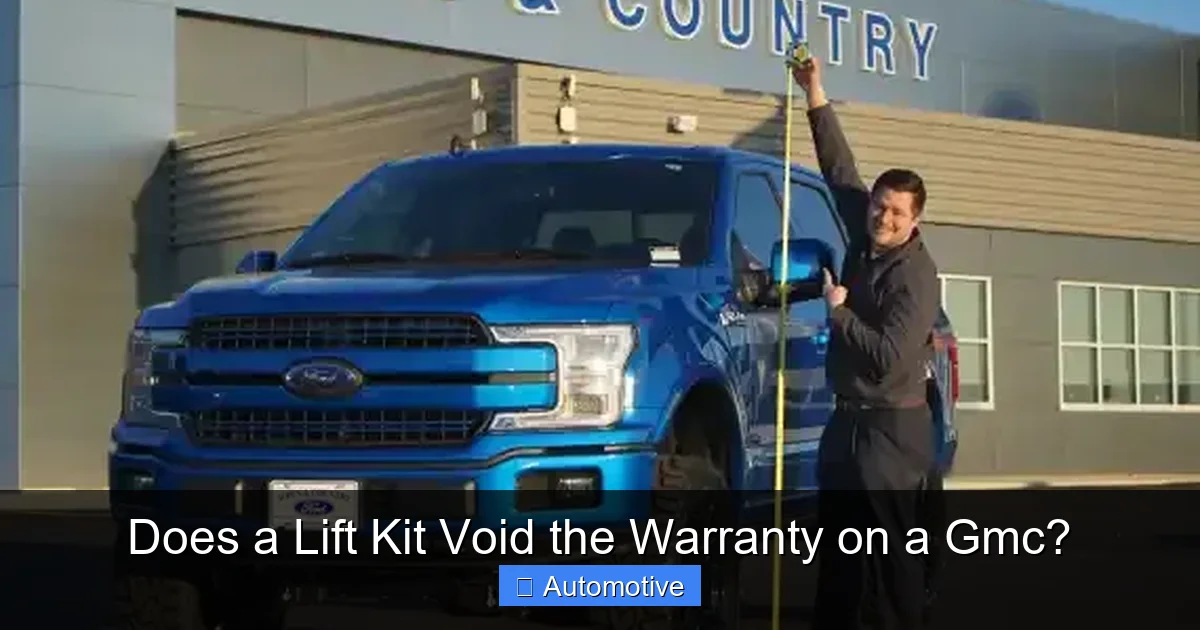
Visual guide about Does a Lift Kit Void the Warranty on a Gmc?
Image source: gigawheels.com
It’s easy to feel powerless when facing a warranty denial, but remember: you have rights. The Magnuson-Moss Warranty Act is your best defense.
What the Law Says
Under this law:
– Manufacturers cannot void a warranty solely because a vehicle has been modified.
– They must prove that the modification directly caused the failure.
– They cannot require you to use only OEM (original equipment manufacturer) parts unless they provide them for free.
– They must honor the warranty unless they can demonstrate a causal link.
This means GMC can’t say, “You used an aftermarket lift kit, so no more warranty.” But they *can* say, “We won’t cover your broken axle because the lift kit caused excessive stress.”
How to Protect Yourself
To strengthen your position in case of a dispute:
– **Keep detailed records:** Save receipts for the lift kit, installation, and any related parts. Document the date of installation and who performed it.
– **Use reputable brands:** Choose well-known lift kit manufacturers (like Rough Country, BDS Suspension, or Fabtech) with good track records.
– **Get professional installation:** Have the lift installed by a certified mechanic or shop. Ask for a written report or inspection summary.
– **Follow maintenance schedules:** Continue regular oil changes, alignments, and inspections. A well-maintained vehicle is harder to deny.
– **Communicate with your dealer:** Let them know about the modification upfront. Some dealers appreciate transparency and may be more cooperative.
If a warranty claim is denied, ask for a written explanation. If you believe the denial is unfair, you can file a complaint with the Federal Trade Commission (FTC) or seek legal advice.
Choosing the Right Lift Kit for Your GMC
Visual guide about Does a Lift Kit Void the Warranty on a Gmc?
Image source: gigawheels.com
Not all lift kits are equal—and your choice can significantly impact warranty risk. Here’s how to pick wisely.
Consider the Lift Height
– **1–2 inches (leveling kits):** These are the safest option. They level the front and rear, improving appearance and allowing slightly larger tires. Minimal impact on geometry and warranty risk.
– **3–4 inches:** Moderate lift. May require minor adjustments but generally acceptable if done correctly.
– **5+ inches:** High risk. Often requires extensive modifications and can strain factory components. Warranty disputes are more likely.
For most GMC owners, a 2-inch leveling kit offers the best balance of style, function, and warranty protection.
Brand Matters
Stick with trusted brands that design kits specifically for GMC models. Avoid cheap, generic kits from unknown sellers. Quality kits include proper geometry correction, reinforced components, and detailed instructions.
Some top brands for GMC trucks include:
– **BDS Suspension:** Known for precision engineering and lifetime warranty on parts.
– **Fabtech:** Offers complete systems with alignment specs and tech support.
– **Rough Country:** Affordable with good customer service and installation guides.
– **Pro Comp:** Reliable kits with a focus on off-road performance.
Professional Installation Is Key
Even the best kit can cause problems if installed incorrectly. A professional installer will:
– Perform a pre-lift inspection
– Align the suspension properly
– Check drivetrain angles
– Torque all bolts to spec
– Provide a post-installation report
This documentation can be invaluable if you ever need to defend a warranty claim.
Dealing with GMC Dealers and Service Centers
Not all GMC dealers are created equal when it comes to modified vehicles. Some are more accepting of lifts than others.
Know Your Dealer’s Policy
Before installing a lift, call your local GMC service center and ask:
– “Do you service lifted vehicles?”
– “Have you seen warranty claims denied due to lift kits?”
– “Do you require documentation for modifications?”
Some dealers are happy to work with lifted trucks, especially if they’re common in your area (like in Texas or Colorado). Others may be more cautious.
Build a Good Relationship
If you plan to keep your GMC for years, build trust with your service advisor. Be honest about modifications, follow maintenance schedules, and treat the staff with respect. A good relationship can go a long way if a warranty issue arises.
What to Do If a Claim Is Denied
If GMC denies a warranty claim related to your lift kit:
1. **Ask for a written explanation.** They must provide the reason.
2. **Review the Magnuson-Moss Act.** Confirm whether the denial is justified.
3. **Gather your documentation.** Receipts, installation records, maintenance logs.
4. **Appeal the decision.** Speak with a service manager or regional representative.
5. **File a complaint.** If unresolved, contact the FTC or your state’s consumer protection agency.
In many cases, a polite but firm appeal—backed by evidence—can reverse a denial.
Alternatives and Additional Protection
If you’re still concerned about warranty coverage, consider these options.
Extended Warranties and Third-Party Plans
Some extended warranty providers offer coverage for modified vehicles. Companies like:
– **CarShield**
– **Endurance**
– **Protect My Car**
may cover lifted trucks, though often at a higher cost and with specific terms. Read the fine print carefully—some exclude suspension or drivetrain damage.
Warranty Add-Ons from Lift Kit Manufacturers
Some lift kit brands offer their own warranty protection. For example, BDS provides a lifetime warranty on suspension components, which can help offset repair costs if factory coverage is denied.
DIY vs. Professional: Weighing the Risks
While DIY installation saves money, it increases the risk of errors—like improper torque, misalignment, or damaged components. These mistakes can give GMC a legitimate reason to deny claims.
If you’re not experienced with suspension work, hire a pro. The peace of mind is worth the cost.
Conclusion
So, does a lift kit void the warranty on a GMC? The answer is nuanced. **A lift kit does not automatically void your entire warranty, but it can affect coverage for related components—especially if the modification causes damage.**
Your best defense is knowledge, preparation, and smart choices. Understand your rights under the Magnuson-Moss Warranty Act, choose a reputable lift kit, have it professionally installed, and keep thorough records. By doing so, you can enjoy the look and performance of a lifted GMC while minimizing the risk to your warranty.
Remember: GMC can only deny claims if they prove the lift caused the problem. With proper documentation and maintenance, you’re in a strong position to protect your investment.
Lifting your GMC isn’t just about style—it’s about capability, adventure, and personal expression. And with the right approach, you can do it confidently, knowing your warranty is still there when you need it.
Frequently Asked Questions
Does installing a lift kit automatically void my GMC warranty?
No, a lift kit does not automatically void your entire GMC warranty. Only components directly affected by the modification may be excluded from coverage, and GMC must prove the lift caused the damage to deny a claim.
What parts of my GMC are most at risk after a lift?
Suspension, steering, and drivetrain components are most at risk. These parts experience increased stress and altered geometry after a lift, which can lead to premature wear or failure.
Can I install a lift kit myself without voiding the warranty?
Yes, but DIY installation increases the risk of errors that could lead to warranty denials. Professional installation with proper documentation is strongly recommended to protect your coverage.
What should I do if GMC denies a warranty claim after a lift?
Ask for a written explanation, gather your installation and maintenance records, and appeal the decision. If unresolved, you can file a complaint with the FTC or seek legal advice.
Are leveling kits safer for warranty coverage than full suspension lifts?
Yes, leveling kits (1–2 inches) have minimal impact on vehicle geometry and are less likely to cause warranty issues compared to larger suspension lifts.
Can I get an extended warranty for my lifted GMC?
Some third-party providers offer extended warranties for modified vehicles, but coverage varies. Read the terms carefully, as many exclude suspension or drivetrain damage caused by lifts.