Do I Need a Registration to Sell My Car

Selling your car doesn’t require you to have an active registration at the time of sale—but there are important legal and practical steps you must follow. While registration isn’t mandatory in most states, you’ll still need a valid title, proper documentation, and sometimes a smog check to complete the transaction legally and avoid future liability.
In This Article
- 1 Key Takeaways
- 2 📑 Table of Contents
- 3 Do I Need a Registration to Sell My Car? The Simple Answer
- 4 Understanding Car Registration vs. Car Title
- 5 What You Actually Need to Sell Your Car
- 6 State-by-State Variations: Know Your Local Laws
- 7 Selling to a Private Buyer vs. a Dealership
- 8 Common Mistakes to Avoid When Selling Your Car
- 9 Final Steps After the Sale
- 10 Conclusion: Sell Smart, Stay Legal
- 11 Frequently Asked Questions
- 11.1 Can I sell my car if the registration is expired?
- 11.2 Do I need to provide a smog check when selling my car?
- 11.3 What happens if I don’t file a release of liability?
- 11.4 Can I sell my car without a bill of sale?
- 11.5 Do I need to keep my license plates after selling the car?
- 11.6 Can I sell a car that’s still under loan?
Key Takeaways
- Registration is not always required: Most states allow you to sell a car without current registration, but you must have a valid title.
- Title is essential: You must be the legal owner with a clean, signed title to transfer ownership.
- Bill of sale matters: A written bill of sale protects both buyer and seller and is often required by the DMV.
- Smog and safety inspections: Some states require emissions or safety checks before a sale can be completed.
- Release of liability: Notify your state’s DMV after the sale to avoid responsibility for the car’s future use.
- Private vs. dealer sales: Rules may differ slightly when selling to a dealership versus a private buyer.
- Check your state’s laws: Requirements vary widely, so always verify local DMV regulations before listing your car.
📑 Table of Contents
- Do I Need a Registration to Sell My Car? The Simple Answer
- Understanding Car Registration vs. Car Title
- What You Actually Need to Sell Your Car
- State-by-State Variations: Know Your Local Laws
- Selling to a Private Buyer vs. a Dealership
- Common Mistakes to Avoid When Selling Your Car
- Final Steps After the Sale
- Conclusion: Sell Smart, Stay Legal
Do I Need a Registration to Sell My Car? The Simple Answer
So, you’ve decided it’s time to part ways with your car. Maybe you’re upgrading to something newer, downsizing, or just ready for a change. But before you slap a “For Sale” sign on the windshield, you’re probably wondering: *Do I need a registration to sell my car?*
The short answer? Not necessarily. In most states, you don’t need to have a current registration to sell your vehicle. What you *do* need is a valid title in your name, a clean record of ownership, and the right paperwork to legally transfer the car to the buyer. But while registration might not be a hard requirement, it can still play a role in the selling process—especially when it comes to inspections, test drives, and buyer confidence.
Let’s break it down so you can sell your car smoothly, legally, and without any nasty surprises down the road.
Understanding Car Registration vs. Car Title
Visual guide about Do I Need a Registration to Sell My Car
Image source: i2.wp.com
Before we dive deeper, it’s important to understand the difference between a car registration and a car title—because they’re not the same thing, even though people often confuse them.
Your car title is the legal document that proves you own the vehicle. It lists your name as the registered owner and includes key details like the Vehicle Identification Number (VIN), make, model, and year. When you sell your car, you must transfer this title to the buyer. Without a valid title, you can’t legally sell the car—no exceptions.
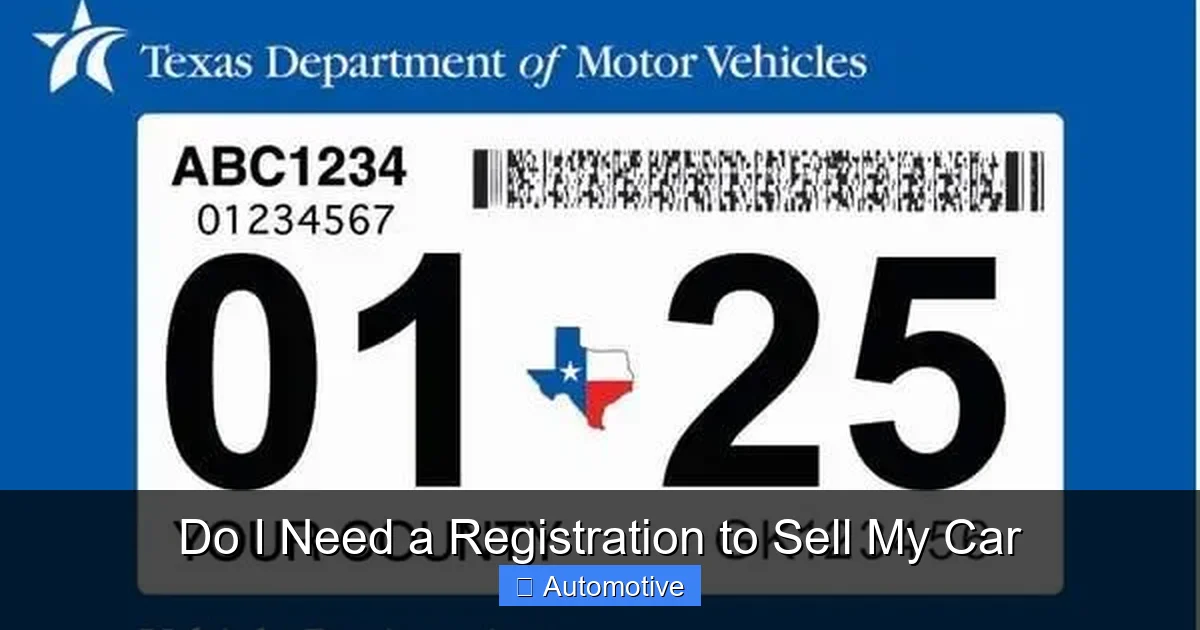
On the other hand, your car registration is a document (and usually a sticker or plate) that shows your vehicle is legally allowed to be driven on public roads. It’s tied to your insurance and must be renewed annually or biennially, depending on your state. Registration confirms that your car meets state safety and emissions standards and that you’ve paid the required fees.
So, while registration proves your car is road-legal *right now*, the title proves you’re the owner. And when it comes to selling, ownership is what matters most.
Why Registration Isn’t Always Required
Here’s the good news: most states don’t require your car to be currently registered at the time of sale. Why? Because once you sell the car, you’re no longer responsible for it. The buyer will need to register it in their name, insure it, and pay any applicable fees.
For example, if your registration expired last month, you can still sell the car—as long as you have the title and follow the proper transfer process. In fact, some sellers intentionally let their registration lapse before listing the car to save money, especially if they’ve already purchased a new vehicle.
But keep in mind: even if registration isn’t required, having it current can make your car more attractive to buyers. A registered car signals that it’s been maintained, inspected, and is ready to drive—no hidden issues.
What You Actually Need to Sell Your Car
Visual guide about Do I Need a Registration to Sell My Car
Image source: houston.culturemap.com
Now that we’ve cleared up the registration myth, let’s talk about what you *do* need to sell your car legally and safely.
1. A Valid and Signed Title
This is non-negotiable. You must have the car’s title in your name, and it must be signed over to the buyer at the time of sale. If the title is lost, damaged, or missing, you’ll need to apply for a duplicate from your state’s Department of Motor Vehicles (DMV) before you can sell.
Make sure there are no liens on the title. If you still owe money on the car (like an auto loan), the lender holds the title until the loan is paid off. In that case, you’ll need to pay off the loan first or work with the lender to transfer ownership during the sale.
Pro tip: Some states allow electronic titles or require notarization. Check your local DMV website for specifics.
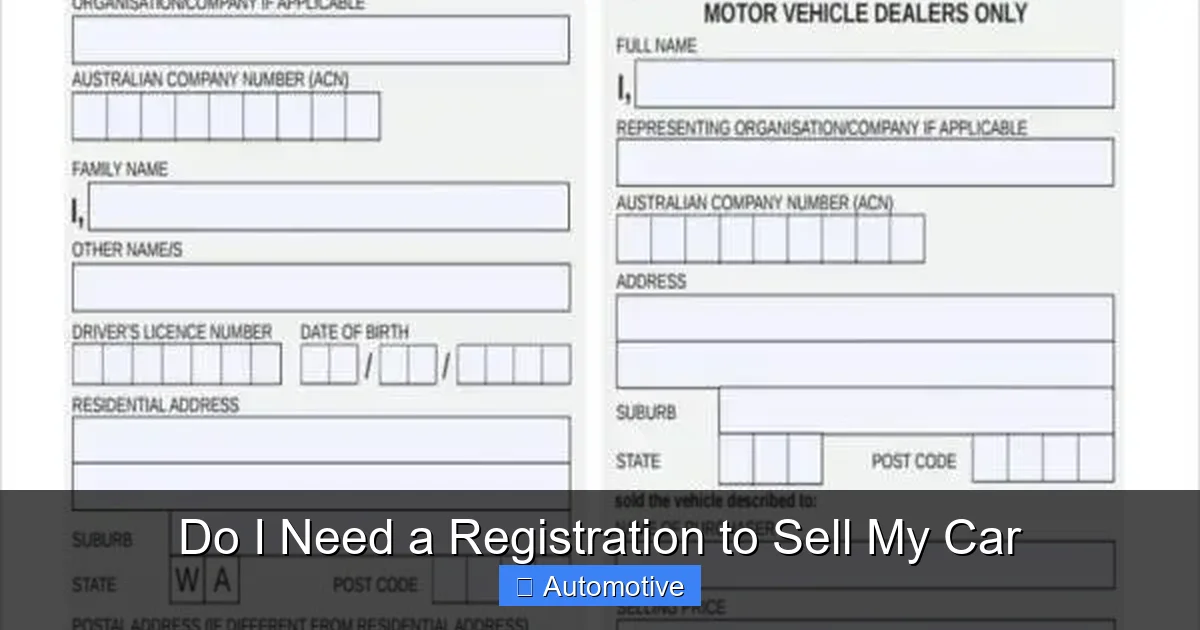
2. A Bill of Sale
A bill of sale is a written agreement between you and the buyer that outlines the terms of the transaction. It typically includes:
– Names and addresses of buyer and seller
– Vehicle details (make, model, year, VIN)
– Sale price
– Date of sale
– Odometer reading
– Signatures of both parties
While not always legally required, a bill of sale protects both parties. It proves the sale happened, which can help avoid disputes later. Some states even require it for tax purposes or to process the title transfer.
You can find free bill of sale templates online, or your DMV may provide one. Just make sure it’s filled out completely and signed in front of a notary if required.
3. Release of Liability Form
This is a crucial step many sellers forget. After you sell your car, you must notify the DMV that you’re no longer responsible for it. This is done by submitting a “release of liability” form (sometimes called a “notice of transfer”).
Why is this important? If the buyer doesn’t register the car or gets into an accident, and you haven’t filed this form, *you* could still be held liable. The DMV needs to know the car is no longer in your possession.
In most states, you can file this form online or by mail. Keep a copy for your records. Some states even allow you to check a box on the title itself to release liability.
4. Smog or Emissions Certificate (If Required)
Depending on where you live, your car may need to pass a smog or emissions test before it can be sold. This is common in states like California, Arizona, and Texas.
For example, in California, most vehicles must have a current smog check (within 90 days of sale) to transfer ownership. The seller is usually responsible for getting the test done and providing the certificate to the buyer.
If your car fails the test, you’ll need to repair it before selling—or disclose the issue to the buyer and adjust the price accordingly. Some buyers may walk away if the car doesn’t pass inspection.
5. Odometer Disclosure
Federal law requires you to disclose the vehicle’s mileage at the time of sale. This is typically done on the title or a separate odometer disclosure statement.
Why? To prevent odometer fraud. If you roll back the odometer or misrepresent the mileage, you could face serious legal consequences.
Always be honest about the car’s mileage. If the odometer is broken or hasn’t been working properly, note that in writing.
State-by-State Variations: Know Your Local Laws
Visual guide about Do I Need a Registration to Sell My Car
Image source: i.ytimg.com
Here’s the thing: car sale laws aren’t the same everywhere. What’s allowed in Florida might not fly in Oregon. That’s why it’s essential to check your state’s specific requirements before listing your car.
States Where Registration Is Not Required to Sell
Most states fall into this category. You can sell your car without current registration, as long as you have the title and follow the proper transfer process. Examples include:
– Texas
– Florida
– New York
– Illinois
– Pennsylvania
In these states, the buyer will need to register the car in their name within a certain timeframe (usually 30 days). They’ll also need to insure it and pay any back taxes or fees.
States with Additional Requirements
Some states have extra rules that can affect your sale:
– **California:** Requires a smog check for most vehicles. The seller must provide a certificate dated within 90 days of sale.
– **New Jersey:** Requires a safety inspection for used cars being sold. The inspection must be current (within 90 days).
– **Massachusetts:** Requires a safety and emissions inspection before the title can be transferred.
– **Virginia:** Requires a vehicle inspection within 15 days of sale.
Always visit your state’s DMV website or call them directly to confirm the rules. Don’t rely on hearsay or outdated information.
What If Your Registration Is Expired or Lost?
If your registration has expired, don’t panic. You can still sell the car. Just make sure your title is valid and you’ve completed all other required steps.
If you’ve lost your registration paperwork, you can usually request a duplicate from the DMV for a small fee. While it’s not required for the sale, having it can help answer buyer questions about the car’s history.
Pro tip: Keep all your car documents in one place—title, registration, maintenance records, and insurance papers. It makes selling much easier.
Selling to a Private Buyer vs. a Dealership
The process of selling your car can vary depending on who you’re selling to: a private individual or a dealership.
Private Sale: More Control, More Responsibility
Selling privately usually gets you a higher price than trading in at a dealership. But it also means more work on your end.
You’ll need to:
– Advertise the car (online, social media, classifieds)
– Respond to inquiries and schedule test drives
– Negotiate the price
– Handle the paperwork (title, bill of sale, release of liability)
And yes, even in a private sale, you still don’t need current registration—just the title and proper documentation.
Safety tip: Always meet in a public place for test drives, and consider bringing a friend. Never hand over the keys without verifying the buyer’s driver’s license and insurance.
Dealer Sale: Quicker, But Lower Price
Selling to a dealership is faster and easier. They handle the paperwork, registration, and title transfer. But you’ll likely get less money than in a private sale.
Dealers also have their own requirements. Some may ask for current registration or proof of insurance before accepting the car. Others might not care as long as you have the title.
If you’re trading in your car as part of a new purchase, the dealer will usually handle everything—including notifying the DMV and transferring ownership.
Common Mistakes to Avoid When Selling Your Car
Even with the best intentions, sellers often make mistakes that can delay the sale or cause legal issues. Here are some common pitfalls to avoid:
1. Forgetting to Release Liability
This is the #1 mistake. Failing to notify the DMV that you’ve sold the car can leave you on the hook for tickets, tolls, or accidents—even after you’ve handed over the keys.
Solution: File the release of liability form immediately after the sale. Most states allow online submission.
2. Not Having the Title Ready
If your title is lost, damaged, or still in the lender’s name, the sale can’t proceed. Don’t wait until the last minute to check.
Solution: Locate your title early. If it’s missing, apply for a duplicate right away.
3. Skipping the Bill of Sale
Some sellers think the title is enough. But without a bill of sale, there’s no proof of the transaction.
Solution: Always use a bill of sale, even if it’s not required. It’s a simple document that can prevent big problems.
4. Misrepresenting the Car’s Condition
Lying about accidents, mechanical issues, or mileage can lead to lawsuits or the buyer demanding a refund.
Solution: Be honest. Disclose any known problems in writing. It builds trust and protects you legally.
5. Letting Buyers Drive Without Insurance
Allowing someone to test drive your car without proper insurance is risky. If they get into an accident, you could be liable.
Solution: Verify the buyer’s insurance and driver’s license before any test drive. Some sellers require the buyer to add them to their policy temporarily.
Final Steps After the Sale
Once the sale is complete, your job isn’t quite done. Here’s what to do next:
1. Remove License Plates
In most states, you must remove your license plates before handing over the car. The buyer will need to get new plates or transfer existing ones.
Keep your plates—you can reuse them on your next vehicle or return them to the DMV.
2. Cancel or Transfer Insurance
Contact your insurance company to cancel coverage on the sold vehicle. If you’re buying a new car, you can often transfer the policy.
Don’t wait—driving without insurance is illegal, and you don’t want to pay for a car you no longer own.
3. Keep Records
Save copies of the bill of sale, title transfer, and release of liability form for at least a few years. You may need them if the buyer has issues or if the DMV contacts you later.
4. Update Your Address (If Needed)
If you’ve moved recently, make sure your DMV records are up to date. Otherwise, important notices about the sold car could go to the wrong address.
Conclusion: Sell Smart, Stay Legal
So, do you need a registration to sell your car? The answer is clear: no, not in most cases. What you *do* need is a valid title, proper documentation, and a solid understanding of your state’s laws.
Selling a car doesn’t have to be complicated. With the right preparation, you can complete the transaction quickly, legally, and without stress. Just remember the key steps: get your title in order, prepare a bill of sale, release liability, and follow up with insurance and plate removal.
Whether you’re selling privately or to a dealer, being informed is your best tool. Don’t let confusion or misinformation cost you time, money, or legal trouble. Take the time to do it right—your future self (and your buyer) will thank you.
And if you’re ever unsure, don’t hesitate to contact your local DMV. They’re there to help, and a quick call can save you a lot of headaches down the road.
Frequently Asked Questions
Can I sell my car if the registration is expired?
Yes, in most states you can sell a car with an expired registration as long as you have a valid title. The buyer will need to register the vehicle in their name after purchase.
Do I need to provide a smog check when selling my car?
It depends on your state. States like California and Arizona require a current smog check for most vehicles. Check your local DMV rules to confirm.
What happens if I don’t file a release of liability?
If you don’t notify the DMV that you’ve sold the car, you could still be held responsible for tickets, accidents, or tolls incurred by the new owner.
Can I sell my car without a bill of sale?
While not always required, a bill of sale is highly recommended. It protects both parties and provides proof of the transaction.
Do I need to keep my license plates after selling the car?
Yes, in most states you must remove and keep your license plates. The buyer will need to register the car and get new plates.
Can I sell a car that’s still under loan?
You can sell a car with an outstanding loan, but the loan must be paid off first. Work with your lender to coordinate the title transfer during the sale.