Do I Keep My License Plate When I Sell My Car
When you sell your car, whether you keep your license plate depends on your state’s laws. In most states, you remove and keep the plate, but some require it to stay with the vehicle. Knowing the rules helps avoid fines and ensures a smooth sale.
So, you’ve decided to sell your car. Maybe it’s time for an upgrade, or perhaps you’re downsizing. Either way, you’re probably thinking about the logistics—how to price it, where to advertise, and what paperwork you’ll need. But one question that often slips through the cracks is: *Do I keep my license plate when I sell my car?*
It’s a simple question, but the answer isn’t always straightforward. The rules depend heavily on where you live. In most states, you’ll walk away with your license plate in hand. In others, you’ll leave it on the car. And in a few rare cases, you might even have to surrender it to the DMV. Getting this wrong could lead to fines, liability issues, or headaches when registering your next vehicle.
This guide will walk you through everything you need to know about license plates and car sales. We’ll break down state-by-state rules, explain why it matters, and give you practical tips to make the process smooth and stress-free. Whether you’re selling to a private buyer, trading in at a dealership, or donating your car, understanding plate ownership is a crucial step in the process.
In This Article
- 1 Key Takeaways
- 2 📑 Table of Contents
- 3 Why License Plate Ownership Matters When Selling a Car
- 4 State-by-State Rules: Who Keeps the Plate?
- 5 Step-by-Step: What to Do When Selling Your Car
- 6 What to Do With Your Plate After the Sale
- 7 Common Mistakes to Avoid
- 8 Tips for a Smooth Car Sale
- 9 Conclusion
- 10 Frequently Asked Questions
- 10.1 Do I have to remove my license plate when selling my car?
- 10.2 Can I transfer my license plate to a new car?
- 10.3 What happens if I leave my plate on the car in a state that requires removal?
- 10.4 Do personalized plates stay with the car or the owner?
- 10.5 How do I notify the DMV after selling my car?
- 10.6 Can I keep my license plate if I’m not buying another car?
Key Takeaways
- State laws vary: Most states allow you to keep your license plate after selling a car, but a few require it to remain with the vehicle.
- Remove the plate before sale: To avoid liability for the new owner’s actions, always remove your plate unless state law says otherwise.
- Transfer or surrender may be required: Some states require you to surrender the plate or transfer registration within a set time after sale.
- Personalized plates are yours to keep: If you have custom or vanity plates, you typically retain them and can transfer or reuse them on a new vehicle.
- Document the sale properly: Use a bill of sale and notify the DMV to protect yourself from future tickets or fees.
- Check for fees or penalties: Failing to follow plate rules can result in fines or registration issues when buying your next car.
- Plan ahead for your next vehicle: Keeping your plate may simplify registration if you’re buying a new car soon.
📑 Table of Contents
Why License Plate Ownership Matters When Selling a Car
You might be wondering, “Why does it even matter who keeps the plate?” After all, it’s just a piece of metal with some numbers on it, right? Not quite. Your license plate is more than an identifier—it’s tied to your registration, insurance, and legal responsibility.
When you sell a car, the new owner becomes responsible for insuring and registering the vehicle. But if you leave your plate on the car and don’t properly notify the DMV, you could still be held liable for tickets, tolls, or even accidents involving that vehicle. That’s because the plate is still registered in your name.
For example, imagine you sell your car but leave the plate on it. The new owner gets a speeding ticket, but the citation goes to you because your name is still on the registration. Even if you weren’t driving, you could be stuck with the fine—or at least a lengthy process to prove you’re not responsible.
On the flip side, keeping your plate can be beneficial. If you’re buying a new car soon, you might be able to transfer your existing registration and avoid some fees. Plus, if you have a personalized plate you love, you’ll definitely want to keep it.
The Legal Connection Between Plates and Registration
In most states, the license plate is considered the property of the registered owner—not the vehicle itself. That means when you sell the car, you’re selling the vehicle, but not necessarily the plate. The plate stays with you unless state law says otherwise.
This distinction is important because it affects how you handle the transfer. In plate-keeping states, you remove the plate before handing over the keys. In plate-leaving states, you leave it on the car as part of the sale.
The key is knowing which category your state falls into. We’ll cover that in detail later, but for now, just remember: your plate is linked to your registration, and that registration determines who’s legally responsible.
Liability Risks of Leaving Your Plate On
One of the biggest risks of leaving your plate on a sold car is ongoing liability. Even after the sale, if the new owner doesn’t register the car in their name, your name may still appear in DMV records. That means any violations—like parking tickets, toll violations, or even reckless driving—could come back to you.
We’ve heard stories of sellers getting surprise tickets months after selling their car. One woman in Texas received a $200 fine for running a red camera, even though she hadn’t driven the car in over a year. It turned out the buyer never registered it, and the plate was still in her name.
To avoid this, always remove your plate unless your state requires you to leave it. And no matter what, make sure to notify the DMV of the sale. Most states allow you to do this online or by mail, and it’s often free.
State-by-State Rules: Who Keeps the Plate?
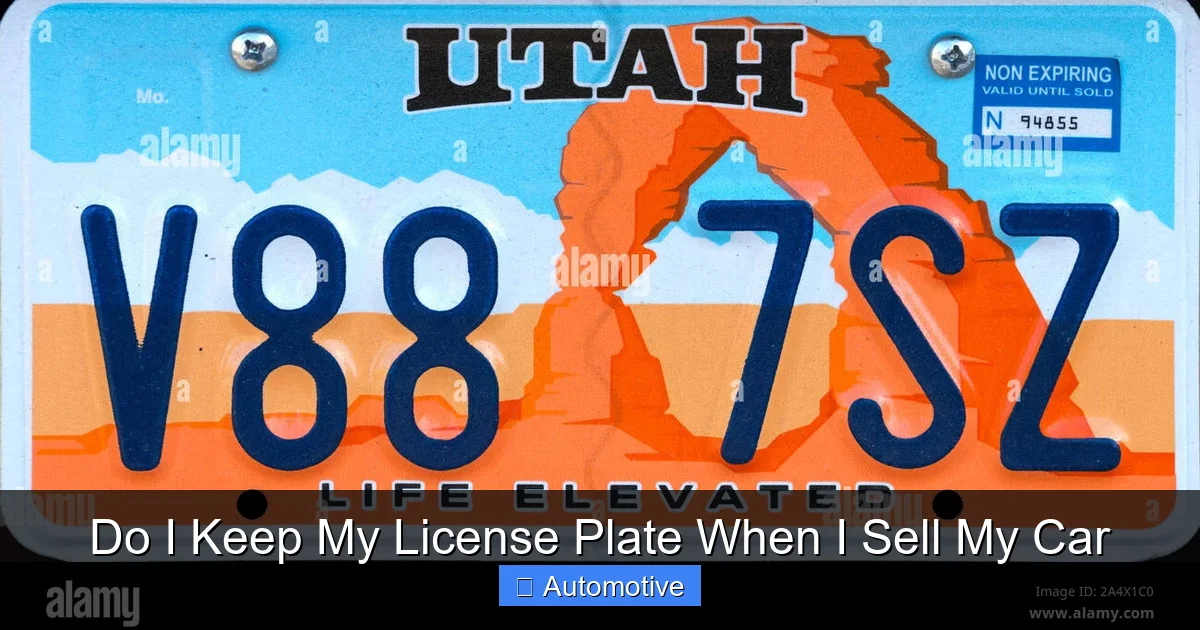
Visual guide about Do I Keep My License Plate When I Sell My Car
Image source: c8.alamy.com
This is where things get a little tricky. Every state has its own rules about license plates and car sales. Some are straightforward, while others have unique requirements. Let’s break it down.
In general, most states fall into one of three categories:
– **Plate-Keeper States:** You remove and keep the plate.
– **Plate-Leaver States:** You leave the plate on the car.
– **Surrender States:** You must return the plate to the DMV.
Let’s look at some examples.
Plate-Keeper States (Most Common)
The majority of states allow—and often require—you to remove your license plate when selling a car. These include:
– California
– New York
– Florida
– Illinois
– Pennsylvania
– Ohio
– Michigan
– Washington
In these states, the plate belongs to you, not the car. You’re expected to take it with you and either reuse it on a new vehicle or surrender it if you’re not planning to drive again.
For instance, in California, you must remove both front and rear plates before selling the car. You can then transfer the registration to a new vehicle within 30 days, or you can surrender the plate to the DMV.
Plate-Leaver States (Less Common)
A smaller number of states require the plate to stay with the vehicle. These include:
– Texas
– Virginia
– North Carolina
– Georgia
– Alabama
In Texas, for example, the license plate stays with the car. When you sell it, you leave the plate on, and the new owner must register it in their name. You’re still responsible for notifying the DMV of the sale, but you don’t take the plate.
This can be confusing for out-of-state sellers. If you’re moving or selling a car across state lines, make sure to check the rules of the state where the car is registered—not where it’s being sold.
Surrender States (Rare)
A few states require you to surrender your plate to the DMV after selling a car. These include:
– New Jersey
– Connecticut
– Rhode Island
In New Jersey, for example, you must return your plate to the Motor Vehicle Commission (MVC) within 10 days of selling the car. You can do this by mail or in person. If you don’t, you could face a fine.
Some surrender states offer a credit or refund for the unused portion of your registration, so it’s worth checking if you’re eligible.
Special Cases: Personalized and Vanity Plates
If you have a personalized or vanity plate—like “MYCAR1” or “SUNSET”—the rules are usually more flexible. In most states, you can keep these plates even if you’re required to leave standard plates on the car.
For example, in Texas, standard plates stay with the vehicle, but personalized plates can be removed and transferred to a new car. You’ll need to fill out a transfer form and pay a small fee, but it’s usually worth it to keep your custom plate.
Always check with your local DMV to confirm the process for transferring personalized plates.
Step-by-Step: What to Do When Selling Your Car
Visual guide about Do I Keep My License Plate When I Sell My Car
Image source: cdn.abcotvs.com
Now that you know the basics, let’s walk through the steps you should take when selling your car—regardless of your state.
1. Check Your State’s Plate Rules
Before you do anything else, visit your state’s DMV website or call them to confirm the rules. Look for sections on “selling a vehicle” or “license plate transfer.” This will tell you whether to keep, leave, or surrender your plate.
2. Remove the Plate (If Required)
If your state allows you to keep the plate, remove it before the sale. Use the proper tools—usually a screwdriver or socket wrench—and store it safely. Don’t leave it in the car, even if the buyer says they’ll register it right away.
Tip: Take a photo of the plate before removing it. This can serve as proof that you removed it, in case of disputes.
3. Complete a Bill of Sale
A bill of sale is a legal document that proves the transfer of ownership. It should include:
– Your name and the buyer’s name
– Vehicle identification number (VIN)
– Sale price
– Date of sale
– Signatures of both parties
Some states provide free templates online. Even if it’s not required, it’s a good idea to have one.
4. Notify the DMV
Most states require you to notify the DMV within a certain timeframe—usually 5 to 30 days—after selling your car. This protects you from future liability.
In California, for example, you can file a “Notice of Transfer and Release of Liability” online. In Texas, you can do it through the TXDMV website.
5. Cancel or Transfer Insurance
Once the car is sold, you should cancel or adjust your insurance policy. Don’t wait—coverage should end on the sale date to avoid paying for a car you no longer own.
If you’re buying a new car soon, you can often transfer your policy or get a prorated refund.
6. Keep Records
Save copies of the bill of sale, DMV notification, and any correspondence with the buyer. These documents can help if there are disputes or if you’re audited.
What to Do With Your Plate After the Sale
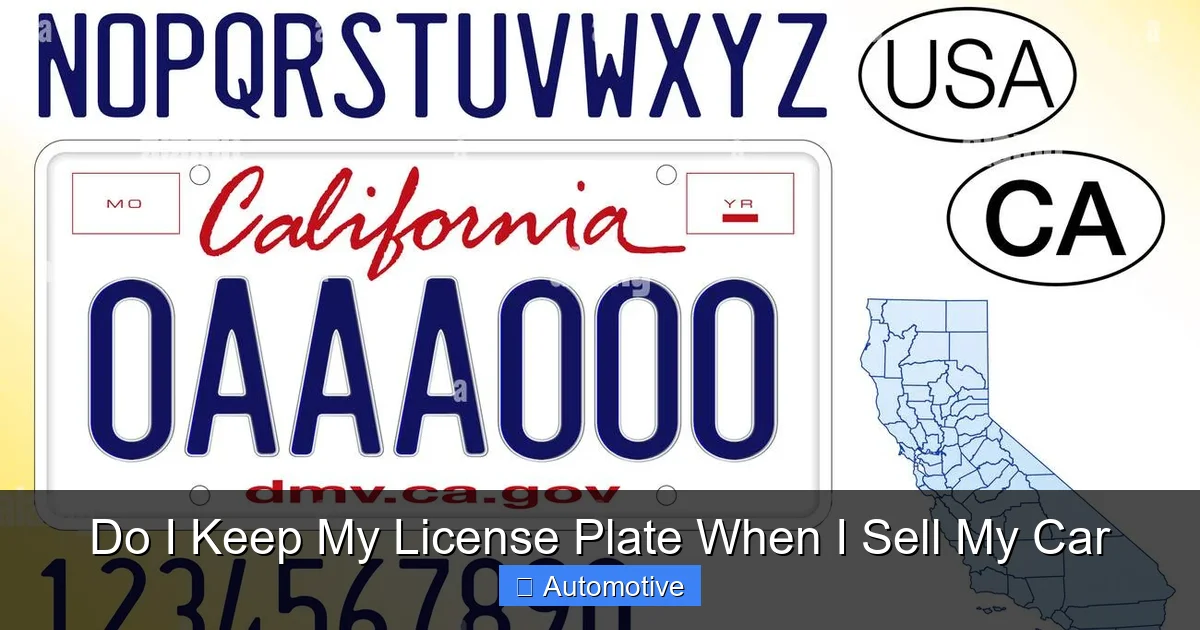
Visual guide about Do I Keep My License Plate When I Sell My Car
Image source: c8.alamy.com
So you’ve sold your car and removed your plate. Now what? You have a few options, depending on your plans.
Option 1: Transfer to a New Vehicle
If you’re buying a new car soon, you can often transfer your existing plate and registration. This can save you time and money, especially if your registration isn’t close to expiring.
In most states, you’ll need to:
– Fill out a plate transfer form
– Pay a small fee (usually $10–$25)
– Provide proof of ownership for the new vehicle
For example, in Illinois, you can transfer your plate to a new car within 30 days of selling the old one. The process is quick and can be done online or at a DMV office.
Option 2: Surrender to the DMV
If you’re not planning to drive again or don’t want to keep the plate, you can surrender it to the DMV. This is common in states like New Jersey and Connecticut.
Surrendering the plate ensures it’s officially deactivated and removes any future liability. Some states even offer a small refund for unused registration.
Option 3: Keep It as a Souvenir
Some people keep their old plates as memorabilia—especially if they have sentimental value or a fun design. Just make sure the plate is no longer active. You don’t want it showing up in a database as “in use.”
You can display it on a wall, turn it into a clock, or even use it in a craft project. Just don’t try to use it on another vehicle unless you’ve officially transferred it.
Common Mistakes to Avoid
Even with the best intentions, it’s easy to make mistakes when selling a car. Here are some common pitfalls and how to avoid them.
Leaving the Plate On in a Plate-Keeper State
This is one of the most common errors. Sellers assume the plate stays with the car, but in states like California or New York, you must remove it. Leaving it on could result in fines or liability.
Solution: Always check your state’s rules before the sale.
Not Notifying the DMV
Some sellers think the bill of sale is enough. But without notifying the DMV, your name may still appear as the registered owner.
Solution: File the required paperwork as soon as the sale is complete.
Forgetting to Cancel Insurance
Paying for insurance on a car you no longer own is a waste of money—and a risk if the new owner gets into an accident.
Solution: Call your insurer on the day of the sale to cancel or adjust your policy.
Selling Without a Bill of Sale
A bill of sale protects both parties. Without it, disputes over price, condition, or ownership can become messy.
Solution: Use a standard template and have both parties sign it.
Tips for a Smooth Car Sale
Selling a car doesn’t have to be stressful. With a little planning, you can make the process quick and hassle-free.
Prepare Your Paperwork in Advance
Gather your title, registration, maintenance records, and bill of sale template before listing the car. This shows buyers you’re serious and organized.
Be Honest About the Car’s Condition
Disclose any issues upfront. This builds trust and reduces the chance of post-sale disputes.
Meet in a Safe, Public Place
If selling privately, meet at a police station or DMV office. Many departments have designated “safe exchange zones” with cameras and lighting.
Accept Secure Payment
Avoid cash for large amounts. Use a cashier’s check or bank transfer. Never hand over the title until payment is confirmed.
Follow Up After the Sale
Check in with the DMV a week later to confirm they’ve processed your notification. This gives you peace of mind.
Conclusion
So, do you keep your license plate when you sell your car? The answer depends on where you live—but in most cases, yes, you do. Removing your plate protects you from liability, simplifies registration for your next vehicle, and ensures a clean break from the old car.
The key is knowing your state’s rules and following the proper steps: remove the plate (if allowed), notify the DMV, cancel your insurance, and keep good records. Whether you’re transferring the plate, surrendering it, or keeping it as a keepsake, handling it correctly makes the sale smoother and safer for everyone involved.
Selling a car is a big step, but with the right preparation, it doesn’t have to be complicated. Take the time to understand the process, and you’ll walk away with cash in hand—and no unexpected tickets in the mail.
Frequently Asked Questions
Do I have to remove my license plate when selling my car?
In most states, yes—you are required to remove your license plate before selling the car. However, a few states like Texas and Virginia require the plate to stay with the vehicle. Always check your local DMV rules.
Can I transfer my license plate to a new car?
Yes, in most states you can transfer your existing plate to a new vehicle. You’ll typically need to fill out a form and pay a small fee. This can save you time and money on registration.
What happens if I leave my plate on the car in a state that requires removal?
You could be held liable for any violations committed by the new owner, such as parking tickets or toll fees. You may also face fines from the DMV for not following proper procedures.
Do personalized plates stay with the car or the owner?
Personalized or vanity plates usually belong to the owner, even in states where standard plates stay with the car. You can typically remove and transfer them to a new vehicle with the right paperwork.
How do I notify the DMV after selling my car?
Most states allow you to notify the DMV online, by mail, or in person. Look for forms like “Notice of Transfer and Release of Liability” on your state’s DMV website.
Can I keep my license plate if I’m not buying another car?
Yes, you can keep the plate as a souvenir or surrender it to the DMV. Just make sure it’s no longer active to avoid any legal issues.